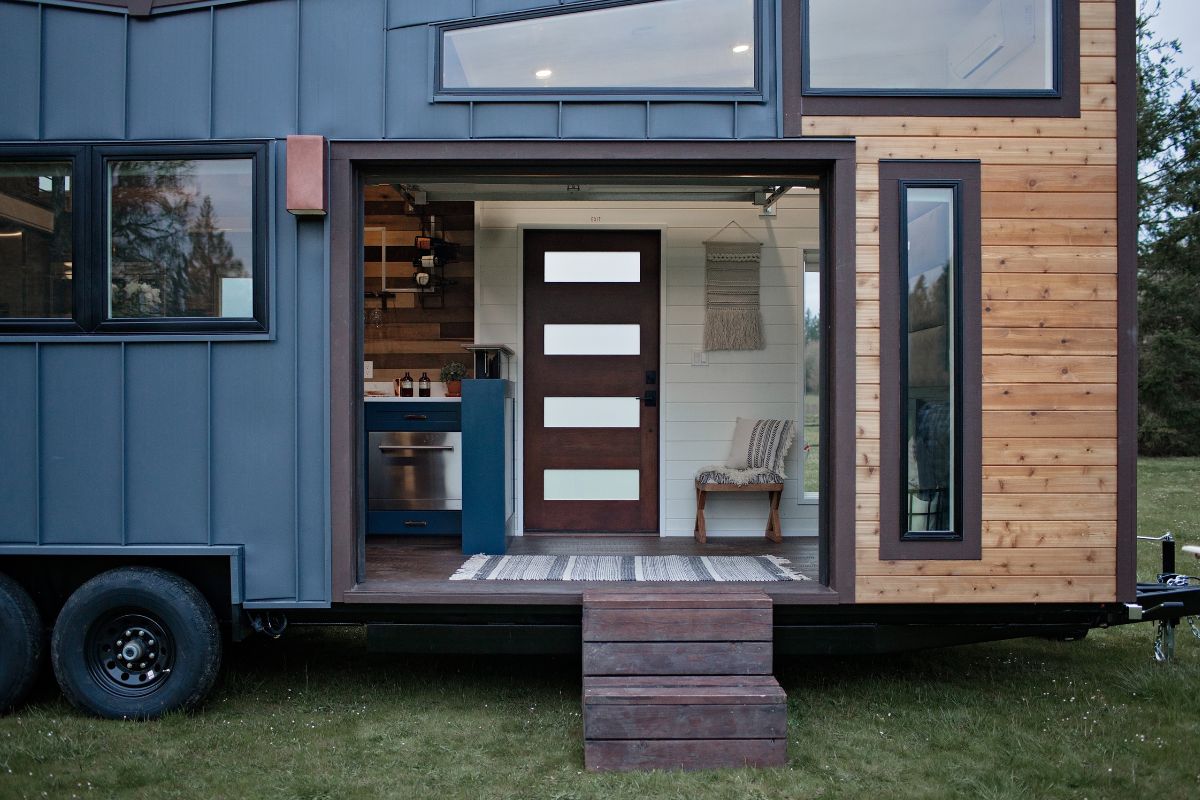
Tiny Home Eco Tips: Affordable Upgrades That Make A Big Impact

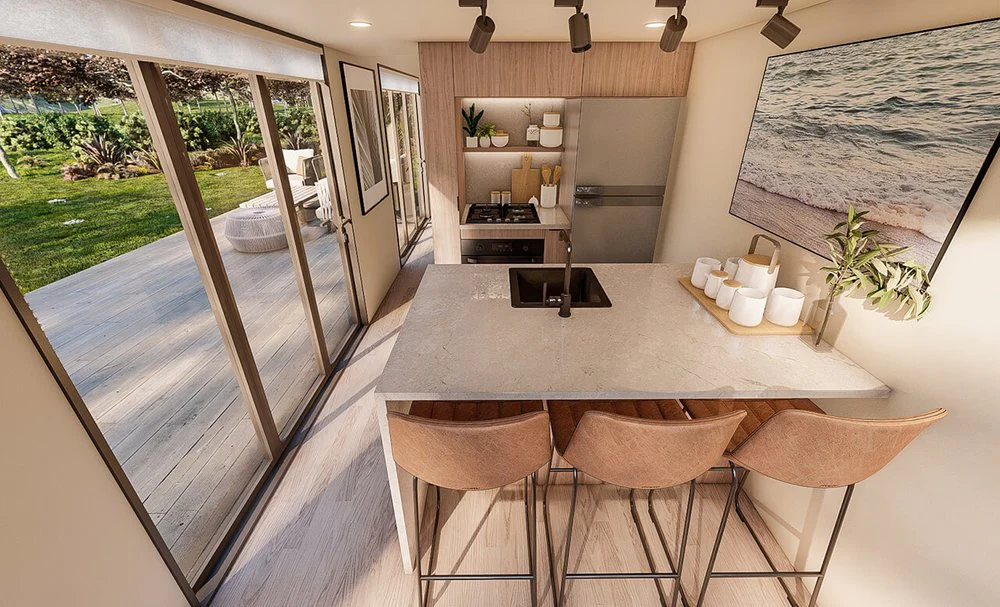
Sure, living tiny is already a win for the planet. But just because your footprint is smaller doesn't mean you can't make it even greener. The best part? In a tiny home, even small, cheap upgrades make a huge difference. Let's look at a few easy wins.
Weatherproofing on a Dime
Think of your tiny home like a warm coat. If it has holes in the pockets, all that precious heat is going to fall right out. Before you even think about fancy gadgets, the most cost-effective thing you can do is stop wasting the energy you’re already paying for. Air leaks are the silent energy-killers in any home, but in a tiny space, a draft can make the whole place feel uncomfortable almost instantly.
The good news? Fixing this is cheap and easy.
- Feel for Breezes: On a windy day, run a damp hand around the edges of your windows, doors, and any electrical outlets on exterior walls. If you feel a chill, you’ve found a leak.
- Foam Tape is Your Friend: This peel-and-stick wonder costs just a few dollars and can be applied to window and door jambs to create a tight seal when they’re closed. It’s a five-minute fix for instant comfort.
- Weatherstripping for Doors: Replace or add a new door sweep at the bottom of your exterior door. This blocks drafts, dust, and even bugs.
Illuminating Savings
Lighting a home can account for a surprising chunk of electricity use. However, this is one of the easiest areas to tackle. The technology has evolved so much that the savings are almost automatic. When you think about investing in energy-saving home projects, swapping out your light bulbs should be at the very top of the list. It requires almost no effort but pays dividends from the moment you flip the switch.
- Make the Switch to LEDs: If you haven’t already, replace every single bulb in your home with LEDs. They use at least 75% less energy and last up to 25 times longer than incandescent lighting. The upfront cost is minimal, and you won't have to buy another bulb for years.
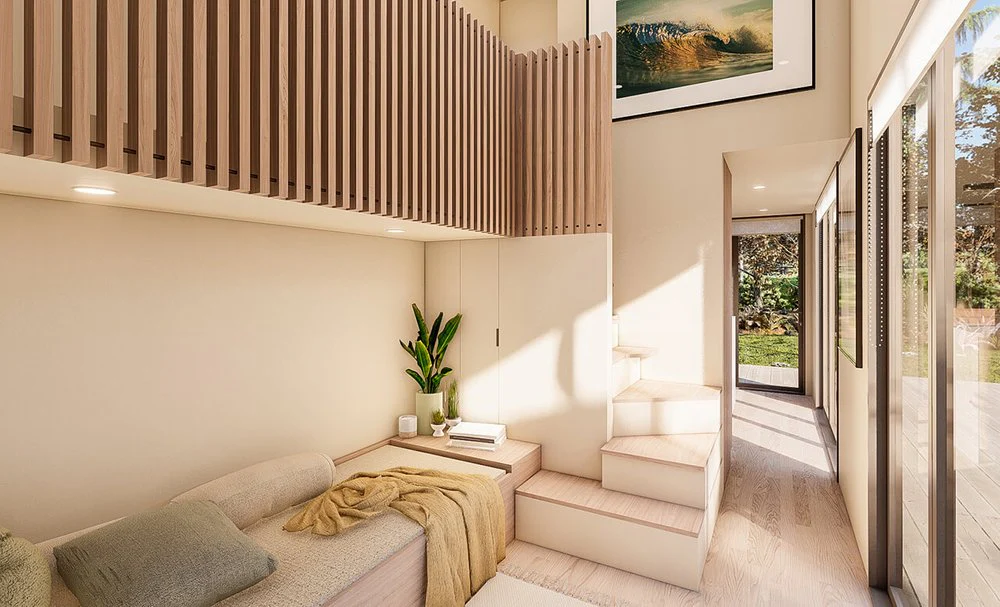
- Embrace Natural Light: Get the most out of your windows. Keep them clean, and consider using light-colored, sheer window treatments that let sunlight in while providing privacy. Position mirrors strategically opposite windows to bounce natural light deeper into your space, reducing the need for artificial light during the day.
- Task Lighting is Key: Instead of relying on a single bright overhead light, use smaller, directed lamps for reading, cooking, or working. This allows you to light only the specific area you're using.
Small Fixtures, Big Savings
Water is one of our most precious resources, and heating water for showers and dishes is also a massive energy drain. In a tiny home, where every gallon counts, making a few simple plumbing adjustments can lead to huge savings on both your water and energy bills. It’s all about getting the same job done with less.
- The Showerhead Swap: This is the superstar of water conservation. Replacing a standard showerhead with a low-flow model can reduce your water usage by 40% or more. Modern low-flow heads are engineered to provide a satisfying, powerful spray using less water, so you won't feel like you're standing under a disappointing drizzle.
- Faucet Aerators: These tiny, screw-on devices for your kitchen and bathroom sinks are incredibly cheap (often under $5) and work by mixing air into the water stream. This reduces the water flow while maintaining pressure, so washing your hands or rinsing a dish feels exactly the same, but you're using far less water.
- Insulate Your Pipes: For the price of a few dollars' worth of foam pipe insulation, you can wrap the exposed hot water pipes under your sink or near your water heater. This means you get hot water faster and lose less heat as it travels from the heater to the tap.
- Fix Leaks Immediately: A dripping faucet or a running toilet can waste hundreds of gallons of water a year. In a tiny home, a leak is often more noticeable, so get into the habit of fixing washers or flappers as soon as they start to fail.
Taming "Vampire" Energy
Did you know your gadgets are secret power-suckers? Even when they're "off," things like laptops and game consoles still sip electricity. It's called vampire power, and it can waste up to 10% of your home's energy.
The fix is simple and mostly free:
- Unplug it. Make it a habit to unplug phone chargers, toasters, and coffee makers when you're not using them.
- Use power strips. Plug your entertainment center into one strip. One flip of the switch at night kills all the vampires at once.
- Try smart plugs. For cheap, you can grab plugs that turn off automatically on a schedule.
- Buy Energy Star. When replacing an appliance, choose Energy Star. They use way less power, even on standby.
Mindful Materials
Being eco-friendly in a tiny home isn't just about saving power; it's about the stuff you bring inside. Choosing better materials means less waste and cleaner air to breathe.
A few easy swaps make a big difference:
- Choose natural fabrics. Swap synthetics for organic cotton or linen bedding. They breathe better and help regulate your temp naturally.
- Kick the single-use habit. Ditch paper towels for cloth napkins and plastic wrap for beeswax wraps. In a small space, waste piles up fast.
- Make your own cleaner. Vinegar, water, and a few drops of lemon oil clean just as well as harsh chemicals. Baking soda works miracles on scrubbing.
- Buy second-hand first. Thrift stores are goldmines for tiny homes. You save money, find unique pieces, and keep stuff out of landfills.
Tiny Greenery, Mighty Impact
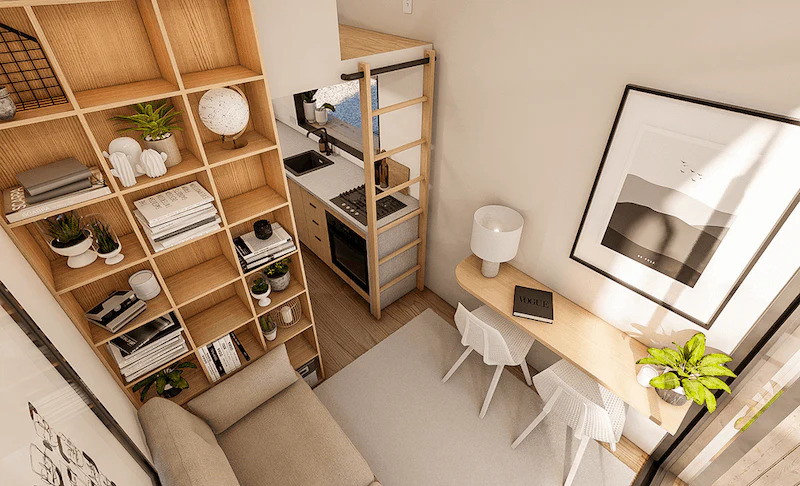
Plants are the gift that keeps on giving. Sure, they make your tiny home feel alive, but they're also hardworking eco-upgrades that cost nothing and keep on giving.
- They clean your air. Snake plants and peace lilies are amazing at filtering out toxins. They basically breathe in the bad stuff, so you don't have to.
- They add moisture. In dry winter months, plants release humidity naturally. No fancy humidifier needed.
- Grow your own herbs. A few pots of basil or mint on your windowsill means fresh flavors without the plastic packaging. Snip some for tea; it's the little luxuries.
The truth is, you don't need a huge budget or a complete overhaul to live greener. In a tiny home, even the smallest swaps ripple outward. Pick one idea from this list and start there. Little by little, those affordable upgrades add up to something pretty beautiful.


.svg)
.jpg)