
How to Utilize Fences to Add Privacy and Security to Your Tiny House the Smart Way

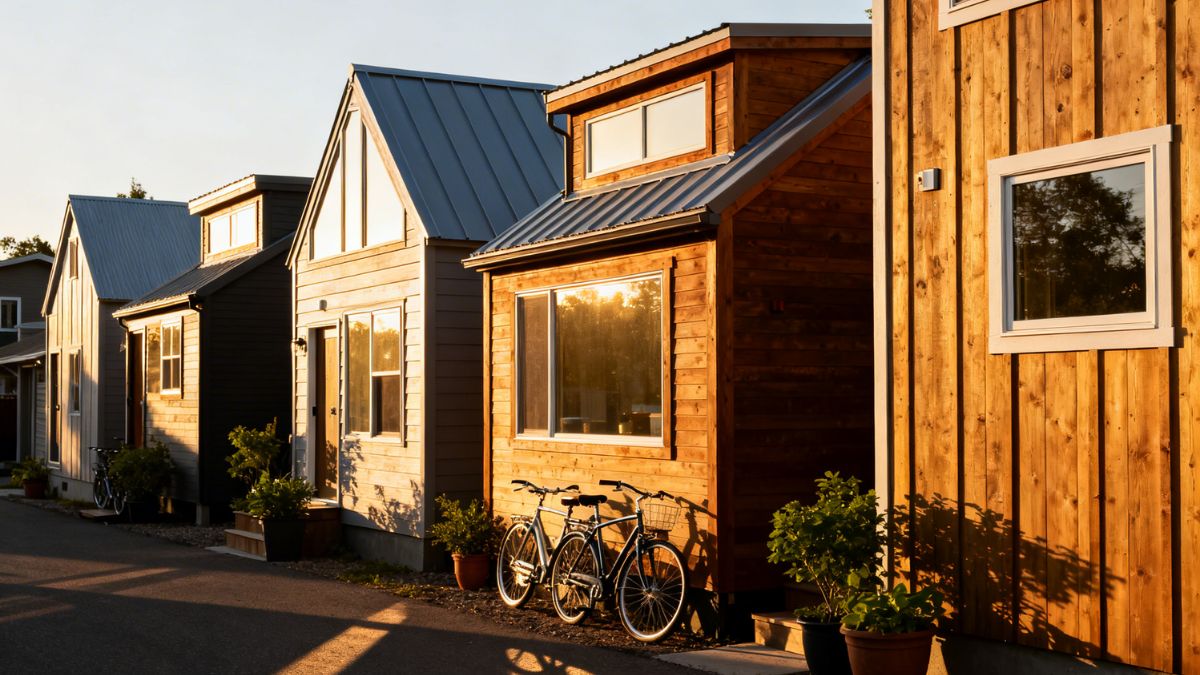
Tiny homes promise simplicity, freedom, and a closer connection to nature, but that openness can bring its own challenges. When your entire living space fits into a few hundred square feet, privacy becomes precious, and security needs a thoughtful plan. Whether your home sits in a quiet community or miles off the grid, the goal is to protect your space while keeping it welcoming.
The balance comes from design choices that feel natural. With a few smart adjustments, a small home can feel safe, grounded, and fully your own.
Designing Privacy Without Losing Openness
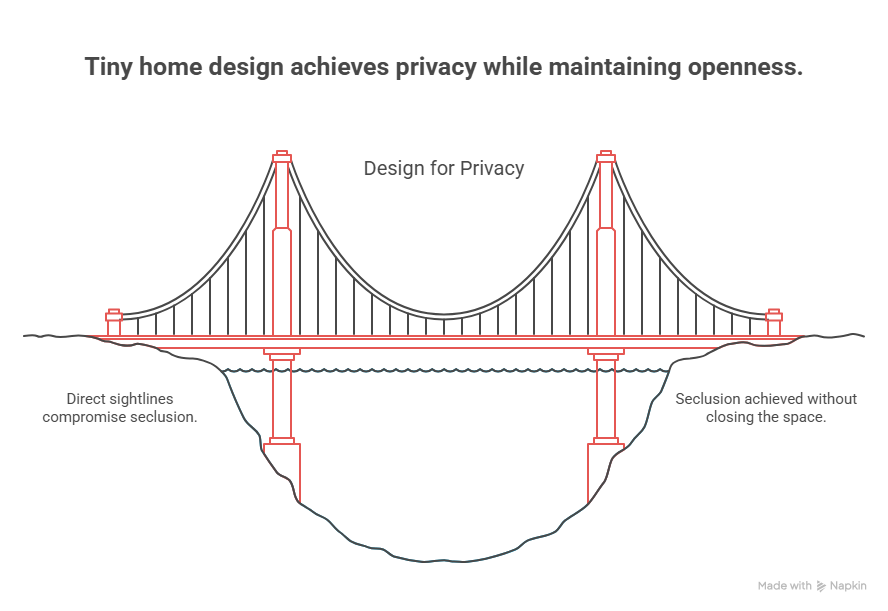
Tiny homes thrive on light and flow, two qualities that can disappear once you start adding barriers. The better move is to shape privacy through design.
If you are still in the planning phase, orient windows and doors to capture the best views while reducing direct sightlines from neighboring lots. Sometimes a small shift in layout creates a natural sense of seclusion without closing the space in.
Inside, think in layers rather than divisions. Use tall plants, bookshelves, or folding screens to define sleeping, cooking, and relaxing areas. Outdoors, vertical gardens or climbing vines can soften boundaries while maintaining openness. They filter light, add texture, and create breathing room without shutting the world out.
Even the smallest deck or patio can feel private with the right arrangement. A few potted trees, an overhead shade, or a well-placed pergola can turn an exposed corner into a quiet retreat. Focus on comfort from every angle, not hard barriers.
Fencing That Fits the Tiny Home Lifestyle
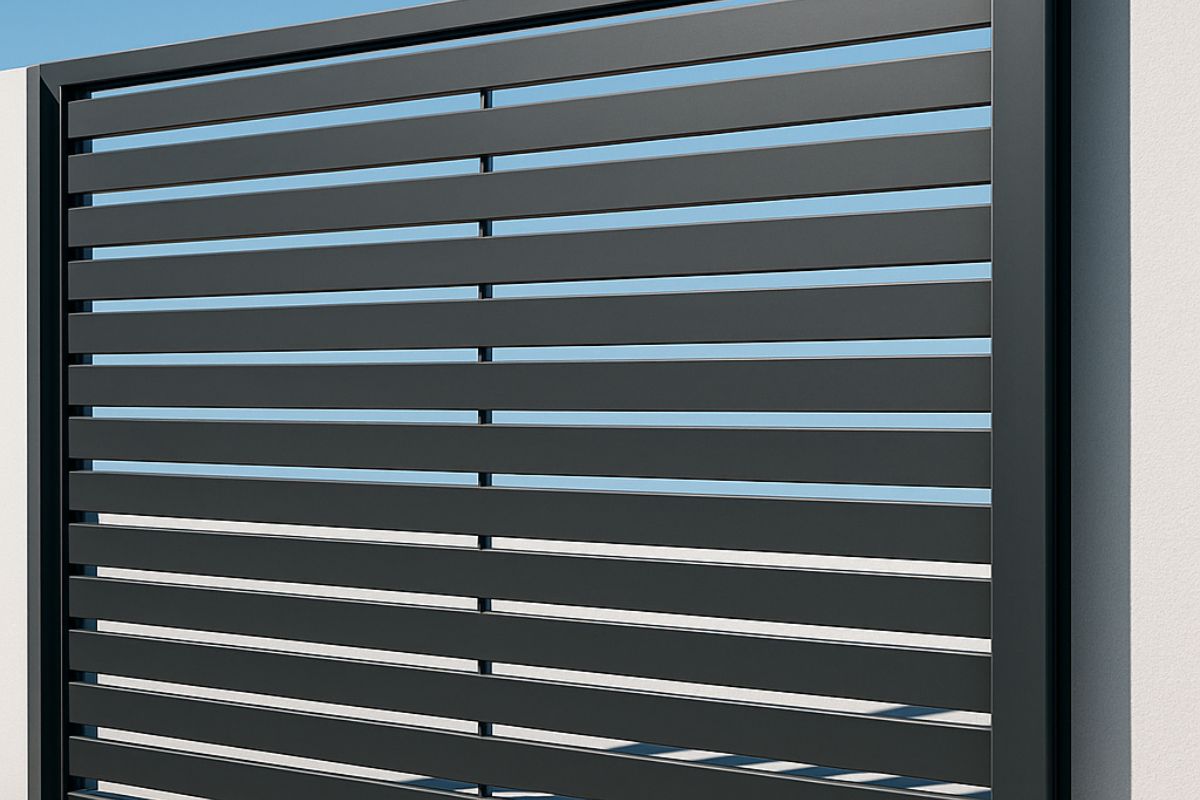
For many tiny homeowners, the right fence does more than mark boundaries. It shapes how the home works day to day. A low wood paneled design frames a small yard without boxing it in. Slim aluminum or vinyl styles keep things light and clean, which fits a minimalist footprint.
Durability matters, especially for homes that see harsh weather or occasional relocation. Treated wood, composite, and powder-coated aluminum stand up well while staying easy to maintain. Portable panels or modular fencing kits suit mobile setups, giving you the option to define outdoor space wherever you park.
Some people enjoy building a fence by hand. If you prefer a professional touch, working with a fencing contractor helps ensure the structure is level, secure, and built for the long haul. It is a straightforward way to protect your investment and keep the look consistent with your home’s design.
The best fences for tiny homes feel intentional. They create a sense of enclosure while preserving the landscape, offering the privacy you need without turning your yard into a box.
Smart Ways to Boost Security in Small Spaces
Security for a tiny home works best when it is simple and deliberate. Compact footprints make it easier to cover key entry points, so build a few strong layers instead of a bulky system.
Start with lighting. Motion-activated fixtures near doors and along paths deter curious passersby and help you see what is happening after dark. Solar-powered options are ideal for off-grid setups and keep wiring to a minimum.
Add smart locks and a compact alarm hub that runs on Wi Fi or cellular. For gear ideas and setup tips, advice from SafeWise offers clear, practical options that fit small spaces.
Cameras made for RVs and cabins work well in tiny homes. They are discreet, easy to mount, and simple to reposition if you move. Pair one with a motion sensor or a window contact for quiet coverage that stays out of the way.
Round things out with sturdy basics. Reinforce door frames, secure window latches, and keep valuables out of view. A compact plan like this protects daily life without adding clutter.
Natural Barriers and Multi-Functional Outdoor Design
Privacy does not always require a fence or wall. Nature offers gentle boundaries that feel organic and alive. A few well-placed trees, tall grasses, or layered planters can soften sightlines while blending into the surroundings.
Climbing vines on trellises or pergolas add shade and texture while filtering outside views. They work especially well when space is tight, providing privacy and a little insulation at the same time. Raised beds and vertical gardens can pull double duty, delivering food and beauty while quietly defining an outdoor living area.
If you lean sustainable, natural barriers made from reclaimed wood or bamboo tie the yard back to your home’s eco-friendly roots. These choices build comfort without enclosing the world beyond it, turning even a small patch of ground into a personal retreat.
Protecting Your Tiny Home on the Move
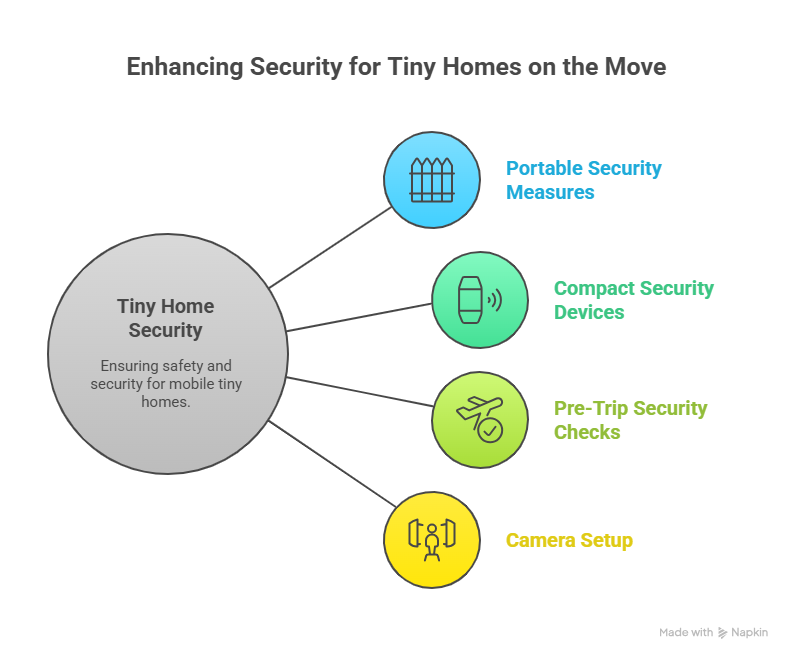
Tiny houses on wheels come with freedom and a few vulnerabilities. When your home travels with you, security needs to stay flexible and easy to pack. Portable fencing panels or collapsible privacy screens can set quick boundaries at campsites or seasonal plots, giving you a sense of home wherever you land.
Compact motion sensors, GPS trackers, and door alarms built for RVs suit mobile setups. They are light, draw little power, and can be managed from a phone, which fits life on the road.
Before every trip, a quick inspection keeps things secure. Check door latches, hitch locks, and storage compartments. For camera setups, mount units high and angle them to cover doors and the hitch; choose LTE-capable models for off-grid sites; and follow practical steps for installing a security camera to reduce false alerts and keep wiring tidy.
Smart, Simple, and Secure Living
Privacy and security can be the foundation that makes tiny living more comfortable. The right mix of design, materials, and habits turns even a compact space into a sanctuary.
A well-placed fence, thoughtful landscaping, and a few smart devices create safety without clutter. What matters most is intention. Each choice should make daily life smoother and more grounded.
Whether you are parked in a community or tucked into the woods, reliable upgrades make a clear difference. When you want lasting structure and peace of mind, working with a professional contractor is a simple way to protect your space and keep it beautiful.


.svg)
.jpg)
.jpg)
.jpg)