
How Transparent Home Builders Make the Process Stress-Free

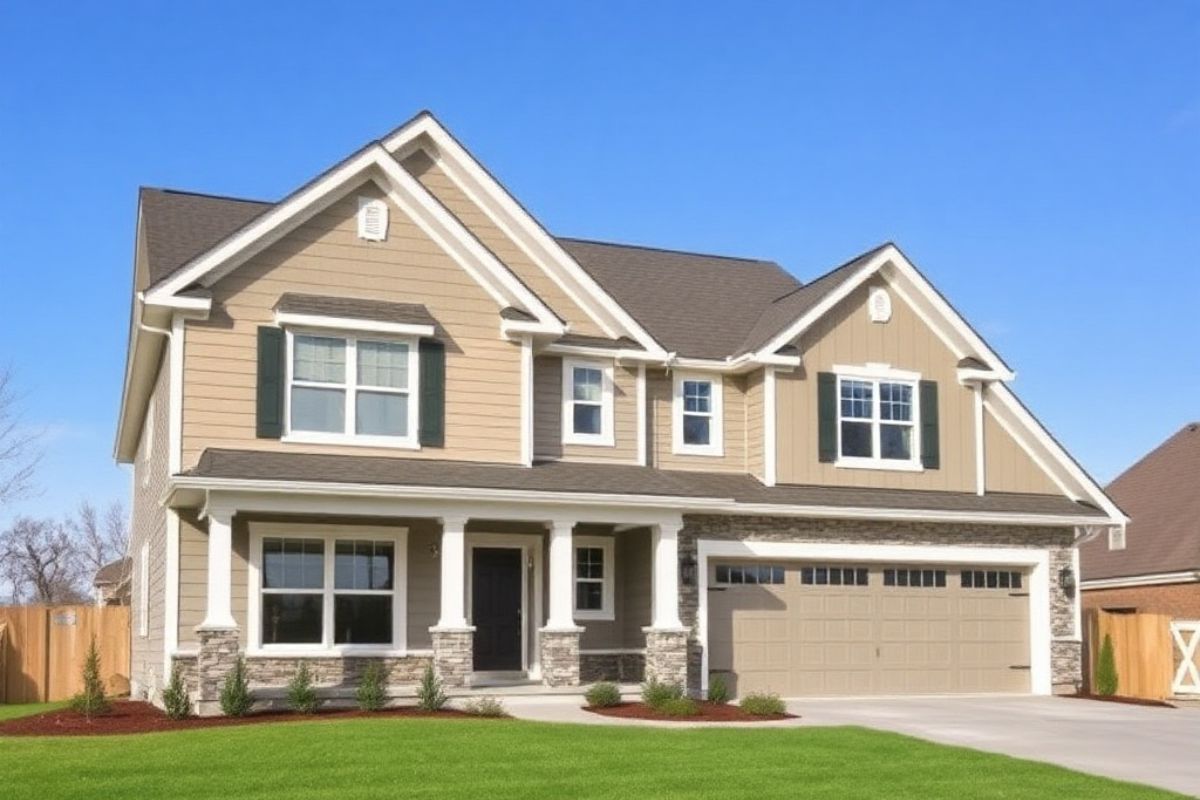
Building a home is expensive. Most people only do it once. They walk into the process blind because they've never done it before.
Cost overruns happen constantly. Delays push timelines back months. Surprise fees appear out of nowhere. What starts as excitement turns into regret and financial stress.
Why Does Fixed Pricing Protect Your Budget?
Fixed pricing locks in your total cost before construction starts. You know the final number from day one.
Traditional builders use flexible quotes with allowances. These vague numbers shift as work progresses. You don't learn the real price until you're locked into contracts. By then, backing out means losing deposits and wasting months of planning.
A fixed-price contract lists every cost. Materials, labor, permits, and site prep all appear as separate line items. Nothing stays hidden in general categories. The builder can't inflate prices later because everything is already agreed upon.
Queenslands premier home builders protect clients this way. They provide complete breakdowns before anyone signs anything. Small builds and large projects both benefit from this approach. The pricing model works whether you're building a compact home or a sprawling family residence.
Your mortgage application becomes simple. Banks want exact numbers. Fixed pricing gives them that. You can compare loan options without guessing what the final cost might be. Financial planning gets easier when you know precisely what you'll spend.
How Fixed Pricing Handles Material Fluctuations
Material costs can jump during construction. Lumber prices spike. Steel becomes scarce. These market changes worry homeowners who signed flexible contracts.
Fixed-price agreements handle this differently. The builder absorbs market fluctuations. They calculated these risks into their original quote. You don't pay extra when copper prices climb or when shipping costs increase.
This protection matters most on longer builds. Six-month construction timelines see more price changes than three-month projects. Your locked rate shields you from all of it.
How Do Clear Communication Channels Reduce Anxiety?
Good builders explain their process before work begins. They walk through each phase and point out potential problems. This upfront honesty prepares you for what's ahead.
Most construction delays come from poor coordination. The electrician shows up before the framing is done. The plumber needs information that the architect never provided. These miscommunications cost time and money. They frustrate everyone involved.
Regular Updates Keep You Informed
Weekly site meetings show real progress. Some builders send photos every few days. You see walls going up and systems getting installed. No guessing required.
Digital portals make information accessible. You can check the schedules at midnight if you want. Invoices, plans, and permits live in one place. You don't wait three days for someone to email a document. Everything stays organized in a single location.
These tools also track change orders. You can see what modifications you approved. The system shows how each change affected costs and timelines. This transparency prevents disagreements about what was decided weeks ago.
Direct Access to Decision Makers
You need a single point of contact. That person should answer questions within 24 hours. They coordinate between subcontractors so you don't have to track down five different people.
Your contact manages the entire build. They know what stage everything is in. They can answer questions about electrical work and plumbing progress. You don't need to maintain a list of phone numbers for different trades.
According to the National Association of Home Builders, good communication cuts project disputes by more than half. Everyone works from the same information. Problems get caught early instead of turning into expensive fixes.
.jpg)
What Should Building Contracts Actually Include?
Contracts should read like plain English. You shouldn't need a lawyer to understand what you're signing. Legal jargon confuses people. Clear language protects both parties better.
Good contracts break down costs by category. Here's what you should see:
- Materials costs with specific brands and grades listed
- Labor costs separated by trade
- Permit and inspection fees are itemized
- Site preparation and cleanup costs
- Administrative charges are stated clearly
- Timeline with milestone dates
- Payment schedule tied to completed work
- Warranty coverage spelled out
- Dispute resolution process explained
The quote explains technical terms when they appear. Clauses affecting your rights get their own sections. Nothing hides in paragraph 47 of the fine print.
Change orders need the same clarity. You might decide to upgrade fixtures mid-construction. The builder documents what changed, why it costs more, and how it affects timing. You approve everything before work continues. This process prevents bill shock.
Payment Schedules That Make Sense
Milestone payments protect both parties. You pay when specific work is completed. Foundation poured and inspected? Payment goes through. Framing finished and approved? Next payment releases.
This system prevents builders from front-loading costs. They can't take 60% upfront and then drag out the work. Your money is released as value gets delivered. Inspections verify quality before payment process.
Most builders divide projects into five or six payment stages. Initial deposit covers planning and permits. Subsequent payments match major construction phases. The final payment happens after you walk through and approve everything.
How Can You Spot Hidden Fees Before Signing?
Hidden costs take many forms. Some builders charge admin fees for permits. Others mark up materials without disclosure. Site prep might carry surprise charges if contracts stay vague.
Watch for these red flags in quotes:
- "Allowances" without specific dollar amounts
- "To be determined" line items
- Percentage-based markups without caps
- Vague language about site conditions
- Administrative fees are not itemized upfront
- Generic descriptions like "electrical work included."
Transparent builders include everything from the start. Permit costs show as actual numbers. Material pricing reflects wholesale cost plus a stated markup. Site preparation estimates cover normal conditions. If something unusual appears during excavation, they document it before adding charges.
Site Condition Surprises
Underground utilities sometimes appear in wrong locations. Soil tests might reveal drainage issues. Rock formations require extra excavation. These genuine surprises require extra work.
Honest builders explain why additional costs are necessary. They provide photos and reports showing the changed conditions. They get your approval before proceeding with solutions. This documentation protects both parties if questions arise later.
Compare this to builders who simply add charges without explanation. They present a bill and expect immediate payment. That's not transparency. That's taking advantage of your limited construction knowledge.
What Questions Should You Ask Potential Builders?
Start by requesting sample contracts. Confident builders share their documentation freely. Review the pricing breakdown. Look for the detail level described earlier. Study how they structure payment schedules.
Ask about their update schedule. How often will you hear from them? Who handles your questions? What happens when problems pop up? Their answers reveal their commitment to keeping you informed. Pay attention to response times during the quote phase, too.
Get references from recent customers. People who finished builds in the last six months give the most accurate picture. They'll tell you if promises matched reality. They'll share whether costs stayed fixed or crept upward. Ask these references specific questions about communication and transparency.
Check industry memberships too. Professional associations require codes of practice. Members face consequences for breaking those standards. This adds another layer of protection for you.
Warranty Coverage Details
Warranties should be specific. "We stand behind our work" means nothing without details. You need to know what's covered and for how long. Generic promises don't help when issues appear.
Structural elements typically carry longer warranties than finishes. Foundations might have 10-year coverage while paint has two years. Good builders explain these differences clearly. They don't bury important exclusions in legal language. They want you to understand what protection you're getting.
Choosing Based on Openness Pays Off
Transparency reduces stress throughout construction. You spend less time worrying about surprise costs. You enjoy watching your home take shape instead of dreading the next bill. The building process becomes what it should be: exciting.
The cheapest quote isn't always the best deal. Low prices often hide costs that surface later. A slightly higher quote from an honest builder frequently costs less overall. Factor in peace of mind when you're comparing options. Consider the value of clear communication and predictable costs.
Talk to several builders before deciding. Compare how they present information, not just what they charge. The builder who answers questions directly deserves serious consideration. That openness during sales meetings typically continues through construction and beyond. Their approach to sales conversations predicts their approach to the entire project.


.svg)
.jpg)
.jpg)
.jpg)