
The Ultimate Guide to Building Your Own Tiny Home Strategy

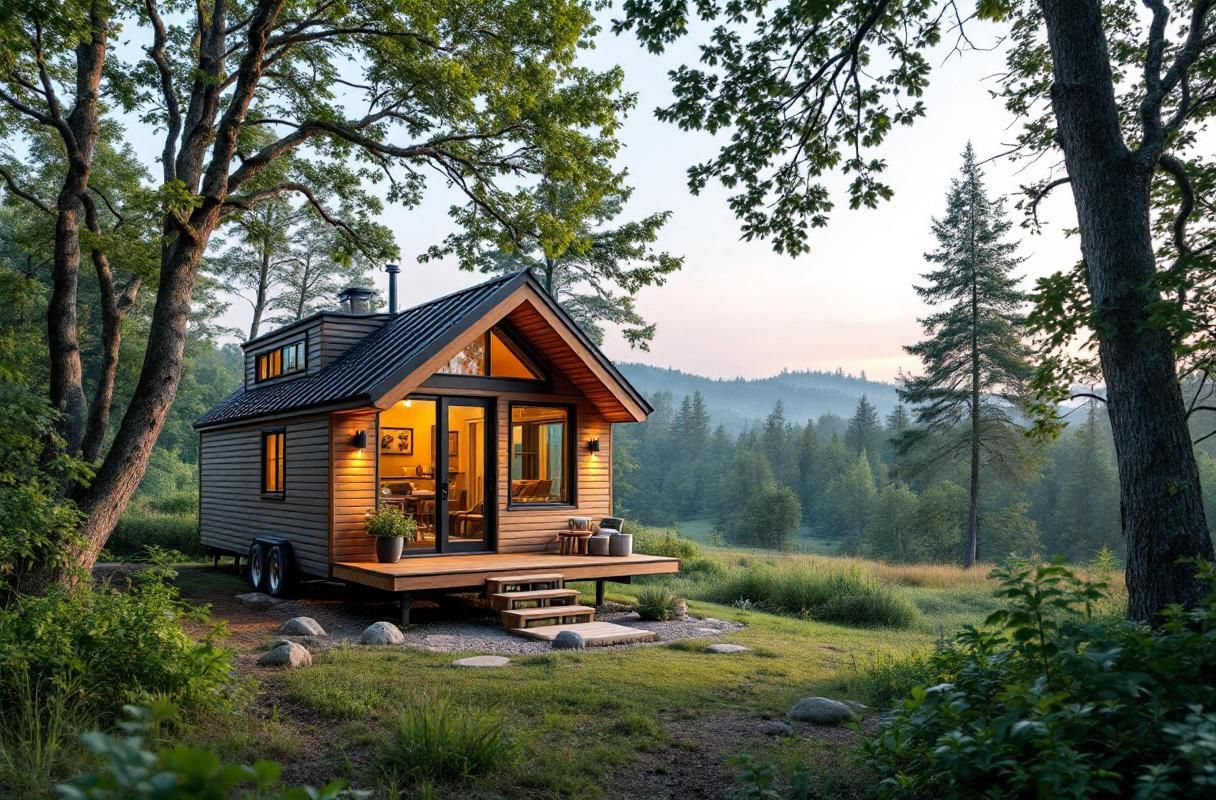
The Ultimate Complete Guide to Building Your Own Tiny Home Strategy for Tiny House Designs
In recent years, the trend of tiny homes has surged in popularity, driven by a desire for minimalist living, financial freedom, and sustainable lifestyles. Tiny house designs not only provide an opportunity for creative architectural expression but also promote eco-friendliness and efficient use of space. This comprehensive guide aims to equip you with the knowledge and strategies needed to build your own tiny home, covering everything from initial planning to material selection and construction techniques. When planning your tiny home's interior comfort, consider incorporating sound proof insulation board systems to minimise noise transmission between spaces and create a peaceful living environment despite the compact layout.
Understanding Tiny House Designs
Tiny house designs are more than just smaller versions of traditional homes; they embody a philosophy of living with less while maximizing functionality and comfort. These designs typically range from 100 to 400 square feet and can be stationary or mobile. Understanding the core principles of tiny house designs is essential for anyone looking to embark on this journey.

Key Features of Tiny House Designs
Tiny house designs often incorporate several distinctive features that set them apart from conventional homes:
- Efficient Use of Space: Every square inch is optimized for functionality, often incorporating multi-purpose furniture.
- Sustainable Materials: Many tiny homes are built using eco-friendly materials, promoting sustainability and reducing the carbon footprint.
- Minimalist Aesthetic: A focus on simplicity and minimalism is prevalent, allowing for a clean and uncluttered living environment.
Common Misconceptions about Tiny Homes
Despite their growing popularity, several misconceptions surround tiny house designs. Addressing these can help prospective builders make informed decisions:
- Tiny Homes Are Not Livable: Many believe that living in a tiny home is uncomfortable, but with thoughtful design, they can be incredibly cozy and functional.
- Building Codes and Zoning Restrictions: A common fear is that tiny homes cannot be legally placed anywhere. However, understanding local regulations can often lead to finding viable solutions.
- Tiny Living Equals Sacrifice: While living tiny does require downsizing, it can also enhance one's quality of life by fostering freedom and reducing stress.
Planning Your Tiny Home
The planning stage is crucial to the success of your tiny house journey. A well-thought-out plan can mitigate potential issues and ensure that your tiny home meets your needs.
Researching Tiny Home Layouts
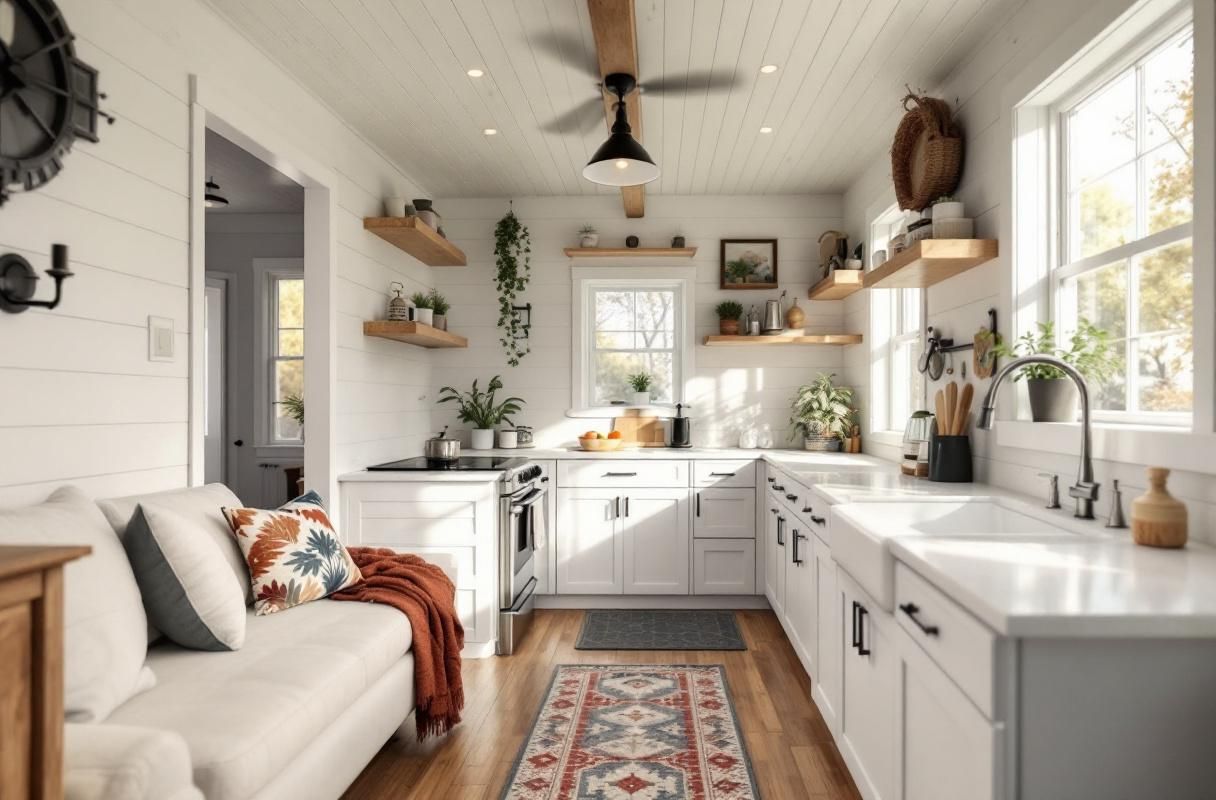
Start by researching various tiny home layouts that resonate with your lifestyle and preferences. Consider the following aspects:
- Lifestyle Needs: Identify your daily routines and how a tiny home can accommodate them. Do you work from home? Do you need additional storage?
- Design Inspiration: Browse online platforms like Pinterest or Instagram for inspiration. Note features you find appealing or functional.
- Space Allocation: Think about how much space you need for each area, including kitchen, bathroom, and living spaces.
Creating a Budget
Budgeting is a critical component of your tiny home strategy. Consider the following when crafting your budget:
- Construction Costs: Factor in materials, labor, and any permits required by local authorities.
- Utilities: Include costs for water, electricity, and waste disposal, especially if your tiny home is mobile.
- Furnishing and Decor: Plan for furniture and decorations that fit your tiny home layout without overcrowding the space.
Designing Your Tiny Home
Once the planning is complete, it's time to move on to the design phase. Tiny house designs allow for a unique blend of creativity and practicality.

Choosing Your Tiny House Design
Choosing the right design is vital to achieving a functional and aesthetically pleasing tiny home. Consider these popular styles:
- Modern: Features clean lines and a minimalist approach, often using metal and glass.
- Rustic: Emphasizes natural materials, warm colors, and a cozy atmosphere.
- Industrial: Utilizes raw materials and a mix of old and new elements for a unique vibe.
Layout Considerations
The layout of your tiny home will significantly impact your living experience. When designing your layout, think about:
- Open Floor Plan: An open layout can create a sense of spaciousness and improve flow.
- Vertical Space: Utilize vertical space for storage solutions such as shelves or lofted sleeping areas.
- Natural Light: Incorporate large windows or skylights to enhance the interior and reduce the need for artificial lighting.
Building Your Tiny Home
With a solid plan and design in place, you can begin the construction process. This phase can be both exciting and daunting.
Selecting Materials
Choosing the right materials is crucial for durability and sustainability. Consider:
- Eco-Friendly Options: Look for sustainable materials like reclaimed wood, bamboo, or recycled metal.
- Energy Efficiency: Insulation and energy-efficient windows can significantly reduce energy costs in the long run.
Construction Techniques
Decide whether you will build your tiny home yourself or hire professionals. If you choose to DIY, ensure you have the necessary skills or enlist help from knowledgeable friends. Some construction techniques include:
- Traditional Stick-Building: Involves framing the home like a conventional house.
- Prefab Kits: Offers pre-cut materials that simplify the building process.
- Container Homes: Uses shipping containers as a base structure, providing a unique aesthetic and durability.
Interior Design and Finishing Touches
Once the structure is complete, it’s time to focus on the interior design and final touches that will make your tiny house feel like home.
Space-Saving Furniture Solutions
In a tiny home, choosing the right furniture is essential to maximize space. Consider:
- Multi-Functional Pieces: Look for furniture that serves more than one purpose, such as a sofa that converts into a bed.
- Built-In Storage: Incorporate built-in shelves or cabinets to reduce clutter and enhance functionality.
Personalizing Your Space
Your tiny home should reflect your personality and style. Some tips for personalization include:
- Color Schemes: Choose light colors to create an illusion of space or bold accents to add character.
- Decorative Elements: Incorporate personal items, art, or plants that bring joy and comfort.
Maintaining Your Tiny Home
Once your tiny home is built, maintaining it is essential for longevity and comfort. Regular maintenance can prevent small issues from becoming larger problems.
Regular Inspections
Conduct regular inspections of key areas such as plumbing, roofing, and electrical systems. This proactive approach can help you identify and address issues early.
Seasonal Maintenance Tips
Seasonal changes can impact your tiny home. Here are some maintenance tasks to consider:
- Winter Preparation: Insulate pipes and check heating systems to avoid freezing.
- Summer Cooling: Ensure air ventilation is adequate and check for any leaks or wear in roofing.
Conclusion
Building your own tiny home is an enriching experience that allows for creativity, sustainability, and a unique lifestyle. By understanding tiny house designs, planning effectively, and considering your personal preferences, you can create a space that reflects your values and enhances your quality of life.
As you embark on this journey, remember to embrace the philosophy of minimalism and the possibilities that come with living in a tiny home. If you are ready to take the next steps, consider joining tiny house communities online, where you can find support, inspiration, and valuable resources for your tiny home project.
Explore the world of tiny house designs today, and start your journey towards a more intentional and fulfilling way of living.


.svg)
.jpg)
.jpg)
.jpg)