
What HVAC Options Work for Tiny Houses in 2026?

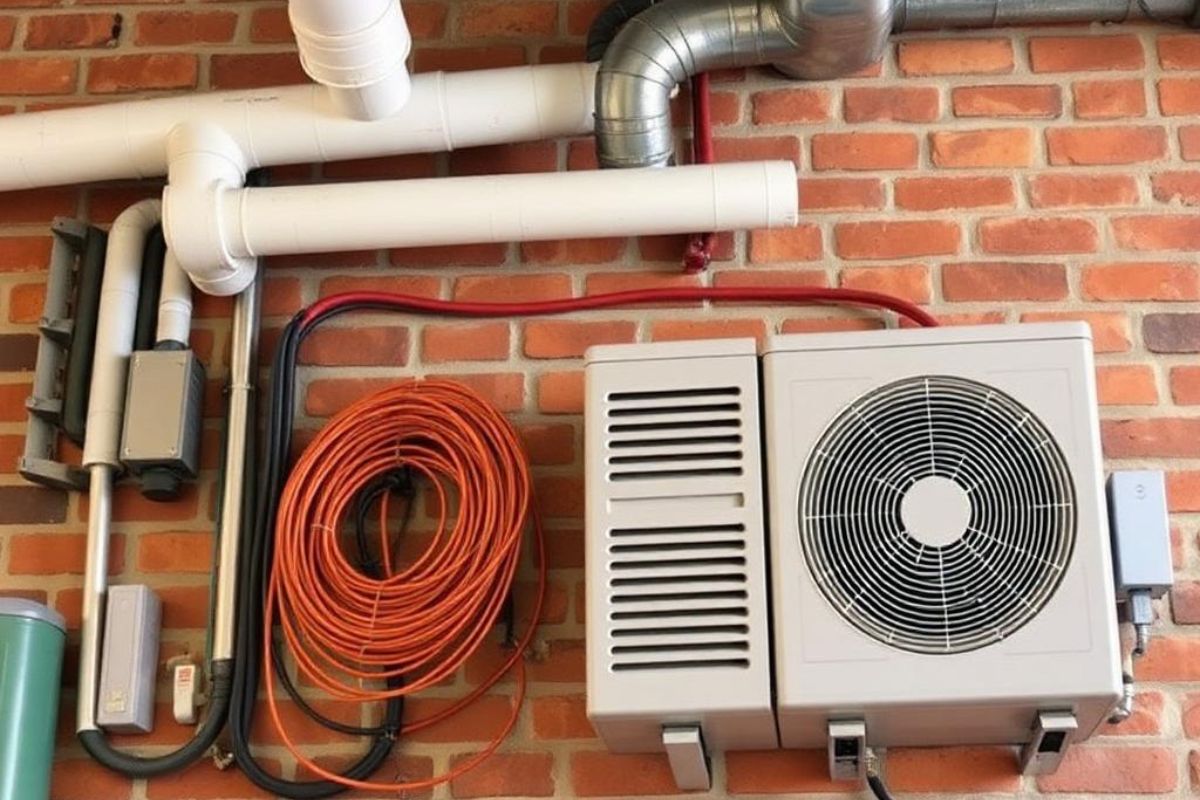
Tiny houses present unique HVAC challenges. The conditioned space is small, the insulation envelope is unusually tight, and equipment options designed for full-size homes are wildly oversized. Choosing the right system means rethinking what HVAC actually needs to do in a 200 to 400 square foot home.
Established home comfort providers like Handy Bros point out that tiny houses benefit most from equipment originally designed for hotel rooms, RVs, or single-room additions rather than scaled-down residential systems. The right small-space HVAC works quietly, efficiently, and rarely needs to operate at full capacity.
Why Are Standard HVAC Systems Wrong for Tiny Houses?
Conventional residential furnaces and air conditioners are designed for 1,500 to 3,000 square foot homes. A 30,000 BTU furnace, the smallest typically available, is dramatically oversized for a tiny house with a calculated heat load of perhaps 6,000 to 10,000 BTUs.
Oversized equipment causes problems in tiny spaces. It cycles on and off rapidly, never running long enough to remove humidity or distribute air evenly. It wastes energy through start-up surges. It produces uncomfortable temperature swings and noise that fills the entire house.
According to the U.S. Department of Energy, correct equipment sizing matters more for comfort and efficiency than equipment quality. A properly sized smaller system outperforms an oversized expensive one in every measurable way.
What Equipment Actually Suits a Tiny House?
Several equipment categories scale down well to tiny house applications.
- Ductless mini-split heat pumps. The most popular choice. A single indoor head delivers heating and cooling efficiently, mounts on a wall, and connects to an outdoor compressor through a small refrigerant line.
- PTAC units. The same equipment hotels use. Self-contained heating and cooling in a single sleeve unit that mounts through an exterior wall.
- Marine and RV HVAC. Equipment designed for boats and recreational vehicles operates at the small capacity tiny houses need and runs on standard residential power.
- Wood stoves. For off-grid or back-up use, small wood stoves designed for tiny houses provide significant heat and operate without electricity.
- Diesel or propane heaters. Compact fuel-burning units used in marine, RV, and military applications work well in tiny houses with appropriate ventilation.
- Radiant floor heating. Hydronic or electric in-floor systems provide quiet, even heat with no equipment in the living space.
The right choice depends on tiny house design, climate, power source, and how the homeowner uses the space day to day.
How Should You Size HVAC for a Tiny House?
Sizing starts with a heat load calculation, which considers wall and roof insulation values, window area, climate, and ventilation requirements. Online calculators provide rough estimates, but a qualified HVAC contractor produces the most accurate sizing.
Most well-insulated tiny houses need 6,000 to 12,000 BTUs of heating capacity. Cooling loads are typically smaller because tiny houses have less internal heat gain than full-size homes. A 9,000 to 12,000 BTU mini-split heat pump handles both heating and cooling for most tiny house applications.
According to the Air Conditioning Contractors of America, Manual J load calculations remain the industry standard for residential equipment sizing. Even tiny houses benefit from this calculation rather than installer rules of thumb.
.jpg)
What Should You Consider Before Installation?
Several practical factors affect tiny house HVAC installation that do not apply to traditional homes.
- Mobility. If the tiny house moves between sites, equipment must tolerate vibration and varying outdoor conditions. Mini-splits are generally not appropriate for frequently mobile tiny homes.
- Power source. Off-grid tiny houses on solar power need equipment with low electrical demand. Grid-connected tiny houses have more options.
- Wall depth. PTAC and through-wall units require specific wall thicknesses that may exceed tiny house wall construction.
- Outdoor space. Mini-split outdoor units need a stable mounting location with weather protection.
- Local codes. Tiny houses face varying code requirements depending on classification (RV, accessory dwelling unit, permanent residence). HVAC requirements differ accordingly.
A contractor experienced with small-space installations identifies these factors during the assessment phase and recommends equipment that matches the specific tiny house and use case.
What This Means for Tiny House Owners
- Standard residential HVAC systems are too large and inefficient for tiny houses.
- Mini-split heat pumps, PTAC units, and marine HVAC fit tiny house heat loads correctly.
- Most well-insulated tiny houses need 6,000 to 12,000 BTUs of heating capacity.
- Mobility, power source, and local codes all affect equipment selection.
- Manual J load calculations produce the most accurate sizing for any home, including tiny houses.
- Quality installation matters more than premium equipment for tiny house comfort.
Right-Sized Comfort
Tiny houses reward thoughtful HVAC selection. The correct equipment, properly installed, delivers quiet and efficient comfort that fits the lifestyle. Oversized or inappropriate equipment wastes money up front and ruins the experience of daily life in the space. Take the time to size it right, and the reward is a space that feels genuinely liveable through every season rather than just for the forgiving months in between.
FAQ
Do tiny houses need HVAC at all?
For year-round occupancy in most climates, yes. Some tiny house owners rely on portable heaters and window AC for seasonal use, but full-time residents benefit from purpose-built HVAC that handles both heating and cooling.
How much does tiny house HVAC cost to install?
A single-zone mini-split heat pump installation typically runs $3,000 to $6,000 USD, including equipment and labour. PTAC and through-wall units cost less but offer fewer features and lower efficiency.
Will a mini-split work in cold winter climates?
Modern cold-climate mini-splits operate efficiently down to minus 25 degrees Celsius and below. For the very coldest climates, a small backup heat source such as a propane heater provides additional capacity on extreme days.
Can I install tiny house HVAC myself?
Mini-splits and most installations require licensed HVAC technicians for refrigerant work and electrical connections. PTAC units and some through-wall installations may be DIY-feasible for handy homeowners with appropriate electrical skills.


.svg)
.jpg)
.jpg)