Aluminum Pergolas: Durable and Stylish Solutions for Outdoor Living

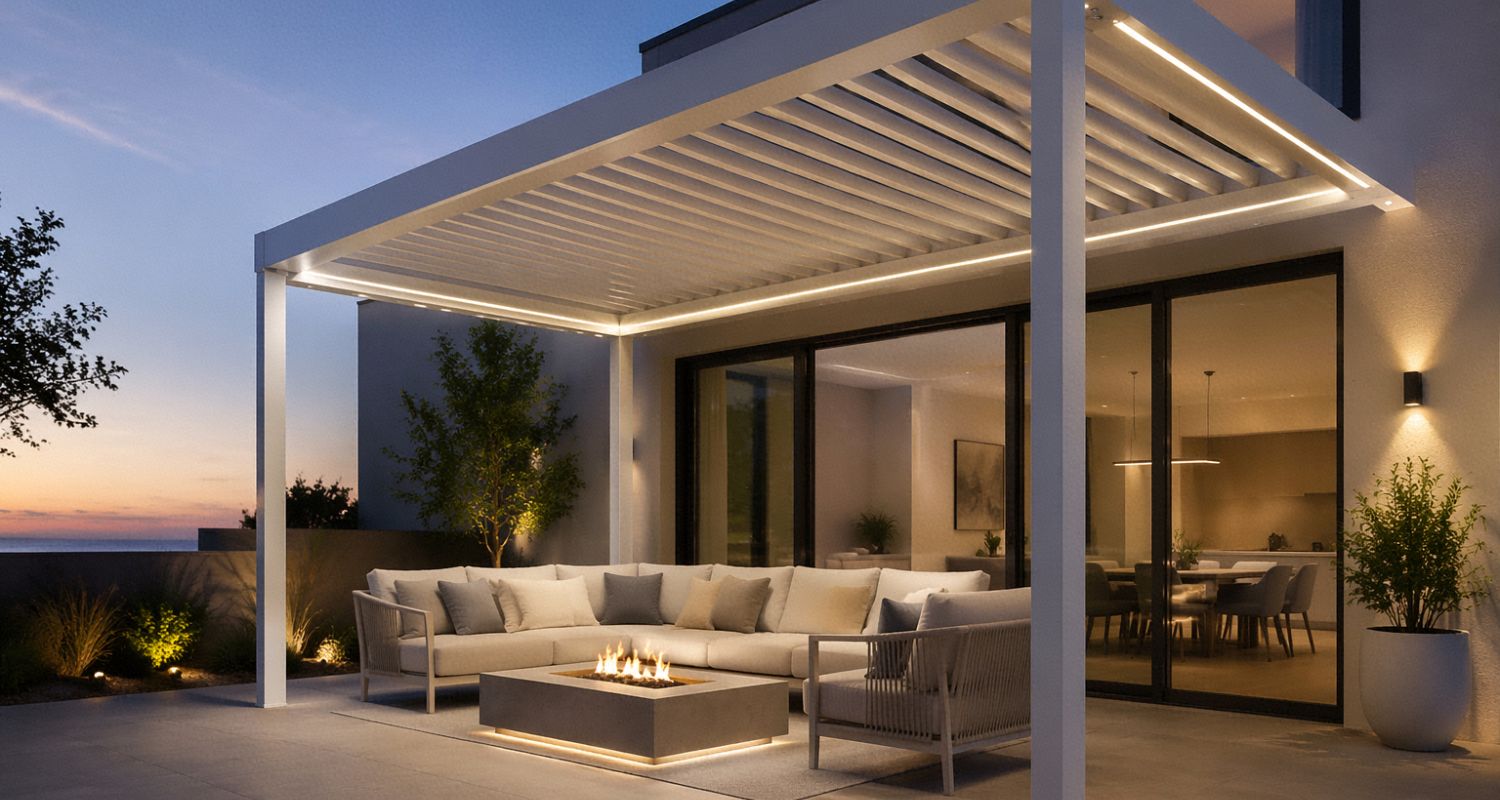
Outdoor spaces have become an essential part of modern homes, functioning as extensions of interior living areas where families gather, guests are entertained, and moments of quiet relaxation take place.
To make the most of these spaces throughout the year, homeowners need structures that can withstand changing weather while maintaining an attractive appearance. Aluminum pergolas have emerged as the leading solution in this category, combining structural strength with refined aesthetics in a way that no other material can match.
What Makes Aluminum Pergolas Popular
The growing popularity of aluminum pergolas is not a coincidence. It reflects a broader shift in how homeowners approach outdoor design — prioritizing materials and systems that perform reliably over decades rather than requiring constant attention and replacement. Aluminum sits at the intersection of practicality and elegance, offering properties that make it uniquely suited for permanent outdoor installation.
Main Features of Aluminum Construction
Key structural and finish features that define a quality aluminum pergola include:
- Extruded aluminum profiles — precisely shaped under pressure for consistent geometry and structural rigidity.
- Powder-coat finish — electrostatically applied and oven-cured for maximum resistance to UV, scratching, and corrosion.
- Integrated drainage channels — concealed within the frame to redirect rainwater silently to designated downpipes.
- Hollow cross-section profiles — provide excellent rigidity without adding unnecessary weight to the overall structure.
- Wide color range — from standard whites and anthracites to fully custom RAL shades for precise design matching.
Together, these features ensure that an aluminum pergola not only performs reliably under demanding outdoor conditions but also maintains its visual appeal for decades without requiring structural repairs or cosmetic restoration.
.jpg)
Differences Between Aluminum and Wood Pergolas
Wood has long been the traditional material of choice for garden structures, and its natural warmth and organic texture remain appealing to many homeowners. However, when evaluated objectively against aluminum, wood falls short in several critical areas that affect long-term performance and cost of ownership.
Wood is inherently vulnerable to moisture. Even when treated, wooden pergola frames absorb water over time, leading to swelling, warping, cracking, and eventually rot. This process is accelerated in climates with frequent rainfall or high humidity, and the only remedy is regular maintenance — sanding, sealing, staining, and repainting — which adds cost and effort year after year.
Advantages of Aluminum Pergolas
Beyond the material properties of aluminum itself, pergolas built from this material offer a set of practical advantages that directly improve the experience of outdoor living. These benefits accumulate over time, making the initial investment increasingly worthwhile as years pass.
Low Maintenance and Long Lifespan
Perhaps the most frequently cited advantage of aluminum pergolas is their exceptionally low maintenance requirement. Unlike wood, which demands seasonal treatment to maintain its appearance and structural integrity, aluminum requires nothing more than an occasional wash with water and mild detergent to remove surface dust and environmental deposits.
Modern Design and Versatile Applications
Depending on the intended use, aluminum pergolas are available with the following optional enhancements:
- Motorized louvered roof — adjustable slats controlled via remote, wall panel, or smartphone app.
- Integrated LED lighting — built into the frame for atmospheric evening illumination without external fixtures.
- Retractable side screens — motorized or manual, providing wind protection and adjustable privacy.
- Outdoor heating elements — mounted within the frame to extend comfortable use into cooler seasons.
- Smart home integration — compatible with Google Home, Amazon Alexa, and automated weather-response systems.
- Built-in speakers — discreetly installed within the structure for outdoor audio without standalone equipment.
Commercially, aluminum pergolas are widely used in the hospitality sector. Restaurants, hotels, and event venues rely on them to create covered outdoor seating areas that remain usable regardless of weather conditions.
.jpg)
Choosing the Right Aluminum Pergola for Your Space
Selecting the most suitable aluminum pergola requires careful consideration of several factors, beginning with the dimensions of your available space and the primary purpose the structure will serve. Measure the area carefully before making any decisions, taking into account not only the footprint of the pergola itself but also the clearance required around it for comfortable movement and visual balance relative to your home.
Consider how the pergola will be used throughout the year. If you intend to use the space primarily for dining and entertaining during warmer months, a fixed roof with optional side screens may be sufficient. If year-round use is the goal, a motorized louvered system offers the greatest flexibility, allowing you to adapt the environment to whatever conditions arise.
Conclusion: A Smart Investment for Outdoor Comfort
Aluminum pergolas represent one of the most practical and visually rewarding investments available to homeowners seeking to enhance their outdoor spaces. Their combination of structural durability, design flexibility, and negligible maintenance requirements makes them a superior choice compared to wooden or steel alternatives across virtually every measurable dimension.
Whether the goal is to create a sheltered dining terrace, a year-round outdoor lounge, or a commercial seating area that operates in all weather, aluminum delivers the performance and aesthetics to meet that ambition. The decision to install an aluminum pergola is not just an improvement to a garden — it is an upgrade to an entire way of living outdoors.


.svg)
.jpg)