
Powering Off-Grid Tiny Homes: How Private Power Pole Installation Gave Me True Energy Independence

Written by Dorothy Price
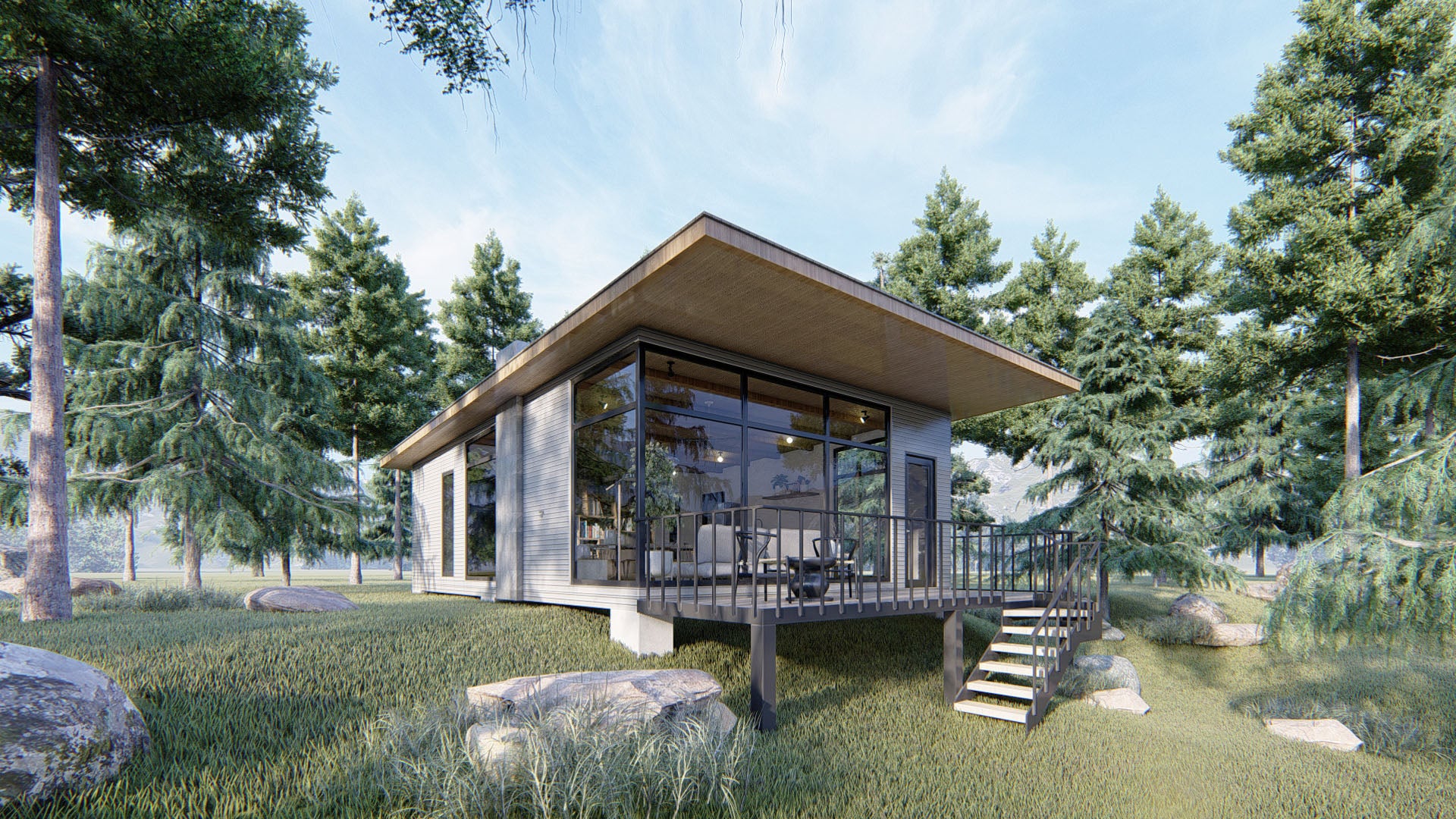
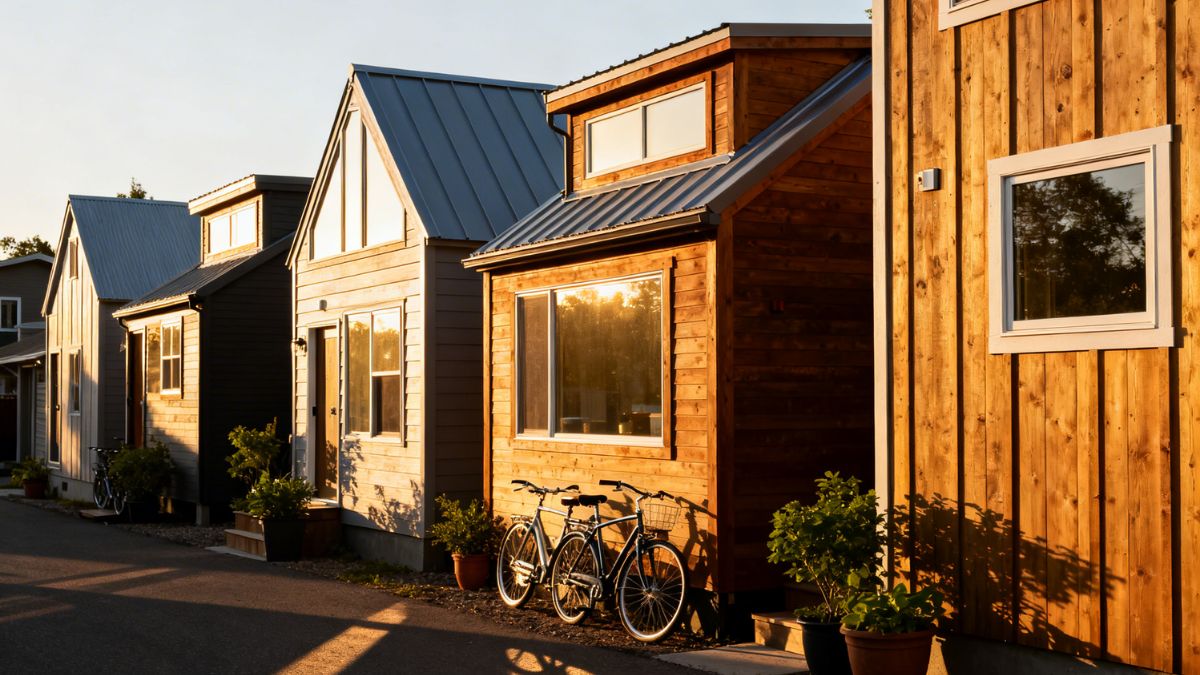
When I first made up my mind to adopt the tiny house lifestyle, what I wanted it for was clear: a more sustainable and self-sufficient way of being – without being trapped by either traditional homes or high energy prices. I wished to create a home that embodied minimalism, functionality and eco-awareness.
But as I continued the off-grid journey, it didn’t take long to figure out that one of the most difficult aspects was not downsizing—it was power. That’s when I discovered Private Power Pole Installation and it revolutionized the way I powered my new home and my approach to self-sufficient living altogether.
My Journey Toward Off-Grid Living
I had always been intrigued about living off-grid. The idea of creating my own power, harvesting rainwater and living in closer proximity to nature was inline with both my environmental values as well as the type of independence I wanted. But as inspiring as the dream was, reality had practical hurdles — particularly when it came to electricity. Most tiny-home owners use solar panels, but my land wasn’t in the best position for going completely off-grid.
I wanted something that would not only be sturdy, but also meet current safety requirements. A friend recommended the idea of looking into Private Power Pole Installation and it was one of the best steps I have ever taken.
.jpg)
Finding a Role for Private Power Poles
Before my installation, I had no idea how important power poles were in getting safe and reliable electricity to properties (including those in rural or off-grid locations). A private power pole serves as the junction point between your property and the rest of the electricity network. This infrastructure is generally addressed by the local utility in the case of traditional homes, but for an off-grid or remote home like mine, the onus falls on you. Once I put my own private pole in, I controlled where power went to and how it was dispersed within my domain. It afforded me the freedom I was looking for, knowing my set-up met safety guidelines while still following through on an aspiration of being energy-independent.
The Process of installing and what I'm taking away from it
When I first started this process, I went in advance with some licensed Level 2 guy who is both Authorized and Qualified to install your Private Power Pole. They walked me through everything, from the initial site consulting and planning process to installation and hookup. The funniest part was - you had to pick the right pole. By location or duration of use, poles are used commonly in the length range between tent poles and building support due to the fact that they are easily parted into many different lengths. After much deliberation, I decided upon a steel pole due to its longevity and minimal maintenance requirements – both of which are ideal for my remote location.
The electricians made sure everything passed local codes, that the grounding systems were correctly, and all safety clearances were adhered to. What blew me away the most was how simple it all became once professionals got involved. A short while later, I had a stable source of power that wasn’t tied to shared infrastructure or spotty grid conditions.
Energy Independence and Long-Term Benefits
Upon hooking up my private power pole, I noticed it right away on the level of privacy at which it was operating. Now I could also do a better job of controlling my power sources, plugging into the grid when necessary and using renewables like solar panels as other options. It let me manage my energy sources without worrying about having outages or surges. Best of all, I would no longer be reliant on far-off utility poles that were subject to the whims of the weather and maintenance.
I also now have a safer electrical work again. The pole was also on my property, so I didn't have trees or other structures in the way. This made it less fire hazard prone and more reliable overall. Over time I realized how much that increased the value of my property. While my tiny home was designed to be very simple, a proper and compliant power pole ensured that it would be functional (and safe).
Designing for Efficiency and Safety
Possessed with a deep respect for sustainable design, everything in the house needed to embody balance— between innovation & safety and lifestyle & environmental care. My electrician showed me how to organize the electrical wiring in order to ensure that power would flow efficiently and only meet with a minimal amount of resistance. The private power pole was integral to this. It wasn’t a mere bulletproof energy solution, it also fit beautifully with the fact that I was trying to live in this world more lightly.
The neat hookup and expert installation made sure all my electrical systems (lighting, heating, chargers) were operating at honeysucking efficiency. And it made future additions far easier. If I do want to add more solar panels in the future, or go hybrid with my energy system, [my infrastructure] is prepared for it.
What I Learned Along the Way
A major takeaway from this situation was the role of expert professionals. At the beginning, I thought about doing the settings alone to save money, but soon realized that in the world of electrical systems there is no room for cutting corners. By hiring licensed professionals it meant that life safety and long term dependability wasn't just a question of conformity. They handled everything — inspections, certifications and even reaching out the utility companies when necessary.
Another important lesson was just how much thought to power planning can affect the functionality of a home. Many tiny-home owners pay a lot of attention to interior design, space optimization and sustainability — but they can often forget about electrical planning. I find that power equipment is the foundation of a safe and comfortable off-grid lifestyle.
The Environmental Perspective
It’s important to me that I live sustainably and installing my own power pole was the perfect way to achieve this. If I could govern energy distribution and utilization on this land, waste would be minimized and my home would run well. And then it was the combination with solar which enables me to greatly minimize my carbon footprint. Now I generate and consume energy responsibly, which adds both personal freedom and environmental alacrity.
And it inspired me to be smarter in my consumption: I began to watch more carefully my own power usage and better understand how little things, like changing out lighting for LED bulbs or paying attention to how I was using appliances, really added up. I discovered, that sustainability is not about perfection; it’s more about progress and consciousness.
.webp)
Here's Why I Suggest That You Go For Private Power Pole Installation
I honestly think that every single homeowner, and particularly those wanting to live off grid or in the sticks should consider Private Power Pole Installation after going through this. It’s not just for convenience — it’s about empowerment. Being in control of your own electricity source provides flexibility, security and independence that grid-reliant systems lack. It’s an investment in your home, yes — but also in peace of mind.
It was easy working with professionals, and it brought long term gain over the short term pain. Today at my home, everything is running smoothly with a combination of renewable power and grid supply, while I have the sweet satisfaction of knowing that my setup is sustainable, legal and future proof!
Conclusion: A Foundation for Freedom
In hindsight, I considered picking Private Power Pole Installation to be one of the most transformational decisions in my journey of living offgrid. It provided me with more than just electricity — it gave me independence. The tiny home I built is now a tangible embodiment of what sustainable, independent living can be when you make smart, educated decisions. I have no more concerns for losing power or losing connection. I have the satisfaction of knowing that I created something that is genuinely self-sufficient.
If you’re thinking about powering a tiny home or rural property, I cannot stress enough how important it is to be able to “own” your electrical infrastructure. With the proper experts in your corner and a dedication to sustainable design, energy independence is more than just a dream — it’s a lifestyle you can live every day.


.svg)
.jpg)
.jpg)
.jpg)