
Short-Term vs Long-Term Lease Agreements for Tiny Homes: What to Choose?

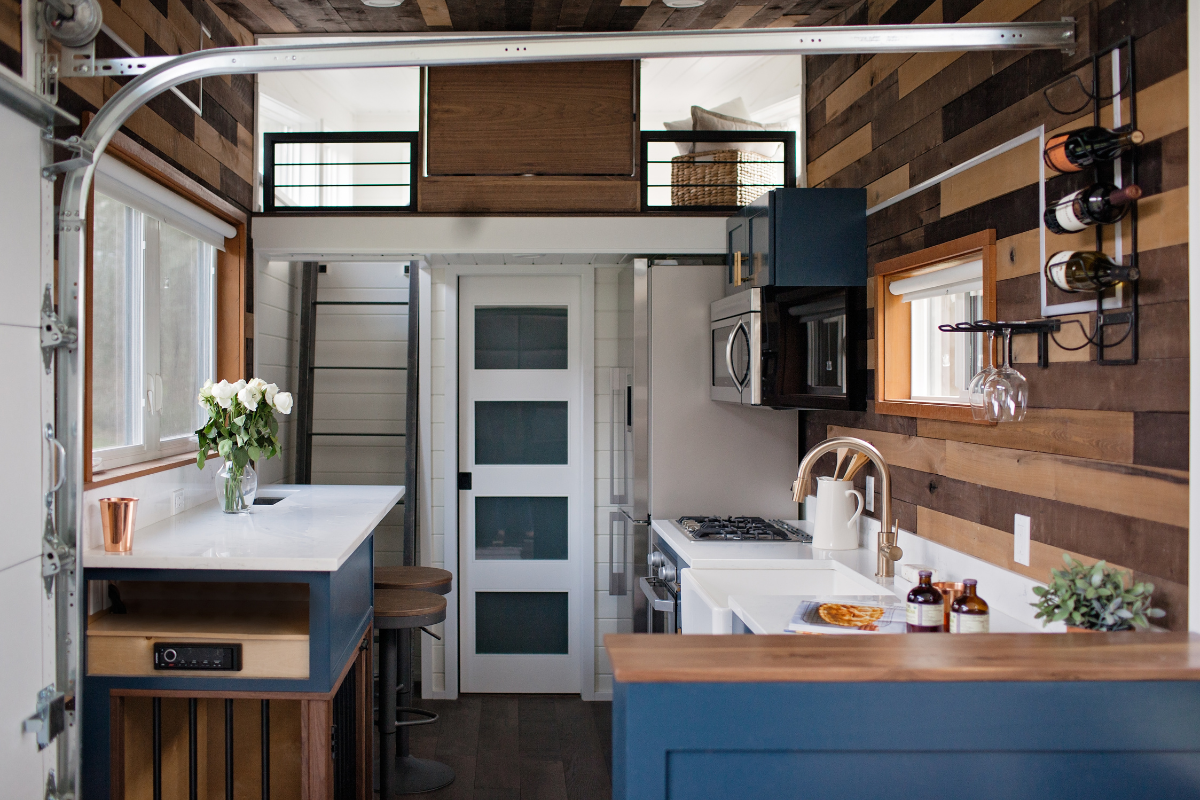
As the tiny home movement continues to grow, more people are exploring creative ways to live simply and sustainably. Whether you’re a tiny homeowner looking to rent out your space or a tenant wanting to experience minimalist living, choosing between a short-term and long-term lease can make a big difference in flexibility, finances, and lifestyle. Each option comes with its own benefits and challenges, and understanding them can help you make the right choice for your unique situation.
Understanding Lease Terms for Tiny Homes
A short-term lease usually refers to rental agreements lasting anywhere from a few nights to several months, often less than six. They’re common for vacation rentals or temporary housing. On the other hand, a long-term lease typically runs six months or more, sometimes up to a year or longer, and is designed for tenants looking for stability.
When it comes to tiny homes, this decision carries more weight because these homes often occupy unique spaces, sometimes off-grid, on private land, or in dedicated tiny home communities. According to TinyHouse.com, your lease type will depend on the home’s location, legal status, and how you plan to use it, either as a permanent residence or a rental property for travelers.
The Case for Short-Term Leases
1. Flexibility and higher income potential
Short-term leasing offers more freedom for both landlords and tenants. Owners can adjust rental rates seasonally, make improvements between guests, or switch to personal use when desired. For tenants, short-term stays are perfect for “trying out” the tiny home lifestyle without a long commitment.
Many tiny homes in scenic or tourist destinations perform well as short-term rentals. Nightly or weekly rates often exceed the equivalent of a long-term monthly rent, especially during high-demand seasons.
2. Ideal for remote or mobile setups
If your tiny home is on wheels or located in a transient-friendly area, short-term leases align with the mobile nature of these dwellings. You can move your home between locations or test new markets without being tied to a long contract.
3. Downsides to consider
Short-term leases demand more time and effort. Frequent tenant turnover means more cleaning, marketing, and administrative work. There’s also income inconsistency, as vacancies between stays can eat into profits. Regulations in some areas may also limit how often a tiny home can be rented on a short-term basis.
The Case for Long-Term Leases
1. Stable income and fewer vacancies
A long-term lease provides steady cash flow and reduces the uncertainty that comes with short-term rentals. You’ll spend less on marketing and maintenance between tenants and can build lasting relationships with reliable renters.
2. Better suited for residential living
Tiny homes located in established neighborhoods or tiny home communities are often better for long-term tenants who want to settle down. These renters may include young professionals, retirees, or digital nomads looking for affordable, sustainable housing.
3. Drawbacks to weigh
The main downside is reduced flexibility. Once you’ve signed a long-term lease, you’re committed to one tenant for the duration of the contract. You also miss out on the premium rates that short-term rentals can bring during busy seasons.
Which Option Is Best for You?
Choosing between short-term and long-term leases depends on your specific goals and the type of property you are looking for.
- For homeowners focused on profit and flexibility: Short-term leases work well if you have the time to manage them or if the home is located in a high-demand tourist area. You can adjust pricing, test markets, and enjoy personal use of your tiny home in between rentals.
- For those seeking steady returns and less hassle: Long-term leases are the better fit if you want reliable income and minimal tenant turnover. This option also makes sense in areas with strict zoning or rental restrictions on short-term stays.
Legal considerations are also important. Many cities have specific zoning laws for short-term rentals and tiny homes, so always verify local regulations before listing your property. The U.S. Department of Housing and Urban Development offers guidance on zoning classifications and small housing regulations that can help homeowners stay compliant (HUD).
Combining Both Strategies
Some owners find success blending both models offering short-term rentals during peak travel seasons and long-term leases during slower months. This hybrid approach provides flexibility while maintaining a more predictable income stream.
For example, you might rent your tiny home short-term during the summer to travelers and transition to a long-term tenant in the winter. This approach works especially well in climates with distinct tourist seasons or for owners who occasionally want to use the property themselves.
Tips for Choosing and Managing Lease Agreements
- Know your local laws: Before deciding on lease length, research zoning, short-term rental permits, and occupancy rules.
- Use clear contracts: Whether short- or long-term, outline maintenance responsibilities, rent terms, and guest policies in writing.
- Screen tenants carefully: Reliable tenants help protect your investment and reduce issues down the road.
- Calculate your costs: Consider taxes, insurance, maintenance, and vacancy rates when projecting profits.
- Stay flexible: Tiny home trends evolve quickly. Be ready to adjust your strategy based on demand and regulation changes.
Conclusion
Short-term and long-term lease agreements both have advantages for tiny homeowners and renters alike. Short-term leases offer flexibility and higher income potential, but they require active management. Long-term leases provide stability and simplicity, ideal for those who prefer predictable income and less hands-on involvement.
Your decision should align with your goals, available time, and property location. By understanding the differences and planning accordingly, you can make the most of your tiny home investment, whether it’s a cozy getaway or a full-time residence.


.svg)
.jpg)
.jpg)
.jpg)