
7 Signs Your AC Is Working Too Hard to Keep Your Home Cool

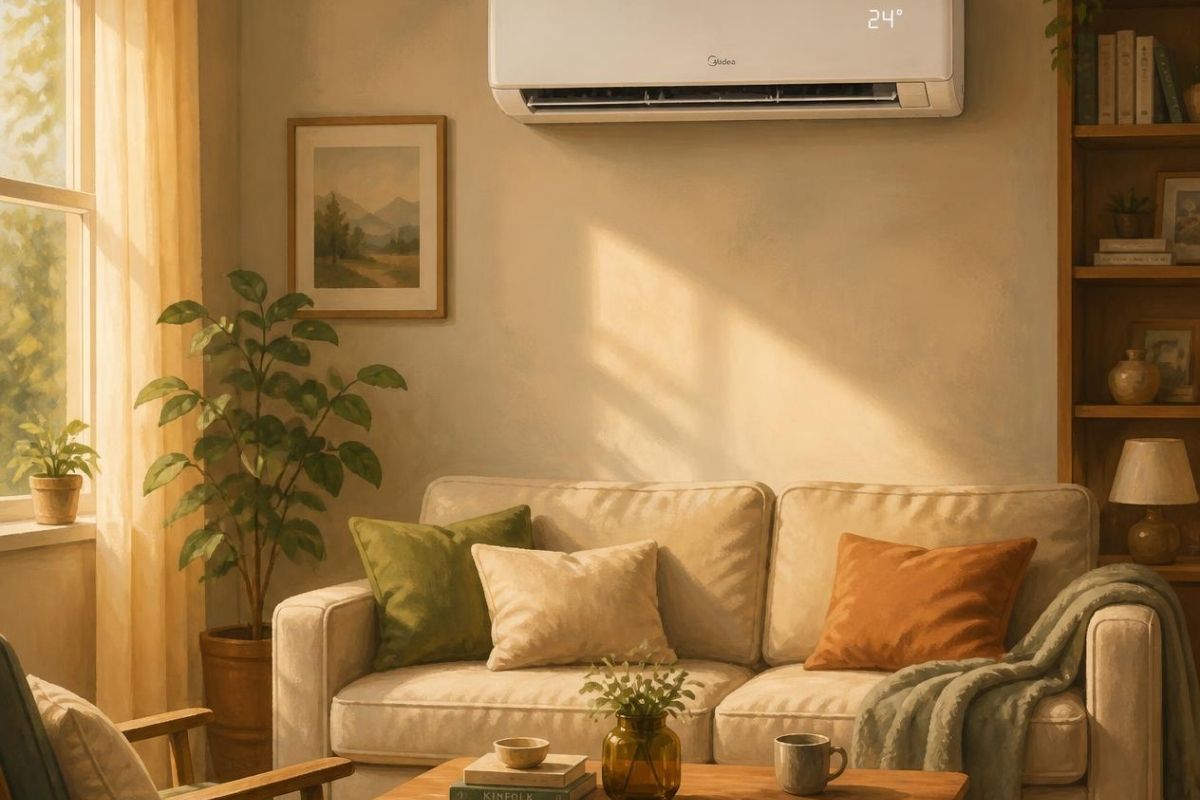
Your air conditioner is not supposed to be a background noise you notice. When it starts running longer, cooling unevenly, or pushing your energy bill higher than last summer, it is not just fighting the heat. It is signaling that something inside the system is straining. Most homeowners miss those signals until the unit quits on the hottest afternoon of the year, which is the worst possible time to find out.
The strain is not just a comfort issue, it is a cost issue. According to the U.S. Energy Information Administration, air conditioning makes up roughly 19% of household electricity use nationally, and anywhere from 12% to 27% of a monthly power bill in hot, humid climates. A system working harder than it should pushes that number up every day it runs compromised. Below are the seven signs that your AC is overworked, along with expert commentary on what they actually mean.
1. It Runs Constantly and Never Reaches the Setpoint
A healthy central AC cools in cycles of about 15 to 20 minutes, hits your target temperature, and rests. When it runs nonstop and still cannot get there, the system is at the edge of its capacity.
This is also the sign homeowners misread most often. "People assume a hard-working AC is a healthy one, but the opposite is usually true," says Michael Romshek, owner of B & W Heating & Cooling. "A properly sized unit cools in cycles and then shuts off. When it never stops running and still cannot hit the temperature you set, that is not effort, that is the system losing the race against its own limits." Homeowners in Edwardsville and the surrounding area often lean on B & W Heating & Cooling's AC services to find out whether the cause is low refrigerant, a dirty coil, or a unit simply reaching the end of its life.
2. Some Rooms Are Cold While Others Stay Warm
Even cooling across the house is what you are paying for. When the back bedrooms stay warm while the living room turns frigid, the system is straining to compensate for airflow it cannot deliver everywhere.
The usual culprits are restricted airflow, failing ductwork, or a blower that has weakened over time. The trap is cranking the thermostat down to fix the hot room, which overcools the rest of the house and piles extra runtime onto a system already under load. The fix is rarely the thermostat. It is almost always airflow.
3. Your Energy Bill Climbed Without a Change in Habits
Put this summer's bill next to last summer's. If your usage patterns are the same but the cost jumped, your AC is spending more energy to deliver the same comfort. That is the clearest financial fingerprint of a system working too hard.
The most common and most overlooked cause is a clogged air filter. The Department of Energy notes that replacing a dirty, restricted filter with a clean one can lower a unit's energy use by 5% to 15%. A choked filter starves the system of airflow, so it runs longer and draws more power to reach the same temperature. It is a few dollars in parts standing between you and a higher bill every month it goes unchanged.
.jpg)
4. It Turns On and Off Every Few Minutes
When your AC fires up, runs two or three minutes, shuts down, then restarts again and again, that is short cycling, and it is one of the most damaging patterns a system can fall into.
"Short cycling is the one I wish more people caught early," Romshek says. "Every one of those starts is hard on the compressor, and that is the most expensive part in the whole system. It usually points to low refrigerant, a frozen coil, or a thermostat problem, and it almost never fixes itself." Left alone, a repair that could have been minor becomes a compressor replacement. Short cycling also stops the unit before it can pull humidity from the air, so the house feels worse even as the equipment works harder.
5. The Airflow Is Weak or Not Cold Enough
Hold your hand near a supply vent while the system runs. You want strong, genuinely cold air. Weak airflow or air that is only mildly cool means the system is struggling to produce or move conditioned air.
Weak airflow usually traces back to a blockage or a blower problem: a filthy filter, blocked returns, or a tired blower motor. Air that moves but never gets cold points more toward low refrigerant or a dirty, iced-over coil. Neither improves on its own, and running the system in that state just adds wear while you stay uncomfortable.
6. You Hear Grinding, Buzzing, or Banging
Air conditioners are not silent, but they should be consistent. A steady hum is normal. Grinding, screeching, buzzing, or rhythmic banging is not, and those sounds usually mean a part is straining or beginning to fail.
Grinding can signal a failing motor bearing. Buzzing often means an electrical issue or a struggling compressor. Banging or clanking may be a loose component knocking around inside the unit. A system working this hard is often one part failure away from shutting down entirely, and the noise is your warning to act before that happens.
7. The House Feels Humid Even at the Right Temperature
Cooling is only half of what an AC does. The other half is removing moisture. When the thermostat reads fine but the air feels sticky and damp, the system has lost its grip on humidity.
This ties back to several of the signs above. Short cycling ends the run before dehumidification can happen. Low refrigerant and weak airflow both cripple moisture removal. As Romshek puts it, "A comfortable house is dry and cool, not just cool. When it reads fine on the thermostat but still feels muggy, the system is straining somewhere, and it is worth looking into before it gets worse."
.jpg)
What to Do When Your AC Is Straining in the Heat
One of these signs on its own is worth watching. Two or more together means the system is genuinely overworked, and that is the point to act rather than wait for a mid-summer breakdown. Start with what you control: change the filter, clear the return vents, and keep grass and debris away from the outdoor unit. If the signs continue after that, the problem is inside the system and needs a real diagnosis.
That is where a trained set of eyes pays off. A technician can measure refrigerant charge, check airflow, and inspect the coil and compressor to tell you whether you are looking at a quick repair or a system nearing the end of its roughly 15-year life. Catching a strained AC early keeps your bills lower and your equipment running years longer. If your unit is showing these signs heading into peak season, a tune-up or diagnostic now is far cheaper than an emergency call in August.
FAQ
How do I know if my AC is working too hard or just running hard because it is hot outside?
Long runtimes are normal on very hot days, since a residential AC is built to cool to about 20 degrees below the outdoor temperature. The warning sign is when it runs constantly and still cannot reach a reasonable setpoint, or when you also notice higher bills, weak airflow, short cycling, or lingering humidity. One long cycle on a 100-degree day is fine. A pattern of struggle on normal days is not.
Can a dirty air filter really overwork my AC?
Yes, and it is the most common cause people ignore. A clogged filter restricts airflow, so the system runs longer and uses more power to hit the same temperature. The Department of Energy estimates a clean filter can lower energy use by 5% to 15% compared with a dirty one. Check it monthly during cooling season and replace it when it looks gray and dust-loaded.
Is short cycling something I should worry about?
Yes. Short cycling wears out the compressor through constant hard starts and stops the system before it can remove humidity. Sometimes the fix is simple, like a fresh filter or a thermostat correction, so start there. If the pattern continues, it usually means low refrigerant or a frozen coil, and it needs a technician before the damage adds up.
How long should a central air conditioner last?
Most central AC systems last around 15 years, though heavy use in hot climates shortens that and regular maintenance extends it. If your unit is past a decade, straining more each summer, and needing frequent repairs, replacing it can be more cost effective than continuing to patch a system that loses efficiency every year.
Should I call a professional or try to fix it myself first?
Handle the basics yourself: replace the filter, clear the vents, and clean around the outdoor unit. Those steps solve a surprising number of strain issues. Anything involving refrigerant, electrical components, or the compressor should go to a licensed technician, since those repairs require tools, training, and diagnostics most homeowners do not have.


.svg)
.jpg)
.jpg)
.jpg)
.jpg)