Smart Renting for Small Homes: Property Management Tips for Owners

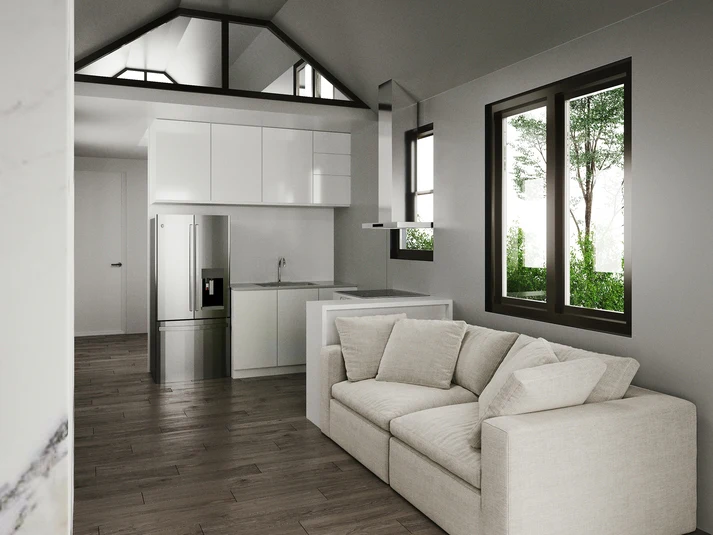
Tiny homes rent well when they’re easy to use. The challenge is that “easy” takes planning: small spaces magnify wear, utilities are often non-standard, and guest mistakes (or unclear instructions) create outsized problems.
That’s why many owners bring in property management—someone to keep the place guest-ready, handle maintenance, and run the day-to-day without constant back-and-forth. Some owners work with a local caretaker; others use specialist teams like First Class Property Management when they want a structured process in a specific market.
If you’re renting out a small home (tiny house, cabin, studio, ADU, or micro-retreat), here are practical management tips that keep operations smooth and protect the property.
Start with the “can this be rented?” basics
Before you think about styling or pricing, lock down the basics that trip tiny-home owners up:
- Where it can sit and who controls the land (lease terms, driveway access, shared gates)
- Rules that apply to the address (zoning, HOA, short-stay limits, parking restrictions)
- Occupancy and noise expectations (small homes create neighbor issues faster)
- Waste and water requirements (septic capacity, composting rules, greywater handling)
A property manager can’t fix a site that’s not set up for rentals. Get these answers first, then build the operations around them.
Make your house rules do more work
Tiny-home rules shouldn’t read like a novel. They should prevent the predictable problems:
- Parking and turning instructions (where to stop, what not to block)
- What goes down drains (especially for septic/composting setups)
- Heating/cooling guidance (what’s normal, what to avoid)
- Fire and cooking rules (propane safety, outdoor fire policies if relevant)
- Quiet hours (small walls, close neighbors)
Your manager’s job is to enforce these consistently and keep guest communication clear and calm.

Utilities and “small system” issues to plan for
Tiny homes often fail at the utility layer. A strong manager creates a simple reference guide and checks the same points regularly:
- Water: shutoff location, leak checks at fittings, winterisation steps if applicable
- Waste: septic schedule / tank alarms / composting instructions, what causes backups
- Power: breaker map, GFCI testing, extension-cord policies (ideally none)
- Propane: tank location, detector checks, who can change tanks and how it’s logged
- HVAC: filter changes, drainage line checks (a common source of moisture issues)
When these are documented, you avoid “mystery problems” and reduce emergency callouts.
Turnovers that don’t damage the space
Turnovers are where tiny homes get worn out—mostly from rushed cleaning and heavy-handed resets. A good manager standardises:
- A cleaning method by surface (so you don’t scratch counters or dull finishes)
- A “reset list” that’s short (linens, trash, inventory, quick visual checks)
- Photo documentation after each turnover (small spaces make damage easy to spot early)
- A restock minimum (coffee/tea, soap, paper goods—whatever you promise guests)
For small homes, consistency beats intensity. You want the same clean standard every time, not occasional deep cleans that miss the basics.
A maintenance rhythm that fits small properties
Tiny homes benefit from frequent, light-touch checks rather than big reactive fixes. Your manager’s routine should include:
- Moisture checks (under sinks, around the shower, near AC drainage)
- Door/window seals (drafts, condensation, water intrusion)
- Roof and gutter glance (even small roofs can leak fast)
- Safety devices (smoke/CO detectors, extinguisher status)
- Loose hardware (steps, railings, ladders—small loosening becomes unsafe quickly)
Ask any manager you hire: “What do you inspect monthly, and what gets documented?” If they can’t answer clearly, you’ll feel it later.

Reporting that’s actually useful to owners
For tiny-home rentals, reporting should stay simple:
- what was fixed
- what it cost
- what’s coming up (service intervals, replacements)
- anything that signals a pattern (repeat drain issues, frequent HVAC trouble)
Short, consistent updates beat long summaries. You’re looking for fewer surprises, not more reading.
Dubai owners: align the workflow to your use case
If your small home is operated in Dubai, your manager should be clear about which process applies to your situation.
- Long-term tenancy: Dubai Land Department provides e-services to register or renew tenancy contracts via Ejari.
- Short stays / holiday homes: Dubai’s Department of Economy and Tourism states that apartments and villas must be registered and approved prior to listing, with permits handled through its holiday home process.
So if you’re choosing a property management company in Dubai, keep the questions operational:
- Which registrations/approvals do you handle (and what do you need from the owner)?
- What’s the timeline and document checklist?
- How do you run inspections and close-outs (photos, logs, vendor notes)?
- What’s your escalation rule for urgent issues in a small property?
What to remember
Tiny-home rentals run best when they’re treated like a simple system: clear rules, documented utilities, consistent turnovers, and small maintenance checks done on a schedule. A good property manager protects the space by keeping standards repeatable—so the home stays guest-ready without turning ownership into a constant maintenance thread.


.svg)