The Tiny House Movement Explained: Why More People Are Downsizing

.jpg)
You’re seeing more people embrace the tiny house movement because it offers a way to simplify your life, cut unnecessary costs, and reduce your environmental impact. By downsizing, you can declutter, spend less on bills, and focus on what matters most. Tiny homes use space creatively and encourage mindful, intentional living. There are financial savings, sustainability perks, and unique design choices to explore—if you’re curious how others make it work, there’s much more to discover.
- The tiny house movement promotes minimalism, prioritizing quality and intentional living over excess possessions and space.
- Downsizing offers substantial financial benefits, including lower home costs, reduced utilities, and minimal maintenance expenses.
- Tiny homes are environmentally friendly, consuming fewer resources, less energy, and supporting sustainable lifestyles.
- Living small encourages mindfulness, easier maintenance, and more free time for relationships and personal interests.
- Many are attracted to tiny living for its flexibility, creative use of space, and the potential for greater financial and lifestyle freedom.
Defining the Tiny House Movement
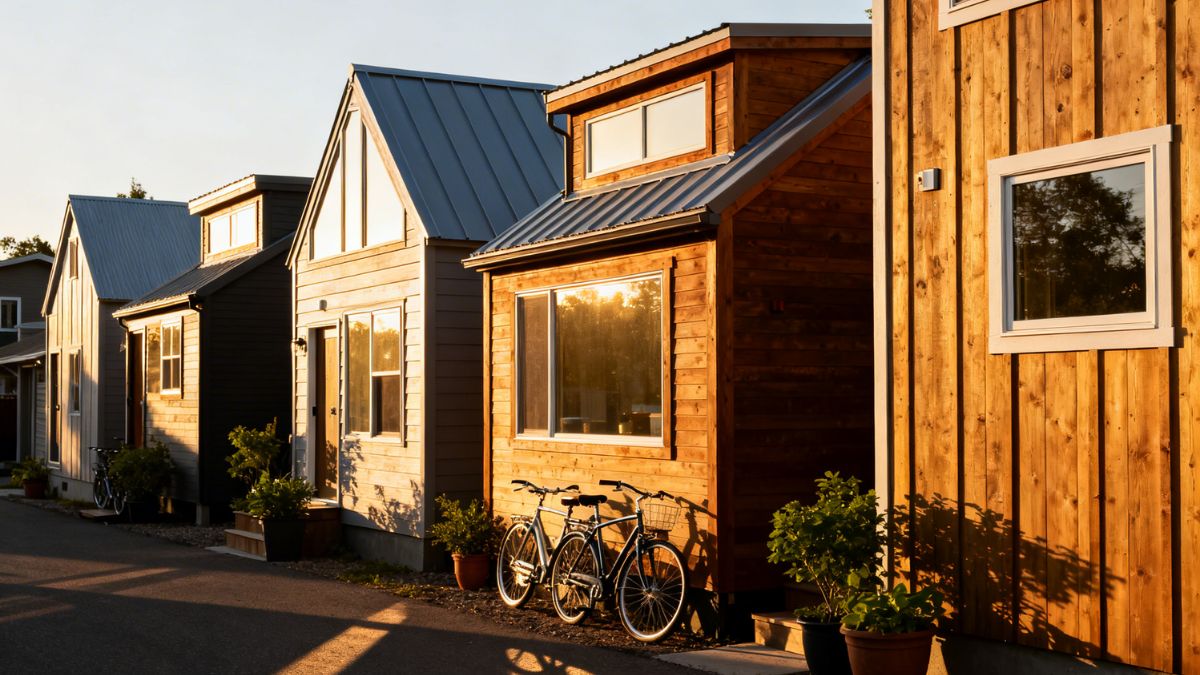
Minimalism drives the tiny house movement, which centers on living in homes typically under 400 square feet. When you join this movement, you focus on simplifying your living space and embracing a lifestyle that values quality over quantity. Tiny houses come in many forms—stationary structures, homes on wheels, and even converted shipping containers. You’ll notice creative uses of space, multifunctional furniture, and smart storage solutions that let you make the most of every square foot.
Key Motivations for Choosing a Smaller Space
While tiny houses offer clever design and efficient use of space, many people are drawn to them for reasons that go beyond aesthetics. When you choose a smaller space, you’re often seeking a simpler, less cluttered lifestyle. Downsizing means you can focus on what truly matters, letting go of excess possessions and distractions. You’ll find it easier to maintain your home, freeing up time and energy for hobbies, relationships, and experiences.
Living tiny encourages you to be mindful of your needs versus wants. It can also foster a deeper connection to your environment—tiny homes are often designed with sustainability in mind, using fewer resources and promoting eco-friendly habits. Ultimately, you’re choosing intention over excess, making your space reflect your values and priorities.
Financial Benefits of Tiny Living
Because tiny homes require fewer materials and less land, they often come with a much lower price tag than traditional houses. You’ll find yourself spending less on your initial purchase, construction, and property taxes. Monthly utility bills also drop considerably since you’re heating, cooling, and powering a much smaller space. Without the burden of a hefty mortgage, you can free up your budget for travel, hobbies, or saving for the future.
Maintenance costs are lower, too—fewer rooms mean less upkeep and fewer repairs. If you’re worried about debt, tiny living offers a practical way to avoid or escape it. Many people even manage to own their homes outright. In short, embracing a smaller footprint can give you greater financial freedom and peace of mind.

Environmental Advantages of Downsizing
Saving money is just one part of the tiny house appeal; living smaller also means making a positive impact on the planet. When you choose a tiny home, you dramatically reduce your energy use. Less space means lower heating, cooling, and lighting needs, which shrinks your carbon footprint. You’ll also use fewer building materials, which helps conserve resources and reduces construction waste. Water consumption drops because tiny homes often feature efficient fixtures and appliances. With a smaller home, you’re less likely to accumulate unnecessary possessions, cutting down on waste and overconsumption. Many tiny homeowners even opt for solar panels, composting toilets, and rainwater collection, further lessening their environmental impact. Downsizing isn’t just about living with less—it’s about living responsibly.
Designing for Function and Style in Tiny Homes
Though tiny homes offer limited square footage, smart design choices can make every inch count. By choosing multi-functional furniture—like a sofa that converts into a bed or a table that folds away—you maximize both living space and comfort. Built-in storage under stairs, benches, and beds keeps clutter at bay and makes organization easy. You'll want to embrace vertical space with shelves and hanging racks, allowing you to store more without crowding floor areas. Large windows and light colors create an open, airy feel, preventing the space from feeling cramped. Personal touches, such as unique fixtures or custom décor, add style without sacrificing function. With careful planning, you can enjoy a stylish, efficient home that meets your needs and reflects your personality.

Common Challenges and How to Overcome Them
Creative design can make tiny homes both beautiful and practical, but living small comes with its own set of hurdles. One major challenge is storage—you’ll need to pare down and get creative with hidden compartments and multi-use furniture. Limited space can also lead to clutter, so maintain strict organization habits and regularly reassess what you truly need. Privacy is another concern; use curtains, sliding doors, or clever room dividers to carve out personal space. If you’re worried about temperature control, invest in quality insulation and efficient heating and cooling systems. Finally, zoning laws and finding a legal spot to park or build your tiny home can be tricky, so research local codes thoroughly before making the leap. Planning ahead makes all the difference.
Community and Social Aspects of Tiny House Living
Many tiny house dwellers discover that downsizing isn't just about living with less—it's also about building stronger connections. When you join a tiny house community, you quickly notice how neighbors become friends, sharing resources, tools, and even meals. The close proximity means you'll have more frequent interactions, making it easier to build trust and foster support.
You'll often find that these communities value collaboration and shared values, like sustainability and minimalism. Events such as communal dinners, workshops, and group projects are common, so you'll rarely feel isolated. Living small encourages you to spend more time outdoors and engage with others, transforming daily routines into social opportunities. Ultimately, tiny house living can lead to a richer, more connected lifestyle, grounded in real relationships.
Legal and Zoning Considerations
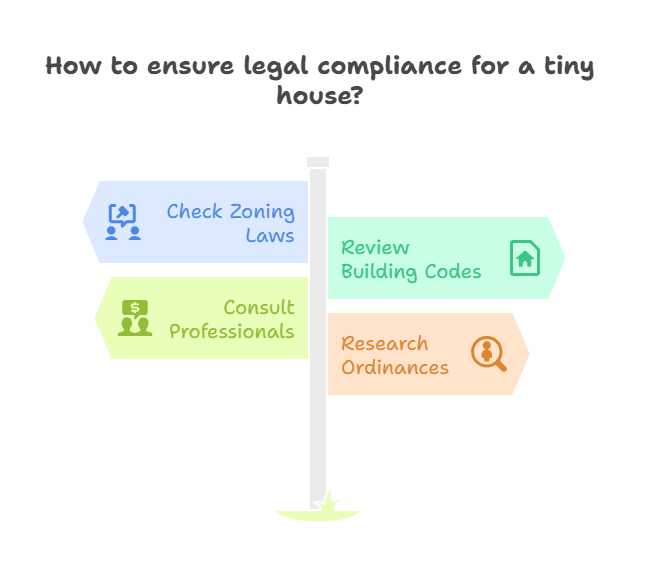
Before you settle into a tiny house, it’s essential to understand the legal and zoning hurdles you might face. Not every city or county welcomes tiny homes, and regulations can vary dramatically between locations. You’ll need to check local zoning laws—some areas require minimum square footage for homes or restrict where you can place a tiny house, especially if it’s on wheels. Building codes may dictate safety features, plumbing, and electricity standards, so compliance isn’t optional. Permitting processes can be lengthy, and some places classify tiny homes as RVs, which limits permanent residence. Do your homework: contact local officials, research ordinances, and, if needed, consult a professional. Taking these steps guarantees your tiny house adventure starts on solid legal ground.
Is a Tiny Home Right for You?
While the allure of downsizing appeals to those craving simplicity, a tiny home isn’t the perfect fit for everyone. Before you take the plunge, consider your lifestyle and daily needs. Do you thrive in minimal spaces, or do you need room to spread out and entertain? Tiny homes demand smart storage, frequent decluttering, and a willingness to live with less. If you work from home, think about whether you’ll have enough space for productivity. Pets, hobbies, and family size also play a role—tiny living requires compromise. Evaluate your comfort with limited privacy and close quarters. If you value flexibility, lower expenses, and a lighter environmental footprint, a tiny home could be right for you. If not, you might feel restricted.
Conclusion
Embracing the tiny house movement means rethinking what you truly need. By downsizing, you'll save money, reduce your environmental impact, and discover creative ways to make a small space feel like home. Sure, there are challenges—legal hurdles and lifestyle adjustments—but a supportive community and smart design can help you thrive. If you’re craving simplicity, flexibility, and a fresh perspective on living, a tiny home might just be the perfect fit for you.


.svg)
.png)
.jpg)