The Tiny Homeowner's Guide to Roof Maintenance: How to Protect Your Investment Long-Term


The concept of tiny houses represents yet another case where the efforts of decades have paid off, as this idea is considered the embodiment of the dream of minimalist housing. However, like any other form of construction, this one needs some financial investment which you would want to ensure the protection from possible negative factors. The first thing to think about is the protection for your roof, since it serves as the primary source of defense against rain, sun rays, high temperatures, cold, wind, and many more. However, in contrast to other parts of your tiny home, it does not receive too much consideration until something goes wrong.
Fortunately, taking care of the roof of your tiny house is not difficult at all. What you need is a set of simple skills and understanding of the basic principles of identifying problems and preventing their development. This article provides valuable tips on everything related to roof management. From basic techniques to inspection process, from draining and maintenance procedures for various materials to those times when you should leave the job to the experts.
Why Tiny Home Roof Needs Special Care
First, it is worth highlighting why it is crucial to pay extra attention to the roof of a tiny home compared to any regular roof.
Higher vulnerability to water intrusion. For example, a regular roof might take months before water starts leaking through it. The tiny home, however, has less area to accommodate such leak; as a result, intrusion occurs faster and damages insulation layers much faster.
Limited options when it comes to weight. As mentioned above, the main feature of tiny houses on wheels is limited space and weight capacity. In order to build a roof that will fit into the budget and meet safety norms, you must choose light roof materials, which means you'll need to give them extra maintenance care.
Disruptive nature of a tiny roof replacement. A regular roof is easier to replace due to the smaller amount of space to work on. In contrast, tiny roof replacement would mean serious interruptions in your life. Proper maintenance helps extend roof life and avoid this issue for longer.
Difficulty of inspecting a tiny home roof. Depending on a specific configuration and size of a tiny home, roof can be hard to approach. This makes people neglect roof inspections.
Consistent maintenance saves homeowners a lot of money and trouble. According to multiple studies, up to 85 percent of emergency repair calls can be prevented and a roof's lifespan can be extended for 5-10 years with timely maintenance alone.
When to Hire a Professional
While DIY culture dominates in the tiny home movement, sometimes, getting a specialist involved is better than doing things yourself. Simple tasks such as gutter cleaning, repairing damaged shingles, tightening fasteners, resealing the flashings, and inspecting the roof are doable with proper safety measures.
There are several cases when hiring a professional provides a better return on investment than the price tag implies.
First, if your house has gone through a storm and you suspect some damage; second, if you notice water staining inside and softening of ceiling materials; third, if your roof has reached the end of its life expectancy for the used materials; finally, if you are thinking about upgrading your roof (for example, adding solar panels).
In case your tiny house will stay in Texas, contacting a roofing contractor in Austin TX will help you reap more benefits. Austin's climate includes extremely hot summers with regular temperature peaks exceeding 100 degrees Fahrenheit, hail storms, and sudden flash floods that can reveal vulnerabilities in your roof drainage system. Therefore, having someone who knows your local weather patterns assess the condition of your roof helps you make the right choice of materials and maintenance methods.
How to Do Roof Maintenance Correctly: Basic Guidelines
Knowing how important roof maintenance is, it becomes crucial to learn how to perform it right. However, each type of material requires specific attention and measures.
Metal Roofing
Metal roof is the most popular option for contemporary tiny roofs for a simple reason: it is lightweight, durable, and sheds water effectively if applied on a properly designed slope. Metal roof has three basic problems: deteriorating fasteners (screws or clips), damaged coating, and sealing issues. Pay attention to those.
Asphalt Shingles
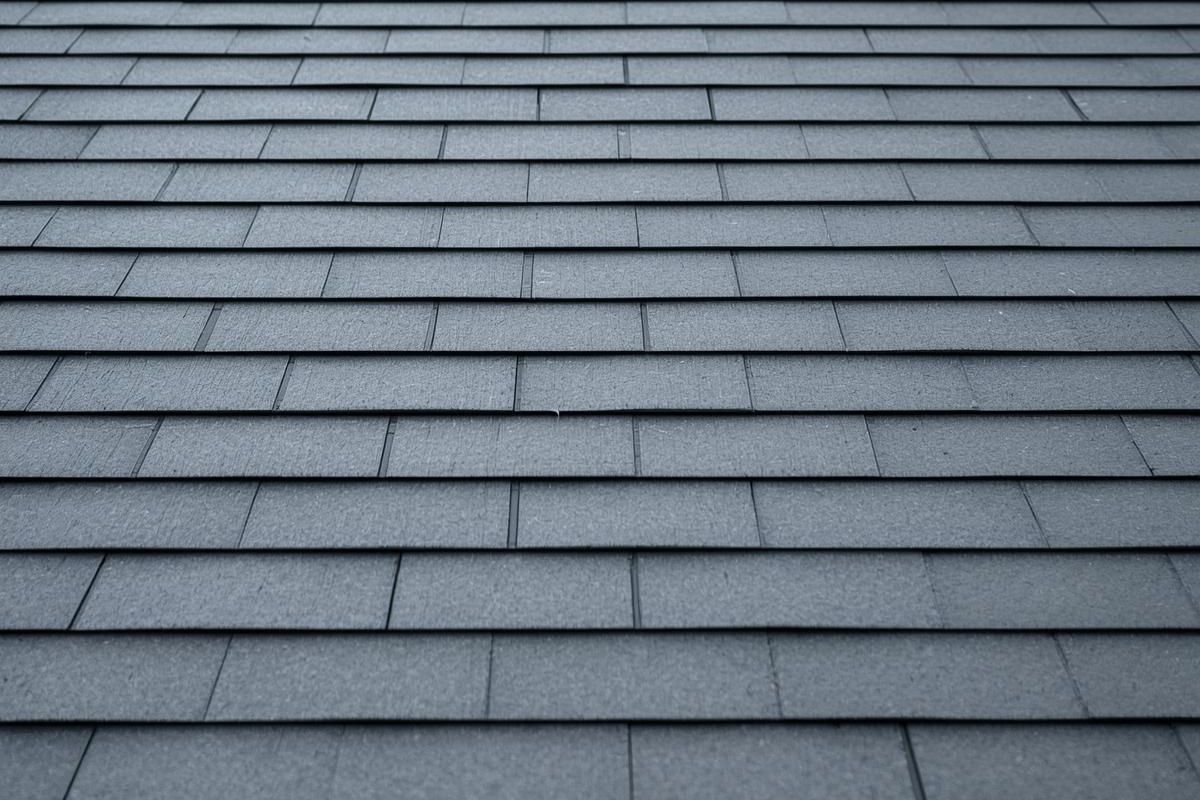
Asphalt is another roofing material many people use to cover tiny houses – usually ones without wheels. Asphalt shingles are cheap and easy to install DIY but harder to maintain because they are susceptible to damage. First problem is the loss of granulation which is evident in dark spots in gutter. Another problem is shingle curling and cupping, caused by excessive temperature. Finally, shingles crack with time due to temperature fluctuation, wind force, and other damaging factors.
EPDM Rubber Membrane
EPDM rubber is used for flat or low-sloped roofs. The biggest problem of this material is seams and terminations. Membrane itself is durable but the points where it ends (e.g., where membrane meets wall or vent pipe) could have problems due to sealants wear out.
TPO Membrane
TPO membrane, just like EPDM one, requires paying attention to seams where two pieces of membrane overlap. Besides, this membrane tends to become discolored and cracked because of exposure to UV rays.
Wooden Shingles
Cedar shingles and wood shakes are popular due to their aesthetic qualities and warmth. However, it takes effort to preserve wooden roof: it needs special treatment to prevent splitting and decay in moisture-rich conditions.
Inspection Routine: What to Check and When
Regular visual inspection of your roof is hands-down the number one habit to develop when it comes to roof maintenance. As a rule of thumb, the minimum number of inspections should take place twice per year for tiny homes: in the spring after the long winter period, and again in the fall – right before storm season. Any major weather event also requires a special check-up.
Ground level inspection checklist:
Begin your inspection without mounting your roof. All you need is a pair of good binoculars and a bright sunny day. First, try to detect any misplaced, raised, or missing shingles or metal panels. Second, look at the overall shape of your roof. If it has some sagging parts, then you should be ready to fix some serious issues with your tiny house structure. Check whether your gutters have any stains that can indicate that they are leaking and water flows through them.
Roof level inspection checklist:
Should you be able to walk on the roof of your home, put on suitable footgear and employ the services of a good ladder that is safe and stable. It would be wise to avoid putting any weight on parts of your roof that could be sensitive like asphalt tiles when exposed to extreme weather conditions. Ensure there are no loose pieces of the flashing material near penetration points, such as vent pipes and chimneys. These points are known as one of the main sources of roof leaks. In addition, inspect the condition of flashing material, making sure everything is sealed tightly.
Interior inspection:
At times, the interior part of your home will reveal something you might not see when doing an exterior inspection. You should begin by checking whether there are stains or discolorations or any dampness on your ceilings. Should your small house have an attic, you should check the underside of your roof for presence of any water, mold growth, and even daylight coming through.
Drainage and Gutters: What You Often Forget About
.jpg)
Many homeowners often underestimate water management, but it is an absolutely crucial aspect of roof maintenance. Contrary to popular belief, despite the fact that roof surface areas of tiny homes are relatively small, they do present a huge challenge when it comes to drainage and its management. Concentrated flow of rainwater from your roof leads to increased erosion risk or leakage, and consequently to moisture accumulation and possible wall and foundation damage.
Proper dimensions of gutters are essential when it comes to water management. Since tiny houses have substantially smaller roof surface areas compared to typical houses, large gutters are completely unnecessary as well as heavy. 3- or 4-inch K-style gutters made of aluminum or vinyl usually do the job perfectly well. Besides, ensure that downspouts divert all water flow at least 3 feet away from your house foundation.
At least twice a year you should clean all debris from your gutters, make sure there is no sag or separation between gutters and roof line, and water moves freely through your gutter system. Installing guards to protect your gutters from leaves and branches significantly decreases cleaning effort, so you better invest in this equipment. In the case of non-gutter tiny homes, check the grade of the ground near your house walls regularly.
Maintenance Specifics by Climate
Your location affects the maintenance your tiny home requires.
In areas with lots of sun and heat, virtually every kind of roofing material will experience accelerated UV degradation. In high temperatures, asphalt shingles can degrade 20-30% faster compared to moderate climates. Pay special attention to the condition of granules on your roof and consider using reflective coatings.
Areas subject to strong storms need extra care post-event. While hail is not always evident from the ground and does not result in leaking at the moment, it weakens the integrity of the roof material so that further weather exposure damages it much quicker.
There is a possibility that ice dams may occur when it comes to regions that have snow and low temperatures. This is due to the fact that melting occurs from the warm parts of the roof and its freezing takes place at its lower part. In case you own a small home, which has metal roof, there is an increased chance for snow to slide off the roof, assuming that your roof is partly steep.
The higher humidity and precipitation lead to the increase of mosses, algae, and lichens growing on the roof surface. All this biological activity contributes to moisture being accumulated in these materials and leads to their deterioration. If you have metal roof, one can try placing some zinc or copper strips at the ridge line without using any chemicals.
Creating Maintenance Schedule
Based on the information provided by the Insurance Information Institute, almost 24 percent of homeowners’ insurance claims deal with water damages and freezing issues. Hence, taking care of your roof and drainage system will be very necessary if you own any house that can be damaged by any fault to its roof. This precaution is very significant in regard to tiny houses since repairs in emergency situations often cost much more than regular repairs relative to the total cost of the house.
Consistent maintenance is more efficient than occasional intensive maintenance. Creating a schedule for your roof maintenance is quite straightforward with the help of an annual calendar.
Spring (March-June): Thorough roof inspection after the winter season. Cleaning of all gutters and downspouts. Inspection of the condition of flashing components. Checking if any ice or frost damage has occurred to sealant materials.
Summer (July-August): Checking if roof materials suffer heat damage. Looking for granule shedding after heavy rain showers. Checking roof ventilation operation if your design features it.
Fall (September-November): Pre-winter roof inspection. Cleaning out gutters from fallen leaves. Checking that all downspouts drain freely. Re-sealing all roof penetrations showing minor separation before freezing starts.
Post-storm inspection: Focusing on flashing, fasteners, and all areas of the roof exposed to impacts.
Keep a record in the form of photos during all inspections. This way, changes occurring gradually will become more noticeable when comparing photos taken six months apart.
With proper roof maintenance, the longevity of your roofing materials is likely to equal the specified lifetime value. Ignored roof issues lead to earlier roof replacement and thus higher costs for tiny home owners.


.svg)
.jpg)