How to Insulate Tiny House Roofing for Year-Round Comfort

Tiny houses have become increasingly popular as more individuals and couples seek affordable, flexible living solutions. One of the critical aspects of building a tiny house is ensuring that it is well-insulated, particularly when it comes to roofing. Proper insulation not only enhances comfort but also improves energy efficiency, making it essential for year-round enjoyment. This article will explore the best roofing materials for tiny houses, and their respective pros and cons.
Understanding Tiny House Roofing Insulation
Insulating the roofing of a tiny house is vital for maintaining a comfortable indoor climate. The roofing structure is often exposed to extreme temperatures and weather conditions, which can lead to heat loss in winter and overheating in summer. Effective insulation can help regulate these temperature fluctuations, ensuring that the living space remains cozy without excessive energy consumption.
When considering insulation options for tiny house roofing, it is important to understand the different types of insulation materials available. Each type has unique properties that can affect energy efficiency, moisture control, and overall comfort. Additionally, the choice of roofing material plays a significant role in the insulation process.
Types of Insulation Materials
There are several insulation materials commonly used in tiny house roofing, including:
Fiberglass Batts: These are one of the most popular insulation options due to their affordability and effectiveness. Fiberglass batts are easy to install and provide good thermal resistance. However, they can be susceptible to moisture if not properly sealed.
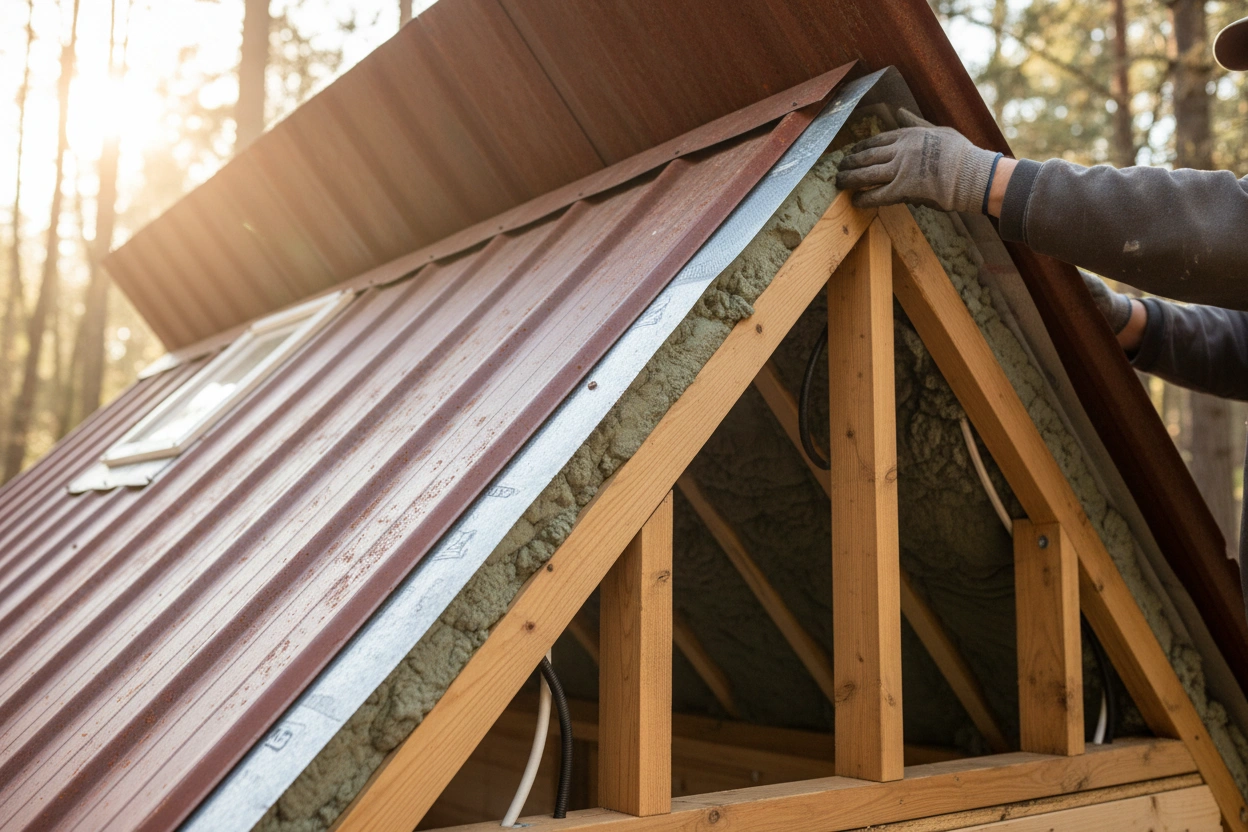
Spray Foam Insulation: This type of insulation expands upon application, filling gaps and cracks effectively. Spray foam provides excellent thermal resistance and moisture control, making it ideal for tiny house roofing. The downside is that it can be more expensive and requires professional installation.
Rigid Foam Board: Rigid foam board insulation is lightweight and provides high thermal resistance. It is often used in conjunction with other insulation types to enhance overall effectiveness. However, it can be challenging to fit into irregular spaces.
Reflective or Radiant Barrier: This material reflects heat away from the living space and is particularly useful in hot climates. It works best when installed in combination with other insulation types.
Top Roofing Materials for Tiny Houses: Pros and Cons

Choosing the right roofing material is crucial for effective insulation and overall performance. Here are some of the best roofing materials for tiny houses, along with their advantages and disadvantages.
1. Metal Roofing
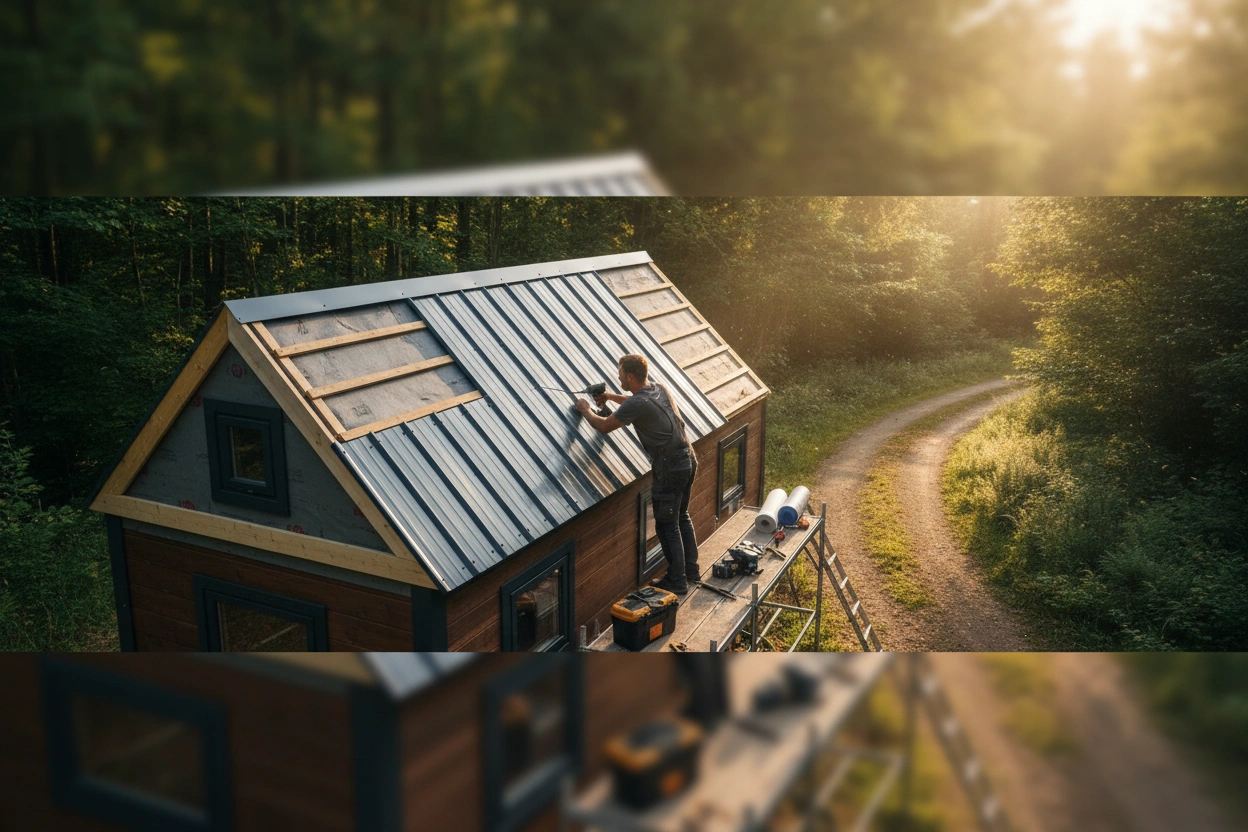
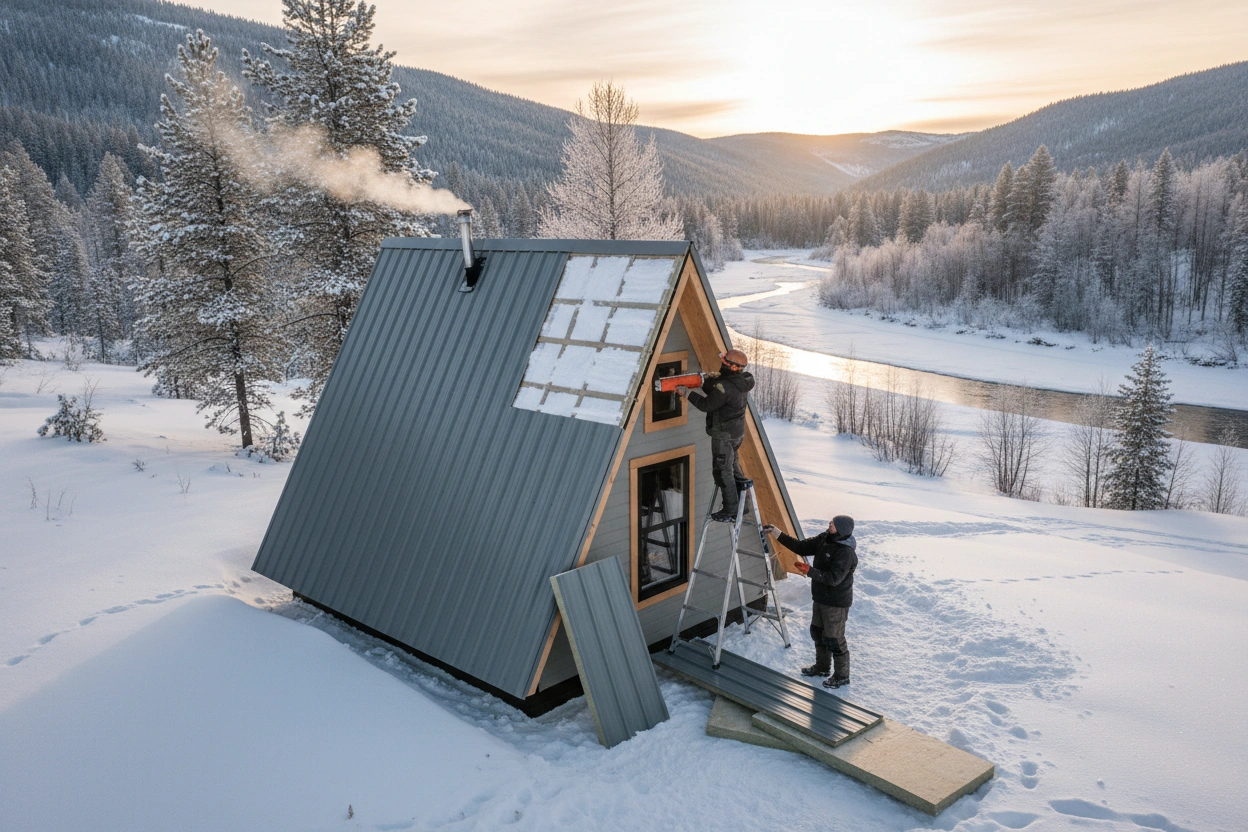
Metal roofing is a popular choice for tiny houses due to its durability and lightweight nature.
Pros:
- Long lifespan, often exceeding 50 years
- Excellent at shedding snow and rain
- Reflects heat, which can help reduce cooling costs in warmer climates
Cons:
- Higher initial cost compared to some other materials
- Can be noisy during rain or hail unless insulated properly
2. Asphalt Shingles
Asphalt shingles are widely used in residential roofing and can also be effective for tiny houses.
Pros:
- Cost-effective and easy to install
- Available in various colors and styles
- Good insulation when combined with appropriate underlayment
Cons:
- Shorter lifespan compared to metal roofing, typically around 20-30 years
- Less effective in extreme weather conditions without additional reinforcement
3. Cedar Shakes
Cedar shakes offer a natural aesthetic and are often used in eco-friendly tiny house designs.
Pros:
- Excellent insulation properties and natural resistance to decay
- Provides a unique and attractive appearance
Cons:
- Requires regular maintenance to prevent mold and insect infestation
- Higher cost compared to asphalt shingles
4. Rubber Roofing
Rubber roofing is a less common but increasingly popular choice for tiny houses.
Pros:
- Highly durable and resistant to extreme weather conditions
- Provides good insulation and is easy to install
Cons:
- Can be more expensive than traditional materials
- Limited aesthetic options compared to other roofing types
5. Slate Roofing
Slate roofing is known for its longevity and aesthetic appeal.
Pros:
- Extremely durable, often lasting over 100 years
- Provides excellent insulation properties
Cons:
- Very heavy, requiring a strong structural support
- High installation costs and limited availability
Steps to Insulate Tiny House Roofing Effectively

To ensure that your tiny house roofing is properly insulated, follow these essential steps:
Choose the Right Insulation Material: Select an insulation type that fits your budget, climate, and specific needs. Consider factors such as R-value, moisture resistance, and ease of installation.
Seal Gaps and Cracks: Before applying insulation, thoroughly inspect the roofing structure for any gaps or cracks. Use caulk or spray foam to seal these areas, preventing air leaks and moisture intrusion.
Install Insulation: Depending on the insulation type chosen, follow the manufacturer's instructions for installation. For fiberglass batts, cut the material to fit snugly between rafters. For spray foam, ensure that the application is even and covers all necessary areas.
Apply a Vapor Barrier: After insulation is installed, consider adding a vapor barrier to prevent moisture buildup within the roofing structure. This is especially important in humid climates.
Choose the Right Roofing Material: Finally, select a roofing material that complements the insulation and enhances the overall energy efficiency of the tiny house.
Common Mistakes to Avoid When Insulating Tiny House Roofing
While insulating tiny house roofing may seem straightforward, there are common pitfalls that can lead to ineffective insulation and discomfort. Here are mistakes to avoid:
Neglecting Air Leaks: Failing to seal gaps and cracks can render insulation ineffective. Always check for air leaks before installing insulation.
Over-Insulating: While insulation is essential, adding too much can lead to moisture buildup and reduced airflow. Follow recommended guidelines for insulation thickness based on your climate.
Ignoring Local Building Codes: Different areas have specific building codes regarding insulation and roofing materials. Ensure compliance to avoid costly fines or the need for rework.
Choosing Incompatible Materials: Not all roofing materials work well with every type of insulation. Research compatibility to ensure optimal performance and longevity.
The Intersection of Tiny House Roofing and Year-Round Comfort
Understanding how to insulate tiny house roofing effectively is essential for maintaining a comfortable living environment throughout the year. By selecting the right materials and following best practices for insulation, you can create a cozy space that meets your needs regardless of the weather outside.
For those looking to build or buy a tiny home, TinyHouse.com offers a wealth of resources and information tailored to your journey. Whether you are seeking advice on roofing materials or need assistance with the entire building process, TinyHouse.com is here to help you navigate your tiny house project seamlessly.
To learn more about tiny house roofing and insulation techniques, visit TinyHouse.com for expert insights and guidance.


.svg)