
5 Tips for Organizing Your Belongings with Self-Storage

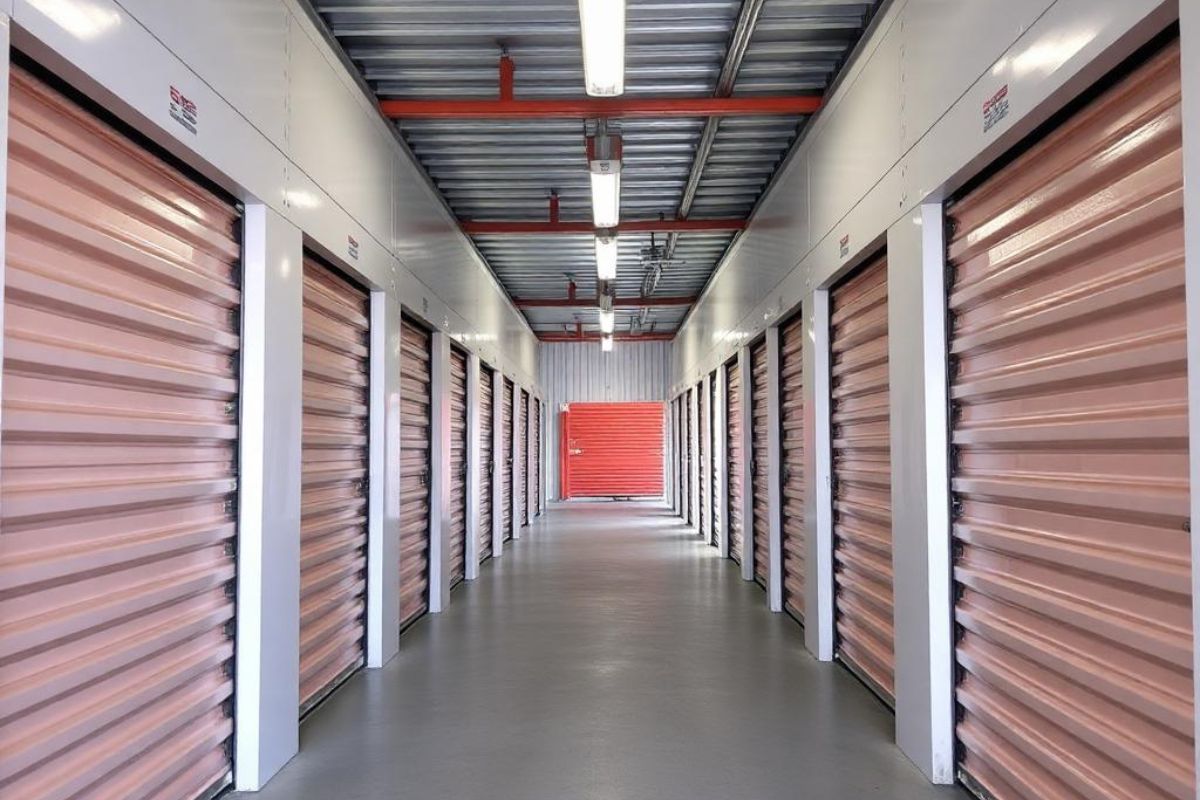
When you find yourself in need of extra space, self-storage can offer the perfect solution. Whether you're moving, downsizing, or just need somewhere to store seasonal items, organizing your belongings in a self-storage unit is key to maximizing the available space. In this article, we'll explore five practical tips to help you stay organized and make the most of your storage unit.
Tip 1: Choose the Right Storage Unit Size
One of the first steps in organizing your belongings is selecting the right size for your self-storage unit. It's tempting to overestimate how much space you need, but this can lead to unnecessary costs. On the other hand, underestimating the size can cause overcrowding and make it difficult to access your items later.
The best approach is to assess how much you plan to store. If you’re storing furniture, take note of large pieces such as couches, tables, and mattresses. Smaller items, like boxes or seasonal clothing, take up much less space. Some storage facilities offer online tools or calculators to help you estimate the size that fits your needs.
In areas like self-storage Houston Heights, there’s typically a wide range of unit sizes, from small 5x5 foot units to larger 10x30 foot units. Consider not only the space you need today but also whether your needs might change in the near future. For example, if you're storing items during a move or home renovation, a larger unit might be required temporarily.
Choosing the right unit size is crucial for cost-effectiveness and convenience. It ensures that you don’t end up with unused space or a cramped storage situation.
Tip 2: Use Quality Storage Containers and Packing Materials
The way you pack and store your belongings inside the unit can make a big difference in how well-organized the space remains over time. Using quality storage containers and materials is a must for preserving your items and maximizing your unit’s capacity.
Start with sturdy boxes. Avoid using flimsy, reused boxes, as they can break down and cause your items to get damaged. If you’re storing fragile items, consider wrapping them in bubble wrap or foam to keep them safe. For clothing, a garment bag or vacuum-sealed bags can help keep your items protected from dust and moisture.
Clear containers are often ideal for self-storage since you can easily see what’s inside. This can save you time later when you need to retrieve a specific item. Use heavy-duty tape to seal boxes securely, and label each box clearly so that you can quickly identify its contents. Organizing your storage with clear labeling and strong packing materials will make it easier to find what you need, without causing unnecessary hassle.
.jpg)
Tip 3: Create a Detailed Inventory of Your Stored Items
A detailed inventory is an essential tool for staying organized in self-storage. It's easy to forget exactly where you put something, especially if your unit gets packed tightly. By creating a list of the items you're storing, you can avoid wasting time searching for something when you need it.
Start by categorizing your items. For example, group together items like kitchenware, tools, or seasonal decorations. Create a simple inventory list either on paper or by using an app that lets you track your belongings. Some people prefer taking pictures of their items as well, which can be helpful if you need a visual reference later.
Keeping a digital inventory can be especially useful. There are several free apps and online tools designed to help users track their stored items. If you ever forget what’s inside your unit, you can check your inventory list rather than digging through boxes. This simple habit can save you significant time and effort in the future.
Tip 4: Use Vertical Space Wisely
Many people make the mistake of focusing only on the floor space of their storage unit. However, the vertical space within the unit can be just as valuable. By using shelves or stacking boxes, you can optimize the entire area.
Start by placing heavier, larger items on the bottom and stacking smaller, lighter boxes on top. This will help you maintain balance and prevent items from being damaged. If you’re storing items like books or records, consider investing in sturdy shelves or using pallets to keep them off the ground. This also helps protect your belongings from potential flooding or moisture in the unit.
Shelving units are especially helpful for keeping smaller items organized and easy to access. Be sure to place items you may need more frequently near the front of the unit and heavier or less-used items toward the back. This simple strategy can make a huge difference in how organized and accessible your self-storage unit is.
Tip 5: Leave Room for Easy Access to Frequently Used Items
It’s easy to forget about the importance of access when organizing a self-storage unit. However, some of your items might need to be accessed more frequently than others. To save yourself time and frustration, make sure to leave a clear pathway to these items.
When packing your unit, consider where you’ll need to access items first. For example, if you plan to retrieve holiday decorations each year, store those items near the front of the unit. Similarly, if you need to access tools or equipment on a regular basis, don’t bury them beneath other boxes.
Consider leaving a narrow aisle between stacked boxes to make retrieval easier. It may take a little extra effort to arrange things at first, but this simple planning step will make your storage experience far more efficient in the long run.
Conclusion
Organizing your belongings in a self-storage unit may take some time and effort, but the benefits are worth it. By choosing the right size unit, using proper packing materials, creating an inventory list, maximizing vertical space, and leaving room for easy access, you can ensure that your storage remains organized and functional.
Self-storage is a great solution for those needing extra space, but maintaining that organization will save you time, money, and stress in the future. Whether you're storing seasonal items, household goods, or business materials, these five tips will help you keep everything in order and make accessing your items a breeze.
When you're ready to start organizing, take the time to choose the right self-storage facility and implement these strategies to make the process as smooth and efficient as possible.


.svg)

.jpg)
.jpg)
.jpg)