Understanding Fire Safety Regulations in Commercial and Industrial Settings

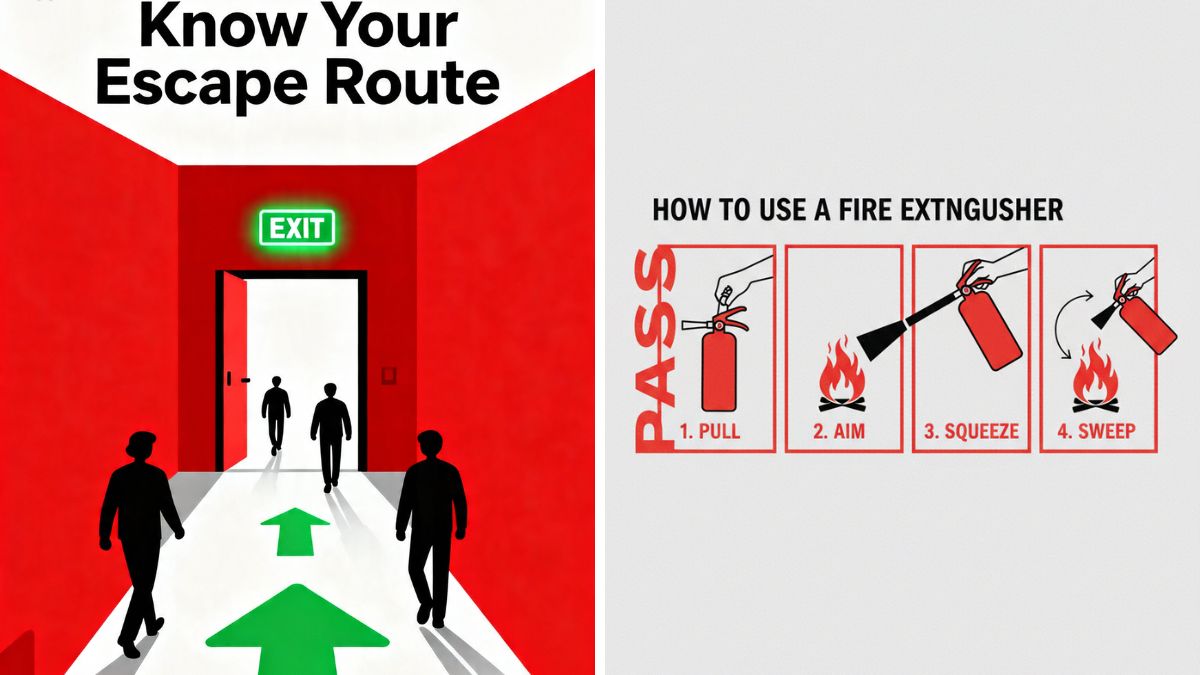
Ensuring the safety of commercial and industrial environments is a complex task, demanding careful attention to a wide range of regulations, protocols, and best practices. Fires in these settings can have devastating consequences, not only in terms of property loss but also for the lives of employees, visitors, and first responders. Over the past decades, incidents in warehouses, manufacturing plants, and high-rise offices have highlighted the importance of adhering to rigorous fire safety measures. For businesses, compliance with regulations is not just a legal requirement—it is a cornerstone of operational continuity and risk management.
Navigating the landscape of fire safety can be challenging, given the variety of laws, codes, and standards that govern different types of commercial operations. From fire suppression systems to emergency evacuation plans, businesses must remain vigilant and proactive. Understanding the fundamental elements of fire safety regulations provides a foundation for creating safer workplaces, reducing liability, and fostering a culture of preparedness.
The Framework of Fire Safety Regulations
Fire safety regulations in commercial and industrial settings are shaped by national, state, and local authorities. In the United States, the Occupational Safety and Health Administration (OSHA) provides overarching requirements to protect workers, while the National Fire Protection Association (NFPA) develops detailed codes and standards that are widely recognized across industries. These frameworks outline expectations for building construction, fire detection systems, emergency exits, and maintenance of fire suppression equipment.
Commercial buildings are typically categorized based on occupancy type, size, and function, which determines the specific fire safety requirements they must meet. For example, a high-rise office may require advanced sprinkler systems, fire-resistant materials, and multiple evacuation routes, while a manufacturing plant handling flammable chemicals may need specialized suppression systems, hazardous materials management protocols, and continuous monitoring.
Industry data consistently shows that compliance with these standards significantly reduces the risk of catastrophic fire events. Regular inspections, employee training, and adherence to preventive measures are not optional—they are essential components of a responsible safety strategy. Organizations that invest in thorough fire safety planning often experience fewer workplace disruptions and lower insurance premiums, reflecting the practical benefits of regulatory compliance.
.jpg)
Critical Components of Fire Safety Programs
A comprehensive fire safety program goes beyond simply installing alarms and sprinklers. It integrates prevention, detection, response, and recovery strategies tailored to the specific hazards of the workplace. Key elements typically include risk assessments, fire detection systems, suppression mechanisms, emergency response plans, and employee training.
Risk assessments are the first step in identifying potential fire hazards. In industrial settings, these can range from combustible materials and electrical faults to mechanical equipment that generates heat or sparks. Conducting a detailed assessment allows businesses to implement targeted preventive measures, such as proper storage of flammable materials, regular maintenance of machinery, and strict control over ignition sources.
Fire detection and alarm systems are critical for early intervention. Advanced technologies, such as smoke and heat detectors linked to centralized monitoring systems, ensure that fires are identified promptly, allowing employees and emergency responders to act quickly. Fire suppression systems, including sprinklers and chemical extinguishers, complement detection measures by mitigating fire spread before it escalates.
Understanding Fire Watch Requirements
In certain scenarios, regulatory codes mandate additional measures known as fire watch requirements. A fire watch involves assigning trained personnel to continuously monitor areas of a facility for signs of fire, particularly when standard suppression systems are offline or under maintenance. This proactive approach is often required during construction, renovation, or equipment downtime, when the risk of ignition is heightened.
Fire watch personnel are responsible for identifying potential hazards, ensuring safe evacuation routes, and alerting emergency services immediately if a fire is detected. This role is critical in protecting both property and lives, as the absence of functional detection or suppression systems can leave facilities vulnerable. Organizations that understand and implement these requirements demonstrate a commitment to comprehensive fire safety, bridging gaps in automated protection with human oversight.
Regulatory authorities, including OSHA and NFPA, provide detailed guidance on when and how fire watches must be conducted. This includes specifications for staffing, training, patrol frequency, communication protocols, and documentation. Businesses that fail to comply with fire watch requirements face legal and financial consequences, highlighting the practical necessity of integrating human monitoring into broader safety strategies.
.jpg)
The Role of Inspections and Audits
Regular inspections and audits are central to maintaining compliance with fire safety regulations. Fire marshals, certified inspectors, and internal safety officers assess adherence to codes, ensuring that fire detection, suppression, and evacuation measures are operational and effective. Inspections may focus on fire extinguishers, sprinkler functionality, emergency lighting, exit signage, and housekeeping practices that influence fire risk.
Audits serve as a feedback mechanism, identifying gaps in safety programs and offering recommendations for improvement. Many organizations establish routine internal audits in addition to regulatory inspections, fostering a proactive culture of continuous improvement. Data from the fire protection industry confirms that facilities engaging in consistent self-assessment and corrective action experience fewer regulatory violations and improved overall safety outcomes.
In commercial and industrial contexts, the cost of non-compliance can be substantial, encompassing fines, increased insurance premiums, operational downtime, and reputational damage. Conversely, organizations that prioritize audits and inspections benefit from a safer workplace, enhanced employee confidence, and greater resilience in the event of an emergency.
Building a Culture of Fire Safety
Compliance with regulations is only one aspect of effective fire safety. Developing a workplace culture that values awareness, preparedness, and accountability is equally important. Leadership plays a pivotal role in setting expectations and modeling safety-conscious behavior, while ongoing education ensures that employees understand both the rationale and practical steps behind safety protocols.
Technology can also support cultural change. Automated monitoring, integrated alarm systems, and digital training platforms facilitate consistent implementation of safety measures. However, technology alone is insufficient without human engagement, particularly in high-risk environments where nuanced judgment and rapid response are essential.
Involving employees in safety planning and decision-making encourages ownership of fire safety responsibilities. Teams that actively participate in drills, contribute to risk assessments, and report potential hazards create a collaborative environment that reinforces regulatory compliance. Ultimately, a culture of fire safety transforms regulations from a checklist into a living standard that protects people and assets.
.jpg)
Conclusion
Fire safety regulations in commercial and industrial settings are comprehensive and multifaceted, reflecting the wide range of risks inherent in these environments. From compliance with national codes to adherence to specific operational requirements, businesses must adopt a strategic approach that integrates prevention, detection, response, and human oversight. Understanding fire watch requirements is a crucial part of this strategy, providing an additional layer of protection when automated systems are insufficient or temporarily offline.
Proactive management, regular inspections, employee training, and a culture that prioritizes safety together form the foundation of an effective fire safety program. Organizations that embrace these principles not only comply with legal obligations but also safeguard lives, protect property, and enhance operational resilience. In an era where workplace safety is closely scrutinized by regulators, insurers, and the public, a robust approach to fire safety is both a moral and practical imperative, ensuring that commercial and industrial facilities remain secure, prepared, and resilient in the face of potential fire hazards.


.svg)

.jpg)