Water-Smart Landscaping for Small Properties: A Guide to Efficient Irrigation Systems

.jpg)
Small Properties Need Smarter Water Management
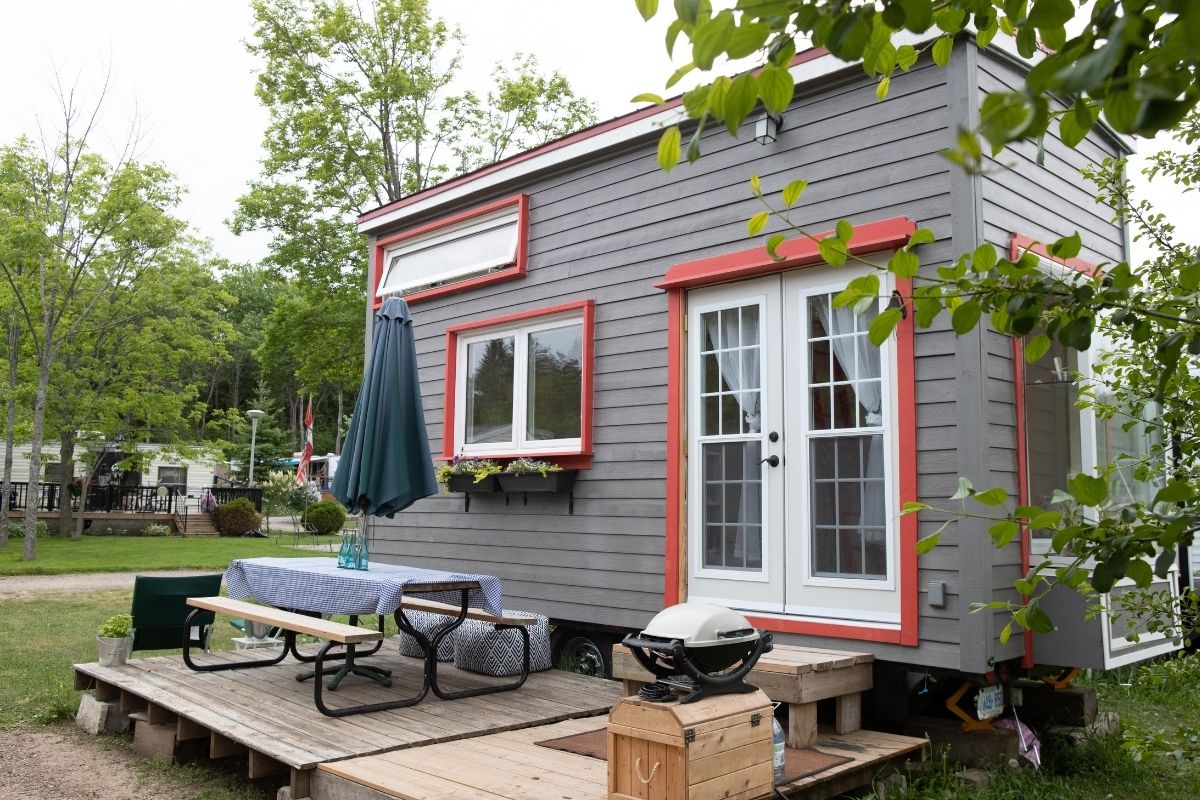
Small-footprint properties, from tiny homes to compact urban lots, face a unique landscaping challenge: every square foot of outdoor space must work harder. There is no room for oversized sprinkler zones, wasted runoff, or inefficient coverage patterns that larger properties can absorb. Water efficiency is not just environmentally responsible on a small property — it is a functional requirement.
The Environmental Protection Agency's WaterSense program estimates that the average American household uses more than 30% of its total water consumption outdoors, with roughly half of that lost to evaporation, wind, and overwatering caused by poorly designed or maintained irrigation systems. On a small property where every dollar and every gallon counts, eliminating that waste is the highest-impact improvement a homeowner can make.
Professional irrigation system installation Austin by Sprinkler Medics designs systems specifically scaled to the property's dimensions, soil type, plant material, and sun exposure, ensuring that water reaches roots rather than sidewalks, foundations, and storm drains.
Drip Irrigation: The Small-Property Standard
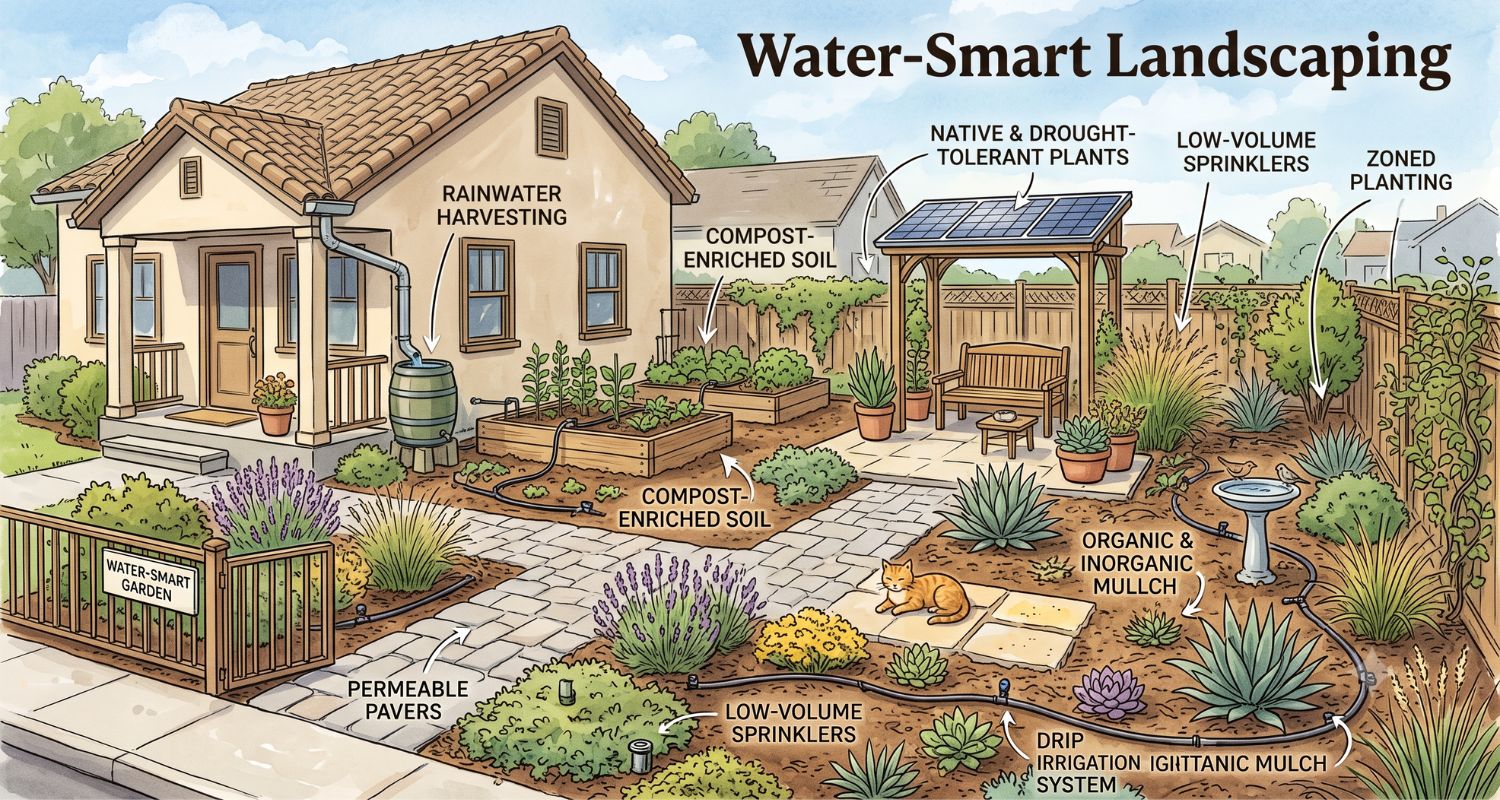
Drip irrigation delivers water directly to the root zone of each plant through a network of emitters, tubing, and pressure regulators. Unlike spray heads that broadcast water across a wide arc, drip systems minimize evaporation, eliminate overspray onto hardscape, and reduce weed germination by keeping the soil surface between plants dry.
For small properties with mixed plantings — gardens, shrubs, ornamental beds, and container plants — drip irrigation provides zone-level control that spray systems cannot match. Each emitter can be sized and placed to deliver the precise volume that a specific plant requires, accommodating everything from drought-tolerant native grasses to thirsty vegetable gardens within the same system.
TheIrrigation Association provides design standards and contractor certification programs that ensure drip systems are installed with proper filtration, pressure regulation, and backflow prevention. These components are often overlooked in DIY installations, leading to clogged emitters, inconsistent pressure, and contamination risks.
.png)
Smart Controllers and Soil Sensors
Smart irrigation controllers adjust watering schedules automatically based on weather data, soil moisture readings, and evapotranspiration rates. These devices connect to local weather stations or onboard sensors to determine whether irrigation is actually needed on a given day, eliminating the most common source of residential water waste: watering on a fixed schedule regardless of recent rainfall.
Soil moisture sensors provide ground-truth data that weather-based adjustments alone cannot capture. A sensor buried in the root zone measures actual soil water content and signals the controller to skip irrigation when the soil is already adequately moist. This closed-loop system prevents both overwatering and underwatering, optimizing plant health while minimizing water consumption.
For tiny home and small-lot owners who prioritize sustainability and low utility costs, the combination of drip delivery and smart control technology delivers measurable returns. Water bills decrease, plant survival rates improve, and the environmental footprint of the landscape shrinks without sacrificing aesthetics or function.
As covered in small-space living and design features, efficient resource management is a defining principle of the tiny and small-home movement. Irrigation technology that aligns with this principle allows homeowners to maintain lush, productive landscapes on a fraction of the water that conventional systems consume.
Designing Around the Property's Constraints
Small properties require irrigation designs that account for tight setbacks, shared fencing, proximity to foundations, and limited access for maintenance equipment. A system designed for a half-acre suburban lot will not perform correctly on a 1,500-square-foot urban parcel.
Hydrozoning groups plants with similar water needs into shared irrigation zones, preventing the common problem of overwatering drought-tolerant plants to keep thirsty species alive, or underwatering moisture-loving plants because the zone is set for drought-tolerant species. On a small property, even two or three carefully designed zones can dramatically improve water efficiency compared to a single-zone spray system.
Head-to-head spacing, matched precipitation rates, and proper nozzle selection ensure uniform water distribution within each zone. Dry spots and puddles indicate design or installation errors that waste water and stress plants. Professional installers use catch-cup tests to verify distribution uniformity before commissioning the system.
Maintenance Keeps the System Efficient
Even the best-designed irrigation system degrades without regular maintenance. Clogged drip emitters, misaligned spray heads, leaking valves, and controller programming errors all reduce efficiency over time. The Texas A&M AgriLife Extension recommends seasonal irrigation audits to identify and correct these issues before they escalate into plant loss or water waste.
Spring startup inspections check for freeze damage to pipes, backflow preventers, and valves. Mid-season audits verify that coverage patterns still match the landscape after any plant additions, removals, or growth changes. Fall winterization protects the system from freeze damage in climates where temperatures drop below freezing.
For small-property owners who want maximum value from minimum square footage, irrigation efficiency is not a one-time installation decision — it is an ongoing commitment to maintaining the system that keeps their landscape healthy, attractive, and water-responsible.
Rainwater Harvesting Integration
Small-property irrigation systems can be integrated with rainwater harvesting to reduce municipal water dependence further. Collection tanks, ranging from compact 50-gallon barrels to buried cisterns holding several hundred gallons, capture roof runoff and store it for landscape irrigation use.
Connecting a rainwater tank to the irrigation controller allows the system to draw from captured water first and switch to municipal supply only when the tank is depleted. In regions with seasonal drought restrictions that limit landscape watering, this stored supply provides a buffer that keeps plants alive during mandatory cutback periods.
The scale of a rainwater system should match the property's collection area and irrigation demand. A tiny home with 400 square feet of roof area generates roughly 250 gallons of runoff from one inch of rainfall. In a climate that receives 30 inches of rain annually, that single roofline can supply thousands of gallons per year — often enough to meet most or all of a small property's irrigation needs.
.png)
The Return on a Properly Designed System
The upfront cost of a professionally designed and installed irrigation system typically pays for itself within two to four years through reduced water bills, lower plant replacement costs, and eliminated labor spent on manual watering. On a small property, where every design decision is visible and every system failure is immediately apparent, the quality of the installation matters disproportionately.
A system that delivers the right amount of water to the right plants at the right time transforms a small lot from a maintenance burden into a low-effort landscape that performs year-round. That performance, combined with the water savings and environmental benefits, makes efficient irrigation the single highest-value infrastructure investment a small-property owner can make.


.svg)
.jpg)