6 AC Problems That Feel Worse Inside a Tiny Home

.jpg)
In a 2,500-square-foot house, a struggling air conditioner is an annoyance. In 400 square feet, it is the whole experience. There is nowhere to escape a clammy room, a noisy compressor, or a cold corner when that corner is also your kitchen, your couch, and your bed.
Tiny homes magnify every AC flaw because the same problem that hides in a big house has nowhere to disappear in a small one. A dirty filter, blocked vent, or poor thermostat placement may be easy to fix. But when the unit keeps cycling short, the room never dries out, or the system sounds like it is working harder than it should, that is when homeowners often need Manor AC repair services to find the real issue before the heat gets worse.
The good news is that once you know which AC problems hit hardest in a compact home, most are straightforward to catch before summer gets brutal. Here are six AC problems that feel far worse inside a tiny home, and what is really going on with each one.
1. An Oversized Unit That Short Cycles
The most common AC problem in a tiny home is a unit that is simply too big for the space. It sounds backward, but an oversized air conditioner is one of the worst things you can put in a small home.
Here is why. An oversized unit cools the air so fast that it hits the thermostat target in a few minutes, then shuts off before it can pull moisture from the air. Instead of a steady 15 to 20 minute cycle, it switches on and off constantly, a pattern called short cycling that wastes energy and wears out the compressor.
Oversizing is shockingly common. Roughly half of all cooling systems are sized incorrectly, and a large share of those are too powerful for the space they serve. In a tiny home, where the square footage is tiny to begin with, that mismatch is easy to make and brutal to live with.
2. Humidity That Refuses to Leave
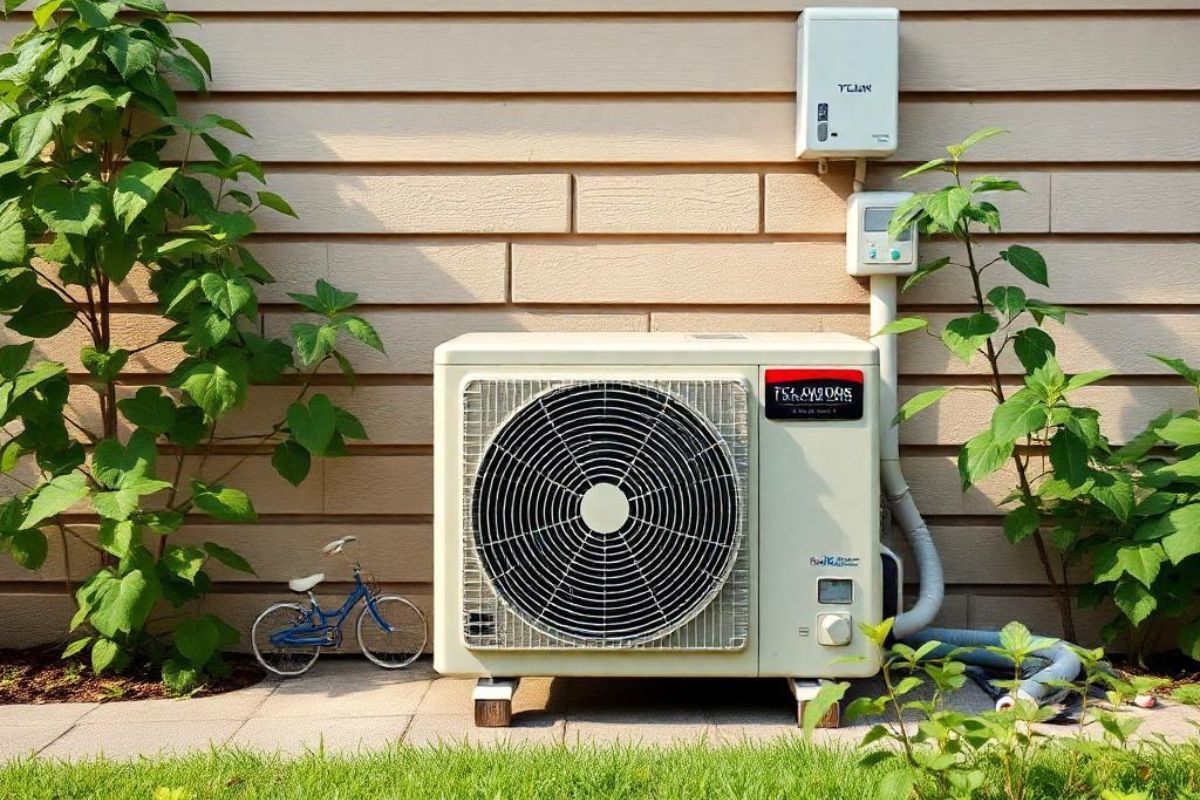
A tiny home that feels cool but sticky has a humidity problem, and small spaces feel it faster than any large house. When your AC cools without dehumidifying, the air turns clammy, and a compact room reaches that point in minutes.
Two things drive it. Short cycling from an oversized unit never gives the system enough runtime to wring moisture out of the air. On top of that, tiny homes are already prone to moisture buildup, since there is little room for insulation and limited ventilation to move damp air out.
The discomfort compounds because humid air feels warmer than it is. You drop the thermostat to fight the stickiness, the unit short cycles harder, and the air gets clammier. The EPA recommends keeping indoor humidity between 30% and 50%, a range that is much harder to hold in a small, tightly packed space.
3. Hot and Cold Spots Across One Open Room
Uneven cooling is annoying in a big house and unbearable in a tiny one, because the hot spot and the cold spot are often in the same room. When a single open space doubles as kitchen, living room, and bedroom, there is no door to close on the problem.
Oversized and short-cycling units are usually to blame. They blast cold air near the vent, then shut off before that air can mix and even out across the space. The result is a frigid patch by the unit and a warm pocket a few feet away.
In a compact layout, you feel both at once. A properly sized system that runs longer, gentler cycles distributes air far more evenly, which matters more in a tiny home than almost anywhere else.
4. Weak Airflow and Stagnant, Stuffy Air
Poor airflow turns a tiny home stuffy fast, since there is so little air volume to begin with. When circulation is weak, the space feels close and warm even when the AC is technically running.
A clogged filter is the usual starting point, choking the airflow the system needs to cool and circulate. Small homes make it worse, because many have minimal or no ductwork, so air struggles to move through the space and corners go stagnant.
Start with the cheapest fix and swap the filter on schedule. Keeping vents clear and adding a ceiling fan helps too, since moving air feels cooler on the skin and lets you raise the thermostat about four degrees without losing comfort. In a small space, that circulation makes an outsized difference.
5. A Noisy System You Cannot Get Away From
Noise that you would barely notice in a large home becomes impossible to ignore in a tiny one. When the compressor, blower, or rattling vent is ten feet from your bed and your desk, every sound is amplified by proximity.
A sudden increase in noise is also a warning sign. Grinding, buzzing, or banging often points to a worn part, a loose component, or a struggling compressor, problems that get more expensive the longer they run.
In a compact home, that racket is not just a comfort issue, it is your early warning system. A system that suddenly gets louder deserves attention before the noise becomes a breakdown you cannot escape from in a single room.
6. Heat From Cooking and Electronics Taking Over
In a tiny home, the heat from everyday living overwhelms the AC far faster than it would in a big house. Cook a meal on the stove, run a few devices, and the temperature in a small space climbs quickly because there is so little air to absorb the heat.
A large home has the volume to soak up that heat with barely a change. A tiny home does not, so the AC suddenly has to fight a stove, a laptop, and afternoon sun all at once in a space the size of a single room.
Vent cooking heat with an exhaust fan, switch hot incandescent bulbs for cooler LEDs, and avoid running the oven during the hottest hours. In a compact home, managing internal heat sources takes real load off an AC that has little margin to spare.
How to Keep a Tiny Home Comfortable All Summer
The thread through every one of these AC problems is the same: small spaces have no buffer. A big house absorbs a mistimed cycle, a little humidity, or a noisy fan. A tiny home hands all of it straight to you, which is why getting the basics right matters more here than in any large house.
Start with sizing, because it drives most of the rest. A unit matched to your actual square footage with a proper load calculation runs longer, quieter cycles that dehumidify, distribute air evenly, and sip less energy. Then keep up with the easy maintenance: change filters, clear vents, manage humidity, and control internal heat from cooking and electronics.
When a problem points to sizing, refrigerant, or a failing part, that is the moment for a professional diagnosis rather than guesswork. In a space this small, the difference between a system that fits and one that fights you is the difference between a comfortable summer and a miserable one.
FAQ
Why does my tiny home feel humid even when the AC runs?
Usually because the unit is oversized and short cycling. It cools the air quickly, then shuts off before it can remove moisture, leaving the space clammy. Small homes feel this fast since they hold little air and often lack ventilation. Keeping humidity between 30% and 50% is the target, and right-sizing the AC is the real fix.
Can an air conditioner be too big for a tiny home?
Yes, and it is a frequent mistake. An oversized AC cools too fast, short cycles, fails to dehumidify, and leaves hot and cold spots. Bigger is not better in a small space. A load calculation that matches the unit to your actual square footage prevents it.
Why is my AC so loud in my small home?
Part of it is proximity, since the equipment sits close to where you live and sleep. But a sudden increase in noise like grinding or banging signals a worn or loose part. In a tiny home you notice it immediately, which makes it a useful early warning to get the system checked.
How can I improve airflow in a tiny house?
Start by replacing the air filter, since a clogged one chokes circulation. Keep vents clear of furniture and add a ceiling fan to keep air moving, which lets you raise the thermostat about four degrees and still feel comfortable. Many tiny homes have little ductwork, so active circulation matters more.
What is the best way to keep a tiny home cool in summer?
Right-size the AC, stay on top of filter changes, manage humidity, and reduce internal heat from cooking and electronics. Because a small space has no thermal buffer, these basics have a much bigger impact than they would in a large home.


.svg)
.jpg)