What are Some Common Landscaping Mistakes to Avoid?

.jpg)
People usually jump into landscape design with high hopes. Maybe they sketch out some plants, add a path, toss in a lawn to cover the bare spots. It all seems good on paper. But then you step outside, and something just feels off. The space is awkward, tough to use, or suddenly costs way more to keep up than you expected. Here’s the thing: a big reason for this is that people design the landscape and the building as separate projects. When you split them up like that, the whole place stops working together as one.
Today, more designers rely on digital planning tools to avoid these issues from the start. Modern tools like GardenBox 3D help bring structure into the process. They allow planners to test ideas and think through how people will actually move and spend time outdoors. This approach reduces mistakes that are hard to fix later.
Below are the most common landscaping mistakes and how a modern planner can prevent them.
Designing the Landscape Without the Architecture
One of the biggest mistakes is treating the garden as an add-on. The building gets designed first. The landscape comes later. Often under time pressure.
This creates problems right away. Paths do not align with entrances. Terraces feel disconnected from living spaces. Views from windows get blocked by trees or fences. Outdoor areas feel random, not intentional.
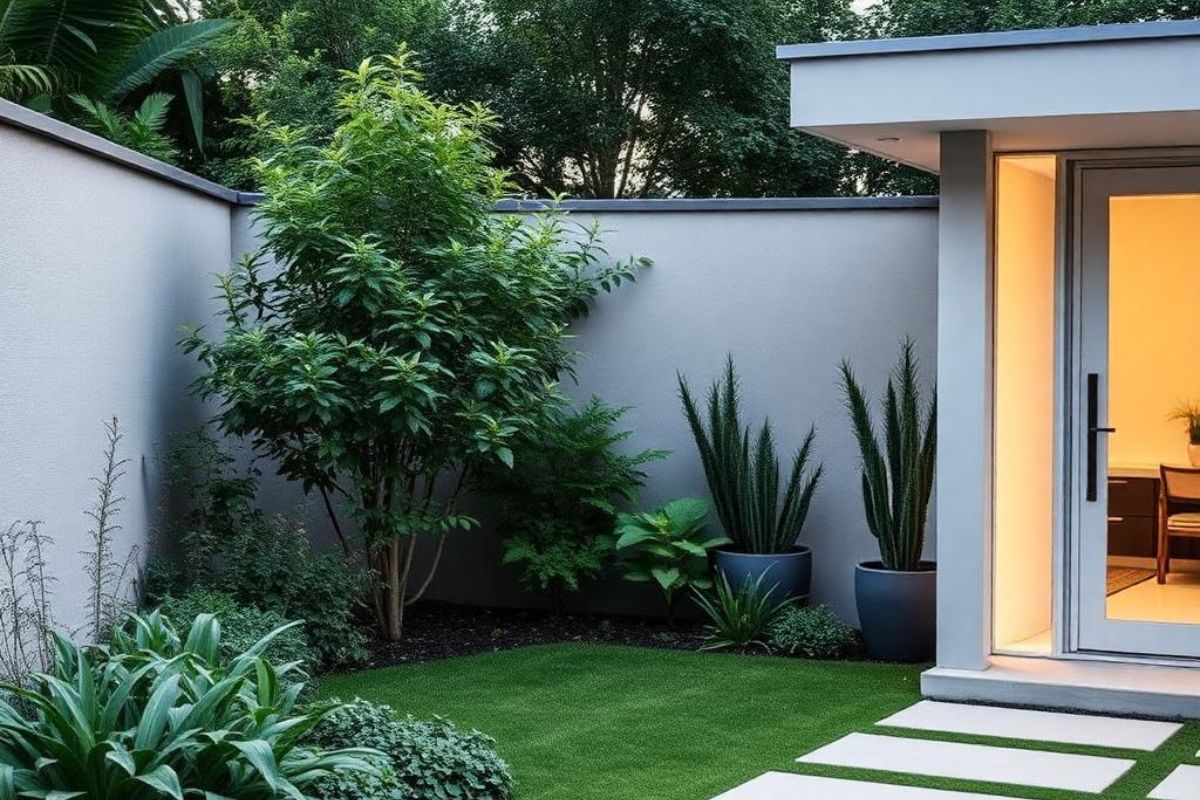
A good landscape plan starts with the building. It respects its geometry, scale, and materials. Lines from the facade continue into the garden. Key views get framed, not blocked. Outdoor spaces extend indoor functions.
Modern planning tools make this easier. A planner can import the building layout and work with real dimensions. This helps keep proportions right and avoids guesswork. The result feels calm and logical.
Poor Planning of How the Space Will Be Used
Many gardens look nice but feel uncomfortable. The reason is simple. No one thought about daily use.
Common issues include:
- Long detours between key areas
- Narrow paths where two people cannot pass
- Seating placed far from the house
- No shade where people actually sit
These errors come from an intuitive approach. Decisions get made based on looks, not behavior.
Good landscape design starts with scenarios. How do people enter the site? Where do they walk most often? Where do they stop? Where do children play? Where does shade matter most?
A garden planner allows designers to map these routes and zones early. Paths can be tested. Distances become clear. Conflicts show up before construction starts. This saves time, money, and frustration.
Excessive planting
Another frequent mistake is planting too much. At first, this looks rich and lively. After a few years, the space feels crowded.
Plants compete for light, water, and nutrients. Air stops circulating. Diseases spread faster. Maintenance costs rise.
The main reason is simple. Designers focus on how plants look at planting time. They ignore adult size.
Shrubs grow wider. Trees grow taller. Perennials spread. What looked balanced at first turns into chaos.
A structured planning process helps avoid this. A digital planner stores data on plant size and growth rate. It shows how the garden will look in five or ten years. This makes spacing decisions easier and more realistic.
Ignoring Light Conditions
Plants fail when light gets ignored. Sun-loving species end up in shade. Shade plants get burned.
This mistake often happens when the area gets assessed too quickly. Light changes during the day and across seasons. Buildings, walls, and trees cast long shadows.
Without proper analysis, plant choices become random. Some areas thrive. Others struggle.
Modern planning tools allow light simulation. A planner can show which zones get full sun, partial shade, or deep shade. Plant selection becomes precise. Survival rates improve. The garden stays healthy with less effort.
Lack of Clear Structure
Many landscapes lack a clear structure. Everything blends together. There is no hierarchy.
This often comes from adding elements one by one. A tree here. A flower bed there. No overall logic.
A strong landscape has clear zones. Active areas feel different from quiet ones. Open lawns contrast with dense planting. Paths guide movement.
Planning software helps build this structure. It forces decisions early. Zones get defined. Transitions become clear. The space feels intentional, not accidental.
Forgetting Maintenance Needs
Some gardens look great in photos but fail in real life. They need constant care.
This happens when maintenance gets ignored during design. Complex shapes. Delicate plants. Hard-to-reach areas.
Over time, owners simplify the garden themselves. Elements get removed. The original design disappears.
A good planner considers maintenance from the start. How often does something need care? Who will do it? How much time will it take?
With a garden planner, different options can be compared. One design may look impressive but require weekly work. Another may look calmer but stay stable for years. These choices matter.
Random Material Choices
Hardscape often suffers from poor planning. Too many materials. Clashing textures. Slippery surfaces.
Paths feel uncomfortable. Terraces heat up too much. Edges break down.
This usually happens when materials get chosen late. Or without context.
A digital planning process keeps materials consistent. Sizes, colors, and patterns get tested together. This avoids visual noise and functional issues.
.jpg)
No Connection Between Inside and Outside
When indoor and outdoor spaces feel disconnected, the landscape feels unused.
Doors open to nowhere. Terraces lack purpose. Gardens stay empty.
Good design creates continuity. The living room extends outside. The kitchen connects to an outdoor dining area. Bedrooms face quiet green zones.
A modern planner helps visualize these relationships. Furniture placement can be tested. Sightlines get checked. The garden becomes part of daily life.
Relying Only on Intuition
Intuition has value. But on its own, it leads to mistakes.
Landscape design involves many variables. Climate. Soil. Water. Light. Growth. Use patterns.
When these factors get handled separately, conflicts appear. Fixes become expensive.
A garden planner brings all parameters into one system. Climate data sits next to plant data. Site dimensions stay accurate. Alternatives can be compared.
This structured approach reduces risk. Decisions become informed, not emotional.
Avoiding Alterations in the Future
Many landscape errors reveal themselves only after completion. Fixing them costs time and money.
Paths get moved. Plants get replaced. Terraces get rebuilt.
A well-planned landscape stays stable. It adapts to growth. It supports daily use. It ages well.
Modern planning tools make this possible. They allow testing before building. Weak points get exposed early. The final result feels finished, not temporary.
Conclusion
Most landscaping mistakes come from the same source. A lack of system. Decisions made in isolation. Too much focus on the present moment.
A modern planner changes this. It connects architecture, landscape, and human behavior. It turns intuition into a structured process.
The result is a landscape that works as a whole. Clear. Comfortable. Easy to manage. And built to last.


.svg)