
What to Know About Getting a Home Insurance Quote for Tiny Homes

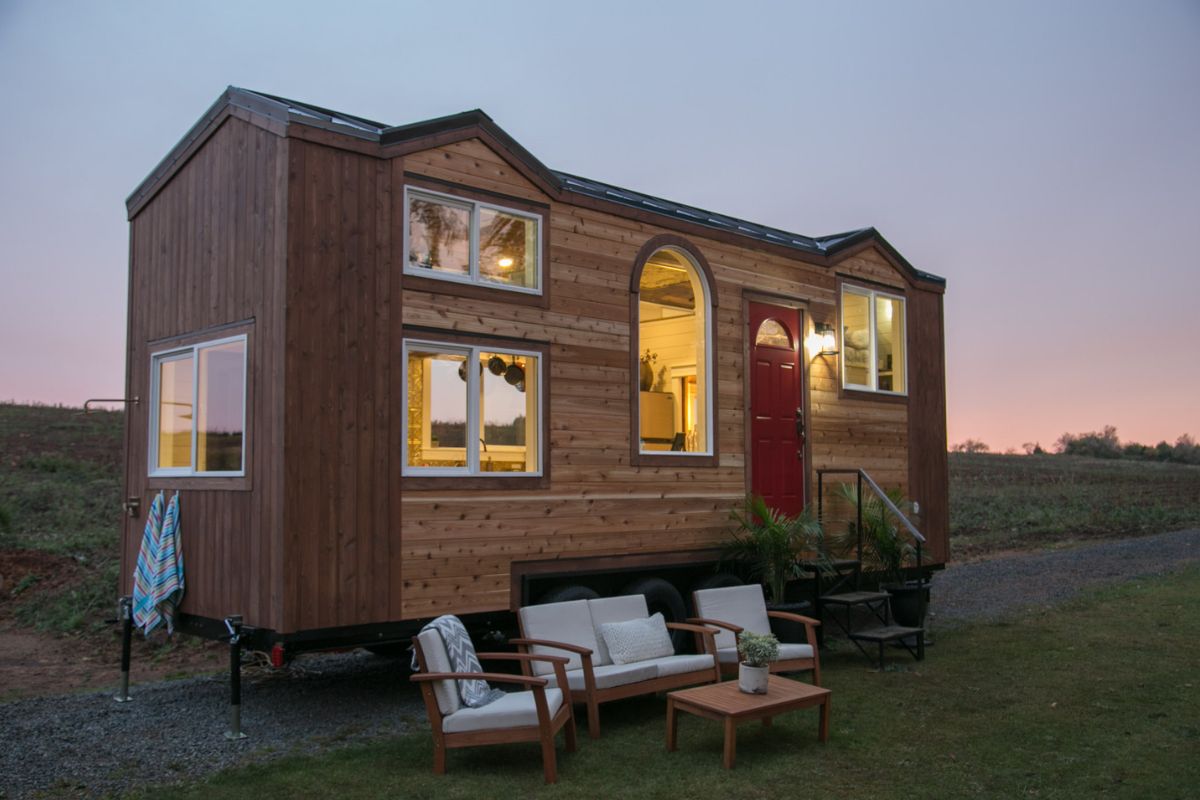
Tiny homes promise simplicity, freedom, and affordability, but when it comes to getting insurance, things can get complicated. Unlike traditional houses, tiny homes sit at the crossroads of residential living, recreational vehicles, and custom construction. That makes it harder to fit them neatly into standard insurance categories. Whether you’re buying, building, or moving into one, understanding how insurance works is crucial if you want to protect your investment and enjoy your home without stress. Discover five things to keep in mind when you’re exploring coverage and trying to get a fair quote.
Finding Companies That Actually Cover Tiny Homes
The first step in securing coverage is realizing that not every insurance company understands tiny homes. Many standard providers have policies built around traditional houses, and they may not know how to classify a dwelling that’s 300 square feet on wheels or sitting on a small foundation. That’s why it’s important to look for companies that specifically recognize and write policies for smaller homes.
When you ask for a home insurance quote, make sure you’re upfront about the size, construction type, and whether the home is mobile or permanent. A transparent conversation helps you avoid surprises later, like discovering your policy excludes damage that’s most likely to happen in your situation. Insurers who specialize in unique properties often have more flexibility in tailoring coverage to match how you live.
While it may take extra time to find the right provider, the effort pays off in confidence that your home is properly insured, not just partially covered under a generic policy.
Understanding Builders Risk Coverage Before You Move In
Many tiny homes begin as custom builds, whether you’re hiring a company to create a tailored design or taking the DIY route. This is where builder’s risk policies come into play. These policies protect a home while it’s under construction, covering losses from theft, fire, or accidents during the build. Without this type of coverage, an unexpected event like a workshop fire could wipe out months of progress and leave you with nothing to show for your investment.
What makes builders risk coverage particularly valuable for tiny homes is the personalized nature of their construction. Every detail, from the insulation to the roofline, may be customized, and those costs add up quickly. Builders risk insurance ensures that while your home is still just a project, it’s treated with the same financial protection as a finished property.
The Challenge of Mobility and Location
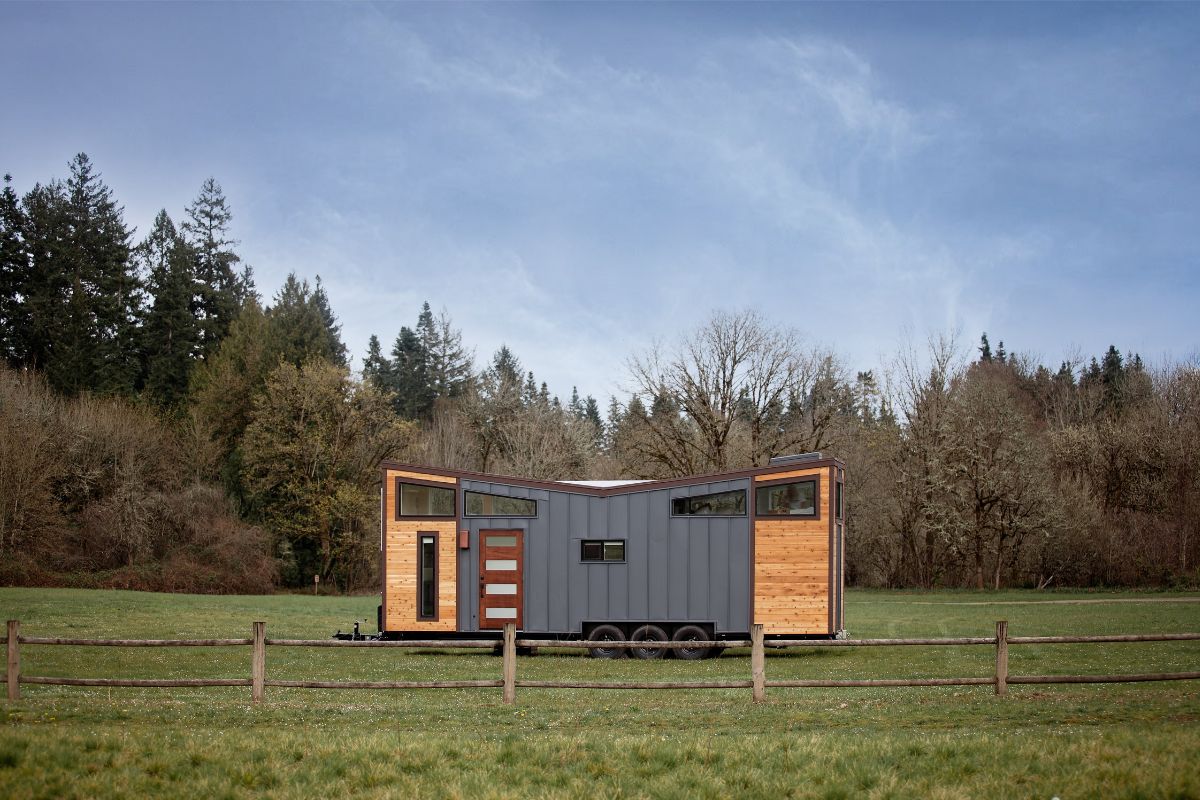
Unlike standard houses, many tiny homes are designed to move. That mobility can be part of the appeal, but it also complicates insurance. A home that sits on a foundation in one spot is easier to classify, while a home on wheels raises questions about whether it should be insured like a residence or like an RV.
Where you park also matters. Some insurers view a tiny home in a dedicated community differently from one parked on rural land or hitched to a truck.
Before you commit to coverage, talk through your lifestyle with the insurer. Do you plan to travel full-time or stay put for years at a time? The answer affects not only the cost of insurance but also the type of policy you’ll need. In some cases, homeowners choose hybrid solutions that combine aspects of residential and RV coverage. Understanding how location and mobility affect your risks will help you narrow down the options and avoid gaps.
Factoring in Unique Risks of Small Living
Tiny homes often push the limits of design efficiency. That can mean loft bedrooms, creative storage solutions, and multi-purpose appliances packed into small spaces. While these features make life in a tiny home functional and stylish, they can also increase certain risks. A loft ladder might create safety concerns. Compact kitchens might put appliances closer together, raising fire risks.
When applying for coverage, think about these features from the perspective of an underwriter. Be ready to explain the safety measures you’ve taken, like smoke alarms, carbon monoxide detectors, or sprinklers.
Considering Personal Property and Valuables
In a tiny home, you may not have a lot of space, but that doesn’t mean your belongings are less valuable. Electronics, tools, jewelry, and even outdoor gear can add up quickly.
Standard personal property limits in a generic policy might not reflect the real worth of what you own. If you’re carrying high-value items like photography equipment or musical instruments, you’ll want to ask about increasing personal property coverage or adding riders to your policy.
This is also where documentation matters. Creating a simple inventory with photos and receipts can make a big difference if you ever need to file a claim. For a tiny home, the inventory process might feel easier than it would in a larger house, since you have fewer rooms to cover. Taking time to do it now ensures you won’t be scrambling to prove the value of your belongings after a loss.


.svg)
.jpg)
.jpg)
.jpg)