Why a Solar Pond Fountain Is Perfect for Tiny House Living

.jpg)
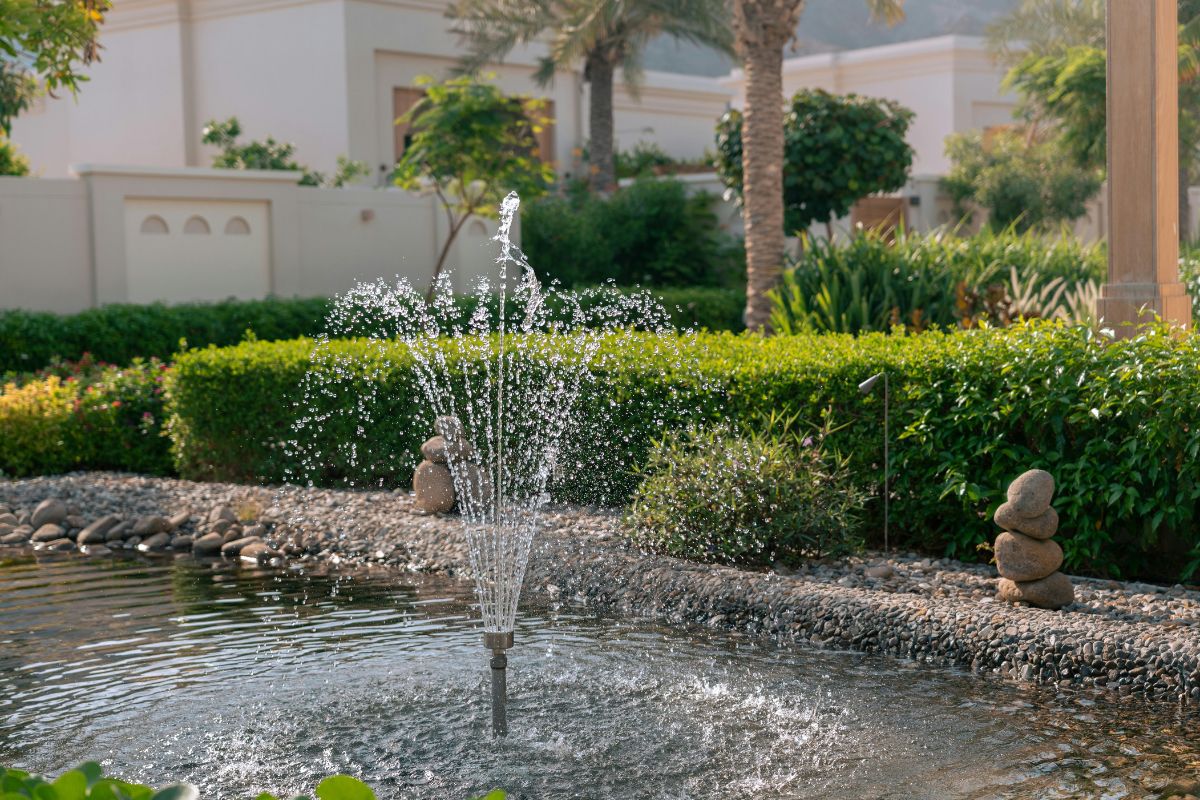
A compact, low-maintenance upgrade that pays ecological and aesthetic dividends, a solar-powered pond fountain is one of the easiest ways to transform a backyard water feature and improve pond health. Solar-driven fountain systems add movement, oxygen, and sparkle to your pond without wiring or ongoing energy costs, making them ideal for homeowners who want a big feel from small effort.
Beyond the basic chemistry, a small solar fountain changes how you use your outdoor space. The sound of moving water cuts through background noise, creating a calm corner for reading, conversation, or morning coffee. Because solar fountains run without grid power, they work well with off-grid tiny houses, cottage lots, and backyard features that are hard to wire.
Many models are deliberately compact and modular, so you can test placement, swap nozzles for different spray patterns, and pair the unit with low-maintenance planting to limit runoff. Installation is usually straightforward, and most owners report that a single afternoon of setup plus a short weekly check is all it takes to keep the fountain performing and the pond looking cared for.
Why Solar Fits Tiny Living
Tiny houses are about efficient systems and small footprints. Solar technology has scaled dramatically in recent years, making small photovoltaic components and battery options affordable for household-scale uses. In 2024, the United States added nearly 50 gigawatts of new solar capacity, and solar accounted for a very large share of the new generation added to the grid, which helps explain why small PV-driven devices are now practical for everyday use. (See SEIA 2024 Year-in-Review PDF.) The International Energy Agency also documents continued cost declines and growing global deployment, which improves supply and lowers prices for tiny-system components.
For tiny-house owners who prefer minimal infrastructure, the ability to run a fountain from a small rooftop or portable panel removes the need for trenching, permits, or extra utility service.
Water Health, Condensed for Small Ponds
Even tiny ponds benefit from circulation. Surface movement improves oxygen exchange, reduces surface film, and slows the formation of nuisance algae. For very small water features, a compact solar fountain that circulates the top layer is often more helpful than decorative still water because it reduces stagnation and keeps fish and plants healthier with minimal maintenance. According to the IEA’s annual Renewables market report, extension and pond management resources emphasize matching the aeration tool to the pond size and problem.
Sizing, Placement, and Power for Tiny Lots
Size fountains to surface area, not shoreline. For micro-ponds and container features, compact floating units that run during daylight are often ideal. Panels need several hours of direct sun to achieve reliable runtime, so pick the sunniest placement available. Battery-backed models add evening runtime but increase complexity and maintenance; for many tiny households, daytime-only operation delivers the best balance of simplicity and benefit.
If you plan to use a rooftop panel, confirm panel tilt and shading patterns across the year. For ground-mounted panels, a small south-facing array sized to match the fountain’s input power will provide predictable daytime performance.
Practical Example
A couple living in a 300-square-foot tiny house added a 6-foot micro-pond with a floating solar fountain mounted from a small 150-watt panel. They placed the unit in full sun on the lot’s south side. The fountain reduced surface scum, kept the water odor-free throughout the summer, and required only a five-minute weekly housekeeping check. The couple cited the fountain as a top-ten “quality of life” upgrade for their tiny plot.
Why Solar is Economical and Practical Now
Solar supply chains and price trends improve the case. The International Energy Agency documents sustained global PV deployment and falling module prices, which improve the availability of small-system components.
Tiny houses are also a growing market. Market summaries estimate the global tiny-home market at a multi-billion-dollar scale, reflecting rising demand for compact living solutions. That growth expands accessory markets, which means more pump models, smaller battery kits, and waterproof lighting options tailored for small-scale outdoor features. (Today's Homeowner)
Low-Maintenance Routines for Tiny House Owners
Keep things easy. Weekly: clear floating debris and check the intake. Monthly: inspect nozzles and mounting hardware. Seasonally: remove or winterize compact units if freezing is likely, and follow battery-care guidance if you have a backup pack. Favor models with user-replaceable nozzles and straightforward service docs so small maintenance tasks stay quick.
If you prefer minimal upkeep, choose units that are easy to lift and store. Smaller fountains are naturally simpler to winterize and less expensive to ship or transport if you move. Look for lightweight construction with molded carrying points, quick-release connectors, and user-friendly intake access so one person can remove the unit without tools. Pack nozzles, O-rings, and small spares into a labeled zip bag and keep it with the owner's manual so reassembly in spring is fast.
For battery-backed models, remove the battery and store it in a cool, dry place with the charge at the manufacturer-recommended level. Consider keeping a small maintenance box with a basic tool, scrub brush, and spare intake screen; those three items solve most minor clogs and prevent an hour-long troubleshooting session on sunny weekends. These little prep habits keep seasonal care short and predictable, so you can spend more time enjoying the water and less time fixing it.
Design Notes and Neighborhood Considerations
On tight lots, scale and sightlines matter. Frame the fountain with low, native plants to reduce runoff and keep the splash contained. Respect neighbors by locating the feature away from bedroom windows and picking gentle spray patterns appropriate to the pond size.
Beyond aesthetics, visible water features offer psychological benefits. Coverage in popular outlets and research on blue space highlights that time near water can reduce stress and support wellbeing, so the fountain is a small lifestyle investment as well as a garden accent.
Quick Buying Checklist
- Confirm model coverage by surface area and note recommended pond sizes.
- Ensure several hours of direct sun at the placement.
- Prefer units with replaceable nozzles and clear service documentation.
For tiny house owners, a solar fountain offers big returns for a small footprint. It adds life to a compact yard, improves water quality with gentle circulation, and does so without adding wiring or steady energy costs.
If you want options that fit micro-ponds and compact lots, start by comparing panel requirements and manufacturer coverage, then pick a model with simple serviceability and a friendly warranty. Enjoy the sound of water, wherever you call home.


.svg)
.png)
.jpg)