Why Many Retirees Are Choosing Tiny Homes Over Traditional Housing

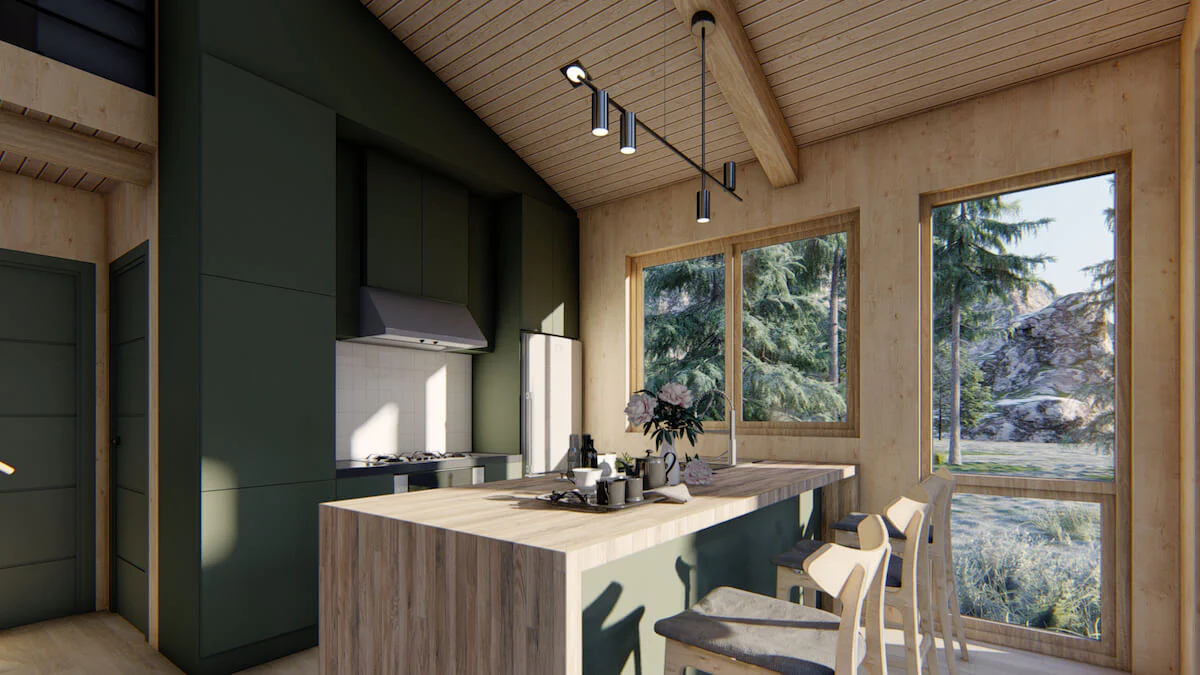
When you envision downsizing for your retirement, the typical path usually involves selling a multi-level home with a yard and purchasing a quiet, two-bedroom condominium. However, a massive demographic shift is redefining the American housing market. Instead of simply settling for a slightly smaller footprint, a rapidly growing number of retirees are rejecting the traditional real estate model entirely and embracing the tiny home movement.
Before making any major lifestyle transition, evaluating your long-term healthcare liabilities is a foundational part of financial planning, and using resources like Boomer Benefits is a great way to do this. But once your medical safety net is secure, your focus naturally shifts to optimizing your physical environment to support your new level of freedom.
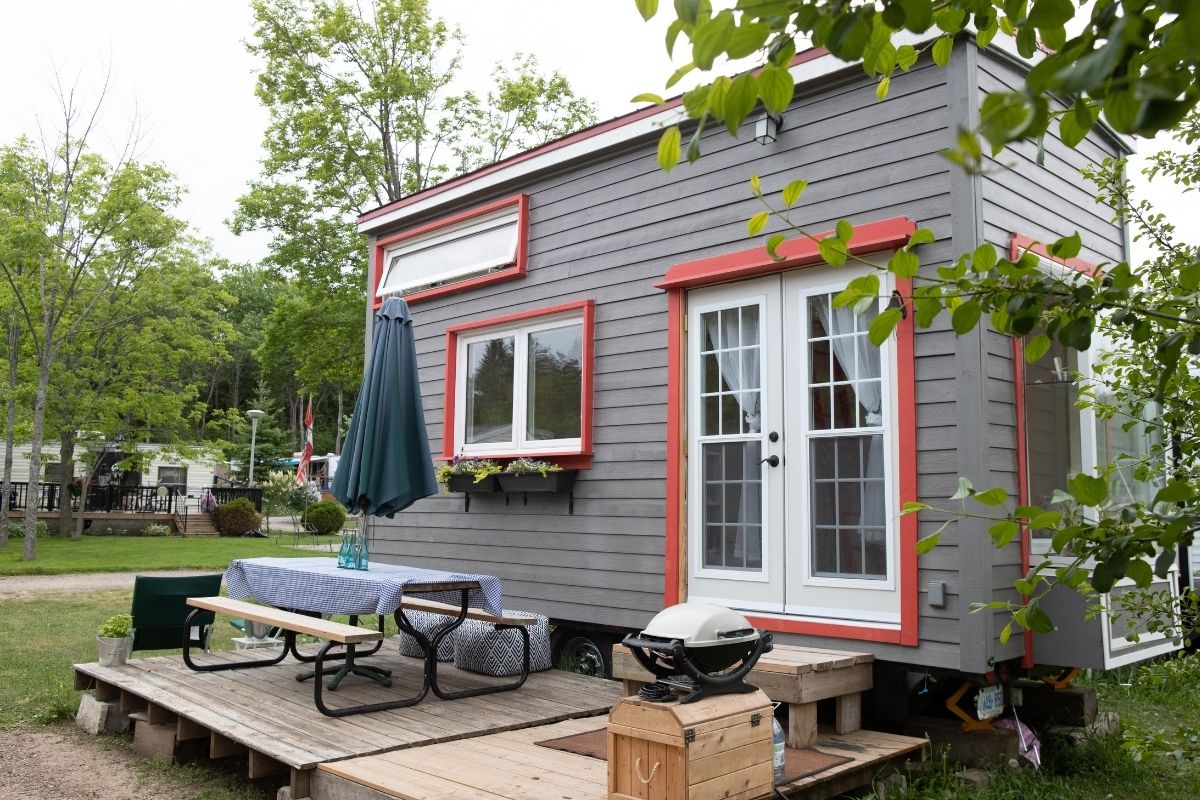
Choosing to live in a tiny home (typically defined as a dwelling under 400 square feet) or an Accessory Dwelling Unit (ADU) is no longer a fringe, minimalist internet trend. It can be a highly strategic, empowering financial choice. Here is why the tiny homes are capturing attention and what you need to consider before making the leap.
The Financial Freedom of the "Micro" Footprint
The primary driver behind this housing shift is the pursuit of improved financial flexibility. The 2026 housing market presents a paradox: while your current home has likely appreciated significantly in value, purchasing a new, traditional "downsized" home can still be expensive due to elevated property values and interest rates.
Unlocking Your Trapped Equity
For decades, your largest monthly expense was likely your mortgage. By selling your traditional home and purchasing or building a tiny home outright, you can ensure mortgage payments are completely eliminated from your retirement budget. A custom-built tiny home usually costs a fraction of the cost of a standard house. This may unlock hundreds of thousands of dollars in trapped home equity. You can then redirect those liquid funds into high-yield investments, a robust travel budget, or a long-term care fund to protect your wealth.
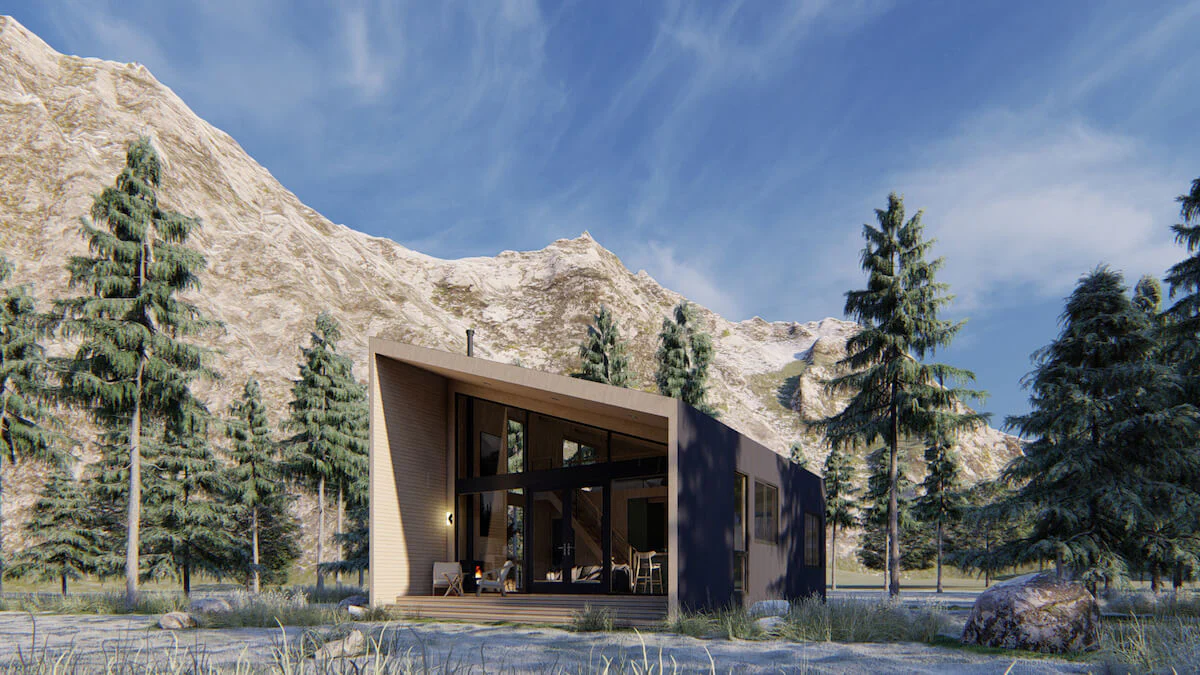
Drastically Reduced Overhead
Financial peace in retirement isn’t just about having a large nest egg; it’s also about reducing financial liabilities. A tiny home cuts your overhead across the board. Heating and cooling 400 square feet costs pennies compared to maintaining a climate-controlled, four-bedroom house. Furthermore, your property taxes, insurance premiums, and the general costs of home maintenance plummet. This reduction in spending provides a strong buffer against inflation and market volatility.
The Strategic Advantage for "Aging in Place"
There is a common misconception that tiny homes involve climbing perilous ladders to sleep in cramped lofts. While that might be true for younger demographics seeking a rustic aesthetic, there are also tiny homes purposefully engineered for "aging in place."
Accessibility from the Ground Up
If you are custom-building a tiny home or an ADU, you have total control over the floor plan. You can integrate crucial accessibility features from day one without the high costs of retrofitting an older, traditional house. You can include zero-step entryways, widened door frames to accommodate future mobility devices, roll-in showers with reinforced grab bars, and accessible, ground-floor sleeping arrangements. You are essentially building a custom medical safety net disguised as a charming cottage.
The Multi-Generational Support System
In addition to practical caregiving benefits, tiny home living can foster a greater sense of connection and community. Many retirees who choose this lifestyle cite the importance of staying close to loved ones and participating in daily family life as a major motivation. Tiny home communities, which are becoming more common across the country, also offer opportunities for social engagement with peers, shared resources, and a supportive environment tailored to older adults. This community aspect can help guard against isolation and contribute to a richer, more fulfilling retirement
One of the most popular applications of the tiny home movement is the Accessory Dwelling Unit, often affectionately called a "granny pod." By placing a tiny home in the backyard of an adult child's property, you achieve the perfect balance of proximity and privacy. You maintain your complete independence, your own kitchen, and front door, but you have immediate, built-in family support just steps away. Should your health decline later, this setup easily accommodates family caregiving without the expense or isolation of assisted living.
Navigating the Zoning Maze
If you are excited by tiny living, it’s still important to approach the logistics with a heavy dose of pragmatism. The biggest hurdle to tiny home ownership isn’t the construction, it’s the bureaucracy.
Local zoning laws and building codes are slow to adapt to new housing trends. Before investing a dollar, understand how your local municipality classifies these structures:
● Tiny Homes on Wheels (THOW): If your tiny home is built on a trailer chassis, the local government will likely classify it as a Recreational Vehicle (RV). Because RVs are not considered permanent residences, many zoning laws prohibit you from living in them full-time on a private residential lot. You may be forced to park in designated RV parks or specialized tiny home communities, which charge monthly rental fees and may include restrictive covenants.
● Tiny Homes on Foundations (ADUs): If you build a tiny home on a permanent foundation, it is subject to standard residential building codes. While many states and cities, backed by advocacy from organizations like AARP, are actively easing the permitting barriers for ADUs to combat the housing crisis, you may still need to navigate strict requirements regarding minimum square footage, utility hookups, and property line setbacks.
.jpg)
Is the "Micro" Life Right for You?
Recent research shows that a growing percentage of older Americans are considering non-traditional housing options, with tiny homes ranking high among those seeking simplicity and autonomy. While the decision ultimately depends on personal preferences and lifestyle, understanding these broader trends can help you evaluate how tiny home living might fit into your retirement plans.
Downsizing your physical possessions to fit into 400 square feet requires a profound psychological shift. You are trading square footage for extreme intentionality. Every item you keep must serve a purpose or bring you joy.
You must be honest about your hobbies, entertaining style, and your daily habits. If you love hosting large holiday dinners or have a woodworking hobby requiring substantial equipment, a tiny home will require creative adjustments. You may need to use local community centers, shared workspace memberships, or outdoor pavilions to supplement your indoor limitations.
Before committing to a build, test the waters. Rent a tiny home for a two-week vacation. Pay close attention to the space flow, storage limits, and how you and a partner manage proximity.
Retirement is your opportunity to redesign your life exactly as you see fit. By shedding the administrative and financial weight of a massive, traditional property, you might find that living small is the key to experiencing your largest, most liberating chapter yet. As tiny home options continue to evolve and gain mainstream acceptance, retirees have more choices than ever before to create a home that reflects their values and supports their goals. Whether you’re seeking independence, community, or simply a new adventure, the tiny home movement offers a pathway to a vibrant and secure retirement.


.svg)
.jpg)