Why Seasonal HVAC Maintenance Extends the Life of Your System

.jpg)
Think about the last time you ignored your car’s oil change light. Maybe you pushed it a few weeks, maybe a few months. At first, nothing seemed wrong. But eventually, that little bit of neglect adds up. Your engine works harder, burns more fuel, and—if you’re unlucky—leads to a repair bill you wish you’d avoided.
Your HVAC system is no different. Just because it’s tucked away in the attic, basement, or behind a closet door doesn’t mean it can be left alone year after year. Seasonal maintenance is the oil change your heating and cooling system needs to stay healthy. It’s not about pampering the equipment—it’s about keeping it efficient, reliable, and long-lasting.
If you’re wondering where to start, companies like GCL Home Services specialize in keeping systems running smoothly before problems turn into headaches.
The “Health Check-Up” Your HVAC Actually Needs
Here’s the thing: HVAC maintenance isn’t about some vague checklist—it’s a real, hands-on inspection. Technicians look at filters, coils, refrigerant levels, belts, wiring, drain lines, and all the parts that quietly keep your house comfortable.
It’s a lot like going to the doctor. You don’t wait until you’re seriously sick to schedule a check-up (or at least, you shouldn’t). The same goes for your system. A little preventative care now can spare you from waking up on a frosty January morning with nothing but silence coming from the vents.
And honestly, knowing your furnace is ready to roar back to life—without that faint burnt-dust smell lingering longer than it should—makes the first cold night a whole lot easier.
.png)
Why Your Bills Creep Up When the Filter’s Dirty
Here’s a simple truth: an efficient system costs you less money to run. That might sound obvious, but the numbers add up faster than most homeowners realize.
Imagine this. Your AC filter hasn’t been swapped in months. Dust builds up, the fan strains, and the whole system has to work harder to push air through your home. What should’ve been a quick job—cooling the living room after a hot afternoon—now takes twice as long and twice the electricity.
It’s like trying to breathe through a straw. You’ll still get air, but it takes more effort. And that effort shows up on your utility bill. Trust me, your wallet notices.
With energy rates creeping higher every year, an efficient system isn’t just nice—it’s necessary. Keeping your HVAC clean and tuned helps you avoid the slow creep of higher bills that nobody enjoys seeing in the mail.
Timing Really Is Everything
You might wonder: why does everyone recommend spring and fall tune-ups? Why not just once a year?
Think about when your system works the hardest. Summer heatwaves and winter freezes push it to the limit. By scheduling maintenance in the “shoulder seasons,” you’re catching issues right before they matter most.
Picture this: it’s July, the thermostat says 98°F, and your AC dies. Every HVAC company in town is slammed with calls. Now you’re waiting, sweating, and probably paying extra for emergency service. On the flip side, a quick spring inspection would’ve flagged that worn-out capacitor months earlier.
The same goes for winter. Nobody wants to be wrapped in blankets waiting for a repair tech during a cold snap. Timing isn’t just convenient—it’s preventative.
Catch the Little Stuff Before It Becomes a Big Mess
There’s an old saying: “a stitch in time saves nine.” That might be about sewing, but it fits HVAC systems perfectly.
Here’s why: small problems rarely stay small. A clogged drain line today might turn into water damage tomorrow. A frayed belt could snap and shut down the blower motor. A little refrigerant leak might seem minor until the compressor burns out, and suddenly you’re staring at a multi-thousand-dollar replacement.
Repairs caught early are cheaper, faster, and less stressful. Skipping seasonal maintenance is like skipping dental cleanings—you can ignore it for a while, but sooner or later, that cavity turns into a root canal.
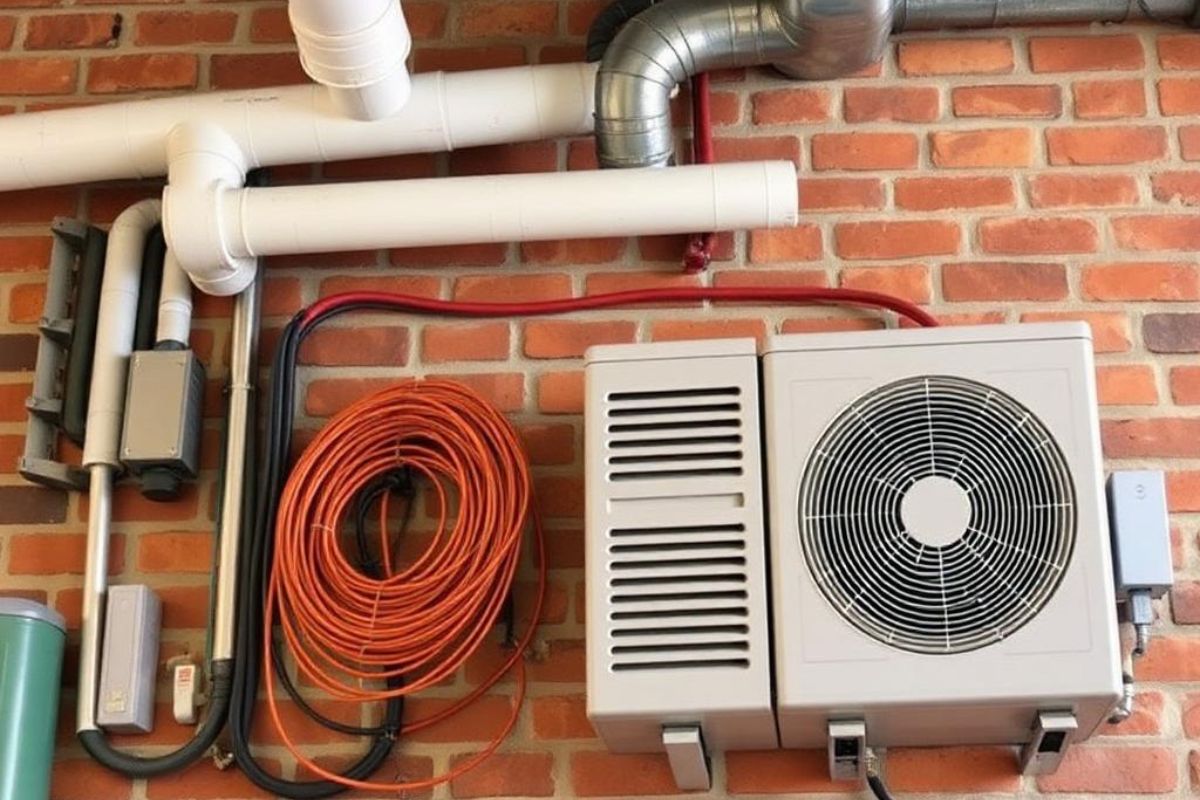
Making Your System Last Years Longer
Here’s the part most homeowners underestimate: how much seasonal maintenance extends the lifespan of your system.
Without care, an HVAC unit might give you 7–10 years before performance starts to slide. With consistent maintenance, you could stretch that to 15 or even 20 years. That’s nearly doubling your investment.
Think of it like shoes. A pair of sneakers you wear every day without cleaning or care? They’ll fall apart in a year. But polish a good pair of boots, replace the laces, and keep the soles in shape—they’ll last a decade.
The same logic applies here. Every time you schedule maintenance, you’re essentially adding time to the system’s clock. And let’s be real—no one likes shopping for a new HVAC when it wasn’t in the budget.
Comfort, Safety, and Cleaner Air
Extending lifespan is huge, but there’s more at stake. Seasonal HVAC maintenance also keeps your home safer and more comfortable.
- Cleaner air: Dusty coils and dirty filters don’t just hurt efficiency—they circulate allergens and particles through your living space. That’s especially noticeable if you or your family struggle with allergies.
- Steady comfort: A tuned system doesn’t short-cycle or leave hot and cold spots. It runs smoothly, keeping temperatures even across rooms.
- Safety checks: Gas furnaces are checked for leaks, electrical components are inspected, and fire risks are reduced. It’s not just comfort—it’s peace of mind that your home is safe.
And here’s something most people forget: the smell of stale air or the dry scratchiness you feel in winter often ties back to HVAC performance. Maintenance helps fix that too.
.png)
Can You Do It Yourself? Yes and No
This is a question that comes up a lot. Sure, homeowners can handle some basics—changing filters every 1–3 months, keeping outdoor units clear of debris, maybe even rinsing off condenser coils with a hose.
But there’s a line. Professional maintenance goes deeper. HVAC techs use tools like refrigerant gauges, thermal cameras, and airflow meters that just aren’t part of your weekend toolkit. They’re trained to catch subtle issues before they snowball.
Think about it: you could probably Google how to trim your own hair, but would you really trust yourself with a pair of clippers the night before a job interview? Same deal here—DIY is fine for surface-level care, but the detailed work is worth leaving to experts.
Wrapping It All Up
Seasonal HVAC maintenance isn’t a luxury—it’s the kind of routine care that saves you money, stress, and time. It keeps energy bills manageable, prevents breakdowns when you need your system most, and helps your equipment last years longer than it would otherwise.
Here’s the takeaway: don’t wait until something breaks. A quick seasonal check is the difference between a comfortable home and an emergency call you didn’t budget for.
So when spring or fall rolls around, treat your HVAC system the way you’d treat your car before a road trip. Give it the check-up it deserves. You’ll sleep easier knowing it’s ready to handle whatever the season throws at it.


.svg)
.png)
.jpg)