
Winter Laundry Hacks to Save Time and Energy

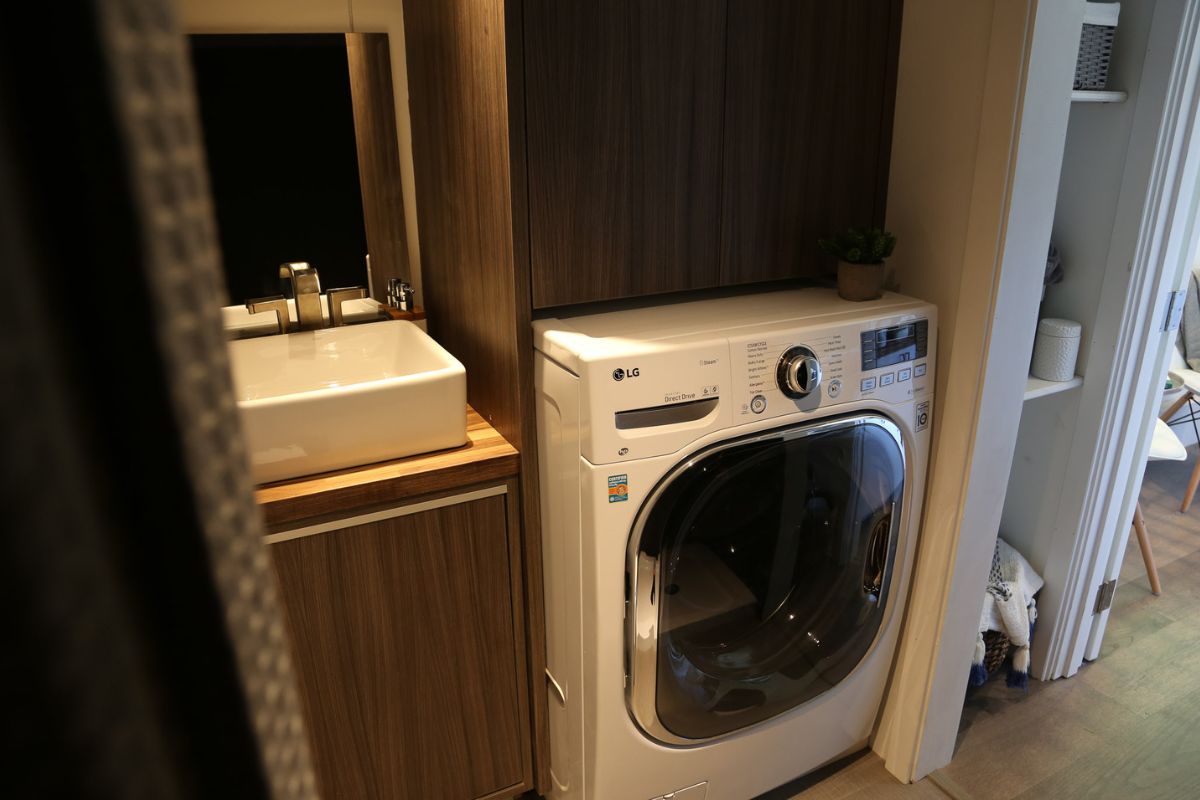
Spin at 1,200–1,400 RPM to strip water fast and cut dryer time 20–40%. Pre‑soak stained zones 10–30 minutes at 20–30°C to shorten agitation. Dry on low heat with sensor mode and 3–6 dryer balls for 15–25% quicker, gentler results. Clean the lint screen every load and vents quarterly for 30%+ better airflow. Separate heavy from light fabrics, batch loads to use residual heat, and run off‑peak. A safety‑pinned wool ball tames static—and there’s more you can apply next.
- Max out your washer’s safe spin speed and use a quick “spin-only” respin to cut dryer time by 20–40%.
- Dry on low heat with sensor-dry and dryer balls; stop at damp-dry to save energy and prevent overdrying.
- Pre-soak stained areas 10–30 minutes in lukewarm water to shorten wash cycles and improve cleaning.
- Clean the lint screen every load and the vent quarterly to boost airflow and reduce drying time.
- Batch laundry off-peak, separate heavy from light items, and hang-dry bulky pieces to lower winter energy costs.
Optimize Spin Cycles for Faster Drying
Start by setting your washer to the highest safe spin speed—1,200–1,400 RPM can cut dryer time by 20–40% and reduce energy use.
Check your machine’s manual; most cottons and towels tolerate top speeds, while delicates need less. Use “High” or “Extra High” for sturdy loads to remove more free water, slashing dryer cycles and CO₂.
Balance loads to prevent wobble that reduces spin efficiency. Don’t overfill; aim for a loosely packed drum so clothes can accelerate.
Select an extra spin or “Spin Only” cycle if items feel heavy or drippy; a 5-minute respin often saves 15–25 minutes of drying.
Maintain performance: clean the drain pump filter quarterly, keep the washer level, and inspect shock absorbers.
Efficient spinning protects fabrics, saves kilowatt-hours, and speeds winter laundry.
Pre-Soak Smart to Shorten Wash Time
High-spin cycles wring out bulk water; now cut wash time by letting enzymes work before the drum turns.
Pre-soaking reduces mechanical agitation minutes by up to 25–30% for typical cotton loads, saving electricity and fabric wear. Use 20–30°C water; most enzyme detergents peak between 30–40°C, but cooler water still activates them while conserving heat.
Do this: Fill a basin with 4 liters water, add 5–10 ml concentrated enzyme detergent (check label), and submerge stained zones face-up. Soak 10 minutes for light soil, 20–30 for heavy.
Agitate by hand for 15 seconds at the halfway point. Lift, let excess drip, then select a shorter or “eco” wash.
For protein stains (blood, dairy), avoid hot water; it sets residues.
For oily soil, add one teaspoon baking soda to improve alkalinity and surfactant performance.
Reuse soak water for the next similarly soiled batch.
Use Dryer Balls to Boost Airflow
Three to six dryer balls can cut drying time by 15–25% by separating layers, increasing airflow, and reducing hot spots. Use wool or silicone balls; both withstand heat and agitation.
Wool absorbs small amounts of moisture early, accelerating evaporation, while silicone excels at bounce and lift. Add balls at the start of the cycle and choose medium heat to prevent overdrying and wasted kilowatt-hours.
Target three balls for small loads, six for bulky ones. Replace wool balls after roughly 1,000 cycles or when they pill heavily; silicone lasts longer.
To reduce static without dryer sheets, pin a safety pin to one wool ball to provide discharge. For scent, add 2–3 drops of essential oil between cycles, not during, to avoid volatility.
Separate Fabrics by Weight and Type
After boosting airflow with dryer balls, you’ll save even more energy by sorting loads by fabric weight and type. Mixed loads dry unevenly; light synthetics finish up to 30% faster than dense cotton or wool, causing over-drying and wasted kilowatt-hours.
Create three piles: lightweight synthetics (athleisure, microfleece), medium cottons (shirts, sheets), and heavy items (towels, denim, sweaters).
Check care tags and group similar weaves and finishes to reduce friction and pilling. Zip zippers, clasp hooks, and turn knits inside out to preserve fibers.
Wash towels separately; they shed lint that clings to synthetics, extending dry time. Spin at 1,200–1,400 RPM when safe; every extra 100 RPM removes more water and cuts dryer minutes.
Use mesh bags for delicates to prevent snags and tangles, improving airflow and efficiency.
Leverage Low-Heat, Longer Dryer Settings
While winter air is dry, your dryer still wastes energy on high heat; switch to low heat with extended time to cut power use by 20–40% and protect fibers.
High heat overheats air, not moisture, leading to overdrying and shrinkage. Low heat leverages the dry season’s low humidity, allowing steady evaporation without scorching.
Do this: choose “low” or “eco” heat, enable moisture-sensing, and add dryer balls to speed air circulation (they can trim cycles by up to 25%).
Spin laundry at the highest washer RPM to start with less water; every extra 400 RPM can reduce drying energy by roughly 15%.
Clean the lint screen every load and the vent quarterly for peak airflow.
Stop the cycle when clothes reach “damp-dry” to avoid wasted minutes and wear.
.jpg)
Set Up an Efficient Indoor Drying Station
Because winter air is dry but ventilation is limited, design an indoor drying zone that maximizes airflow, sun exposure, and drip management to cut energy and mildew risk.
Place a foldable rack near a south-facing window or under a ceiling fan. Aim for 6–10 inches between garments; spacing accelerates evaporation by increasing boundary-layer turnover.
Cross-ventilate: crack a window 0.5–1 inch and run a fan on low to move 30–60 CFM across fabric.
Use hangers for shirts, clip bars for socks, and a mesh flat rack for knits to prevent stretch. Spin clothes at 1,200–1,600 RPM to remove up to 45% more water.
Catch drips with a boot tray. Monitor humidity; keep it under 55% with a small dehumidifier near the rack.
Reduce Static With Vinegar and Wool
Drying indoors cuts energy use, but low humidity spikes static. Tackle it with white vinegar and wool dryer balls. Add 1/4 cup vinegar to the rinse cycle; studies show mild acidity neutralizes charge and softens fibers without residue. You’ll cut static cling by up to 30% and reduce detergent buildup that traps electrons.
Swap single-use sheets for three wool balls. They separate layers, boost airflow, and shorten dry time by 10–25%, saving kilowatt-hours. For heavy loads, use four to six balls. To target synthetics, pause the final 5 minutes and add a damp wool ball; moisture dissipates charge faster.
Skip vinegar on elastics, silk, and acetate. For scent, add 2–3 drops of essential oil to the balls, not the washer. Reuse balls for 1,000+ cycles.
Clean Lint Traps and Vents Regularly
Even in winter’s low-humidity air, you’ll waste energy and risk fires if lint builds up. A clogged lint screen can cut airflow by 50% and add 10–30 minutes per cycle, driving up kWh use.
Clean the trap before every load: pull the screen, roll off lint, then wash monthly with warm water and a drop of dish soap to remove dryer-sheet residue that blocks mesh.
Every three months, unplug the dryer and vacuum the internal lint cavity with a crevice tool. Inspect the vent duct; aim for a short, straight, rigid metal run. If it’s flexible plastic, replace it—metal vents reduce fire risk.
Outside, clear the hood flap and bird guard.
Airflow test: run the dryer and feel for strong exhaust; weak flow means it’s time to brush the duct.
Batch Laundry Loads to Capture Residual Heat
While one load finishes, start the next to exploit residual drum and vent heat and cut total energy per cycle by 10–15%.
Heat retained in the washer drum and dryer housing reduces warm-up time, so you’ll use fewer kilowatt-hours per load.
Sort back-to-back sequences: synthetics first, then cottons, then towels; move smaller, lighter loads before heavier ones to keep airflow strong and drying times short.
Pre-spin fabrics at higher RPMs (1,200+ if your washer allows) to drop dryer time by up to 30%.
Transfer clothes immediately—within two minutes—to preserve heat.
Keep dryer cycles slightly shorter and use the moisture sensor, not timed dry, to avoid overrun.
Pair similar fabric weights to maintain consistent exhaust temperature.
Track runtime and kWh on your smart plug to verify savings.
Time Washes for Off-Peak Energy Savings
After stacking back-to-back loads to capture residual heat, push savings further by running washers and dryers during off-peak hours when utility rates drop 20–60% under time-of-use plans.
Check your utility’s TOU schedule: winter off-peak often runs late evening to early morning and weekends. Program delay-start features so cycles finish near off-peak end times.
Target cold washes; they cut energy use by up to 90% versus hot and maintain fabric life.
Dry smart: use sensor-dry, eco or low-heat modes, and clean the lint filter every load to improve airflow by 30%+.
If you must run peak-time cycles, skip the dryer—hang-dry heavy items and spin at high RPM to remove more water.
Track bills monthly; expect 10–25% laundry energy savings.
Conclusion
You’ve got the data-backed steps to cut time, energy, and costs this winter. Spin faster to remove up to 50% more water, pre-soak to reduce cycle length, and use dryer balls to improve airflow by 25%. Sort by weight, choose low-heat longer cycles, and add vinegar or wool to curb static without chemicals. Clean lint paths to boost efficiency, batch loads to reuse heat, and run off-peak. You’ll finish faster, save money, and shrink your carbon footprint.


.svg)

.jpg)
.jpg)
.jpg)