Acrylic Kitchen Sink: Lightweight, Affordable, and Sleek

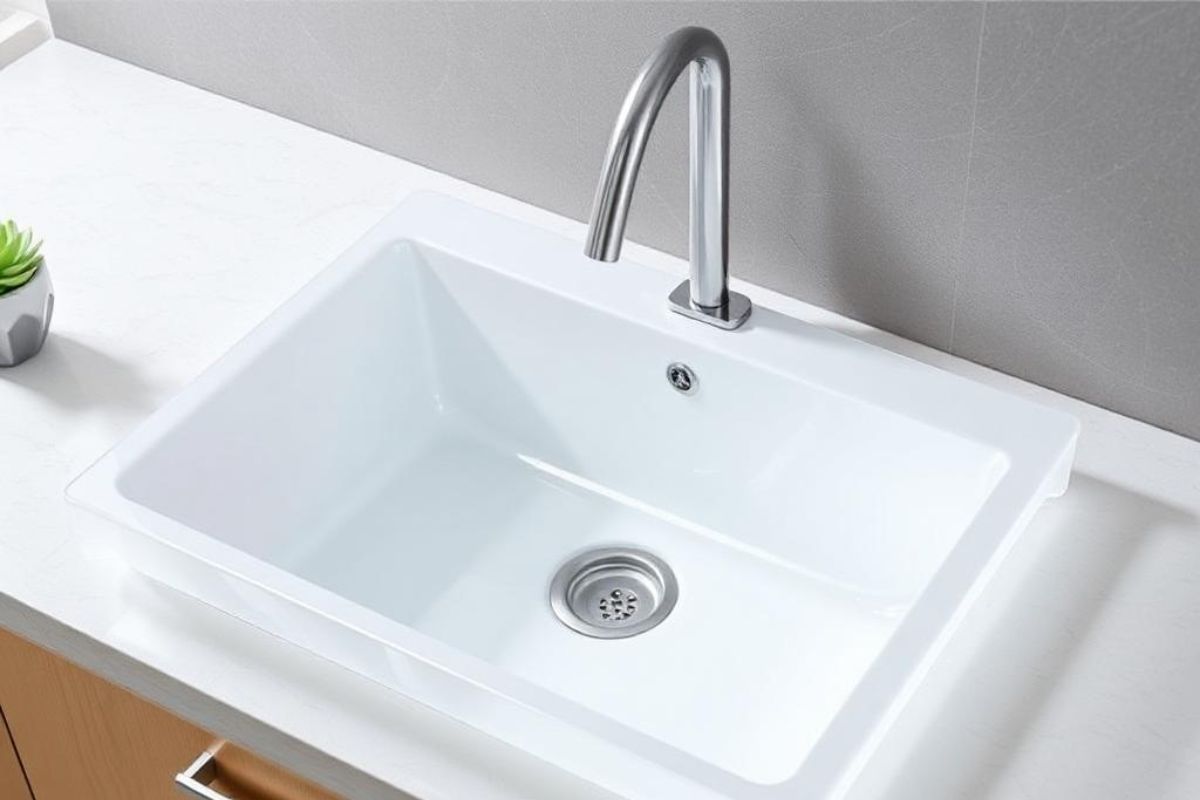
If you want a kitchen sink that's lightweight, easy to handle, and budget-friendly, acrylic is a top choice. You’ll enjoy a wide range of colors and a smooth, modern look that’s easy to match with your kitchen style. Cleaning is simple—just mild soap and a soft cloth keep it looking great. It’s less likely to chip than porcelain and quieter than steel. Stick around to discover how to pick, install, and care for your new sink.
- Acrylic kitchen sinks are lightweight, making them easy to handle and install without stressing countertops.
- They offer a sleek, modern look with a wide range of available colors and shapes to match any kitchen style.
- Acrylic sinks are more affordable than many alternatives, providing a budget-friendly kitchen upgrade.
- The non-porous surface resists stains and is simple to clean with mild soap and water.
- Sound-absorbing properties and resistance to chipping make acrylic sinks both practical and durable for daily use.
Key Features of Acrylic Kitchen Sinks
Acrylic kitchen sinks stand out for their lightweight construction, making installation and handling much easier than heavier materials. You won’t need specialized tools or extra labor, so it’s a practical choice if you want a straightforward upgrade. Acrylic sinks come in a wide range of colors and shapes, letting you match your kitchen’s style without much hassle. The non-porous surface resists stains and is easy to clean—just wipe it down with mild soap and water. You’ll also appreciate that acrylic absorbs sound, so dishes and running water create less noise. These sinks resist chipping and cracking under normal use, though you should avoid placing hot pots directly in them. Overall, acrylic sinks offer versatility, quiet performance, and simple maintenance for busy kitchens.
Comparing Acrylic to Other Sink Materials
When you’re choosing a kitchen sink, it’s smart to weigh the pros and cons of different materials—like stainless steel, composite granite, and porcelain—alongside acrylic. Acrylic sinks stand out for being lightweight and easy to install, which isn’t always true for heavier options like granite or porcelain. Stainless steel sinks resist stains and dents but can show water spots and feel noisy. Porcelain sinks look classic but can chip and stain over time, while composite granite offers toughness but usually costs more and is heavy.
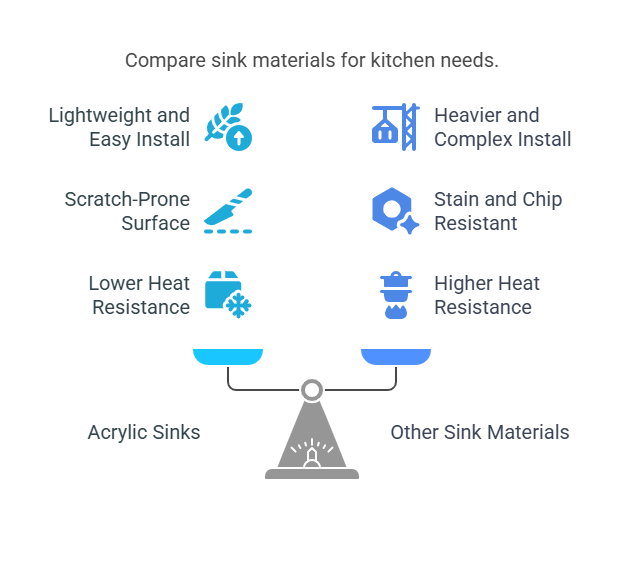
Acrylic sinks are less prone to chipping and are easy to clean, but they can scratch and aren’t as heat-resistant as some alternatives. By directly comparing these features, you can decide which sink material fits your kitchen’s needs and your lifestyle.
Benefits for Homeowners and Renters
Whether you own your home or rent an apartment, choosing a kitchen sink that’s both durable and easy to maintain can save you time and hassle. Acrylic sinks offer several advantages that fit your lifestyle. Their lightweight design makes them easier to handle and less stressful on your countertops, which is especially helpful if you’re renting and want to avoid potential damages. You’ll also appreciate how acrylic resists stains and scratches better than some traditional materials, keeping your kitchen looking neat with minimal effort. Cleaning is simple—just use mild soap and water, so you won’t need special products or worry about complicated upkeep. Plus, acrylic’s affordability means you can upgrade your kitchen’s look without a big investment, making it practical for any budget.
.jpg)
Installation Tips and Tricks
Once you’ve decided that an acrylic kitchen sink fits your needs, getting it installed properly guarantees you enjoy all its benefits. Start by measuring your countertop cutout carefully; acrylic sinks are lightweight, so handling them is easy, but accuracy matters. Always use the template provided by the manufacturer for a snug fit. Apply a bead of silicone sealant around the rim to prevent leaks and secure the sink. When tightening mounting clips, avoid over-tightening—acrylic can crack under too much pressure. Double-check that the sink sits level before finalizing installation. Connect your plumbing fixtures, confirming all joints are tight but not forced. If you’re unsure, don’t hesitate to consult a professional installer. Careful, precise installation confirms your acrylic sink lasts and looks great.
Maintenance and Cleaning Made Simple
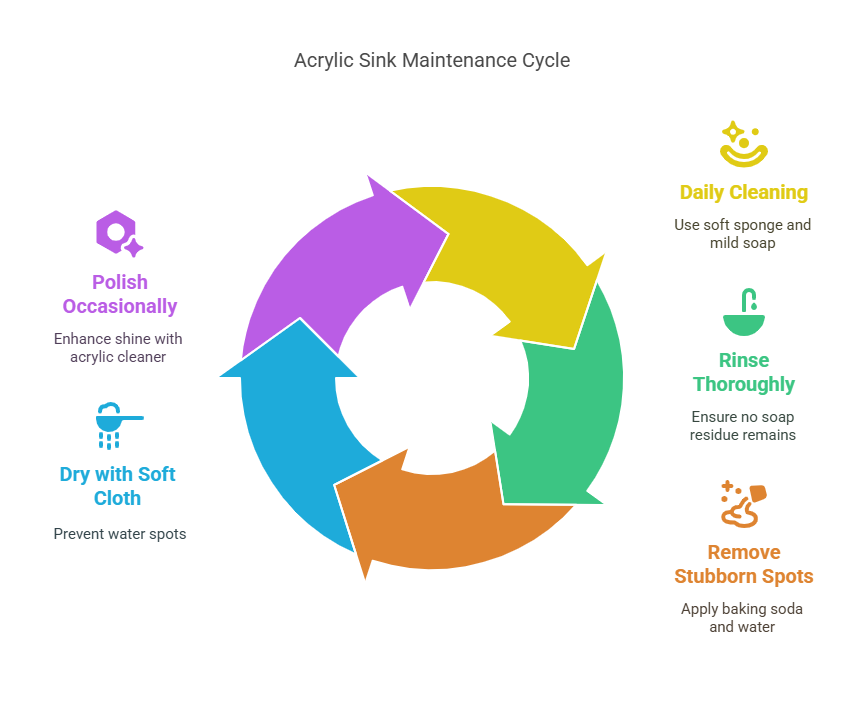
Because acrylic kitchen sinks resist stains and scratches, keeping them clean is straightforward and hassle-free. You don’t need harsh chemicals or abrasive pads. For everyday cleaning, just use a soft sponge and mild dish soap. Rinse thoroughly to prevent soap residue. If you notice stubborn spots, a mixture of baking soda and water gently lifts them without damaging the surface. Avoid steel wool and scouring powders, as they can cause dullness or scratches.
To maintain the sink’s shine, dry it with a soft cloth after use. This prevents water spots and keeps the surface looking fresh. Occasionally, polish with a non-abrasive acrylic cleaner for extra luster. Following these simple steps guarantees your acrylic sink remains hygienic, attractive, and easy to maintain for years.
Choosing the Right Style and Color for Your Kitchen
A clean and well-maintained acrylic sink already adds appeal to your kitchen, but the right style and color can make an even bigger impact. When choosing a style, consider your kitchen’s layout and daily workflow. Single-bowl sinks work well for compact spaces, while double-bowl options offer more flexibility for multitasking. Farmhouse and under-mount designs suit modern, seamless looks.
Color is just as important. White and light neutrals keep things classic and bright, while black, gray, or bold hues add personality and hide stains better. Match your sink color to your countertops or cabinets for a cohesive appearance, or choose a contrasting shade to make the sink a focal point. With so many acrylic options, you’ll easily find one that complements your kitchen’s style.
Conclusion
When you choose an acrylic kitchen sink, you’re opting for a lightweight, affordable, and stylish solution that fits nearly any kitchen. With easy installation and simple maintenance, you’ll save time and effort every day. Acrylic sinks come in a variety of colors and styles, so you can match your personal taste and kitchen decor. With the right care, your sink will stay looking sleek and clean—making it a smart, practical choice for any homeowner or renter.


.svg)
.png)
.jpg)