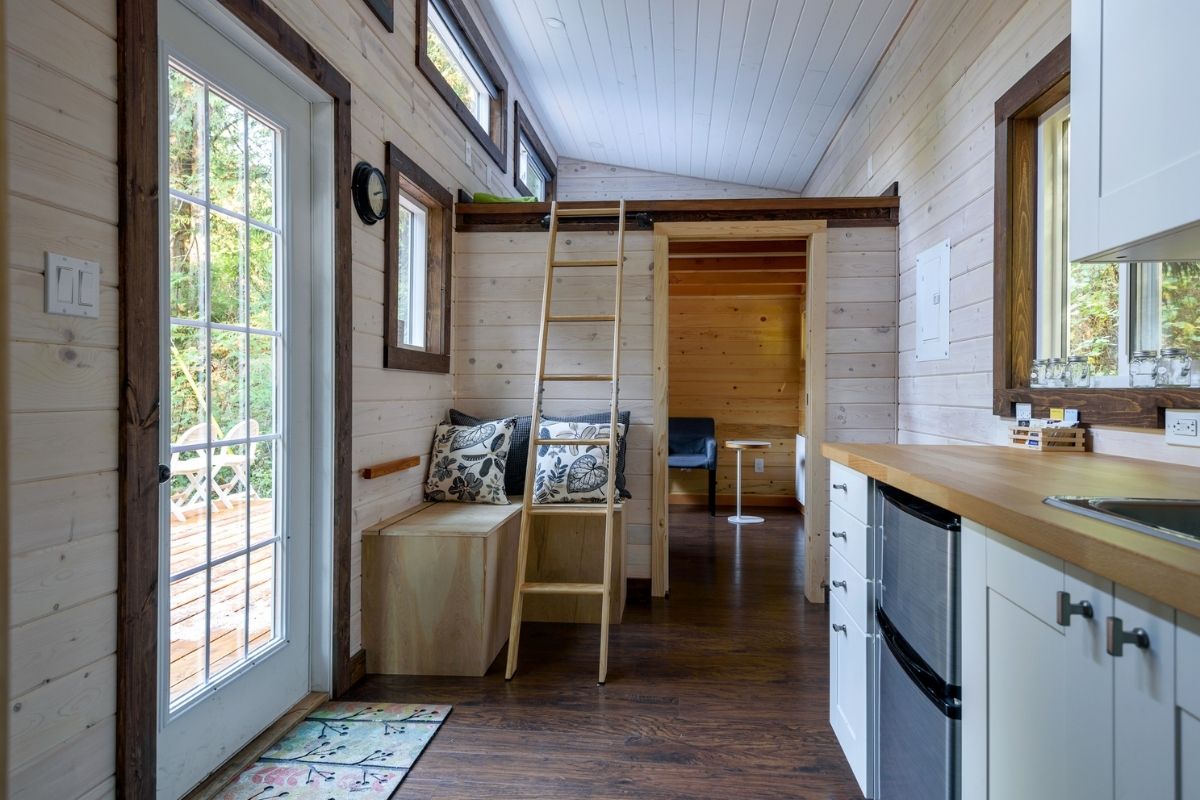
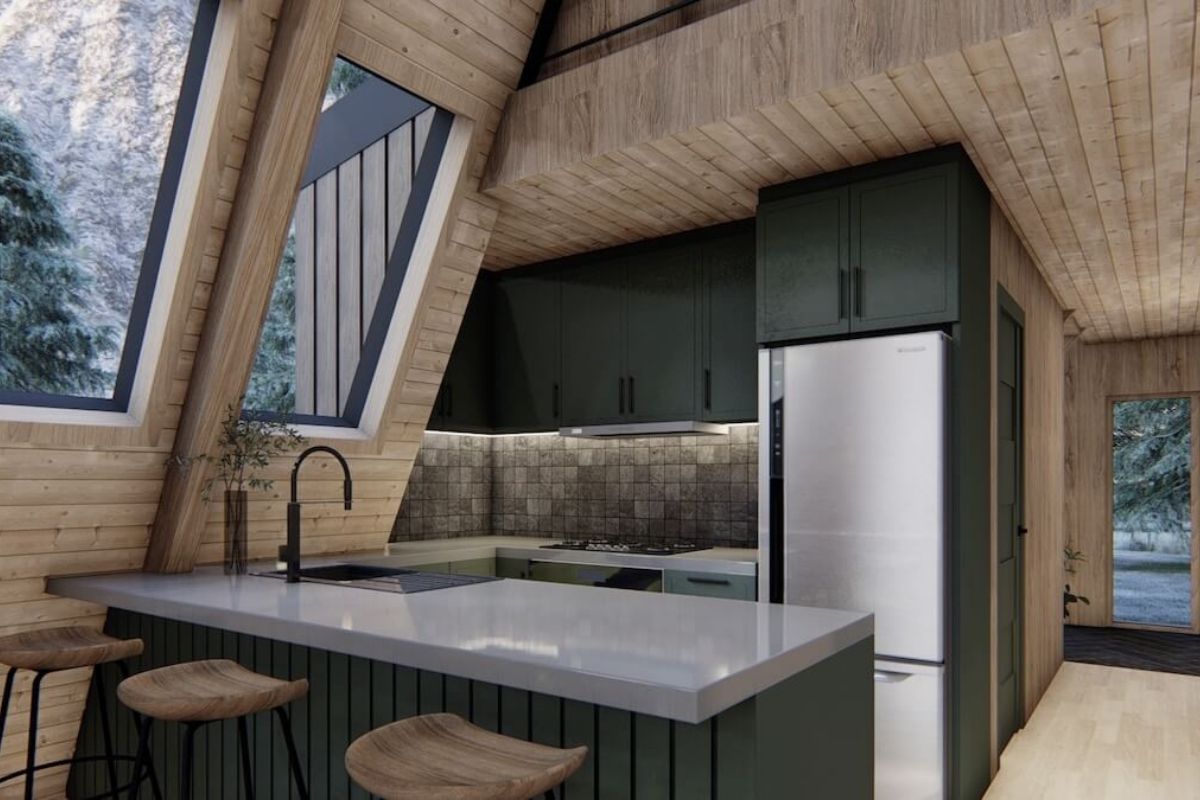
How Brokerages Can Recruit Agents Who Specialize in Tiny Homes and ADUs

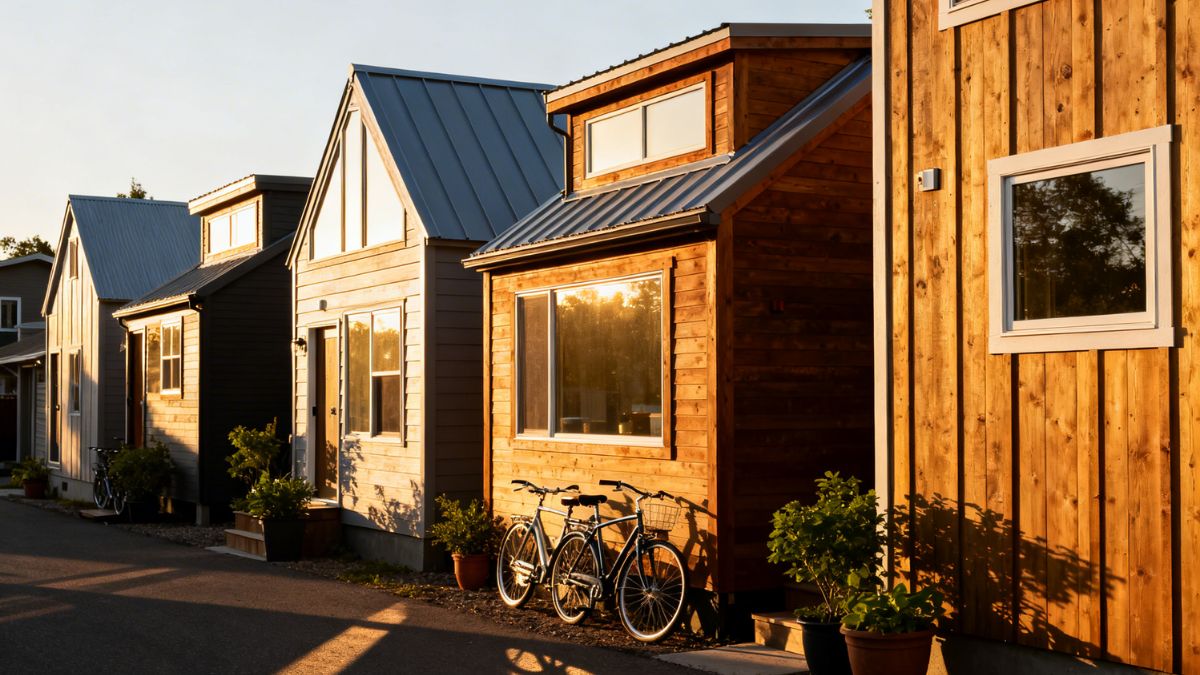
A buyer walks into your office asking about a 300-square-foot home on a permanent foundation. Another wants to know if the backyard cottage on a listing can legally be rented out. A third has found a tiny house on wheels and asks whether a mortgage will cover it.
These questions require knowledge beyond a typical home sale. Recruiting agents who understand tiny homes and ADUs can help a brokerage serve buyers with these specific needs.
A tiny home is a small dwelling. An ADU is a secondary dwelling on a property with a primary residence. Some tiny homes serve as ADUs, but the terms mean different things. Agents need to understand how classification, zoning, financing and limited comparable sales affect each transaction.
A brokerage with even two or three agents who know this ground can own a niche that most competitors ignore. This article covers why the niche matters, which skills to hire for, where to find these agents, and how to train and keep them once they join.
Why Tiny Home and ADU Expertise Is a Recruiting Advantage
Recruiting agents who understand tiny homes and ADUs thoroughly can help your brokerage to serve buyers who ask you questions more than typical questions. A big number of buyers nowadays prefer tiny homes or ADUs because of high prices and to create rental opportunities. Buyers who are planning to rent out their tiny homes for short-term rental can use an Airbnb virtual assistant to manage their bookings and guest messages.
Policy is moving in the same direction. States such as California, Oregon, and Washington have passed laws that make ADUs easier to build, and many cities have updated their codes to follow. Each change opens new inventory and new questions for buyers and sellers.
Look at how many agents work this niche in your market. If buyers have only a few skilled agents to pick from, your brokerage can fill that gap. Give recruits a clear offer. Include support, training and a plan to grow a tiny home and ADU business.
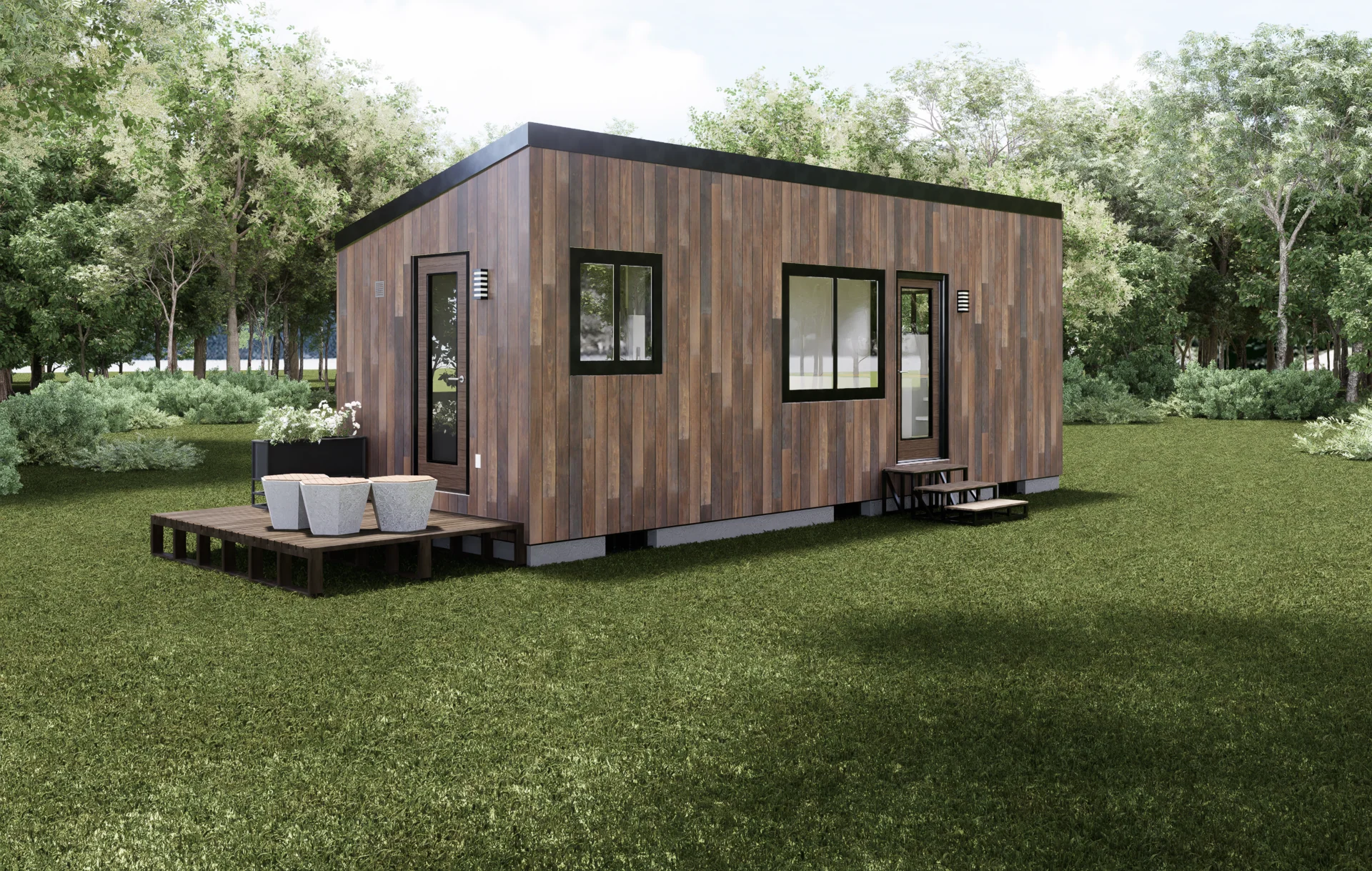
The Skills That Separate a Tiny Home Specialist From a General Agent
Not every agent who likes small homes can handle these transactions. Look for knowledge in four areas.
Property Classification Knowledge
The first question in any tiny home deal is whether the home counts as real property or personal property. A home on a permanent foundation, built to local code and affixed to land, is usually treated as real estate. A tiny house on wheels may count as an RV or personal property. Certification alone doesn’t make it real property or allow people to live in it full time. Agents should check its title and local rules, because these shape the financing, taxes and sale.
Zoning and Permitting Fluency
Specialists need to read local rules on minimum square footage, setbacks, owner occupancy requirements, and whether an ADU can be rented. They should know where to find this information for each market they serve and when to send a client to the planning office.
Financing Literacy
A permanent foundation and real-property status don’t promise mortgage approval. Building standards, title, appraisal and lender rules matter too. Based on the home, buyers may get a manufactured-home chattel loan, an RV loan, a personal loan or builder financing. Agents should help buyers check with lenders early to see what they qualify for.
Valuation and Comps Judgment
Comparable sales are thin in this market. Good specialists understand how land ownership versus a leased pad changes value and how to build a pricing case from limited data. Knowing how appraisers judge tiny home real estate value helps agents set realistic prices.
Where to Find Agents Who Fit This Niche
Specialists rarely announce themselves on job boards. You have to look where their experience already shows.
- Agents selling manufactured homes, land, or rural property. These agents already deal with classification questions, unusual financing, and properties that don't fit standard comps. The jump to tiny homes is a short one.
- Agents who own or rent out tiny homes or ADUs. Personal experience builds credibility with buyers. An agent who has gone through permitting for their own backyard unit can speak to clients in a way training alone can't match.
- Tiny house communities and events. Festivals, local meetups, and online groups attract licensed agents who are already passionate about the lifestyle but may not have a brokerage that supports a niche practice.
- Builder and contractor networks. Tiny home builders and ADU contractors often know which agents their customers trust. Ask them for introductions.
Since specialists rarely apply through job boards, many brokerages now treat realtor recruiting as an outbound effort, reaching agents with relevant transaction history directly by phone. Agent sales histories on listing portals show who has closed land or manufactured home deals, giving you a focused contact list instead of a broad one.
How to Pitch Your Brokerage to Niche Agents
Commission splits matter, but niche agents care about whether your brokerage can actually support the practice they want to build. Lead with that.
- Show a niche plan: Explain how your brokerage will market tiny home and ADU expertise, which neighborhoods or markets you will focus on, and how the specialist fits into that plan.
- Show lead sources: Point to relationships with builders and ADU contractors who refer buyers, targeted marketing aimed at downsizers and ADU investors, and any listings you already have in the category.
- Offer training and mentorship: Agents moving into this niche want support on zoning and financing. A training budget or access to an experienced mentor signals that you are serious.
- Highlight listing support: These properties are harder to price and market. Photography, floor plan tools, and help building valuation cases show that your brokerage can handle what other offices avoid.
Training and Onboarding for Tiny Home and ADU Specialists
Even experienced hires need market-specific grounding. A simple onboarding plan covers most of it.
Build a zoning and ADU rule sheet for each market you serve, updated whenever local codes change. Create a lender list that includes options for non-traditional financing, so agents know who to call when a buyer doesn't fit a standard mortgage.
Pair new specialists with an experienced agent for their first few deals. Shadowing a closing on a permanent-foundation tiny home teaches more than any manual.
Finally, give every specialist a transaction checklist: permits, code compliance, foundation type, title status, and whether the home is legally recognized as real property. Asking for this documentation early prevents most of the surprises that derail these deals.
Keeping Specialists Once You Hire Them
Recruiting is only half the work. Retention depends on whether the niche actually pays off for the agent.
Route tiny home and ADU leads to specialists so they aren't competing with generalists in the same office. Give them visibility in your marketing as the go-to experts for this category. And offer a growth path, such as leading a small niche team once volume supports it. Agents stay where their specialty is recognized and rewarded.
Conclusion
Buyers looking at tiny homes or homes with ADUs need an agent who knows classification, zoning, financing and value. In most cases, an ADU sells with the main home. Selling it on its own depends on state and local rules and an approved ownership setup. That skill gap is a recruiting opportunity.
Brokerages that identify the right agents, pitch a real niche plan, and support them with training and dedicated leads can build a practice that competitors will find hard to copy. As local rules continue to open up ADU and small home options, the brokerages that invest in specialists now will be the ones buyers and builders call first.
FAQ
Do tiny home agents need a special license?
No special designation is required to sell a tiny home that is classified as real property. A standard state real estate license covers it. Homes on wheels can fall under different rules depending on the state, so agents should confirm requirements with their state licensing board.
Should tiny home and ADU specialists work on a separate team?
It helps once volume grows. A dedicated team keeps niche leads with the agents best equipped to handle them and makes the specialty easier to market.