
Affordable Tiny House Design Ideas for Budget-Conscious Buyers


The tiny house movement has gained significant traction in recent years, reflecting a growing desire for minimalist living, affordability, and sustainability. For many, the appeal lies in the freedom that comes from downsizing and simplifying one's lifestyle. However, the challenge for budget-conscious buyers is finding the right tiny house design ideas that balances aesthetics, functionality, and cost. This guide offers a comprehensive look at tiny house design ideas, tailored for those who wish to create a cozy, efficient living space without breaking the bank.
Understanding Tiny House Design
What Defines Tiny House Design?
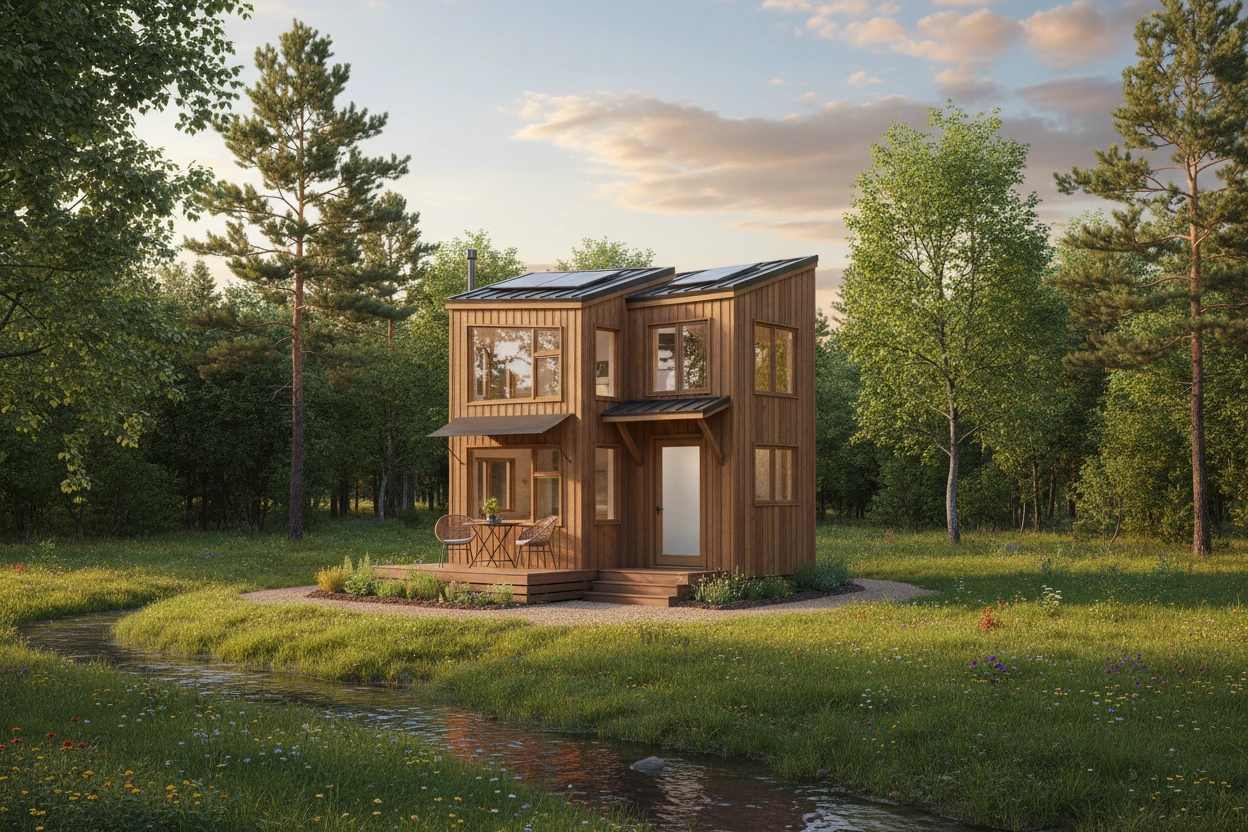
Tiny house design is characterized by its focus on maximizing space and functionality while minimizing waste. A typical tiny house ranges from 100 to 400 square feet, encouraging innovative solutions for storage, layout, and utility. Common features include multi-functional furniture, open floor plans, and clever use of vertical space. These design elements not only enhance livability but also contribute to the overall aesthetic of the home.
The Benefits of Tiny House Living
Living in a tiny house offers several advantages, particularly for those who prioritize financial freedom and a simplified lifestyle. Key benefits include:
- Cost Savings: Lower mortgage or rental payments, reduced utility bills, and decreased maintenance costs.
- Environmental Impact: Smaller homes require fewer resources to build and maintain, resulting in a smaller carbon footprint.
- Flexibility: Many tiny houses are built on trailers, allowing homeowners to relocate easily.
- Simplified Living: A smaller space encourages minimalism, helping residents focus on experiences rather than possessions.
Essential Tiny House Design Principles
Prioritizing Space Efficiency
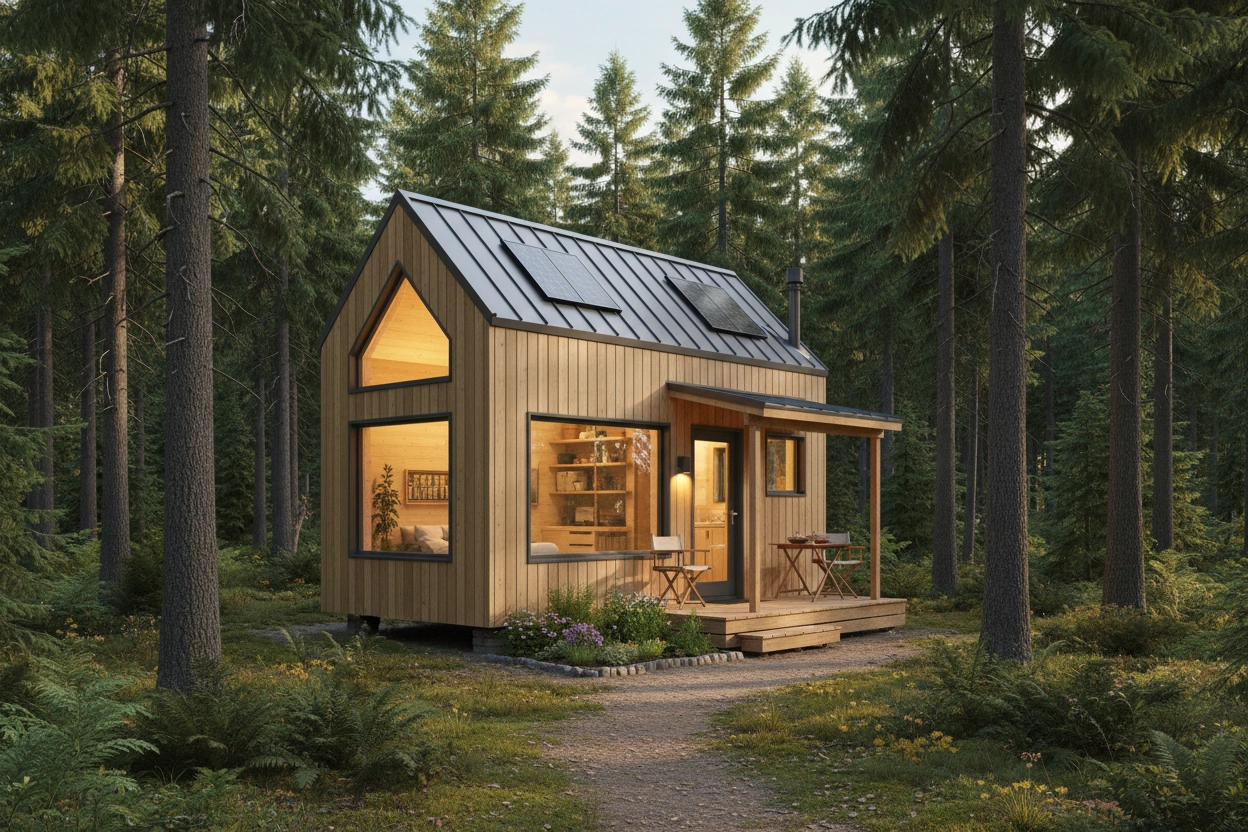
In tiny house design, space efficiency is paramount. This involves strategic planning to ensure that every square foot serves a purpose. Here are some effective strategies:
- Open Floor Plans: Creating an open living area eliminates unnecessary walls, making the space feel larger and more inviting.
- Multi-Functional Furniture: Invest in furniture that serves multiple purposes, such as a sofa bed or a dining table that doubles as a workspace.
- Built-In Storage Solutions: Incorporate built-in shelves, cabinets, and storage under stairs to maximize available space.
Choosing the Right Materials
Selecting cost-effective and sustainable materials is crucial for budget-conscious buyers. Consider the following options:
- Reclaimed Wood: Using reclaimed wood not only saves money but also adds character to the design.
- Eco-Friendly Insulation: Insulation is vital for energy efficiency. Look for options like sheep's wool or recycled denim, which are both effective and environmentally friendly.
- Durable Finishes: Choose materials that can withstand wear and tear, such as laminate countertops or vinyl flooring, which are often more affordable than natural stone or hardwood.
Affordable Tiny House Plans
Pre-Designed Plans
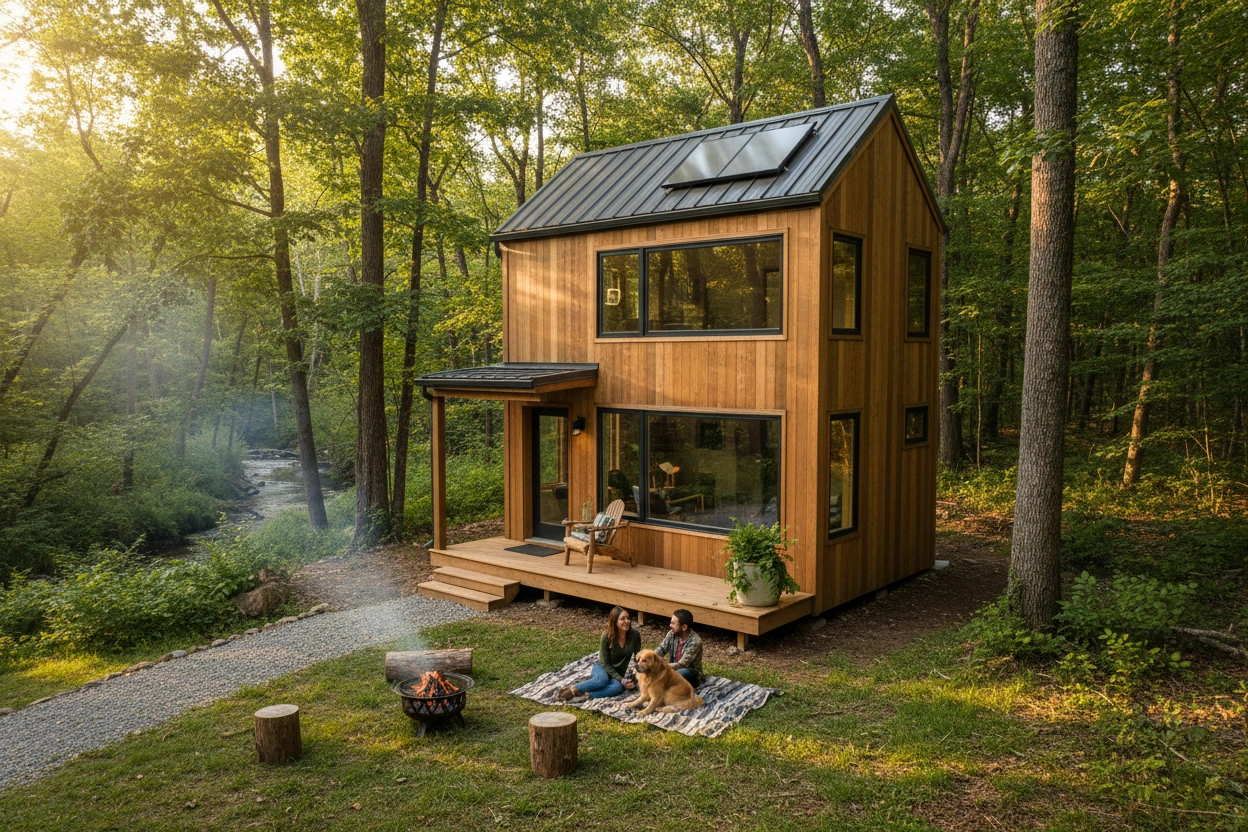
For those new to tiny house building, pre-designed plans can simplify the process and reduce costs. Here are some popular options:
- The Minimalist: A simple design featuring a lofted sleeping area, open living space, and a compact kitchen.
- The Modern Cabin: Combining rustic elements with contemporary finishes, this plan often includes large windows for natural light.
- The Urban Retreat: A design that focuses on maximizing vertical space with shelves and storage while maintaining a cozy atmosphere.
Customizing Your Tiny House
While pre-designed plans offer a great starting point, customizing your tiny house can help reflect your personal style and needs. Consider these modifications:
- Unique Layouts: Adjust the floor plan to fit your lifestyle, whether that means adding an office nook or expanding the kitchen area.
- Personalized Aesthetics: Choose color schemes, decor, and finishes that resonate with your taste, making the space feel uniquely yours.
- Energy-Efficient Upgrades: Incorporate solar panels or energy-efficient appliances to reduce long-term costs and environmental impact.
Common Mistakes in Tiny House Design
Overlooking Storage Solutions
One of the most common pitfalls in tiny house design is neglecting adequate storage. Without proper planning, clutter can quickly accumulate, defeating the purpose of downsizing. To avoid this mistake, consider:
- Vertical Storage: Utilize wall-mounted shelves and hooks to keep items off the floor.
- Under-Bed Storage: Invest in storage containers that fit beneath beds or lofts to maximize space.
Ignoring Building Regulations
Before embarking on a tiny house project, it’s essential to understand local building codes and zoning regulations. Many areas have specific rules regarding the size, placement, and utilities of tiny homes. Failing to comply can result in costly fines or the need for significant alterations. To navigate this, research local regulations and consult with a professional if needed.
Tips for Budget-Conscious Tiny House Building
Create a Realistic Budget
Establishing a clear budget is fundamental to any tiny house project. Consider the following steps to keep costs manageable:
- Identify Must-Haves vs. Nice-to-Haves: Prioritize features that are essential for your lifestyle while remaining flexible on less critical items.
- Research Costs: Gather quotes from suppliers and contractors to create a more accurate financial picture.
- Set Aside Contingency Funds: Plan for unexpected expenses by allocating a portion of your budget for contingencies.
DIY vs. Hiring Professionals
Deciding between a DIY approach or hiring professionals can significantly impact your budget. Here are some considerations:
- DIY Projects: If you have the skills and time, taking on certain aspects of the build can lead to substantial savings. Focus on tasks like painting, landscaping, or installing fixtures. DIY vs. Hiring Professionals
- Professional Help: For complex tasks such as electrical work or plumbing, hiring licensed professionals is often necessary to ensure safety and compliance with regulations.
Embracing Sustainability in Tiny House Design
Eco-Friendly Features
Incorporating sustainable practices into tiny house design not only benefits the environment but can also save money in the long run. Consider these eco-friendly features:
- Rainwater Harvesting Systems: Collecting rainwater for irrigation or even household use can reduce water bills and reliance on municipal sources.
- Energy-Efficient Appliances: Opt for ENERGY STAR-rated appliances that consume less energy and lower utility costs.
- Solar Energy: Installing solar panels can provide renewable energy and reduce dependence on traditional power sources.
Sustainable Landscaping
Landscaping can also play a role in sustainable living. Choose native plants that require less water and maintenance. Implementing a small garden can provide fresh produce and enhance the overall aesthetic of your tiny home.
The Intersection of Tiny House Design and Community Living
Benefits of Tiny House Communities
Many tiny house enthusiasts are opting to live in tiny house communities, where residents share resources and support one another. This lifestyle offers several benefits:
- Shared Facilities: Communities often provide shared amenities like laundry facilities, gardens, and communal spaces, which can reduce individual costs.
- Support Network: Living among like-minded individuals fosters a sense of community and shared experiences.
- Land Use Efficiency: Tiny house communities make efficient use of land, promoting sustainability and reducing sprawl.
Finding the Right Community
When considering a tiny house community, it’s essential to research and visit potential locations. Look for communities that align with your values and lifestyle preferences. Evaluate factors such as location, amenities, and community governance to ensure a good fit.
Applying Your Knowledge of Tiny House Design
Affordable tiny house design is more than just a trend; it represents a shift towards more sustainable and meaningful living. By understanding the principles of tiny house design, selecting the right plans, and avoiding common pitfalls, aspiring tiny homeowners can create a space that reflects their values and lifestyle.
For those interested in taking the next step, TinyHouse.com offers a wealth of resources and expert guidance on tiny house designs and how to turn your vision into reality. Whether you're ready to start your tiny house journey or simply want to learn more, TinyHouse.com is here to support you every step of the way.
Visit TinyHouse.com to explore more about tiny house designs and how to turn your vision into reality.


.svg)

.jpg)