How to Choose the Best Roofing Materials for Your Tiny House


Selecting the right roofing materials for a tiny house is a pivotal decision that impacts not only the aesthetic appeal but also the durability and energy efficiency of your home. Tiny house roofing requires careful consideration of various factors, including weight, insulation, cost, and local climate. With the increasing popularity of tiny homes among individuals seeking a minimalist lifestyle, understanding the best roofing options is essential for making informed choices.
In this guide, we will explore the top five roofing types for tiny homes, detailing their benefits, drawbacks, and suitability for different climates and preferences. This comprehensive overview will equip you with the knowledge necessary to select the best roofing materials for your tiny house.
Top 5 Roofing Types for Tiny Homes
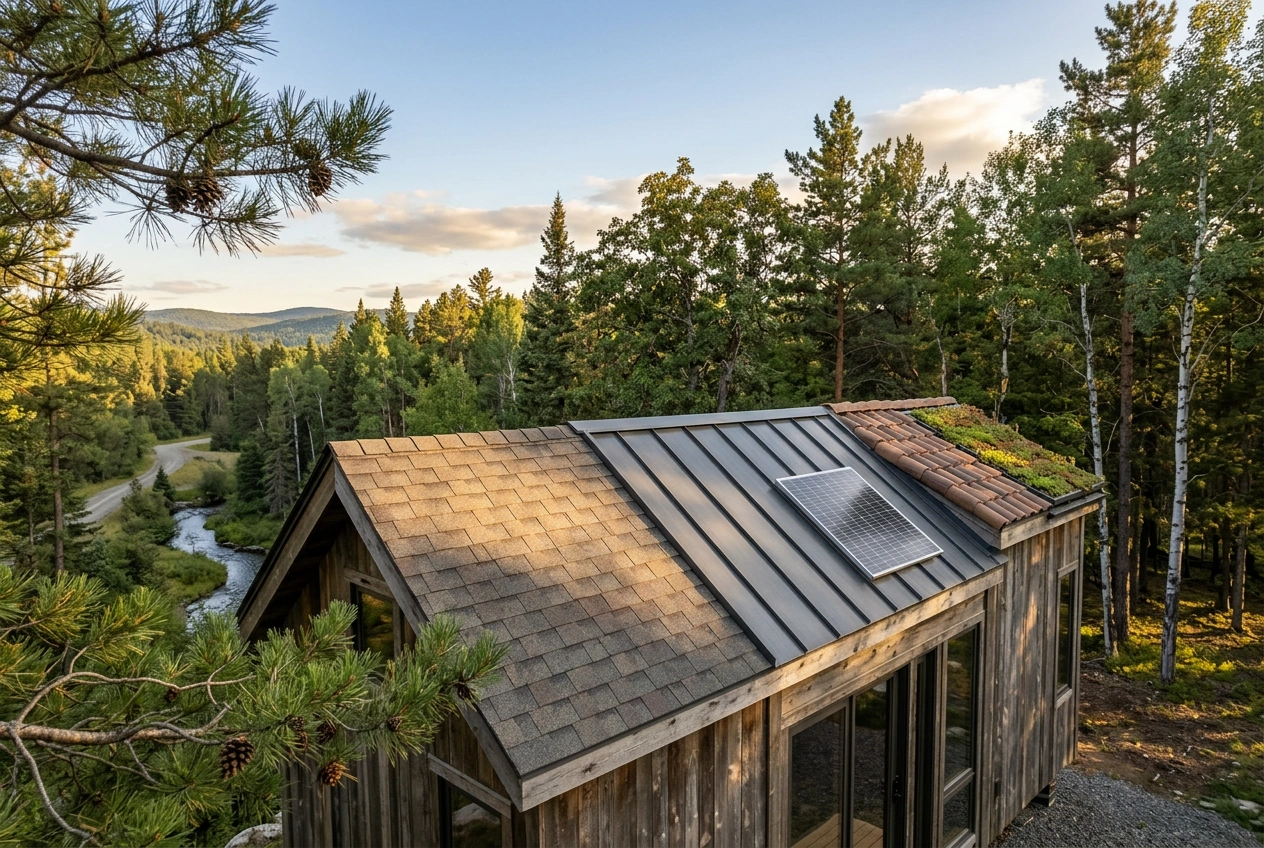
When it comes to tiny house roofing, different materials cater to various needs and preferences. Below are the top five roofing types that have proven to be popular choices for tiny homes, each with unique characteristics and advantages.
1. Metal Roofing
Metal roofing has surged in popularity among tiny house builders for its durability and lightweight properties. Typically made from steel or aluminum, metal roofs can last up to 50 years with proper maintenance.
Advantages of Metal Roofing
- Longevity: Metal roofs are highly resistant to weather conditions, including high winds and heavy snow, making them ideal for various climates.
- Energy Efficiency: Reflective coatings can help reduce heat absorption, keeping your tiny house cooler in summer.
- Low Maintenance: Metal roofs require minimal upkeep compared to other materials.
Disadvantages of Metal Roofing
- Cost: Initial installation can be higher than other roofing types.
- Noise: Rain and hail can create noise, which might be a consideration for some homeowners.
2. Asphalt Shingles
Asphalt shingles are a common choice for many homeowners, including those with tiny houses. They are affordable and easy to install, making them an attractive option for budget-conscious builders.
Advantages of Asphalt Shingles
- Affordability: Asphalt shingles are one of the most cost-effective roofing materials available.
- Variety: They come in various colors and styles, allowing for customization to match your tiny home’s design.
- Ease of Installation: Installation is straightforward, making it a popular choice for DIY enthusiasts.
Disadvantages of Asphalt Shingles
- Lifespan: Typically, they last around 20 to 30 years, which is shorter than metal roofing options.
- Susceptibility to Weather: Extreme weather conditions can cause shingles to lift or crack over time.
3. Wood Shingles and Shakes
Wood shingles and shakes offer a natural aesthetic that appeals to many tiny house owners. These materials are often sourced from cedar, pine, or redwood, providing a rustic charm.
Advantages of Wood Shingles and Shakes
- Aesthetic Appeal: They provide a warm, organic look that blends well with nature.
- Insulation: Wood offers excellent insulation properties, helping regulate indoor temperatures.
Disadvantages of Wood Shingles and Shakes
- Maintenance: They require regular treatment to prevent rot, mold, and insect damage.
- Fire Risk: Wood is more susceptible to fire unless treated with fire-retardant chemicals.
4. Slate Roofing
Slate roofing is a premium choice, known for its elegance and durability. While not commonly used for tiny houses due to its weight, it can be a viable option for those seeking a high-end look.
Advantages of Slate Roofing
- Durability: Slate can last over a century, making it one of the longest-lasting roofing materials available.
- Low Maintenance: Once installed, slate requires little maintenance and is resistant to mold and algae.
Disadvantages of Slate Roofing
- Cost: Slate is one of the most expensive roofing options, both in materials and installation.
- Weight: The heavy nature of slate requires adequate structural support, which may not be feasible for all tiny homes.
5. Membrane Roofing
Membrane roofing, often made from materials such as EPDM (ethylene propylene diene monomer) or TPO (thermoplastic polyolefin), is increasingly popular for flat-roofed tiny homes.
Advantages of Membrane Roofing
- Waterproof: Membrane roofs provide excellent waterproofing, ideal for areas with heavy rainfall.
- Lightweight: They are significantly lighter than other roofing materials, which is advantageous for tiny homes with limited structural support.
Disadvantages of Membrane Roofing
- Aesthetic Limitations: Membrane roofs are often less visually appealing compared to other materials.
- Lifespan: While durable, they typically last around 20 years, which is shorter than metal or slate options.
Factors to Consider When Choosing Tiny House Roofing
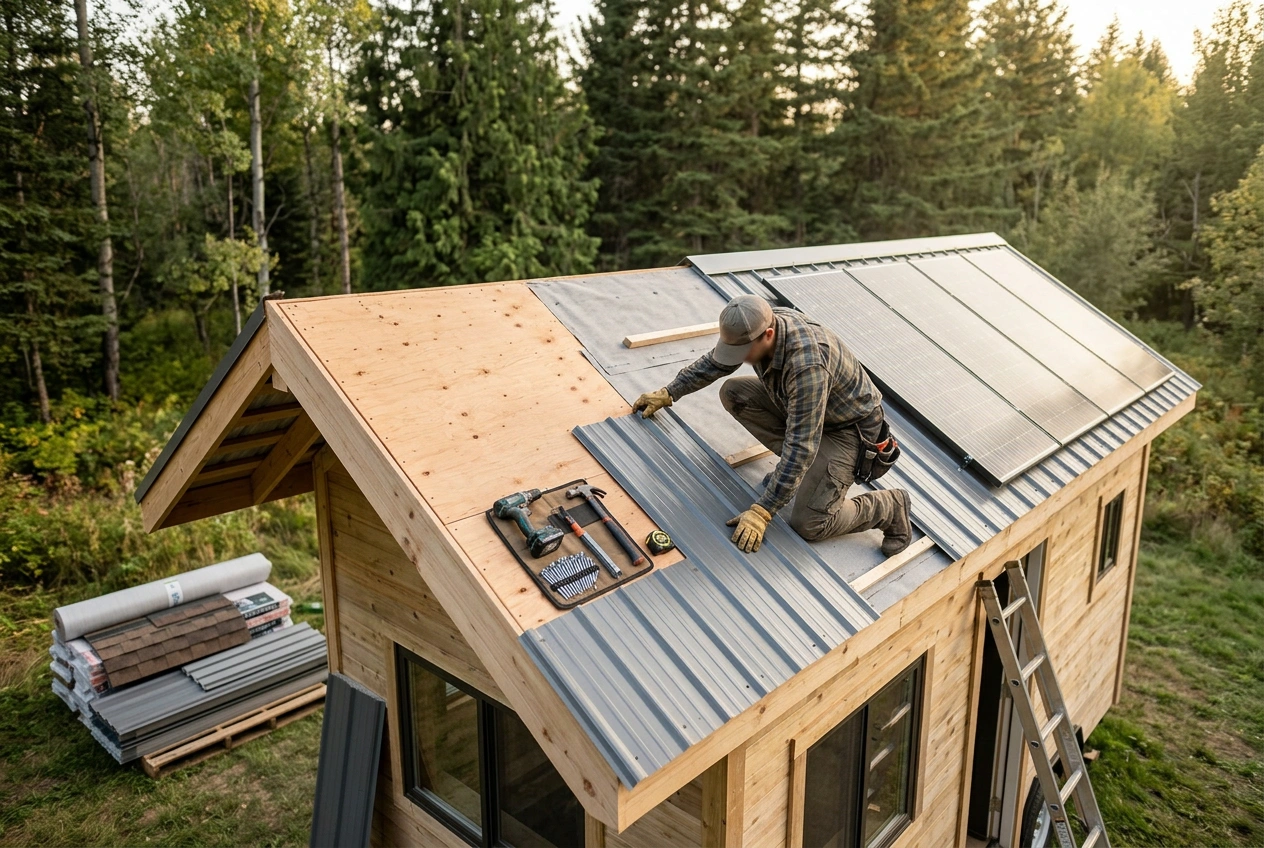
When selecting roofing materials for your tiny house, consider the following factors:
Climate Considerations
Understanding the climate in your area is crucial for choosing the right roofing material. For example, metal roofs are ideal for areas with heavy snowfall due to their ability to shed snow easily, while asphalt shingles may perform better in milder climates.
Weight and Structural Support
The weight of the roofing material can significantly impact your tiny house's structure. Lighter materials like metal or membrane roofing are often more suitable for tiny homes, as they require less structural support compared to heavier options like slate.
Budget Constraints
Establishing a budget constraints is essential. While some materials may offer long-term savings through durability and energy efficiency, they may require a higher upfront investment. Assessing your financial capacity will guide you in selecting materials that align with your budget without compromising quality.
Aesthetic Preferences
The design of your tiny house should reflect your personal style. Consider how different roofing materials will complement the overall look of your home. For instance, wood shingles may enhance a rustic vibe, while metal roofing can provide a modern aesthetic.
Common Misconceptions About Tiny House Roofing
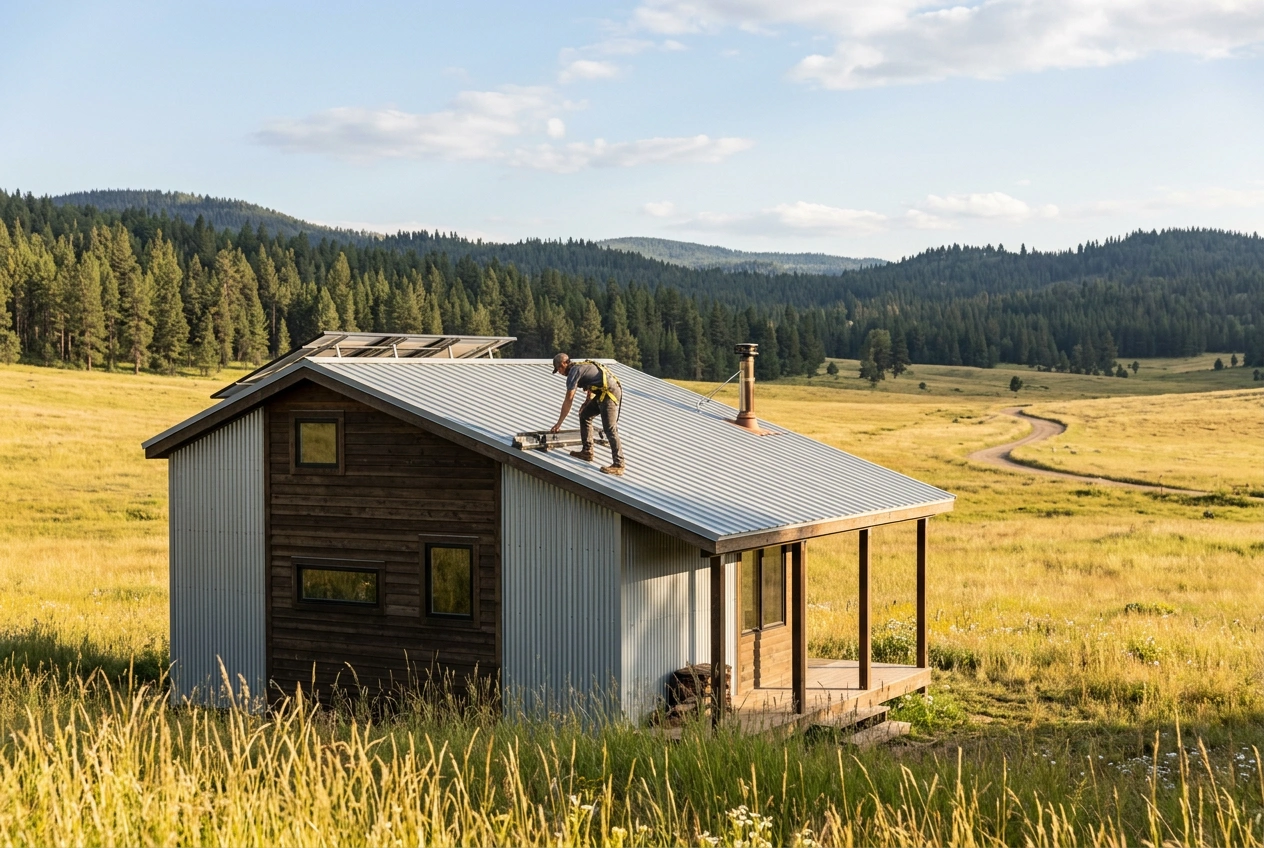
Understanding the realities of tiny house roofing can help dispel common myths and ensure informed decision-making.
Misconception: All Roofing Materials are Equal
Not all roofing materials perform the same under various conditions. Factors such as climate, insulation, and maintenance requirements can significantly affect the longevity and efficiency of different materials.
Misconception: Cost is the Only Factor
While cost is a significant consideration, the long-term value of roofing materials should also be factored in. Investing in higher-quality materials may reduce maintenance costs and extend the lifespan of your roof.
Misconception: DIY is Always the Best Option
While many tiny house builders opt for DIY roofing installation, it is essential to assess your skills and the complexity of the roofing material. Some materials may require professional installation to ensure proper sealing and support.
Actionable Tips for Choosing Tiny House Roofing
To ensure you make the best decision for your tiny house roofing, consider these actionable tips:
- Research Local Building Codes: Before selecting roofing materials, ensure they comply with local building codes and regulations.
- Consult with Professionals: Seek advice from roofing professionals or builders experienced in tiny homes to gain insights tailored to your specific situation.
- Evaluate Energy Efficiency: Consider roofing materials with energy-efficient properties, as they can help reduce heating and cooling costs over time.
- Plan for Future Maintenance: Factor in the maintenance requirements of your chosen material and whether you are willing to perform regular upkeep.
- Test Your Choices: If possible, visit tiny homes with different roofing materials to see firsthand how they look and perform.
The Intersection of Roofing Materials and Tiny House Living
Choosing the right roofing materials is a foundational aspect of building or renovating a tiny house. The decisions you make will affect not only your home's appearance but also its comfort, energy efficiency, and longevity. By understanding the advantages and disadvantages of different roofing types, you can make informed choices that align with your lifestyle and needs.
TinyHouse.com is dedicated to supporting your journey in tiny home living, providing resources and insights to help you navigate the complexities of building or buying your ideal space. From selecting roofing materials to understanding tiny house regulations, we are here to assist you every step of the way.
For more information and expert advice on tiny house roofing and other essential aspects of tiny living, visit TinyHouse.com. Let us help you create the tiny home of your dreams.