Beginner’s Guide to Tiny House Design for Sustainable Living


The trend toward tiny house living has gained remarkable traction in recent years, appealing to individuals and families seeking a simpler, more sustainable lifestyle. As of 2026, the tiny house movement continues to inspire many to downsize, reduce their environmental footprint, and embrace a minimalist lifestyle. This guide offers a comprehensive look at tiny house design, providing practical insights and inspiring plans to help you embark on your tiny home journey.
Tiny house design is not merely about the size of the home; it encompasses thoughtful planning, innovative use of space, and an understanding of sustainable living principles. The essence of tiny house design lies in maximizing utility while minimizing waste, allowing inhabitants to live comfortably and sustainably without excess. This guide will explore essential design elements, common misconceptions, and top plans to inspire your tiny house project.
Key Principles of Tiny House Design
Space Optimization
In tiny house design, every square inch counts. Efficient use of space is essential to create a comfortable living environment. Consider the following strategies:
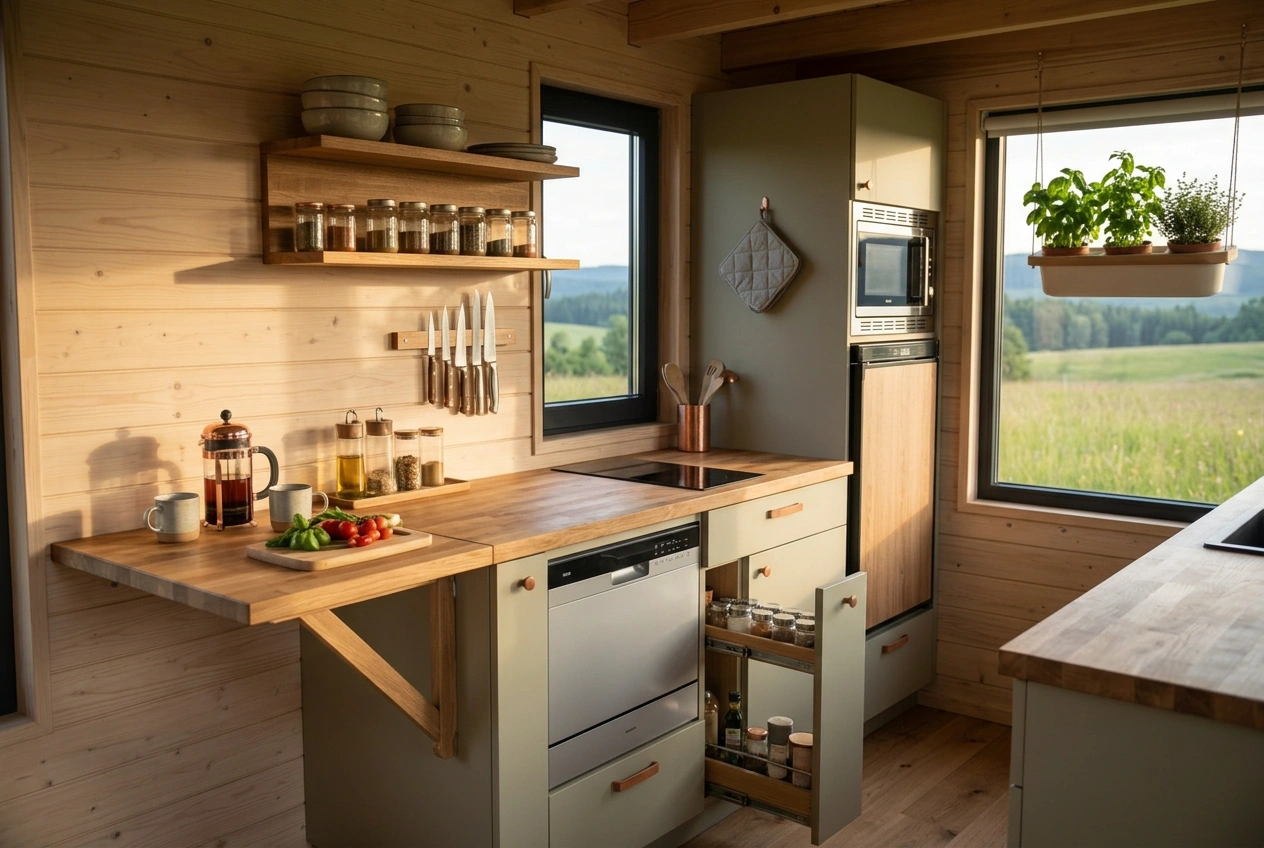
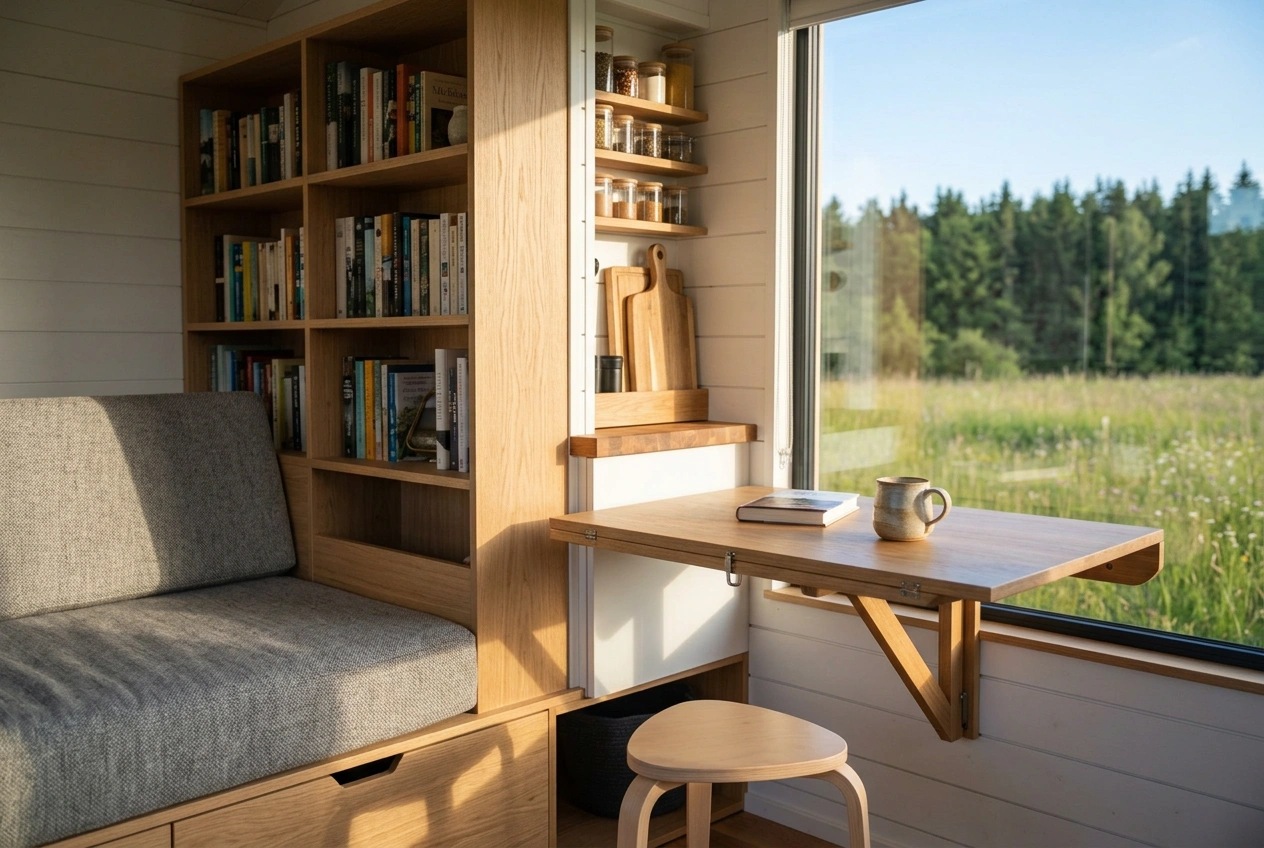
Multi-functional furniture: Invest in furniture that serves multiple purposes, such as a sofa that converts into a bed or a dining table that can be folded away when not in use. This approach not only saves space but also adds versatility to your home.
Vertical storage solutions: Utilize vertical space for storage. Install shelves and cabinets that reach up to the ceiling, allowing you to store items out of sight while keeping the floor area clear.
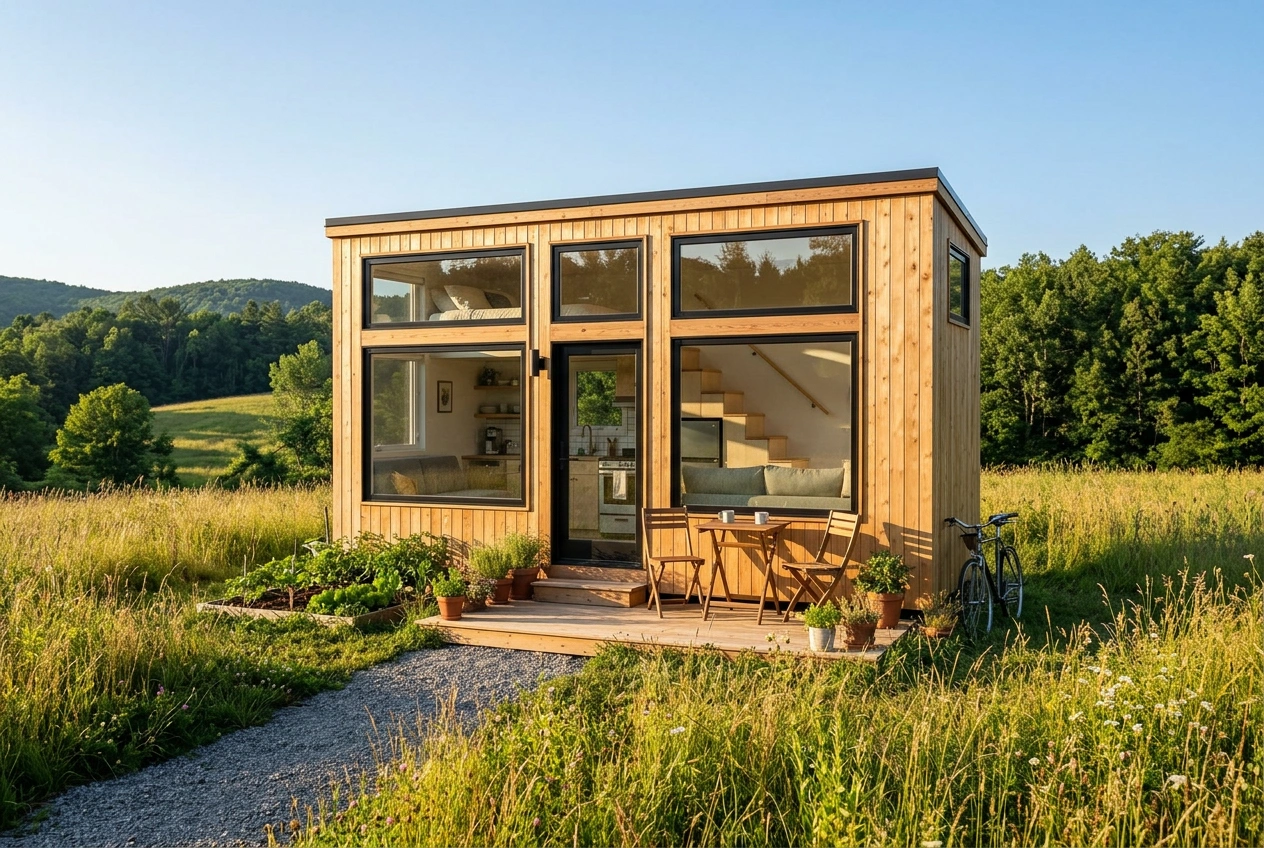
Open floor plans: An open layout can make a small space feel larger and more inviting. Avoid unnecessary walls and barriers that can make the home feel cramped. Instead, create distinct areas using rugs or furniture placement.
Sustainable Materials
Choosing sustainable materials is a cornerstone of tiny house design. The right materials can enhance the home's longevity while minimizing environmental impact. Here are some considerations:
Reclaimed wood: Use reclaimed wood for flooring, walls, and furniture. This choice not only reduces the demand for new materials but also adds character and warmth to your home.
Eco-friendly insulation: Invest in sustainable insulation options, such as cellulose or sheep’s wool. These materials provide excellent thermal performance while being environmentally friendly.
Low-VOC finishes: Select paints, stains, and finishes that are low in volatile organic compounds (VOCs). These products contribute to better indoor air quality and reduce harmful emissions.
Energy Efficiency
Energy efficiency is a critical aspect of tiny house design. By optimizing energy use, you can reduce your ecological footprint and lower utility costs. Consider these elements:
Solar panels: Installing solar panels can provide a renewable energy source, significantly reducing reliance on traditional electricity. Many tiny house builders incorporate solar solutions to power their homes.
Energy-efficient appliances: Opt for appliances that are designed to consume less energy. Look for ENERGY STAR certified products, which can help you save on electricity bills while being environmentally friendly.
Proper ventilation: Ensure your tiny home has adequate ventilation to maintain indoor air quality and manage humidity. Good ventilation can reduce the need for heating and cooling, further enhancing energy efficiency.
Common Misconceptions About Tiny House Living
Tiny Houses Are Only for Minimalists
A prevalent misconception is that tiny houses are solely for those who embrace minimalism. While minimalism aligns with the tiny house philosophy, it is not a prerequisite for living in a small space. Many individuals and families choose tiny homes for various reasons, including affordability, flexibility, and a desire for a simpler lifestyle. Tiny houses can be customized to suit personal tastes and lifestyles, accommodating various needs beyond minimalism.
Tiny Homes Lack Comfort and Style
Another myth is that tiny homes compromise comfort and style. Modern tiny house design has evolved significantly, offering a wide range of aesthetic choices and comfort features. From cozy interiors with high-end finishes to stylish exteriors that reflect personal tastes, tiny homes can be both functional and beautiful. By focusing on thoughtful design and quality materials, you can create a space that feels inviting and stylish.
Tiny Living Is Impractical for Families
Many assume that tiny living is impractical for families. However, with careful planning and the right design choices, tiny homes can accommodate families of all sizes. By incorporating multi-functional spaces, bunk beds for children, and communal areas for family activities, tiny houses can provide a nurturing environment for families while promoting togetherness and connection.
Top 10 Tiny House Plans to Inspire Your Next Project
Finding the right design for your tiny house can be both exciting and overwhelming. To help you get started, here are ten inspiring tiny house plans that embody the principles of effective tiny house design:
The Tiny Cottage
A charming design featuring a gabled roof, large windows, and an open floor plan. This design maximizes natural light and provides a cozy atmosphere.The Minimalist Retreat
A sleek, modern design that emphasizes simplicity and functionality. Featuring clean lines and a spacious loft, this plan is perfect for those who appreciate minimalist aesthetics.The Eco-Friendly Haven
This plan incorporates sustainable materials and energy-efficient features. With solar panels, rainwater collection systems, and reclaimed wood, it embodies eco-conscious living.The Family-Friendly Tiny Home
Designed with families in mind, this plan includes a separate bedroom for parents, bunk beds for kids, and a communal living area that promotes family interaction.The Mobile Tiny House
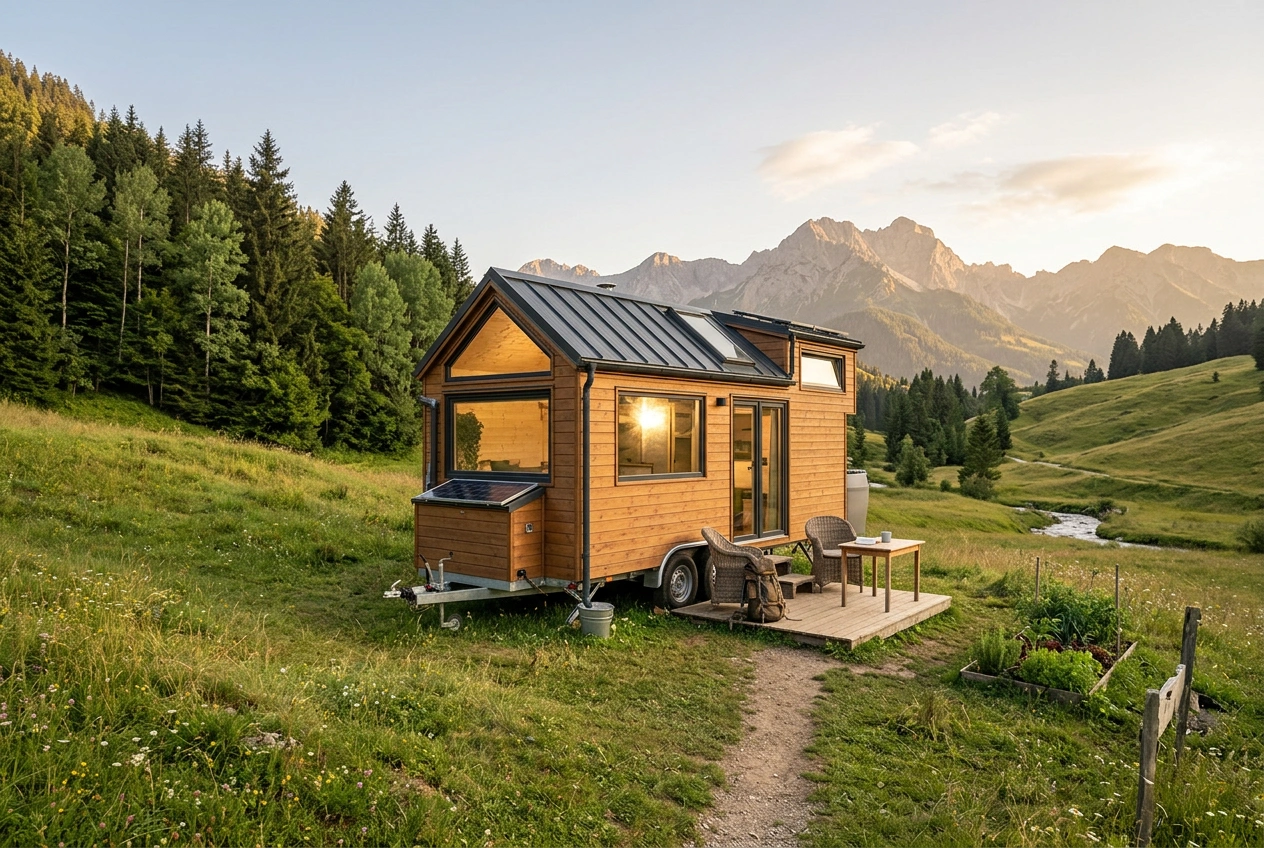
A versatile design that can be easily transported. This plan includes a compact kitchen and a foldable dining table, making it perfect for those who love to travel.The Rustic Cabin
A cozy design featuring natural wood finishes and a stone fireplace. This plan creates a warm, inviting atmosphere, ideal for those seeking a cabin-like experience.The Urban Tiny House
This modern design fits seamlessly into urban environments. With a rooftop deck and a compact layout, it maximizes outdoor space while maintaining comfort indoors.The Luxury Tiny Home
A high-end design that includes premium finishes and high-tech features. This plan showcases how luxury can be achieved in a compact space.The Multi-Story Tiny House
A unique design that utilizes vertical space effectively. This plan features multiple levels, allowing for distinct living areas while maintaining a small footprint.The Off-Grid Tiny Home
A self-sufficient design equipped with solar panels, a composting toilet, and a rainwater harvesting system. This plan is perfect for those seeking independence from traditional utilities.
Actionable Tips for Designing Your Tiny House
Planning Your Layout
Planning is essential when embarking on a tiny house design project. Follow these steps to create a functional layout:
Identify your needs: Consider how many people will live in the tiny house and what essential features are required, such as a kitchen, bathroom, and sleeping areas.
Sketch your design: Create a rough layout of your tiny home, including the placement of furniture and appliances. This will help visualize the flow of the space.
Optimize storage: Plan for ample storage solutions, utilizing under-bed storage, built-in shelves, and cabinets to keep your home organized and clutter-free.
Selecting the Right Location
Choosing the right location for your tiny house is a critical factor in its success. Consider the following:
Zoning regulations: Research local zoning laws and building codes to ensure that tiny homes are permitted in your desired area. Some regions have specific regulations regarding size and use.
Access to utilities: Determine whether your tiny house will be connected to utilities or if you'll need to invest in off-grid solutions. Access to water, sewage, and electricity will impact your design choices.
Community considerations: Evaluate the surrounding community and amenities. Proximity to schools, work, and recreational areas can significantly influence your living experience.
Budgeting Your Tiny House Project
Creating a budget is vital to keep your tiny house project on track. Here are key components to consider:
Land costs: Factor in the cost of purchasing or leasing land for your tiny home. This can vary significantly based on location.
Building materials: Research the costs of materials you'll need for construction. Sustainable and high-quality materials may come at a premium, but they often provide long-term savings.
Labor expenses: Determine whether you will build the tiny house yourself or hire professionals. Labor costs can significantly impact your overall budget.
The Role of TinyHouse.com in Your Tiny House Journey
Tiny house design is an exciting venture that combines creativity with practicality. With careful planning and the right resources, you can create a sustainable living space that meets your needs and reflects your values. TinyHouse.com is here to support you through every step of your tiny house journey.
At TinyHouse.com, you can find a wealth of resources, including design plans, materials, and expert advice tailored to your needs. Whether you're looking for inspiration, guidance, or practical tools, our platform is dedicated to helping you navigate the tiny house landscape with ease.
Get Started with Your Tiny House Design
If you're ready to embrace the tiny house movement and start your journey toward sustainable living, visit TinyHouse.com. Our team is eager to assist you in finding the perfect design and resources to bring your vision to life. Contact TinyHouse.com today to learn more about how we can help you achieve your tiny house dreams.