
Affordable Tiny House Roofing: Cost Breakdown and Budget Tips

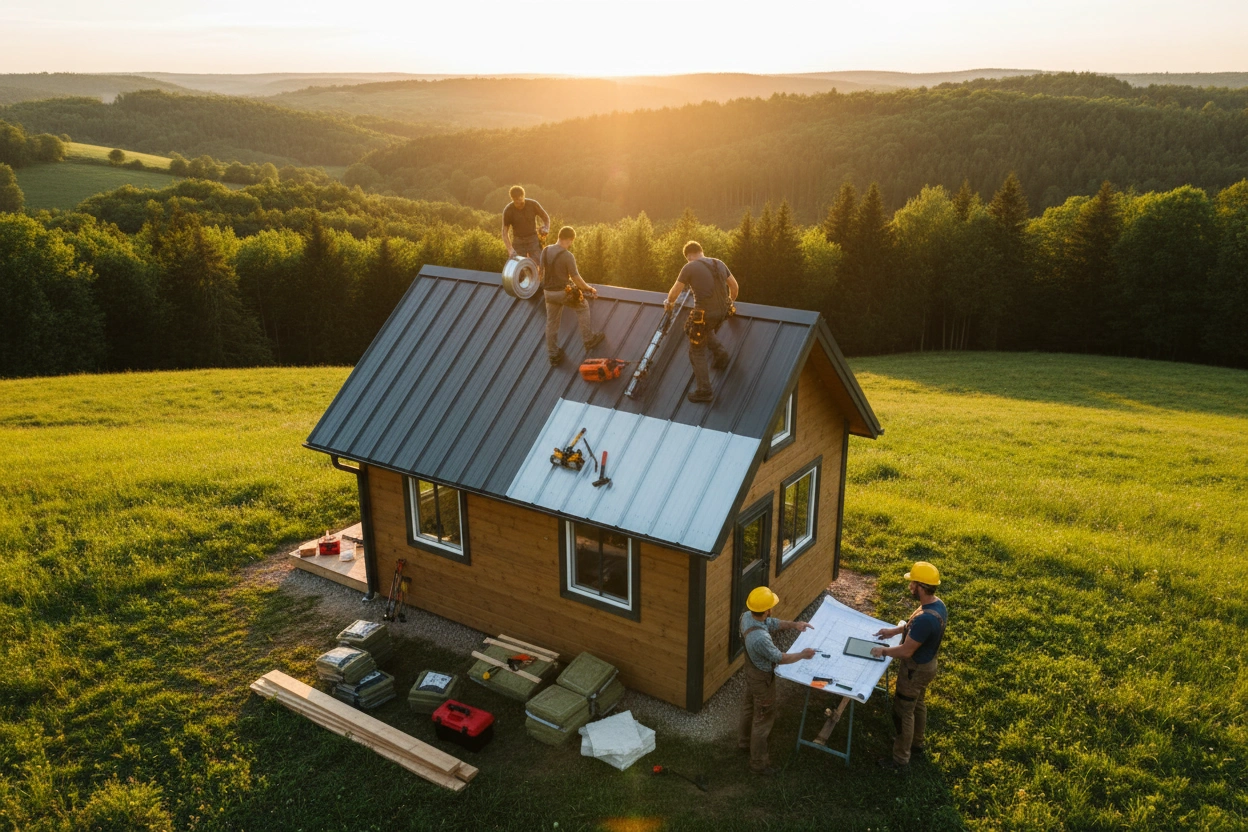
The tiny house movement has gained significant traction in recent years, appealing to those seeking a simpler, more sustainable lifestyle. One of the most critical aspects of constructing or renovating a tiny home is the roofing system. Tiny house roofing not only protects the structure from the elements but also contributes to the overall aesthetics and energy efficiency. This article will provide a comprehensive breakdown of roofing costs, budget tips, and insights into the best roofing materials for tiny houses.
Understanding Tiny House Roofing Costs
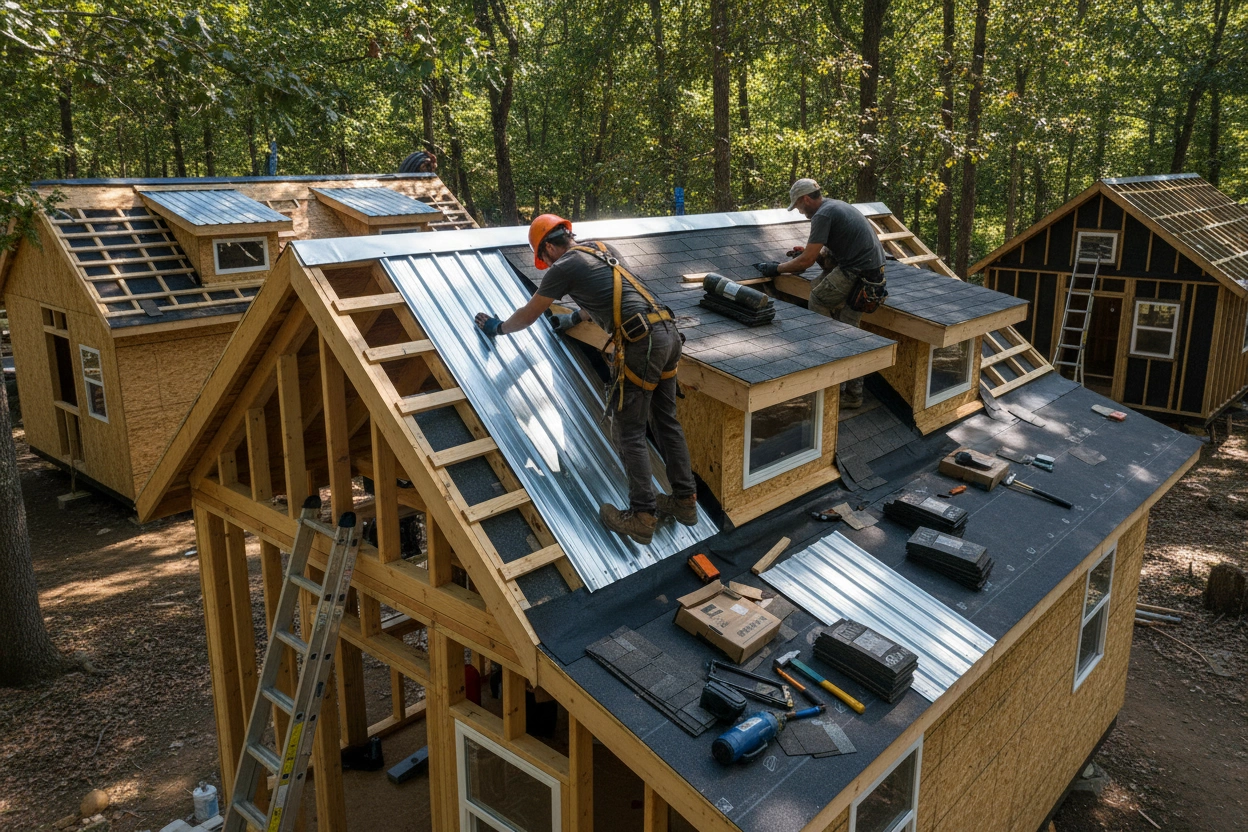
When planning for tiny house roofing, understanding the associated costs is essential. The overall expense can vary significantly based on several factors, including materials, labor, and design complexity.
Factors Influencing Roofing Costs
Material Choice: The type of roofing material selected greatly affects the cost. Options range from traditional shingles to metal and eco-friendly choices like green roofs.
Labor Costs: Hiring professionals for installation can add to the budget. However, many tiny house owners opt for DIY solutions to save money.
Design Complexity: The architectural style and roof pitch can influence the overall roofing cost. More complex designs typically require more labor and materials.
Location: Regional pricing differences can impact costs. Urban areas often see higher labor costs compared to rural locations.
Average Cost Breakdown
Here’s a general breakdown of costs associated with tiny house roofing:
- Materials: Depending on the material, costs can range from $2 to $10 per square foot. For example, asphalt shingles may cost around $3 per square foot, while metal roofing can be around $5 to $10 per square foot.
- Labor: Professional installation can range from $100 to $300 per square, depending on the complexity and location. DIY installation can significantly reduce costs but requires time and skill.
- Additional Costs: Don’t forget about underlayment, flashing, and ventilation systems, which can add another $1 to $3 per square foot to the total cost.
Understanding these factors allows you to create a more accurate budget for your tiny house roofing project.
Top Roofing Materials for Tiny Houses: Pros and Cons
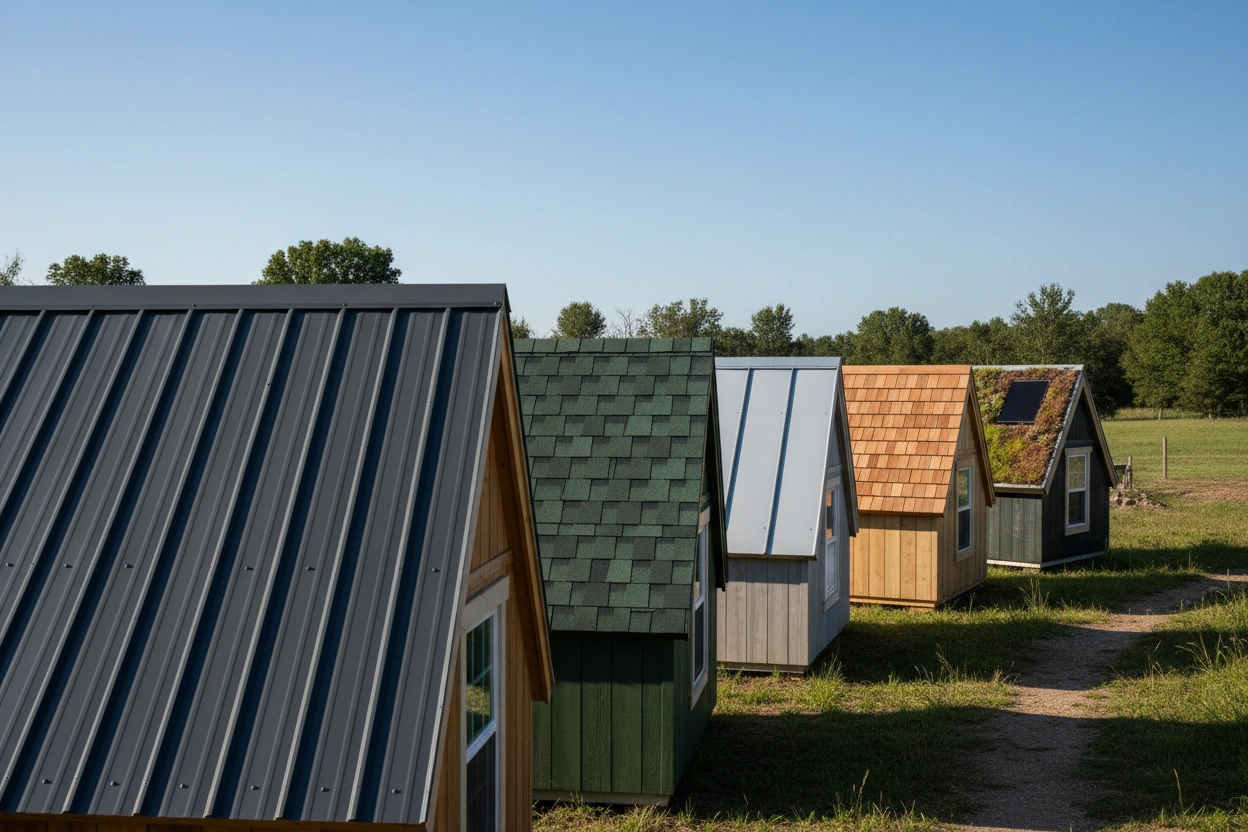
Choosing the right roofing material is crucial for the longevity and functionality of your tiny home. Below are some of the best roofing materials for tiny houses, along with their advantages and disadvantages.
1. Asphalt Shingles
Pros:
- Cost-effective and widely available
- Easy to install, making them suitable for DIY projects
- Comes in various colors and styles
Cons:
- Less durable than other options, typically lasting 15-30 years
- Can be prone to damage from severe weather
Asphalt shingles are a popular choice for tiny houses due to their affordability and ease of installation. However, homeowners should be mindful of their shorter lifespan compared to other roofing materials.
2. Metal Roofing
Pros:
- Highly durable and can last 40-70 years
- Excellent at shedding snow and rain
- Reflective properties can reduce cooling costs
Cons:
- Higher initial cost compared to asphalt shingles
- Installation can be complex, often requiring professional help
Metal roofing is an excellent option for those looking for longevity and energy efficiency. While the upfront cost is higher, the long-term savings on maintenance and energy bills can make it a worthwhile investment.
3. Rubber Roofing
Pros:
- Eco-friendly and made from recycled materials
- Excellent waterproofing capabilities
- Lightweight and easy to install
Cons:
- Can be more expensive than asphalt shingles
- May not be as aesthetically pleasing for some homeowners
Rubber roofing is gaining popularity in the tiny house community due to its sustainable nature and effective waterproofing. It’s particularly well-suited for flat or low-slope roofs.
4. Green Roofs
Pros:
- Provides natural insulation and reduces energy costs
- Offers a unique aesthetic and promotes biodiversity
- Excellent for stormwater management
Cons:
- High installation and maintenance costs
- Requires a strong structural support system
Green roofs are an innovative option for tiny homes, combining beauty with functionality. However, they require careful planning and consideration of structural integrity.
5. Wood Shakes and Shingles
Pros:
- Natural appearance and excellent insulation properties
- Can last 30-50 years with proper maintenance
Cons:
- Higher maintenance requirements
- More susceptible to fire and insect damage
Wood shakes provide a rustic charm to tiny houses, appealing to those who prioritize aesthetics. However, they require regular maintenance and care to ensure longevity.
Budgeting Tips for Tiny House Roofing
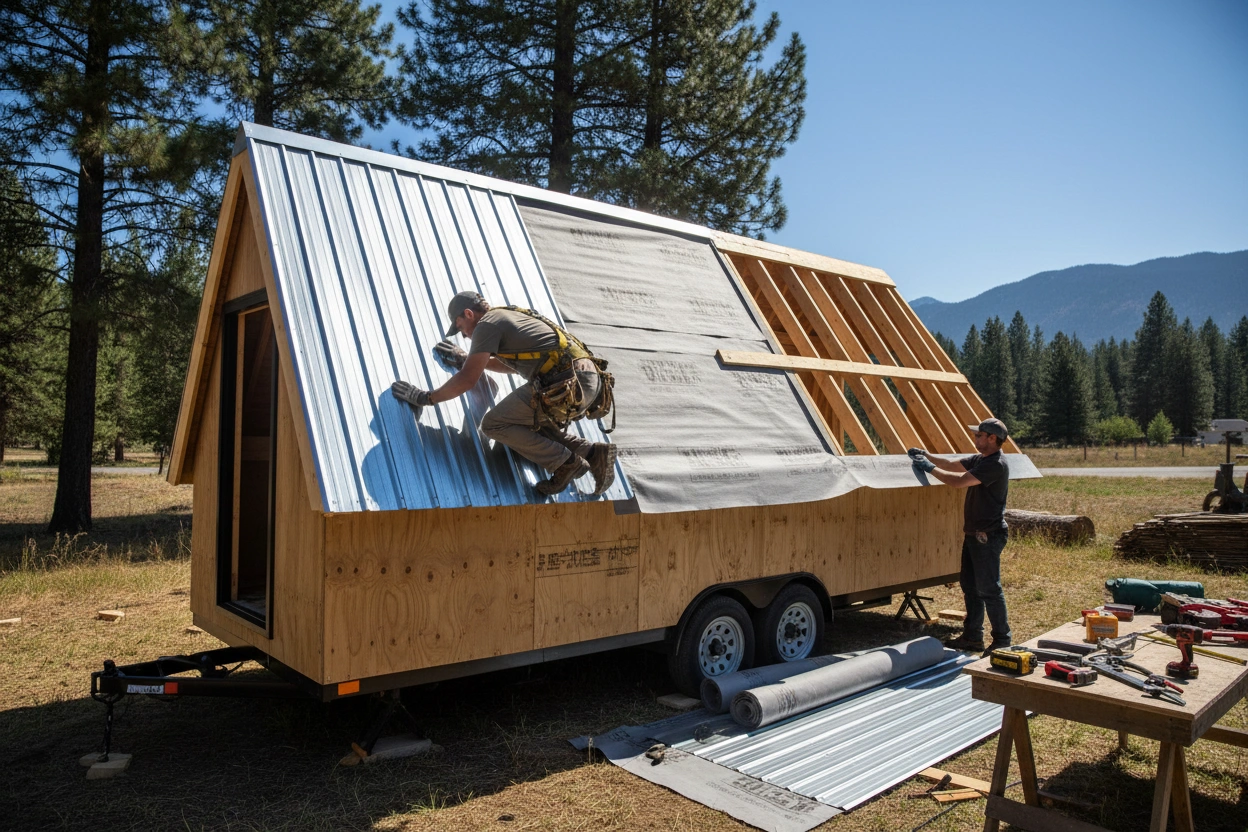
Effective budgeting is essential to ensure that your tiny house roofing project stays within financial limits. Here are some actionable tips to help you manage your roofing budget effectively.
Prioritize Your Needs
Before diving into materials and designs, assess your roofing needs. Consider the climate, expected longevity, and energy efficiency of different materials. Prioritizing these factors will help you make informed choices that align with your budget.
Get Multiple Quotes
If hiring a professional for installation, always obtain multiple quotes from different contractors. This practice not only gives you a better idea of the market rates but also allows you to negotiate better pricing.
Consider DIY Installation
If you have the skills and time, consider installing the roof yourself. This approach can save you a significant amount in labor costs. There are numerous resources and tutorials available online to guide you through the process.
Plan for Future Repairs
Set aside a portion of your budget for future repairs or maintenance. Roofing systems can require upkeep, so having a financial cushion will help you address any issues promptly without derailing your budget.
Invest in Quality
While it might be tempting to choose the cheapest option, investing in quality materials can save you money in the long run. Durable materials may have a higher upfront cost but can reduce repair and replacement expenses over time.
Common Mistakes to Avoid in Tiny House Roofing
Understanding common pitfalls can save you time and money. Here are some mistakes to watch out for when planning your tiny house roofing project.
1. Skipping the Research Phase
Failing to research different materials and roofing options can lead to costly decisions. Take the time to understand the pros and cons of each material and how they fit into your budget and needs.
2. Ignoring Local Building Codes
Before starting any roofing project, familiarize yourself with local building codes and regulations. Ignoring these can lead to fines or required rework, adding unnecessary expenses to your budget.
3. Neglecting Insulation and Ventilation
Proper insulation and ventilation are vital for the longevity of your roof and the energy efficiency of your tiny house. Skipping these aspects can lead to moisture buildup and damage over time.
4. Underestimating Costs
Many homeowners underestimate the total costs associated with roofing projects. Always account for materials, labor, and any additional expenses to avoid budget overruns.
5. Choosing Aesthetic Over Functionality
While aesthetics are important, functionality should not be compromised. Select materials that meet your practical needs while still aligning with your design vision.
The Future of Tiny House Roofing
As the tiny house movement continues to grow, so does innovation in roofing technologies. Emerging materials such as solar shingles and advanced insulation methods are gaining traction, offering even more options for tiny house owners. Homeowners should stay informed about these trends to make the most educated decisions for their roofing projects.
Maximizing Your Tiny House Roofing Investment
Investing in a quality roofing system is essential for the longevity and efficiency of your tiny home. The right materials and installation can ensure that your tiny house remains a safe and cozy sanctuary for years to come. By understanding the costs, exploring various materials, and avoiding common mistakes, you can create a budget-friendly and effective roofing solution.
How TinyHouse.com Can Help
When planning your tiny house roofing project, access to accurate information and resources can make all the difference. TinyHouse.com offers a wealth of knowledge and tools to assist you in navigating your roofing options and budgeting effectively. Whether you are looking for detailed guides on specific roofing materials or tips on DIY installation, TinyHouse.com is here to support your journey toward building your dream tiny home.
For more insights and resources on tiny house roofing, visit TinyHouse.com. You’ll find everything you need to make informed decisions and create a budget that works for you. Contact TinyHouse.com today to learn more and start your tiny house project with confidence.


.svg)
.jpg)
.jpg)
.jpg)
.jpg)