Best Lease Agreement Template for Your Rental Type

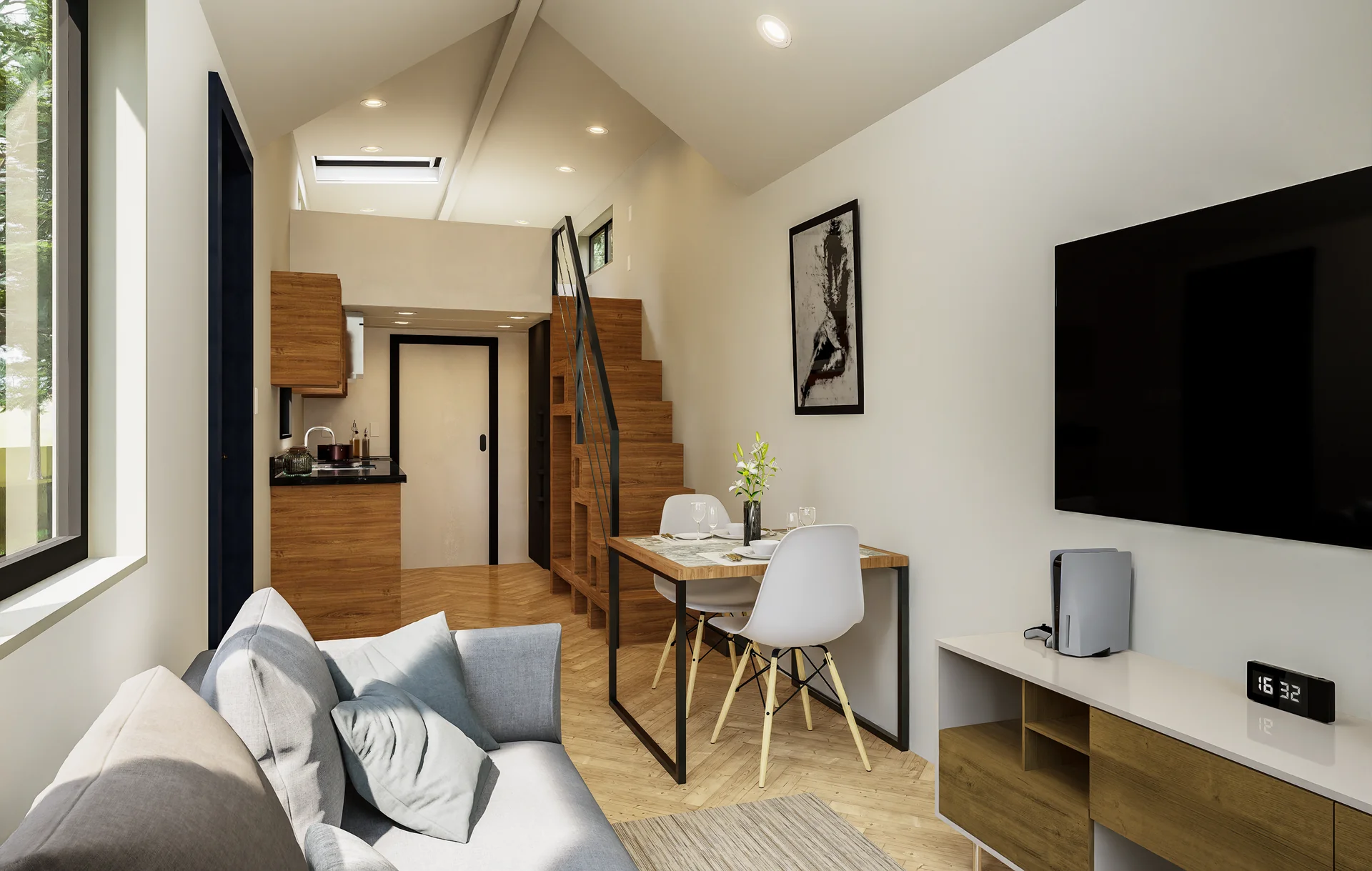
A lease agreement template built for a single-family home doesn't automatically cover what a room rental or a short-term, month-to-month arrangement actually needs. The right starting point depends on what's being rented and how, before it depends on which website the template comes from.
- Renting out a single-family home or full unit: a standard fixed-term residential lease.
- Renting a room in a shared house: a room rental agreement, distinct from a full-unit lease.
- A flexible or short-term arrangement: a month-to-month lease instead of a fixed term.
Check your state and local requirements regardless of rental type. Security deposit limits, required disclosures like lead-based paint for pre-1978 housing, notice periods, and city-level rent control can all apply differently depending on your location. No template accounts for all of this automatically, so confirm your specific state and city's rules, or have a local attorney review the lease before using it.
Best Template by Rental Type
Single-Family Home or Full Apartment Unit
A standard fixed-term residential lease covers this well: one tenant or household renting the entire unit, with a defined start and end date. Confirm the security deposit amount falls within your state's limit, and include your state's required disclosures.
Skip this if: you're renting to multiple unrelated tenants who each need their own agreement, in which case a room rental structure fits better.
A Room in a Shared House
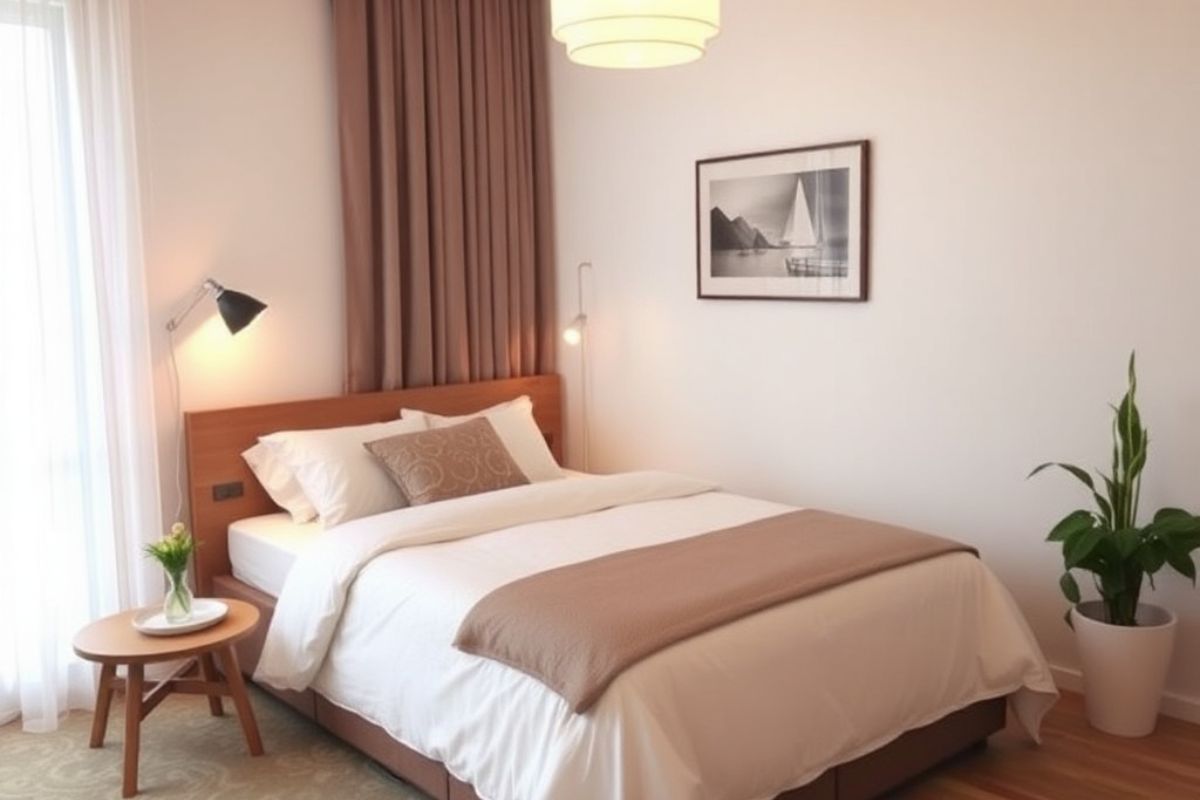
A room rental agreement differs from a full-unit lease because it typically addresses shared spaces, house rules, and how utilities are split, on top of the standard lease terms. Using a full-unit lease template for a room rental can leave these details unaddressed, which tends to cause friction later.
Skip this if: you're renting the entire property to one household, since a full-unit lease is the more standard fit there.
Month-to-Month or Short-Term Rentals
A month-to-month lease works well when either party wants flexibility to end the arrangement without committing to a full year. The notice period required to end a month-to-month lease varies by state, so confirm that specific requirement rather than assuming a standard 30 days applies everywhere.
Skip this if: you and the tenant both want the stability of a longer-term commitment, in which case a fixed-term lease gives both sides more predictability.
Multi-Unit or Commercial Property
A property with several units, or one used for business rather than residential purposes, typically needs a more customized lease than a standard residential template provides. Commercial leases, in particular, involve different legal considerations than residential ones.
Skip this if: you're working with a standard residential property, since a commercial lease template adds complexity you don't need.
Getting a Lease Filled In and Signed
For a standard residential lease, Lumin's lease agreement template covers the core sections, parties, property details, rent, deposit, term, and connects directly to Lumin Sign once it's ready. Confirm your state and city's specific requirements separately, since this covers standard structure rather than jurisdiction-specific rules.
At-a-Glance: Rental Type → Lease Structure
FAQ
Can I use the same lease template for a room rental as a full-unit rental? Not ideally. A room rental typically needs terms for shared spaces and utility splitting that a full-unit lease template doesn't address. Using the wrong structure tends to cause disputes later that a more specific template would have covered upfront.
What's the difference between a fixed-term and a month-to-month lease? A fixed-term lease commits both parties for a set period, usually a year. A month-to-month lease renews automatically and can be ended by either party with proper notice, which varies by state. Choose based on whether flexibility or stability matters more for your situation.
Do commercial leases need a completely different template? Yes, generally. Commercial leases involve different legal considerations than residential ones, including how rent is calculated and what maintenance responsibilities fall on each party. A standard residential lease template isn't built for this.
How much notice do I need to give to end a month-to-month lease? It varies by state, so confirm your specific state's requirement rather than assuming a standard period applies everywhere. Some states require 30 days, others more or less, depending on how long the tenancy has lasted.
Is a generic lease template enough, or should a landlord always use a lawyer? For a straightforward, standard rental with clear local requirements, a well-built template is often sufficient. For a room rental with complex shared arrangements, a commercial property, or any uncertainty about local disclosure rules, having a local attorney review the lease is worth the cost.