Tiny House Roofing Styles: Which Design Suits Your Needs?

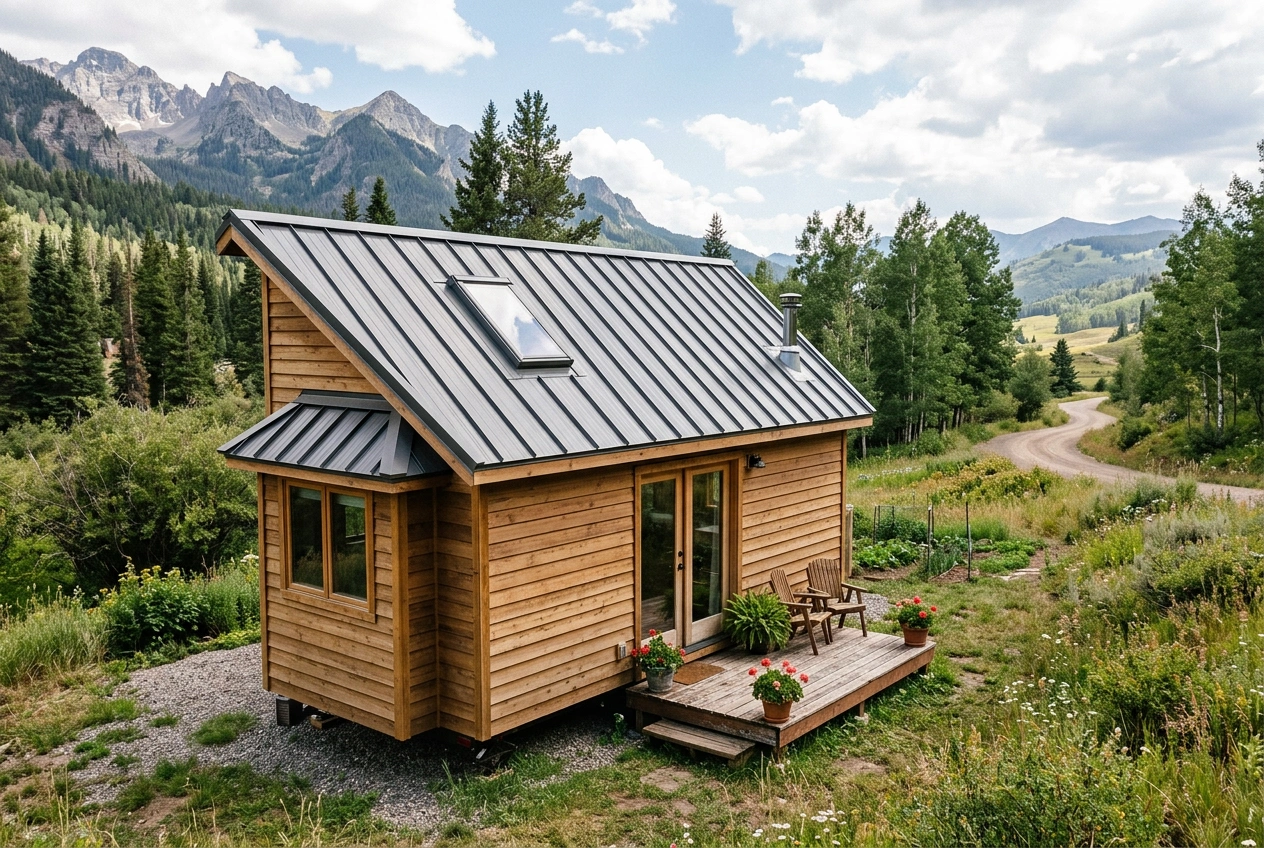
The allure of tiny houses continues to capture the imagination of aspiring homeowners. With a focus on minimalism, sustainability, and affordability, tiny houses offer a unique solution for those looking to simplify their lives. However, one critical aspect often overlooked in the design process is tiny house roofing. The roofing style not only contributes to the aesthetic appeal but also plays a significant role in the overall functionality and durability of the home. This article will explore the various roofing styles available for tiny houses, providing insights into the best roofing materials for tiny houses and their pros and cons.
Understanding Tiny House Roofing
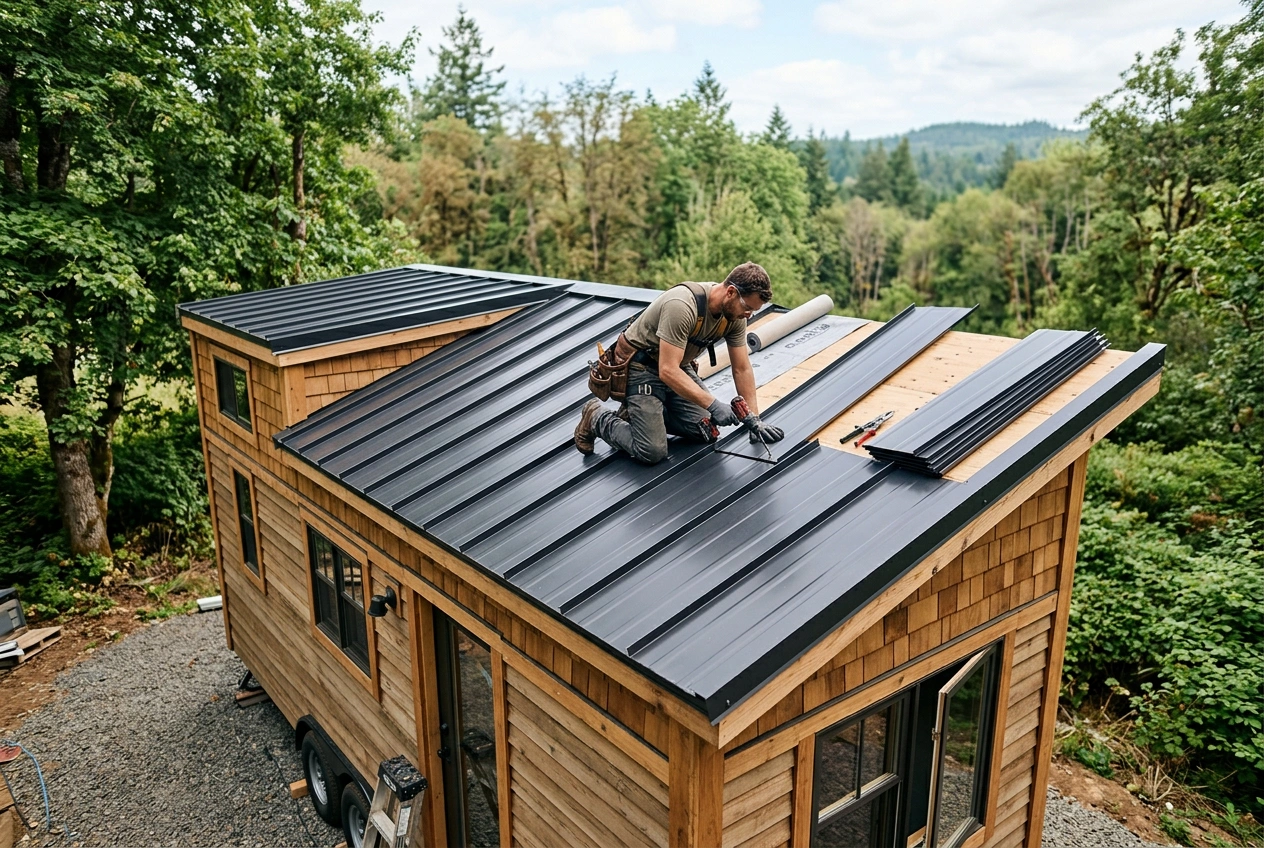
Tiny house roofing is not just about selecting a style that looks good; it encompasses considerations regarding weather resistance, energy efficiency, and longevity. The right roofing material can significantly impact the comfort and durability of a tiny home, especially in regions prone to severe weather conditions.
When selecting roofing for a tiny house, it is essential to consider factors such as climate, weight restrictions, and budget. Each roofing style comes with its unique set of advantages and disadvantages, making it crucial to analyze them thoroughly before making a decision.
Key Considerations for Tiny House Roofing
Climate Adaptability: Different roofing materials perform better in certain climates. For example, metal roofs are ideal for areas that experience heavy snow or rain, while asphalt shingles may be more suitable for moderate climates.
Weight Limitations: Tiny houses often have weight restrictions due to their foundation and transportation requirements. Selecting lightweight materials can help maintain mobility without compromising structural integrity.
Cost Efficiency: Budget is a primary consideration for many tiny house builders. Understanding the long-term costs associated with maintenance and replacement can help make an informed decision.
Aesthetic Appeal: The roofing style should complement the overall design of the tiny house. Whether opting for a rustic look with a pitched roof or a modern flat roof, the choice should align with the homeowner's vision.
Top Roofing Materials for Tiny Houses: Pros and Cons
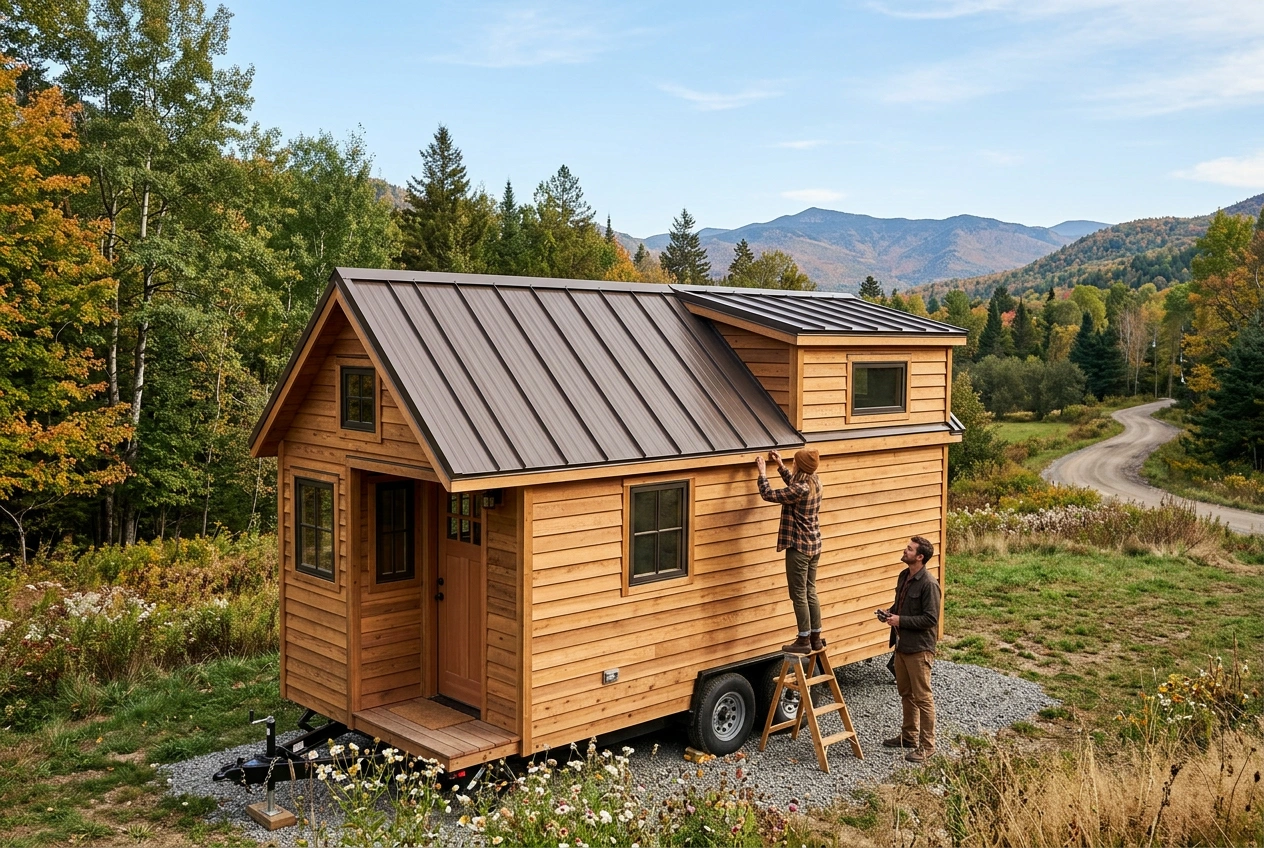
When it comes to tiny house roofing, several materials stand out due to their popularity, durability, and functionality. Here are some of the best roofing materials to consider, along with their advantages and disadvantages.
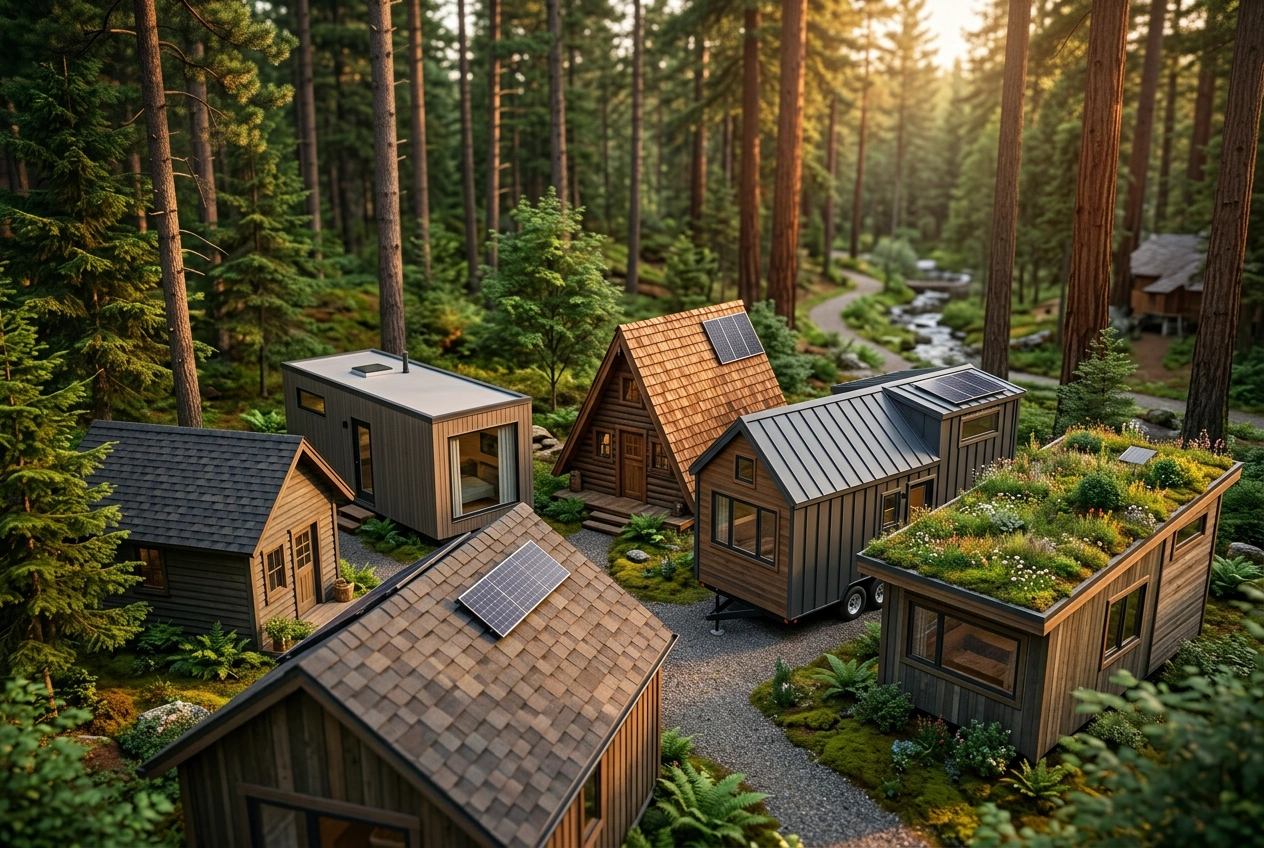
1. Metal Roofing
Metal roofing has gained popularity in recent years, especially in tiny house construction.
Pros:
- Longevity: Metal roofs can last up to 50 years or more with proper maintenance.
- Weather Resistance: They are highly resistant to extreme weather, including heavy rain, snow, and high winds.
- Energy Efficiency: Metal roofs can reflect solar heat, reducing cooling costs in warmer climates.
Cons:
- Cost: The initial investment can be higher than other materials.
- Noise: Rain and hail can create noise when hitting metal, which some homeowners may find undesirable.
2. Asphalt Shingles
Asphalt shingles are a traditional roofing choice and remain a popular option for tiny houses.
Pros:
- Affordability: Asphalt shingles are one of the most cost-effective roofing materials available.
- Variety: They come in a wide range of colors and styles, allowing for customization.
- Ease of Installation: Asphalt shingles are relatively easy to install, making them suitable for DIY projects.
Cons:
- Durability: They typically have a shorter lifespan (15-30 years) compared to metal roofs.
- Weather Vulnerability: In extreme weather conditions, asphalt shingles can be prone to damage.
3. Wood Shingles or Shakes
Wood shingles or shakes provide a classic, natural look that many tiny homeowners appreciate.
Pros:
- Aesthetic Appeal: They offer a unique, rustic charm that can enhance the beauty of a tiny house.
- Insulation: Wood provides good insulation properties, contributing to energy efficiency.
Cons:
- Maintenance: Wood roofs require regular maintenance to prevent rot and insect damage.
- Fire Risk: Depending on the type of wood, there can be increased susceptibility to fire.
4. TPO (Thermoplastic Olefin) Roofing
TPO is a single-ply roofing membrane that has become increasingly popular for flat roofs.
Pros:
- Energy Efficiency: TPO reflects sunlight, helping to keep the interior cool.
- Cost-Effective: It is generally less expensive than other flat roofing options.
Cons:
- Durability: While TPO is resistant to UV rays, it may not be as durable as metal or asphalt in extreme conditions.
- Installation: Proper installation is crucial to avoid issues such as leaks.
5. Green Roofs
Green roofs involve growing vegetation on the roof surface, offering environmental benefits.
Pros:
- Eco-Friendly: Green roofs improve air quality and reduce urban heat.
- Insulation: They provide excellent insulation, helping to lower energy costs.
Cons:
- Weight: Green roofs can be heavy and may require additional structural support.
- Maintenance: They demand regular maintenance to keep the vegetation healthy.
Common Misconceptions About Tiny House Roofing
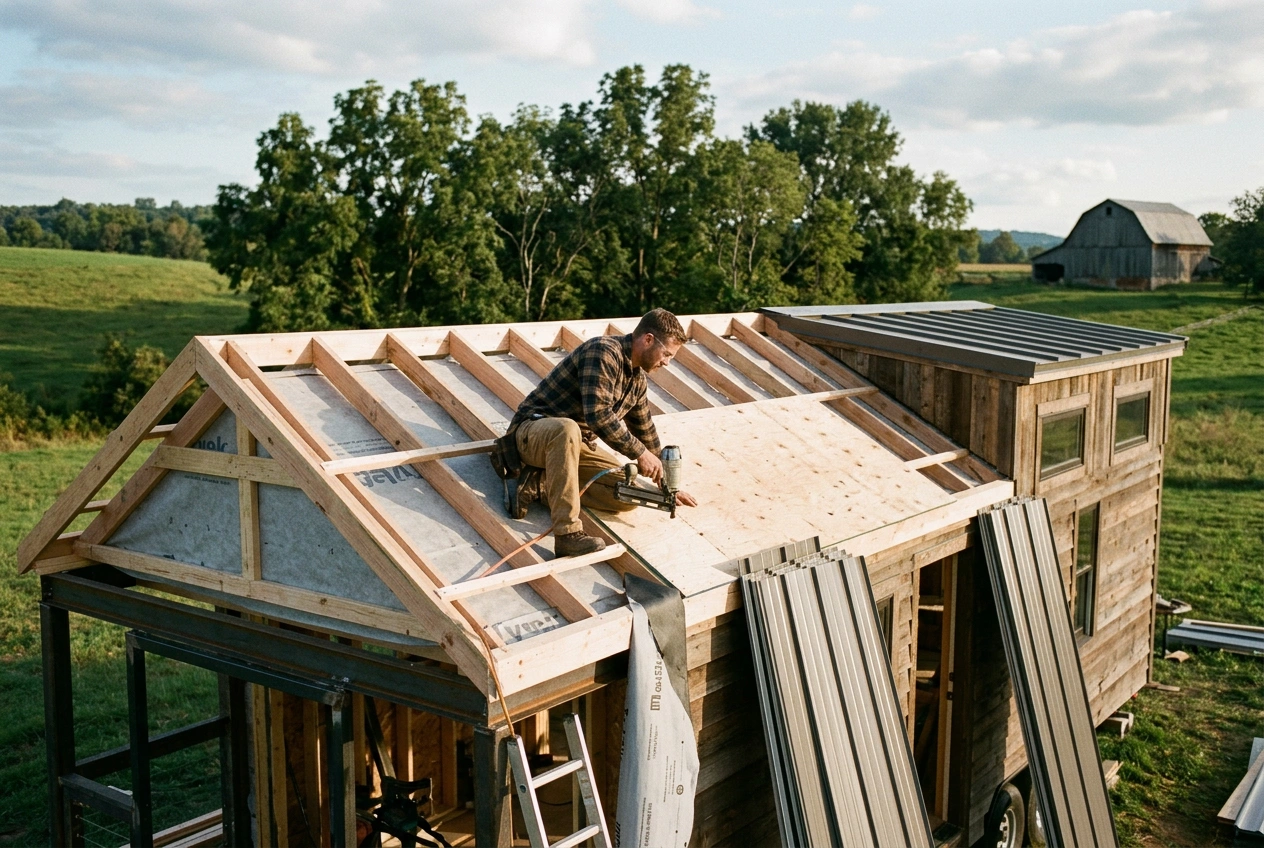
When considering tiny house roofing, several misconceptions can lead to poor decisions. It is essential to address these to ensure homeowners make informed choices.
Misconception 1: All Roofing Materials Are Equal
Many people assume that all roofing materials perform similarly, but this is far from the truth. Different roofing materials perform better in certain climates. Understanding the specific benefits and drawbacks of each option is vital for making the right choice.
Misconception 2: The Cheapest Option Is Always the Best
While budget constraints are a reality for many tiny house builders, opting for the cheapest roofing material can lead to higher long-term costs due to maintenance and replacement needs. Investing in quality roofing can save money and hassle in the future.
Misconception 3: Aesthetic Choices Are Secondary
Some homeowners prioritize functionality over aesthetics, but the design of the roof can significantly impact the overall appearance of the tiny house. Choosing a roofing style that complements the home can enhance its appeal and resale value.
Practical Tips for Choosing Tiny House Roofing
Selecting the right roofing material for a tiny house can be simplified by following a few practical steps:
Assess Your Climate: Determine the weather conditions in your area to choose a roofing material that can withstand local challenges.
Evaluate Your Budget: Establish a budget for roofing materials and installation. Consider not only the upfront costs but also long-term maintenance expenses.
Research Local Regulations: Check local building codes and zoning regulations, as they may influence the types of roofing materials allowed in your area.
Consult with Professionals: If unsure about the best options, consult with roofing professionals or tiny house builders who can offer insights based on their experience.
Consider DIY Options: If you have the skills, consider installing the roof yourself to save on labor costs. However, ensure you understand the installation requirements for the chosen material.
The Intersection of Tiny House Roofing and Sustainable Living
As tiny house living continues to grow in popularity, the relationship between roofing choices and sustainable living becomes increasingly important. Homeowners can maximize energy efficiency and reduce their environmental footprint by selecting materials that are both durable and eco-friendly.
TinyHouse.com serves as a valuable resource for those seeking to learn more about tiny house roofing and sustainable building practices. Whether you are just starting your tiny house journey or looking to upgrade your existing home, the insights provided can help guide your decisions. For more information on roofing options and other aspects of tiny house living, visit TinyHouse.com. Our platform offers a wealth of resources designed to assist you in creating the perfect tiny home tailored to your needs and lifestyle. Reach out to TinyHouse.com to explore your options and take the next step in your tiny house adventure.