Can the Cold Affect My Standby Generator?

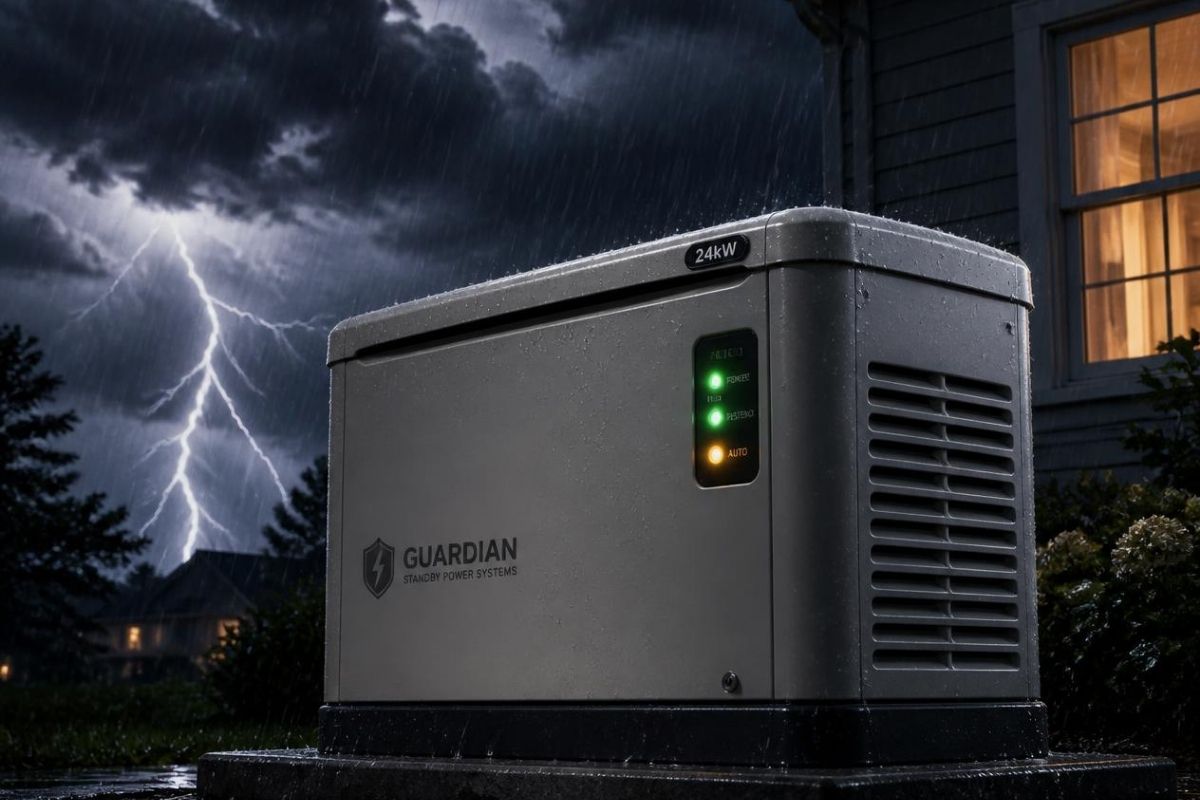
Cold weather has a way of exposing every weak spot around a home. Pipes freeze, batteries struggle, and even garage doors seem reluctant to move. Naturally, homeowners may wonder whether their standby generator will be ready when a winter storm knocks out the electricity.
These systems are designed to operate outdoors, but freezing temperatures can still affect their performance. Understanding the most common cold-weather problems can help you keep your generator ready when reliable backup power matters most.
And if you don’t have a reliable generator yet, you can start by searching for “generator installation near me” and preparing for the next storm.
Cold Weather and Generators
A standby generator doesn’t stop working simply because the temperature drops below freezing. However, cold conditions can make starting and operating the engine more difficult.
Low temperatures cause engine oil to thicken, batteries to lose power, and moisture around components to freeze. Snow and ice can also interfere with airflow or prevent the generator enclosure from opening properly.
Fortunately, most of these issues are preventable. Correct installation, seasonal maintenance, and a few cold-weather accessories can help your system operate reliably throughout winter.
Proper Installation Is the First Line of Defense
Where and how a standby generator is installed can have a major impact on its winter performance. The unit needs adequate ventilation, proper drainage, and enough clearance to prevent drifting snow from blocking its intake or exhaust.
If you are searching for generator installation, choose a qualified professional who understands local weather conditions and relevant building codes. An experienced installer can position the unit away from roof runoff, snow accumulation, and other hazards. They can also recommend accessories suited to colder climates, such as a battery warmer or oil heater.
.png)
Batteries Lose Strength as Temperatures Drop
Cold weather slows the chemical reactions inside a battery, reducing the power available to start the generator. At the same time, a cold engine may require more energy to turn over. That isn’t an ideal combination during an outage.
Watch for slow cranking, missed exercise cycles, or battery-related alerts. Testing the battery before winter and replacing it according to the manufacturer’s schedule can reduce the risk of an unwelcome surprise.
Engine Oil Can Become Too Thick
Oil flows more slowly as temperatures fall. If it becomes too thick, the engine may struggle to start or may not receive proper lubrication immediately.
Always use the oil viscosity recommended in your generator’s manual for the season. In especially cold regions, an oil heater can keep the lubricant warmer and help the engine start more easily when temperatures plunge.
Snow and Ice Can Block Critical Airflow
A standby generator needs open space around it to pull in air, cool the engine, and release exhaust safely. After heavy snowfall, drifts can pile up against the enclosure, blocking essential vents. Ice from roof runoff may also freeze around the unit or prevent access panels from opening.
Check the generator after each winter storm and clear snow from all sides. Never place a tarp over an operating generator or surround it with a homemade enclosure, which can restrict airflow, trap dangerous exhaust, and create a fire hazard.
Fuel Systems Can Develop Winter Problems
Cold temperatures can also affect the fuel that powers your generator. Propane doesn’t freeze under normal winter conditions, but extremely low temperatures can reduce the pressure inside the tank. This may limit the amount of fuel reaching the generator.
Natural gas models avoid stored-fuel concerns, although service can still be disrupted during a major emergency. Before winter arrives, ask a technician to inspect fuel lines, connections, regulators, and tank capacity.
Routine Exercise Cycles Matter Even More in Winter
Most standby generators automatically run a short exercise cycle once a week or every other week. This test circulates oil, charges the battery, and confirms that the system can start successfully.
Pay attention when the exercise cycle runs, especially during cold weather. If the generator cranks slowly, displays a warning, or fails to start, schedule service promptly. Some newer models can send alerts through an app or remote monitoring system, making problems easier to catch.
Follow a Simple Winter Preparation Checklist
Preparing a standby generator doesn’t require an elaborate winter ritual. Schedule professional maintenance before freezing weather begins, test the battery, and confirm that the engine contains the correct oil. Inspect vents, fuel connections, and the area surrounding the enclosure.
Throughout winter, remove snow, ice, branches, and debris as needed. You should also keep the generator’s service information somewhere accessible in case it displays an error during an outage.
Keep Your Backup Power Ready for the Freeze
Cold weather can challenge a standby generator, but it doesn’t have to defeat it. A little preparation before winter is far easier than troubleshooting a silent generator during a freezing blackout. Give the system attention now, and it will be better prepared to keep your lights, heating equipment, and essential appliances running.


.svg)
.jpg)