
Creating the Ideal Modular Layout for Modern Cabin Living

Have you ever wondered how a small cabin can feel open, calm, and easy to live in every day? Many people want a cozy space, yet they also need smart ways to use every inch. A good modular layout helps solve this problem with a simple and flexible design.
It lets each part of the home serve more than one use. In this guide, you will learn clear ideas to plan a space that feels larger, works better, and looks modern without stress. You will also see how to keep comfort and style while saving space for daily life needs today.
Read on!
Modern cabin living has become more popular as people look for simple homes that feel peaceful, efficient, and connected to nature. Whether used as a full-time home, a vacation retreat, or a weekend escape, cabins now offer more than rustic charm. Today’s cabin designs focus on flexibility, clean layouts, and practical living solutions that make even the smallest spaces feel comfortable.
A modular layout supports this lifestyle by giving every area a purpose while still allowing the home to adapt over time. Instead of fixed spaces that serve only one function, modular planning creates rooms that work in different ways depending on your needs. This approach allows homeowners to enjoy comfort, convenience, and style without wasting valuable square footage.
Flexible Layout Design That Adapts To Your Needs
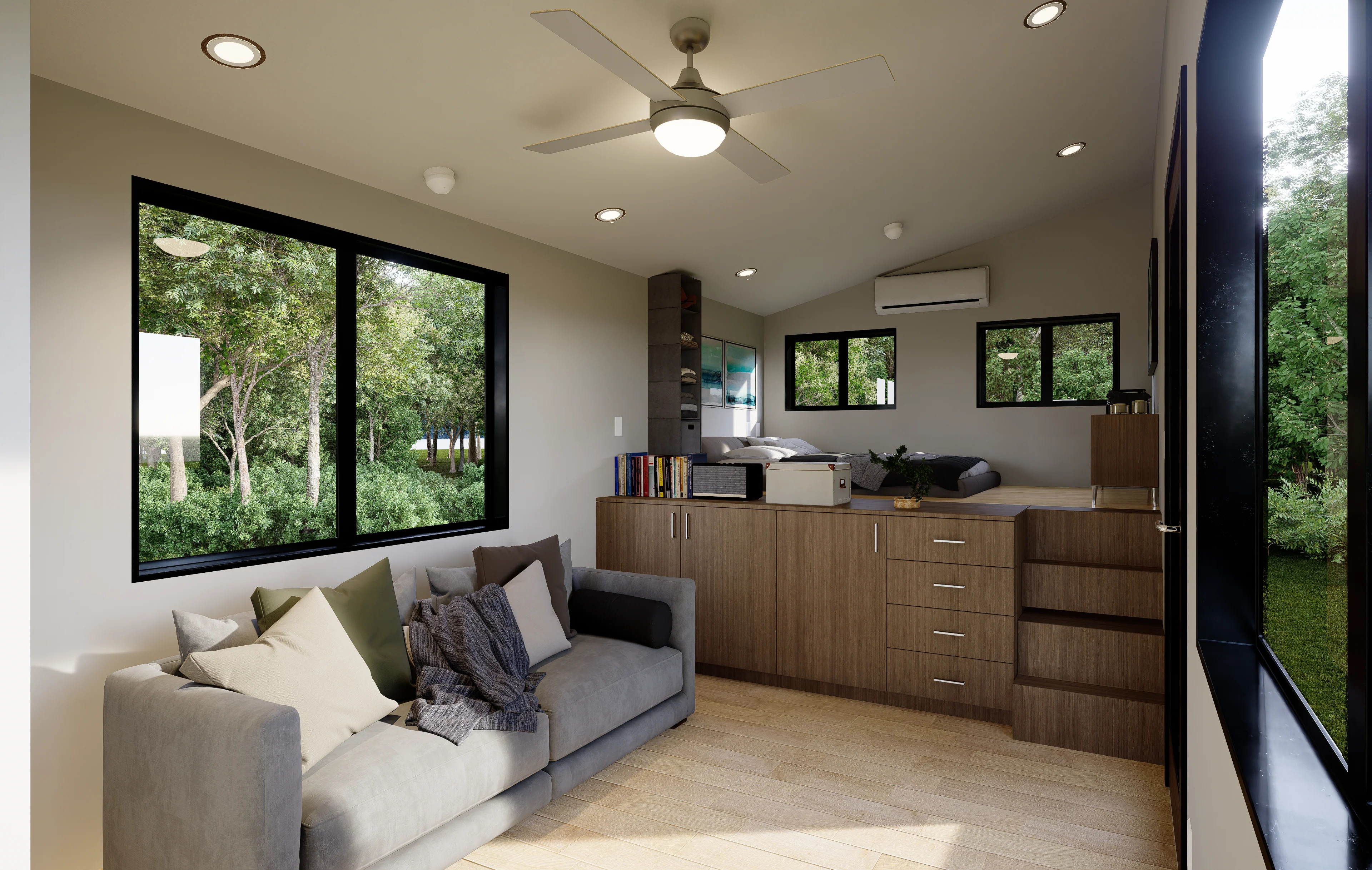
A smart modular layout helps a cabin feel open and easy to use, much like the smart planning seen in log cabin tiny homes. It divides the space into clear zones that can change as your needs grow. Walls, shelves, and furniture can move or fold, which keeps the space neat and useful.
This flexibility is one of the biggest advantages of modular living. As lifestyles change, spaces should change too. A cabin that works well for one person today may need to support a family, guests, or even remote work in the future. Modular design makes these transitions easier without requiring major renovations.
Many modern cabins use open plans with simple lines and soft colors. Natural light flows through the space and creates a calm mood. This design helps small rooms feel larger and more welcoming.
Open floor plans also reduce visual barriers, helping each area connect naturally to the next. Kitchens blend into dining spaces, living rooms flow into reading corners, and sleeping areas remain private while still feeling connected to the home’s overall design.
Flexible design supports daily life in simple ways. A living area can turn into a guest space with a sofa bed or a fold-down wall bed. Storage can fit under seats or stairs, so items stay hidden but easy to reach.
Built-in furniture can also support flexible use. Benches with hidden compartments, foldable tables, and modular shelving units can make a cabin feel highly organized. Every feature serves more than one purpose, helping residents enjoy comfort without sacrificing space.
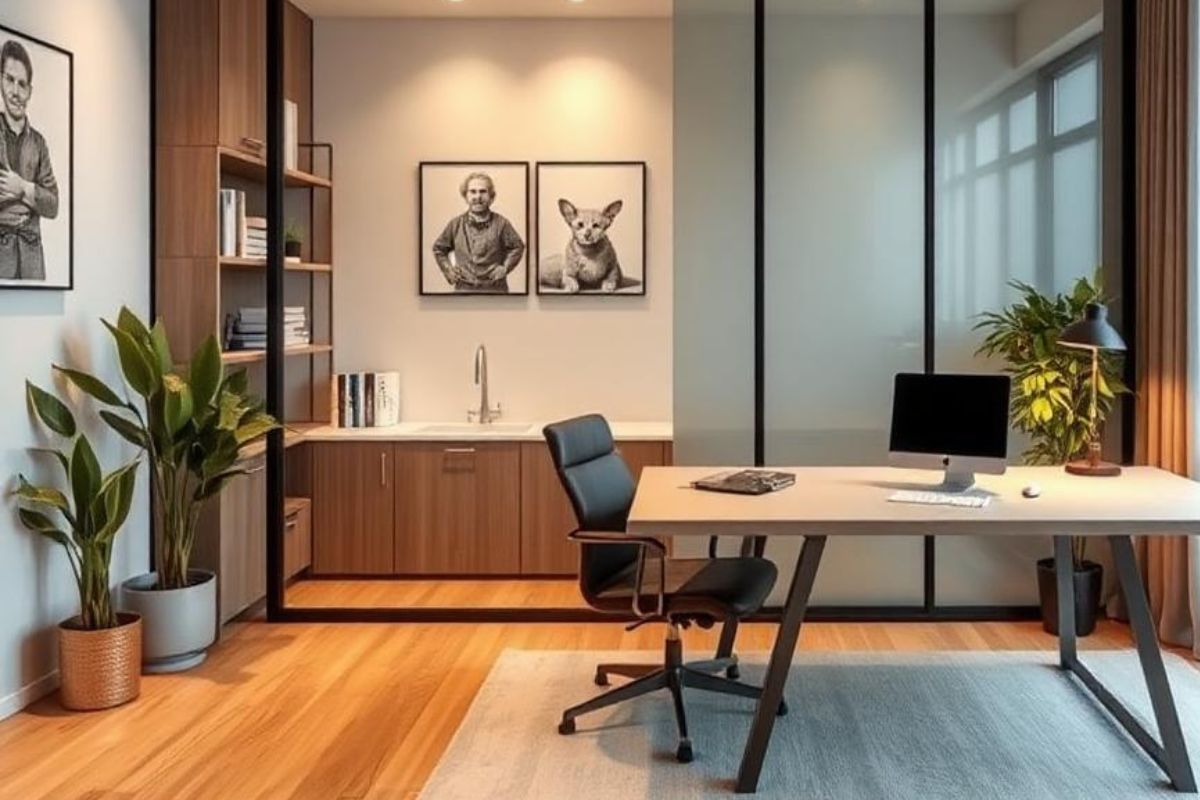
Another useful idea is creating zones with furniture instead of walls. A bookshelf can separate a workspace from a lounge area, or a kitchen island can define cooking space while providing seating and storage. These small choices create structure while keeping the cabin open.
Smart Features That Improve Comfort And Flow
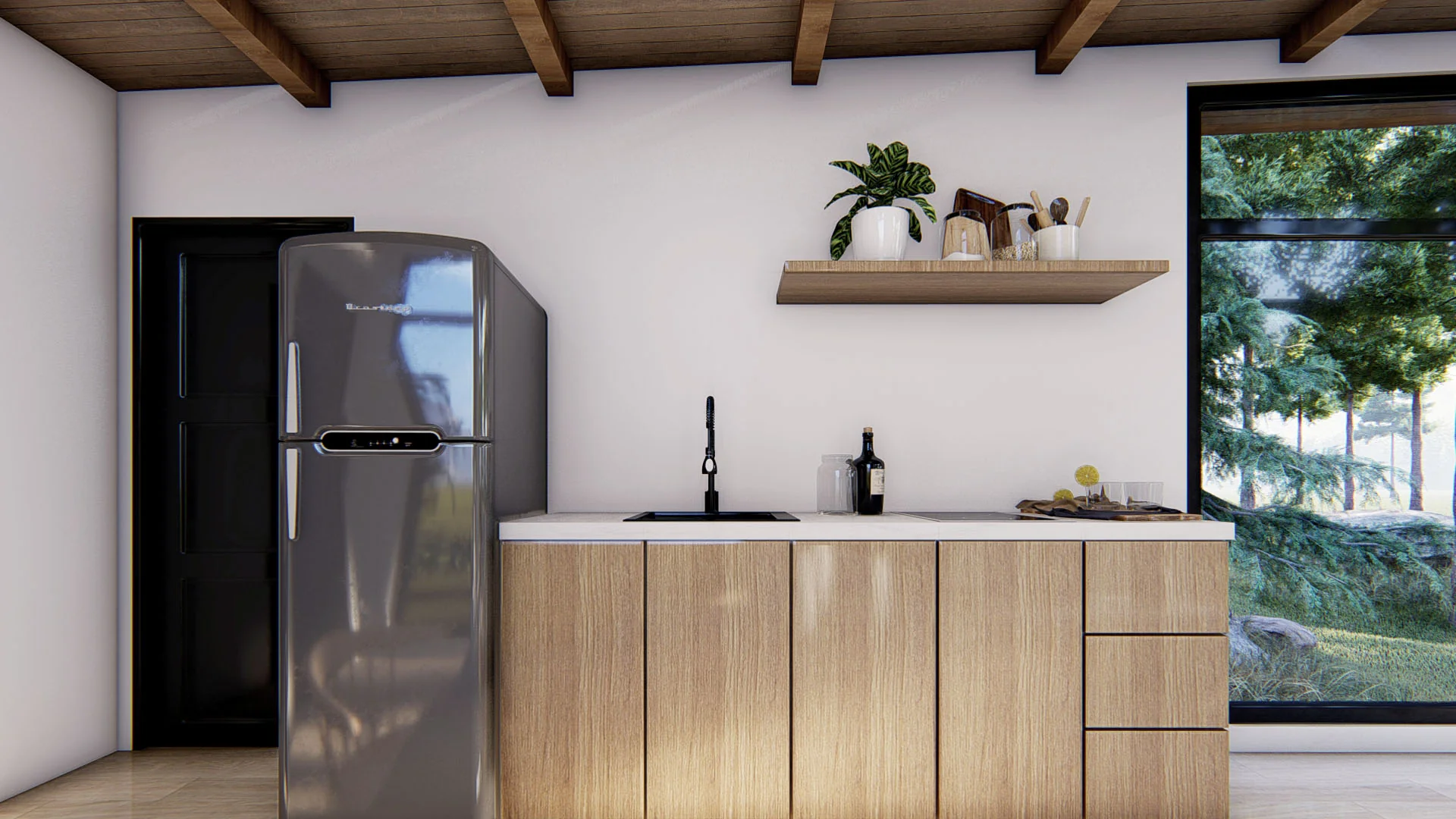
Good flow between spaces makes a cabin easier to live in. Sliding doors can save space and reduce clutter in tight areas. Large windows and glass panels bring in light and connect the home to nature.
This connection to outdoor surroundings is an important part of modern cabin design. Views of trees, mountains, lakes, or gardens become part of the interior experience. Large windows not only improve lighting but also make indoor spaces feel bigger and more relaxing.
Using the same materials across rooms can create a clean and calm look. Simple decor and smart furniture placement keep walkways open and safe. Planning around your daily routine can help you move through the space with ease.
For example, placing storage near entryways can make outdoor gear easy to access. Positioning the kitchen close to dining and outdoor deck areas can improve entertaining. Creating clear movement paths reduces frustration and helps daily tasks feel smoother.
Lighting adds comfort and improves the mood of the cabin. Layered lighting can support both work and rest at different times of the day. Outdoor decks or small patios can extend the living area and make the home feel larger.
Task lighting near workspaces, warm lighting in sleeping areas, and adjustable lights in shared spaces allow each room to serve multiple functions throughout the day. Smart lighting systems can add even more convenience while reducing energy use.
Heating and cooling features also support comfort. Efficient insulation, ceiling fans, compact fireplaces, and energy-saving windows can help maintain a comfortable temperature throughout the year. These small improvements make cabin living easier in every season.
Technology can also support smart cabin living. Built-in charging stations, hidden cable management, and compact smart home controls help maintain a clean look while improving functionality.
Simple Design Choices That Boost Style And Ease
Simple design choices can improve both style and comfort in a cabin. Light colors on walls and floors can make the space feel bright and open. Clean lines and soft textures help create a calm and relaxing setting.
Choosing neutral tones allows natural materials and outdoor views to stand out. Whites, soft grays, warm beige tones, and natural wood finishes often work well together and support a peaceful environment.
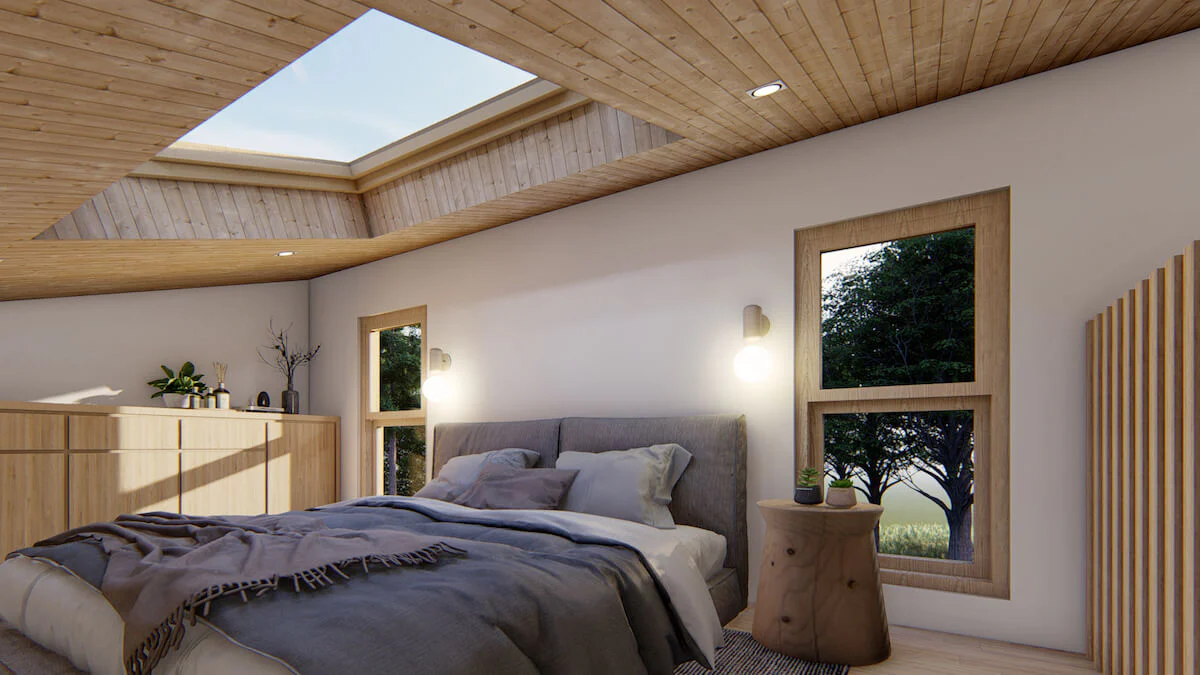
Natural materials can add warmth and charm to the space. Wood, stone, and soft fabrics can give the cabin a cozy feel. These materials also blend well with outdoor views and natural light.
Wood beams, stone accents, linen curtains, and woven rugs can create a welcoming atmosphere without making the space feel heavy. Natural materials also age beautifully, adding character over time.

Keeping the design simple helps avoid a crowded look. Too many items can make the space feel tight and hard to use. A clear and simple style can support both beauty and function in daily living.
Choosing quality over quantity often works best in small spaces. A few carefully selected pieces can create a stronger design than filling every corner. Functional decor, such as storage baskets, wall hooks, and floating shelves, adds style while supporting organization.
Personal touches can still make the space feel unique. Artwork, plants, books, and meaningful objects can add warmth without creating clutter. The key is choosing items that support both beauty and purpose.
Outdoor elements can also inspire interior design. Colors taken from nearby forests, lakes, or mountain landscapes can help the cabin feel naturally connected to its surroundings.
A Simple Path To A Better Cabin Life
Building a home with a modular layout can change how you live in a space. It helps you use space while keeping comfort and style in balance. With flexible zones and smart storage, your cabin can feel open and calm daily.
A thoughtful layout creates more than convenience. It supports better routines, easier organization, and a stronger connection to your surroundings. Small design choices can have a big impact on how the home feels over time.
Take time to plan and choose pieces that fit your needs. Changes can bring results with time.
Start simple and adjust as you learn what works best. Your cabin can grow with you and clearly support daily life.
As your lifestyle changes, your cabin can continue to adapt. Whether you need more workspace, extra sleeping space, better storage, or simply a fresh new look, modular design gives you the freedom to evolve without starting over.
Did this guide help you? Browse the rest of the section for more advice on a variety of topics.


.svg)

.jpg)