Deck Living for Compact Homes: Creative Outdoor Add-Ons That Expand Usable Space

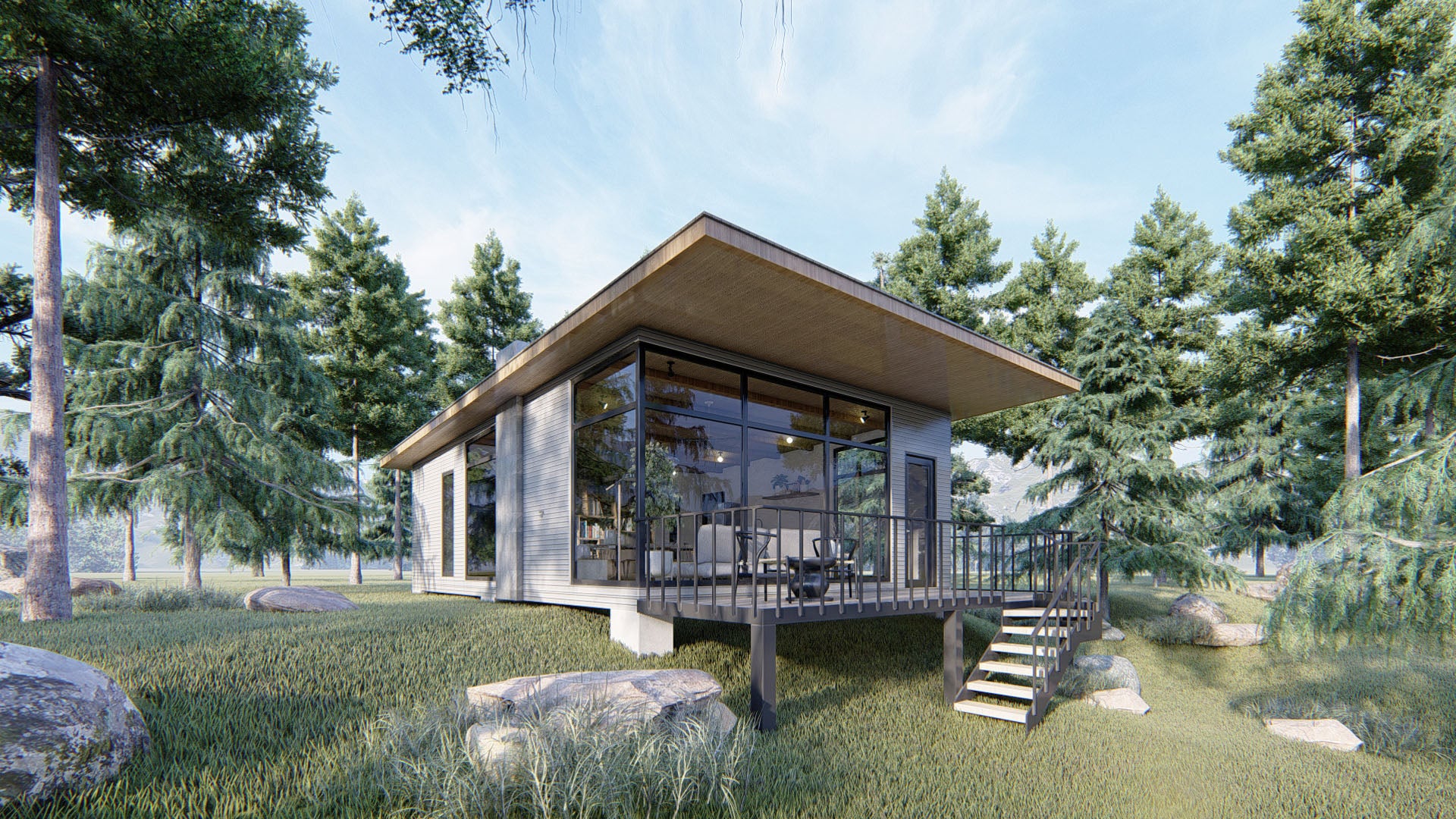
Small homes have a way of making you notice every inch. When the interior has to handle sleeping, cooking, working, and relaxing, the space outside starts to matter a lot more. A deck, porch, or patio can take some of that pressure off. It gives you somewhere to have coffee in the morning, sit with friends in the evening, or simply spend time without feeling boxed in by the walls of the house.
That extra room is not about square footage on paper. It is about how the home feels to live in. A modest outdoor setup can make daily life easier, soften the transition between indoors and out, and turn a small property into something that feels more complete.
Why Outdoor Space Carries More Weight in a Compact Home
In a bigger house, activities naturally spread out. In a compact one, they pile up fast. Meals, work, storage, downtime, guests, all of it competes for the same limited area. Outdoor space helps loosen that squeeze.
A deck can become the place where breakfast happens. It can hold the chair you actually want to sit in at the end of the day. It can give guests somewhere to gather that does not put the whole house on display. Even a simple platform outside the entry changes the rhythm of the home. You are no longer stepping straight from indoors into the yard. There is a pause in between, and that pause makes the whole space feel better thought through.
It can be practical as well. A bench with storage underneath pulls double duty. A covered porch gives you shade in summer and a bit of shelter when the weather turns. In a smaller home, those details are not minor. They shape how often the space gets used.
Outdoor Add-Ons That Make Sense in Smaller Spaces
Some upgrades earn their keep faster than others.
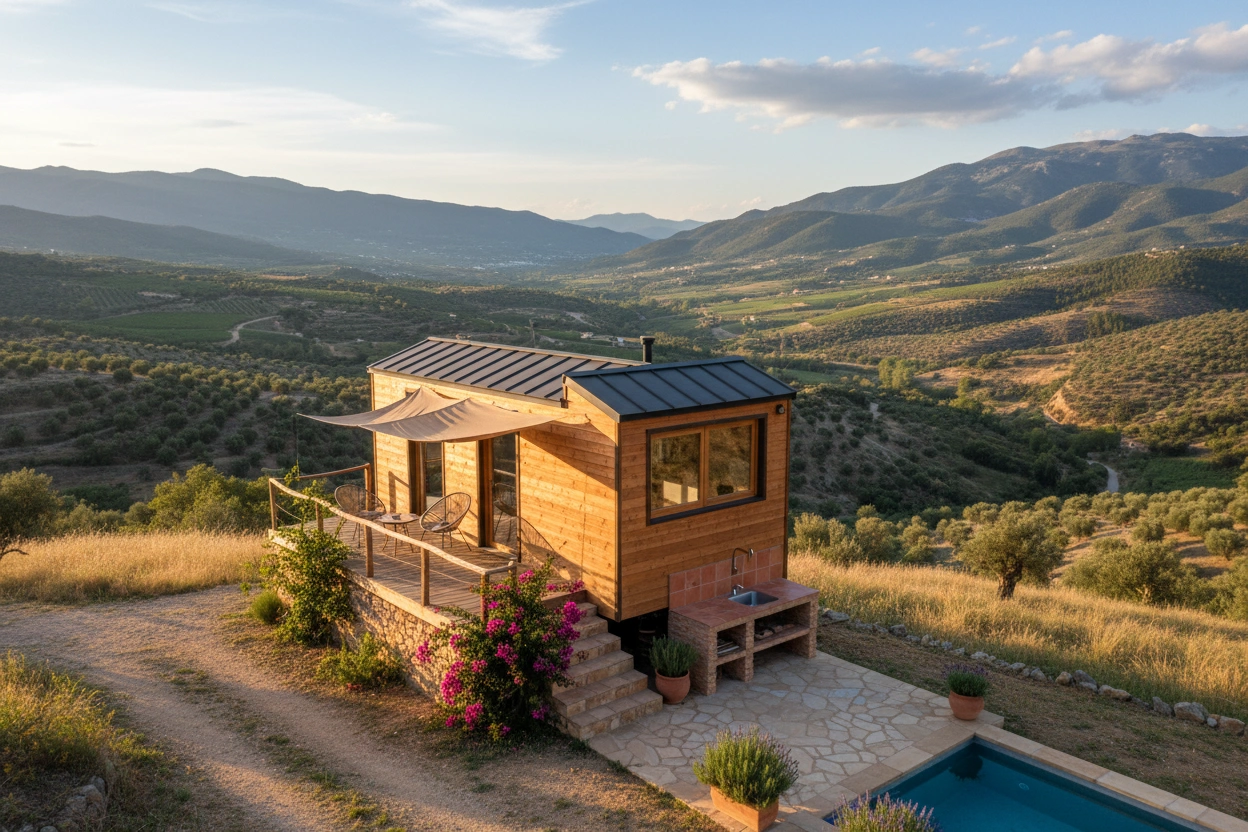
A small entry deck is one of them. It does not need much room to make an impact. Even a compact landing can make the front of the home feel more intentional and give you space for a chair, a planter, or a place to kick off shoes before heading inside.
Covered porches are another strong option. They make outdoor space usable on more days of the year, which is a big deal when you do not have spare rooms indoors. A porch does not have to be large to be valuable. It just has to be comfortable enough that you keep using it.
Built-in seating is especially useful in tight layouts. Loose furniture has a way of eating up space quickly. Benches keep the footprint under control and can add storage at the same time.
Then there is the patio approach. If a raised deck is not the right fit, a simple ground-level area with pavers, gravel, or concrete can still create a defined outdoor zone for dining, container gardening, or an evening fire pit.
.jpg)
How to Make a Small Deck Feel More Open
The easiest mistake is trying to squeeze too much into a limited footprint. Small decks feel better when the layout stays clear.
Open railings can help. So can lighter finishes and furniture that does not look overly heavy. Built-in elements usually work better than oversized outdoor pieces because they keep the edges clean and leave more room to move around.
It also helps to decide what the space is mainly for. Maybe it is a spot for outdoor meals. Maybe it is a quiet sitting area. Maybe it is simply a better threshold between the house and the yard. Once that main purpose is clear, the rest of the choices tend to come together more easily.
Vertical features can do a lot of work here. Privacy screens, planters, and simple overhead structures add shape without taking up much floor space. In a compact yard, that matters.
Lighting plays a quiet but important role as well. Soft, well-placed lighting can make a small deck feel more inviting without adding clutter. Wall-mounted fixtures, string lights, or subtle step lighting keep the space usable in the evening while maintaining an open feel. Avoid bulky lamps or anything that interrupts movement.
Build for Daily Use, Not Just First Impressions
A small outdoor area gets used hard, so the planning needs to be solid. Materials matter, of course, but so does everything underneath them. Drainage, framing, sun exposure, and traffic flow all affect whether the space still feels good a few years later.
Low-maintenance decking can make sense for compact homes because wear shows up quickly in smaller spaces. When the same few steps and surfaces get used every day, durability becomes easier to notice. Choices around framing, surface materials, and drainage and runoff planning can have a real effect on how well the space holds up over time.
This is also where the right builder makes a difference. Homeowners planning a deck, porch, or patio for a smaller footprint often look for companies like Fortress Construction that understand how to make limited space feel intentional rather than crowded.
Visibility is Important
As systems grow, visibility becomes just as important as execution. Operators need a way to see whether standards are actually being followed across locations, not just assumed. That can come from routine audits, digital checklists, or centralized reporting tools that flag gaps early. Without that visibility, small breakdowns tend to stay local until they surface in the form of an incident or a claim. With it, operators can correct issues before they repeat across multiple sites. In that sense, visibility is not just about oversight. It is about maintaining control as complexity increases.
It is also worth recognizing how quickly minor deviations can become normalized in the absence of reinforcement. A skipped inspection here, a delayed maintenance response there, or incomplete documentation after a minor incident can start to feel acceptable if nothing immediately goes wrong. Over time, those small lapses compound into patterns that are harder to correct and easier to challenge in a legal setting. Strong operators counter that drift by reinforcing expectations regularly, not just during onboarding or after a problem occurs. Consistency is not a one-time implementation. It is an ongoing discipline that requires attention as the business evolves.
Outdoor Space That Feels Like Part of the Home
The best outdoor additions are shaped by real habits. Someone who eats outside every morning needs something different from someone who wants a quiet reading corner or a place to host a few friends on weekends. Good design starts there.
That might mean a shaded spot near the door, a bench with hidden storage, or a dining setup that does not dominate the yard. In some homes, the goal is less about adding features and more about creating the kind of easy indoor-outdoor flow that comes from thoughtful deck design.
A compact home does not need a huge outdoor build to feel better. It just needs one that suits the way the space is actually used. When that part is done well, the whole home feels easier to live in.


.svg)