Modular Homes vs Prefab Homes: Key Differences Explained

Buyers researching factory-built housing often walk into the process assuming every off-site constructed dwelling follows the same rulebook. The reality is more nuanced. Terminology gets blurred across marketing materials, real estate listings, and even municipal permit offices, which creates genuine confusion when comparing modular homes against the broader prefab category.
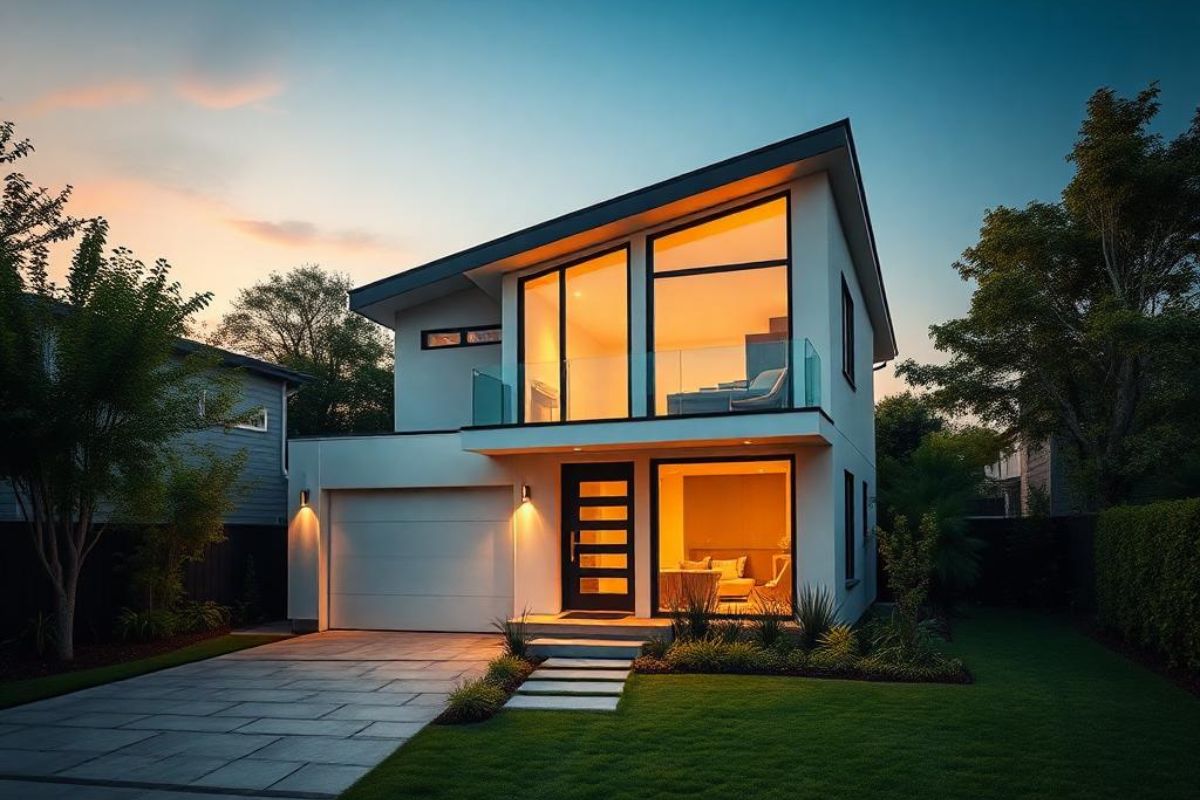
Modern modular homes are a specific category of prefab houses built as three-dimensional sections in a controlled factory, then assembled on a permanent foundation under provincial or state building codes. Prefab is the umbrella term covering modular, panelized, manufactured, container, and kit-built dwellings. The distinction matters for code compliance, financing eligibility, long-term appraisal value, and site preparation requirements.
Buyers researching factory-built housing often walk into the process assuming every off-site constructed dwelling follows the same rulebook. The reality is more nuanced. Terminology gets blurred across marketing materials, real estate listings, and even municipal permit offices, which creates genuine confusion when comparing modular homes against the broader prefab category.
Professional builders working in the factory-built sector, including specialists who construct container homes, volumetric modules, and custom tiny houses, operate under distinct regulatory frameworks depending on the product classification. Getting the category right from day one shapes everything that follows, from financing approval to the final occupancy certificate.
Defining Modular Homes, Prefab Homes, and the Factory Built Spectrum
The factory-built housing sector operates on a layered vocabulary that confuses even seasoned real estate professionals. Prefab functions as the parent category, while modular sits as one specific subset within it. Clarifying these distinctions early prevents costly assumptions during financing, permitting, and appraisal stages.
The Prefab Umbrella Explained
Prefab, short for prefabricated, describes any structure where substantial portions are fabricated off-site before transport to the building site. The category includes panelized systems (flat wall and roof panels assembled on site), kit homes (pre-cut lumber packages), manufactured dwellings built to federal standards, volumetric modules, and adaptive reuse formats such as container homes constructed from repurposed ISO shipping units.
Each format follows different code-compliance pathways and different appraisal methodologies.
How Modular Construction Differs
Modular specifically refers to three-dimensional boxes, called modules or sections, fabricated in a climate-controlled facility and then craned onto a permanent foundation. These dwellings follow the same provincial or national building code as any conventional site-built home, which distinguishes them from manufactured housing built to the separate CSA Z240 standard in Canada or the HUD Code in the United States.
Where Tiny and Container Builds Fit
Custom tiny homes and container conversions occupy a specialized niche. Some qualify as permanent dwellings under local bylaws, while others fall under recreational-vehicle classifications or accessory-structure rules. Zoning officers in any given jurisdiction treat these formats differently.
Key product categories at a glance:
- Modular: Volumetric sections, residential code compliant, permanent foundation required.
- Panelized: Flat pack wall and roof assemblies, site finished, highly flexible design.
- Manufactured: Built to CSA Z240 or HUD, transported on a permanent chassis.
- Container: Steel ISO units, requires structural reinforcement and insulation retrofit.
- Custom tiny homes: Typically under 37 square metres, classification varies by municipality.
Before signing any contract, request the manufacturer's declaration of which building code the dwelling is certified under. This single document determines mortgage eligibility, insurance rates, and long-term property classification.
Construction Standards, Transportation Logistics, and Code Compliance
The engineering gap between a true volumetric module and other prefabricated formats becomes most visible during transport and site assembly. This is where budgets shift, and timelines expand if the wrong category was selected at the planning stage.
Structural Engineering for Transport Loads
A volumetric section must survive highway transport forces that a site-built structure never experiences. Engineers design for dynamic torsion, lateral wind loading at transport speeds, and the lifting stresses applied when cranes set the unit on its foundation.
Steel intermodal units used for container homes already carry a structural rating for stacking and ocean transport, yet they require careful cutout reinforcement whenever windows or doors are introduced. Panelized and kit formats avoid these forces entirely because components ship flat.
Code Jurisdiction and Inspection Pathways
In practice, jurisdictional authority shifts depending on the product type. True modular dwellings fall under the provincial building code, with third-party agencies inspecting the factory before transport. Manufactured units follow a separate federal or national standard, and tiny formats often require a custom variance from the municipality.
Format
Governing Standard
Foundation Type
Primary Inspection Stage
Modular
Provincial Building Code
Permanent concrete
Factory and site
Manufactured
CSA Z240 or HUD
Pier or slab
Factory only
Container
Provincial code plus structural engineer stamp
Permanent or pier
Site heavy
Custom tiny
Municipal variance
Skids or permanent
Site and variance review
Confirm crane access, road width, and overhead clearance during site evaluation. Transport logistics fail more projects than engineering flaws ever do. The result is that classification, transport engineering, and inspection pathway travel together as one linked decision set.
Future Proofing Your Investment in Factory Built Housing

Long-term value in this sector depends less on the sticker price and more on how the dwelling is classified, appraised, and maintained over its service life. Smart buyers evaluate these factors before breaking ground.
Appraisal Behaviour and Resale Value
Lenders and assessors treat volumetric modular dwellings as standard residential real estate, which means they appreciate in line with neighbourhood comparables. Manufactured and chassis-based units often depreciate more like vehicles, particularly when sited on leased land.
Container conversions and custom tiny homes occupy an appraisal grey zone, where market data remains thin, and valuation leans heavily on the lot rather than the structure. Buyers in markets such as Vancouver or the broader region should request a pre-build appraisal letter from their lender whenever financing a non-conventional format.
Maintenance Realities Over Time
Factory-built does not mean maintenance-free. Envelope performance depends on transport handling, site sealing, and the quality of the marriage line where modules join. Steel-based dwellings require vigilant corrosion monitoring, while wood-framed volumetric sections follow standard residential upkeep schedules.
Key diligence items before closing:
- Request the full factory quality assurance report for the unit.
- Verify foundation engineering matches the module load specifications.
- Confirm warranty coverage on the envelope, mechanical, and structural systems.
- Review the manufacturer's service history and parts supply chain.
A builder who publishes transparent specifications for envelope assemblies, such as Modern Mod, signals an engineering discipline that translates directly into long-term durability.
Key Takeaways for Factory Built Buyers
The distinction between categories is never cosmetic. It dictates financing eligibility, code jurisdiction, transport engineering, and long-term appraisal behaviour. Buyers who verify classification documents, factory quality reports, and foundation specifications before committing capital protect themselves from costly surprises downstream.
Whether the project leans toward volumetric modular homes, panelized prefab houses, container conversions, or custom tiny homes, the underlying principle holds steady. Preparation, documentation, and building science discipline outperform price alone every time.


.svg)
.jpg)
.jpg)