Eco-Friendly Tiny House in Spain: Sustainable Living Made Easy

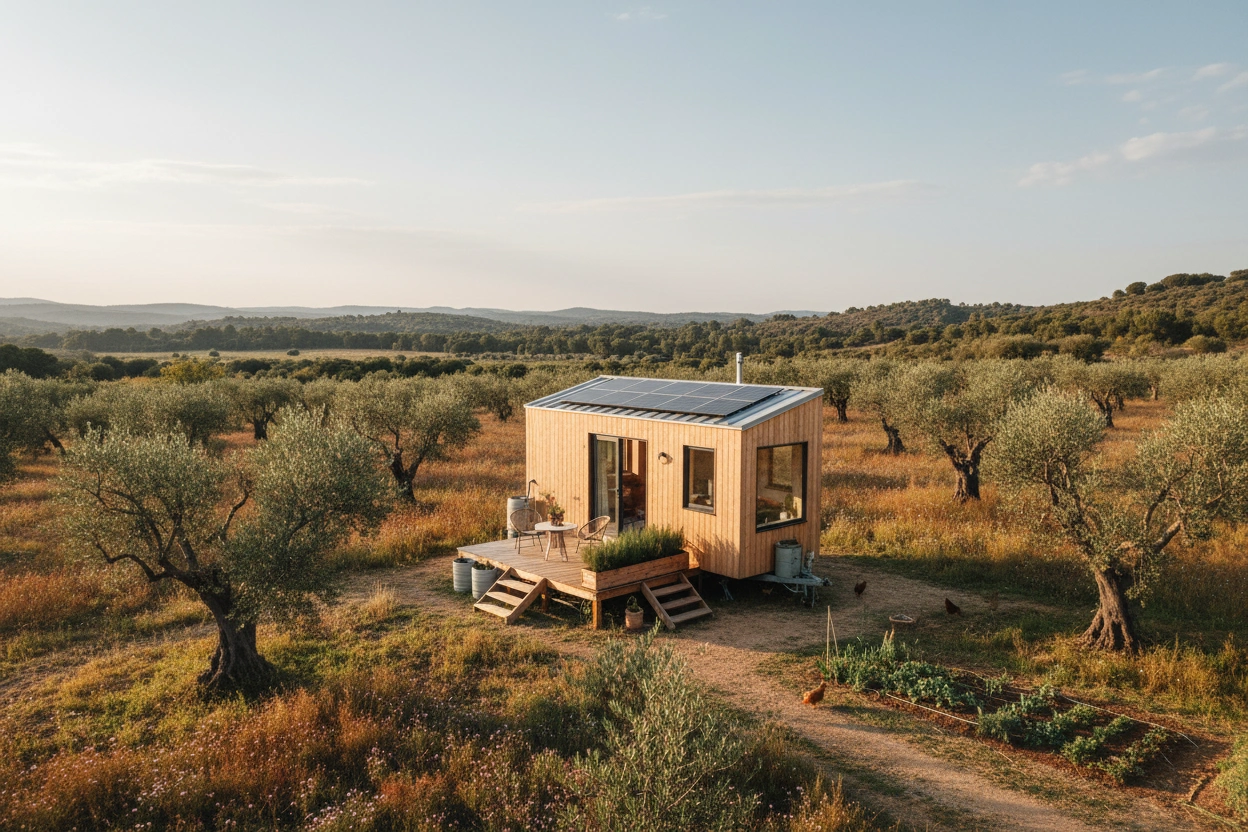
The concept of tiny living has gained traction in recent years, particularly in beautiful and diverse locations like Spain. With its picturesque landscapes, rich culture, and favorable climate, Spain has become a desirable destination for those seeking a sustainable lifestyle. A tiny house in Spain not only offers a smaller environmental footprint but also provides an opportunity to embrace a simpler, more intentional way of living. This article will explore what it means to live sustainably in a tiny home in Spain, highlight the top ten tiny house communities, and provide actionable insights for those considering this lifestyle.
Understanding the Appeal of Tiny Living in Spain
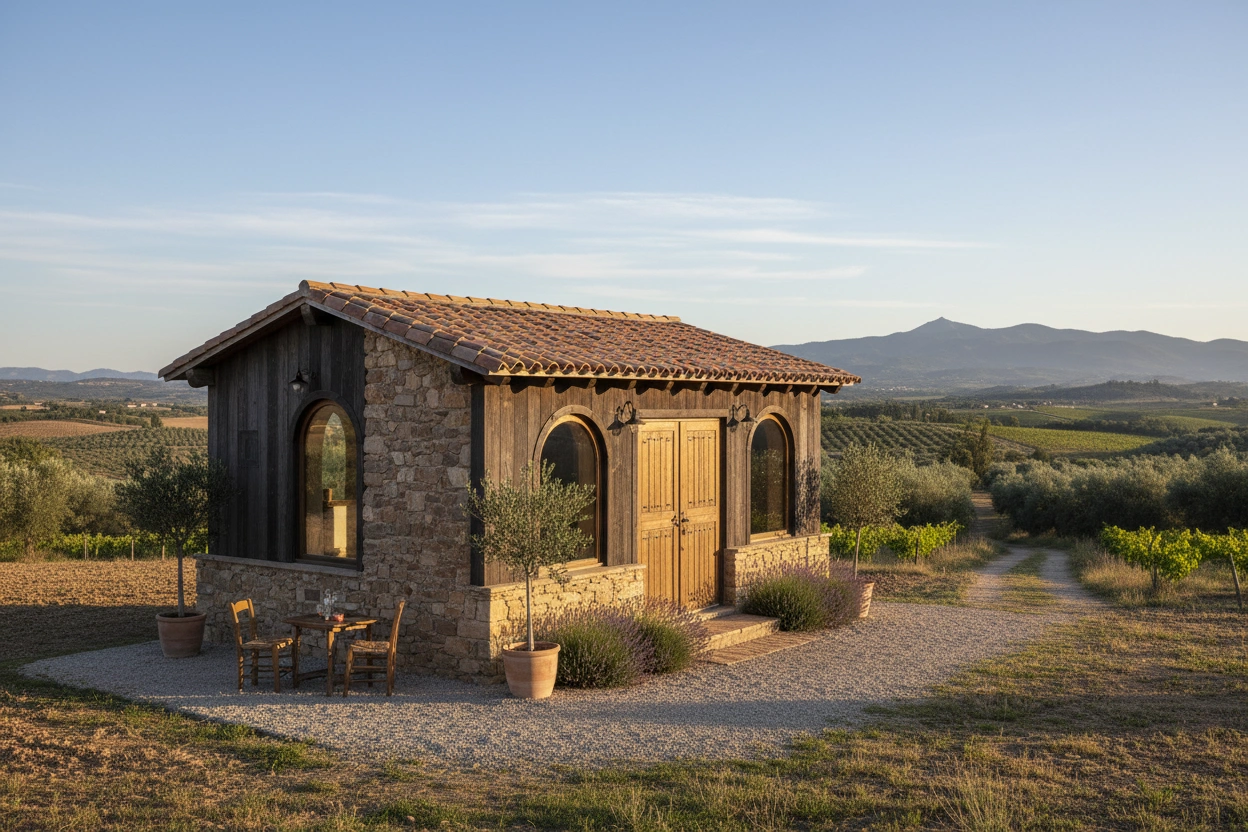
Living in a tiny house allows individuals and families to simplify their lives while minimizing environmental impact. In Spain, where nature and community are highly valued, the tiny house movement is particularly appealing. The benefits of this lifestyle extend beyond mere affordability; they encompass sustainability, flexibility, and an opportunity to connect with nature.
Benefits of Living in a Tiny House
Affordability: Tiny homes are generally more affordable than traditional homes, making them accessible for individuals and couples looking to reduce their financial burdens. In Spain, where property prices can be high, tiny homes offer a practical alternative.
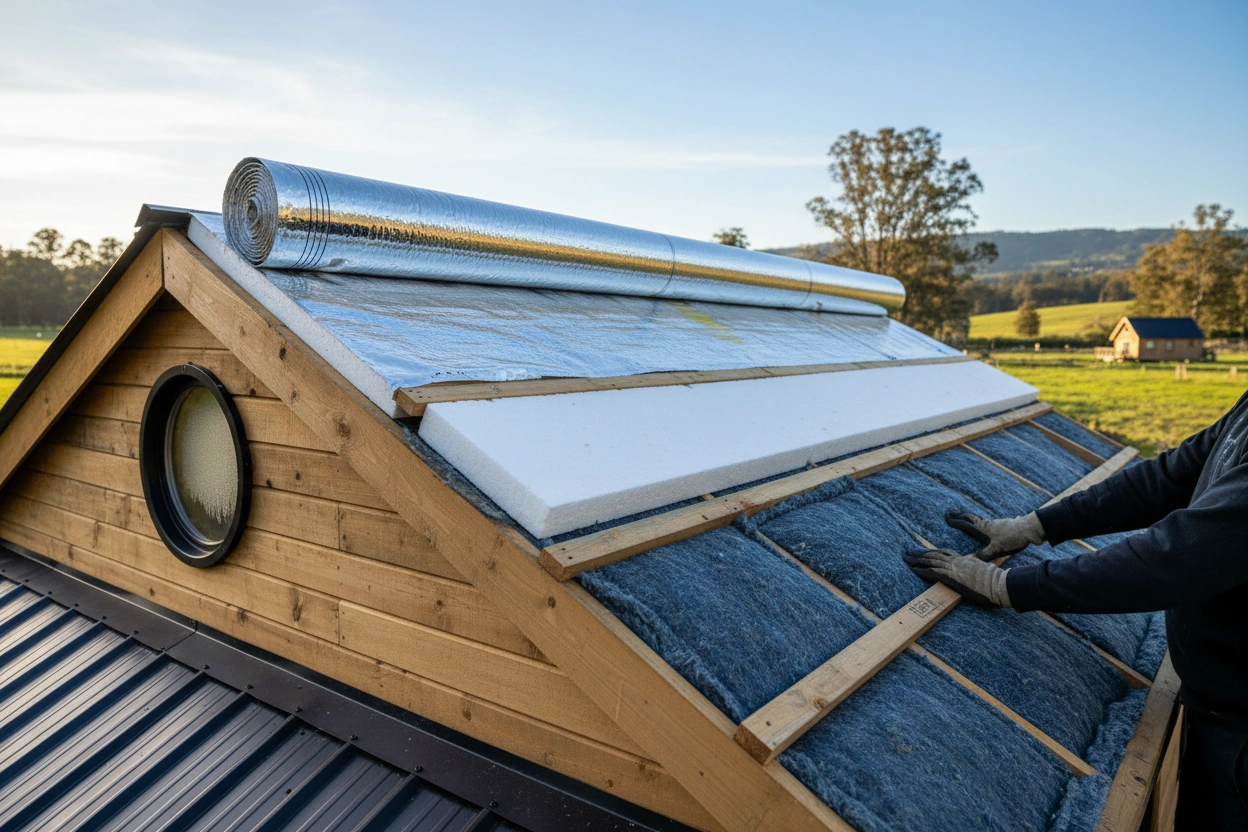
Sustainability: Tiny houses often incorporate eco-friendly materials and designs, reducing energy consumption and waste. Many tiny homes utilize solar panels, composting toilets, and rainwater collection systems, aligning perfectly with Spain's commitment to sustainability.
Minimalism: Living in a tiny house encourages a minimalist lifestyle, prompting residents to declutter and prioritize what truly matters. This shift can lead to improved mental well-being and a more fulfilling life.
Common Misconceptions About Tiny Houses
Despite the numerous benefits, misconceptions about tiny living persist. Some of these include:
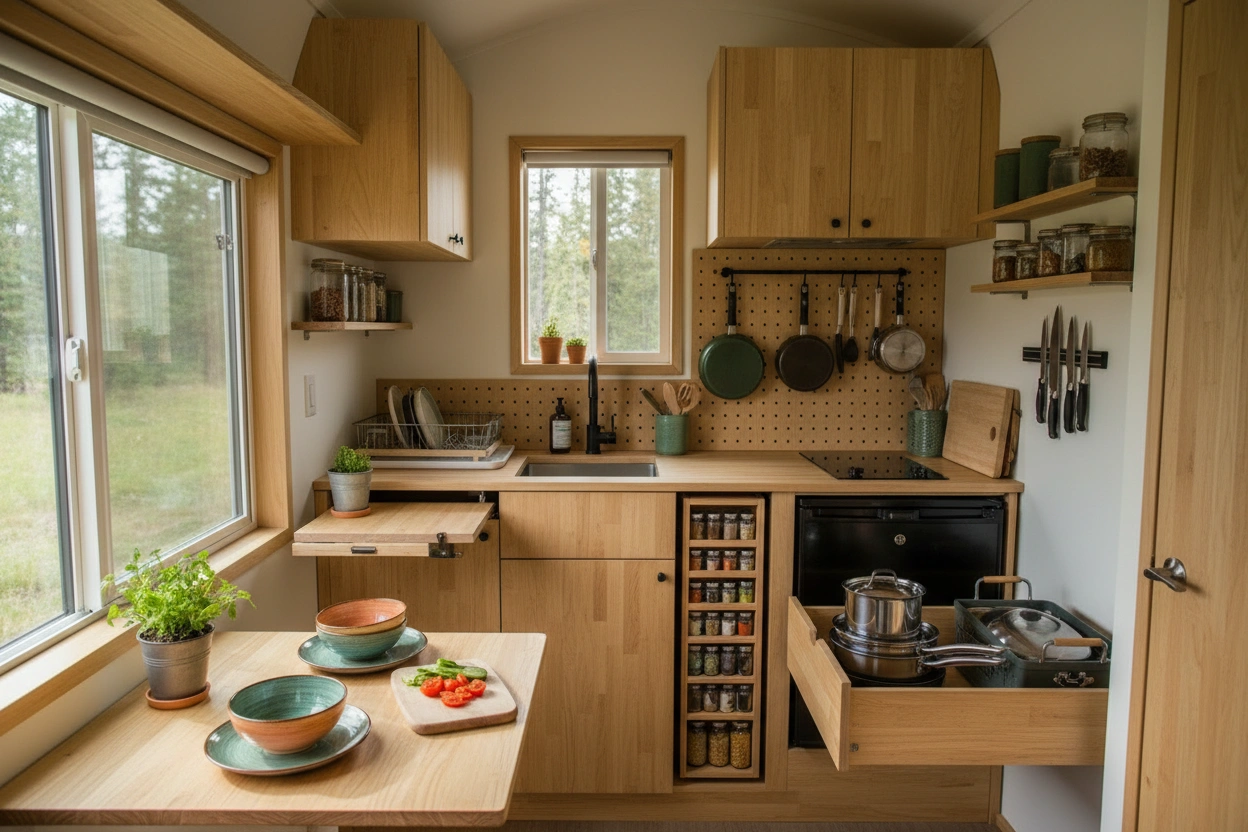
Lack of Space: While tiny homes are smaller, they are designed to maximize space efficiency. Many incorporate clever storage solutions and multifunctional furniture.
Limited Comfort: A well-designed tiny house can be just as comfortable as a traditional home. With thoughtful layouts and quality materials, they can provide all the amenities needed for a comfortable lifestyle.
Inflexibility: Tiny living does not mean sacrificing mobility. Many tiny houses are built on wheels, allowing residents to travel and explore different regions of Spain.
Top 10 Tiny House Communities in Spain
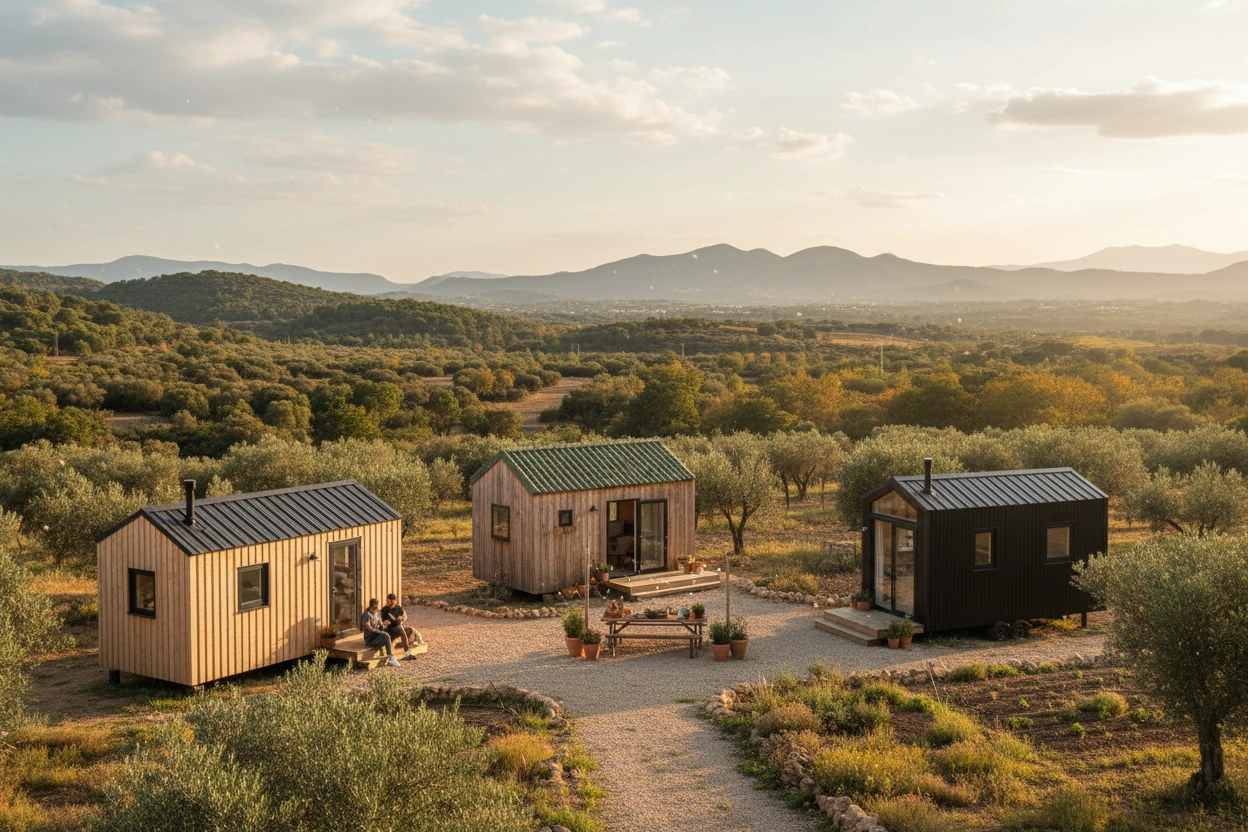
Spain is home to several thriving tiny house communities, each offering unique benefits and experiences. Here are the top ten tiny house communities to consider:
Tiny House Village in Girona
Nestled in the Catalonian countryside, this community features eco-friendly tiny homes surrounded by nature. Residents enjoy communal spaces, gardens, and a strong sense of community.Eco-Village in Valencia
Focused on sustainability, this eco-village promotes organic farming and renewable energy. The tiny houses here are designed to blend seamlessly with the natural environment.Tierra Bobal in Andalusia
Located in southern Spain, Tierra Bobal offers a rustic retreat with tiny homes made from natural materials. The community emphasizes permaculture and self-sufficiency.Tiny House Resort in Mallorca
This resort-style community features beautifully designed tiny homes with stunning views of the Mediterranean. Residents can enjoy outdoor activities and a vibrant social scene.La Casita Verde in Barcelona
An urban tiny house community that focuses on eco-friendly living, La Casita Verde promotes sustainable practices and offers workshops on green living.Finca La Isla in Extremadura
Set on a scenic farm, this community features tiny homes that are perfect for nature lovers. Residents can participate in farm activities and enjoy fresh produce.Tiny House Eco-Community in Madrid
Located just outside the capital, this community offers a blend of urban and rural living. Residents benefit from the proximity to the city while enjoying the serenity of tiny living.Pueblo de los Pequeños in Galicia
This charming village features tiny homes inspired by traditional Galician architecture. The community fosters a strong sense of belonging and cultural heritage.Sierra de Gredos Tiny House Community
Nestled in the mountains, this community offers stunning views and a peaceful atmosphere. Residents can enjoy hiking, nature, and a close-knit community.La Vida Sostenible in Murcia
A community dedicated to sustainable living practices, La Vida Sostenible promotes eco-friendly building techniques and a low-impact lifestyle.
Building or Buying a Tiny House in Spain
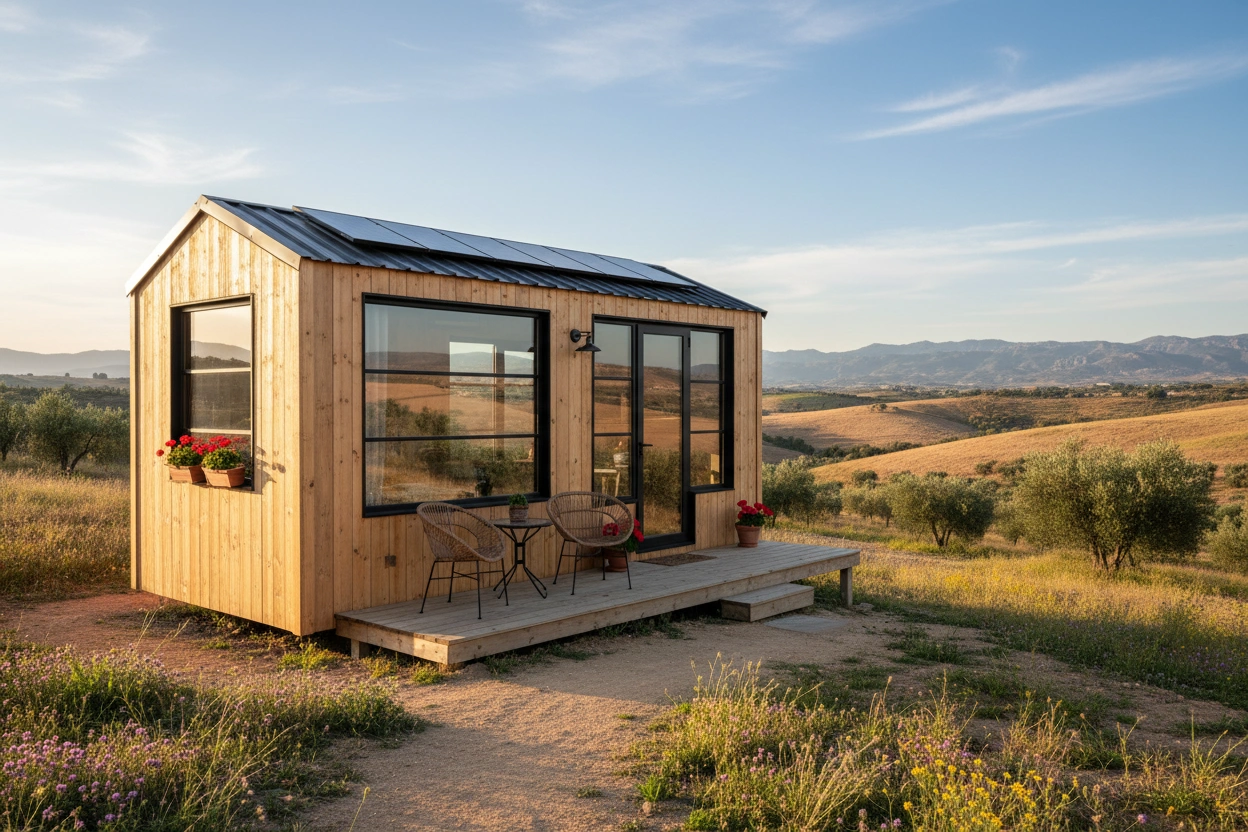
For those considering a tiny house in Spain, the process of building or buying can be straightforward if approached systematically. Here are the key steps to consider:
Step-by-Step Guide to Acquiring a Tiny House
Research Local Regulations
Before embarking on your tiny house journey, familiarize yourself with local zoning laws and building codes. Each region in Spain has its own regulations regarding tiny homes, which can affect where you can place your house.Choose Your Location
Decide on a region that aligns with your lifestyle preferences. Whether you prefer the hustle of urban living or the tranquility of the countryside, Spain offers diverse options.Select a Design
Consider your needs and preferences when choosing a tiny house design. Look for plans that maximize space and incorporate eco-friendly features.Find a Builder or DIY
You can either hire a builder who specializes in tiny homes or opt for a DIY approach. If you choose to build your own, ensure you have the necessary skills or seek help from professionals.Secure Financing
While tiny homes are generally more affordable, you may still need financing. Explore your options, including personal loans, specialized tiny house loans, or even crowdfunding.Plan for Utilities
Consider how you will connect your tiny house to utilities such as water, electricity, and sewage. Many tiny homes are designed to be off-grid, which can reduce costs and environmental impact.Prepare for Life in a Tiny House
Transitioning to tiny living requires a mindset shift. Start decluttering and simplifying your possessions to fit into your new space.
Common Mistakes to Avoid
When venturing into tiny living, it’s essential to avoid common pitfalls:
Underestimating Space Needs: Be realistic about your storage and living requirements. Plan for the essentials and consider multifunctional furniture to maximize space.
Ignoring Local Laws: Failing to research local regulations can lead to complications down the road. Always ensure your tiny house complies with local zoning laws.
Overlooking Community: Tiny living is often about community. Engage with others in tiny house communities to share experiences and advice.
Embracing Sustainable Living in Your Tiny House
Living sustainably goes beyond choosing a tiny house; it encompasses daily practices that reduce your environmental footprint. Here are some tips to embrace sustainable living in a tiny house in Spain:
Eco-Friendly Practices for Tiny Living
Energy Efficiency: Invest in energy-efficient appliances and use LED lighting to reduce energy consumption.
Water Conservation: Implement rainwater harvesting systems and use low-flow fixtures to minimize water usage.
Composting: Utilize composting toilets and food scraps to create nutrient-rich compost for gardens.
Gardening: Grow your own vegetables and herbs to promote self-sufficiency and reduce reliance on store-bought produce.
Community Involvement: Join local initiatives focused on sustainability, such as community gardens or clean-up events.
The Future of Tiny Living in Spain
As the tiny house movement continues to grow, more people are recognizing the benefits of downsizing. With increasing awareness of environmental issues, the demand for eco-friendly tiny homes in Spain is likely to rise. This shift presents an opportunity for innovative designs and sustainable communities.
Emerging Trends in Tiny Living
Smart Home Technology: The integration of smart technology can enhance the functionality of tiny homes, making them more efficient and user-friendly.
Increased Focus on Off-Grid Living: As more individuals seek self-sufficiency, off-grid tiny homes are gaining popularity. This trend promotes a lifestyle that is both sustainable and independent.
Community-Centric Living: Future tiny house communities may emphasize shared resources, communal spaces, and collaborative living, fostering a sense of belonging among residents.
Building a Sustainable Future with TinyHouse.com
The concept of a tiny house in Spain embodies the principles of sustainability, affordability, and simplicity. As more individuals and families consider this lifestyle, the potential for eco-friendly living becomes increasingly attainable. TinyHouse.com serves as a valuable resource for anyone interested in exploring tiny house options in Spain. From helpful guides to community insights, TinyHouse.com can assist you in navigating the journey toward a sustainable future.
If you're ready to embrace the tiny living lifestyle and learn more about affordable tiny homes in Spain, visit TinyHouse.com for comprehensive resources and support tailored to your needs.


.svg)