
Emergency Expenses on a Low Income: Planning for Tiny Home Costs

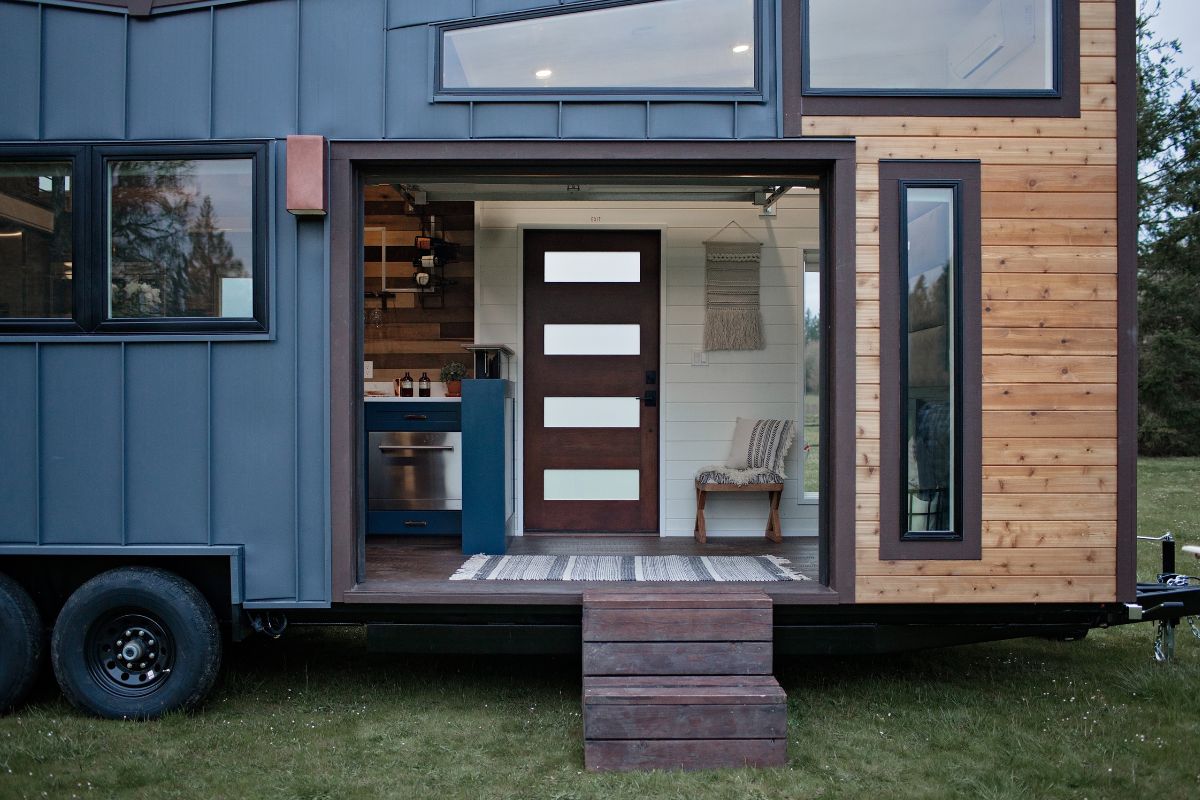
Living in a tiny home can lower some household costs, but unexpected repairs can still be difficult when income is limited. A leaking pipe, electrical problem, or broken appliance may require attention before the next paycheck arrives. When most income already goes toward food and other essentials, even a modest repair can put pressure on the household budget.
Planning for these costs is harder when little money is left after regular bills. The goal doesn’t have to be building a large emergency fund immediately. A more realistic approach is to identify the most important risks, save small amounts when possible, and know which options may be available when savings are not enough.
Know Your Options When Savings Fall Short
Unexpected repair costs can be harder to manage when most of a household’s income already goes toward essential expenses. Learning how to budget money on a low income can help households identify what they can set aside for emergencies and how much they can realistically afford when an urgent expense appears. If savings fall short, available options may include assistance programs, insurance coverage, or financing such as an online personal loan.
Any borrowing option should be reviewed carefully before taking on another monthly expense. Fees, repayment periods, lender requirements, and monthly payments can all affect whether the loan is manageable alongside food, utilities, transportation, and other essentials. Comparing available options can help households avoid a repayment plan that creates additional pressure on an already limited budget.
Build a Small Emergency Repair Fund
A repair fund can give low-income households some breathing room when a tiny home needs attention. The amount doesn’t need to be large to help with smaller problems before they get worse. Repair savings can pay for parts, basic materials, or part of a service call without putting as much pressure on the monthly budget.
Build the fund gradually, and make it reflect what the household can realistically afford. Add extra income, refunds, or money left after essential expenses when available, instead of committing to a fixed amount every month. Keeping the fund separate from everyday spending also makes it easier to save it for problems that genuinely need quick action.

Check Whether Insurance Covers Major Damage
Insurance can provide an important layer of protection when a tiny home is damaged by events that would be hard to pay for out of pocket. Depending on the policy, coverage may apply to problems caused by fire or other covered events. This can be especially valuable when a low-income household doesn't have enough savings to cover a major repair all at once.
Coverage can vary based on whether the tiny home is fixed in one location, built on a trailer, or used as a primary residence. Owners should review what’s covered, excluded, and how much they’d need to pay out of pocket before coverage applies. Understanding those details ahead of time can prevent surprises when an emergency claim becomes necessary.
Prioritize Repairs That Cannot Wait
Not every tiny home repair needs to be handled at the same time. Problems involving active leaks, electrical faults, heating, plumbing, or other essential systems may need attention quickly because delaying them could lead to additional damage or make the home difficult to use safely. Cosmetic work and minor improvements can usually sit lower on the list when money is limited.
When several expenses appear at once, separating urgent repairs from work that can wait can help stretch the available budget. Getting estimates can also make it easier to understand what a repair may cost before committing money to it. Addressing the most important problems first allows limited emergency funds to go toward the parts of the home that need immediate attention.

Separate Tiny Home Costs From Bills
Tiny home costs are easier to manage when you give them their own budget line. Expenses such as repairs may not happen every month, but they can still put pressure on a low-income household when they appear unexpectedly. Tracking them separately from regular bills makes it easier to see how much money is really available for the home.
A separate category can also help with setting priorities. Essential monthly bills should still come first, while money reserved for the tiny home can cover repairs or maintenance needs. This approach gives the household a clearer view of both everyday spending and less predictable home costs.
Small Plans Can Protect Tiny Homes
Managing emergency expenses on a low income requires planning around the costs a tiny home may bring. Setting aside small amounts, prioritizing essential repairs, and keeping track of home-related expenses can make unexpected costs easier to handle. Regular maintenance can also help address minor problems before they turn into larger and more expensive repairs.
When savings are not enough, homeowners can review available insurance, assistance, or financing options before taking on new costs. Any borrowing should fit within the household budget without making essential expenses harder to cover. A simple and flexible plan can help reduce the financial strain of unexpected tiny home expenses.


.svg)
.jpg)

.jpg)