The Environmental Benefits of Aluminium Windows

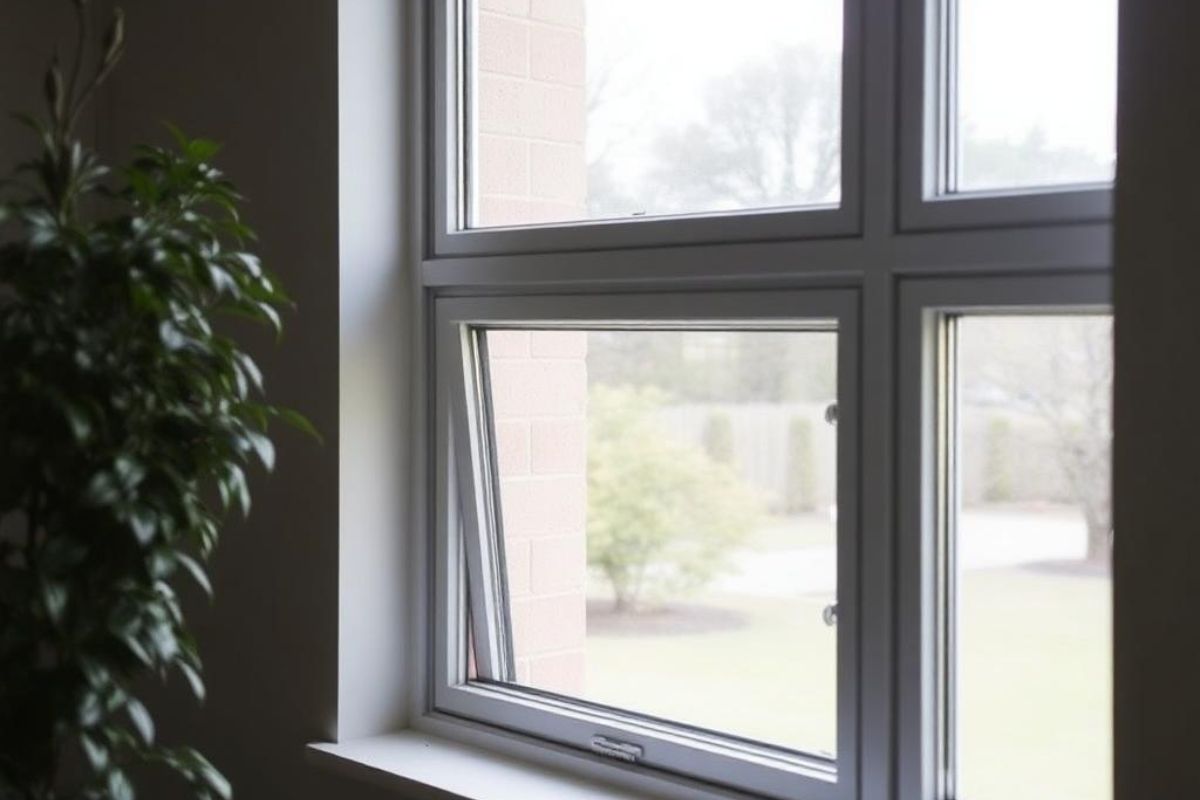
You may be thinking about your next home project. Maybe you're building from scratch or planning a window replacement for old, drafty units. You want something that looks good, but you also care about making smart choices for the planet. This is where you might discover the surprising environmental benefits of aluminium windows.
This is not just about picking a frame; it is about choosing a material that genuinely contributes to a healthier home and a greener world. You might not realize how significant the environmental advantages are. They impact everything from your energy bills to long-term waste reduction.
The Hidden Power of Energy-Efficient Aluminium Windows
Let's talk about your power bill. Does it make you cringe every month? Your windows could be a big reason why, as they are often weak spots where your expensive heated or cooled air escapes.
Modern aluminium windows are built to fight this problem effectively. They are engineered with something called a thermal break. Think of it as a small barrier inside the frame that stops heat from passing through so easily, a feature that has completely changed how aluminium performs in homes.
Because of this innovation, your home stays warmer in the winter and cooler in the summer. Your heating and cooling systems do not have to work nearly as hard. This directly translates to lower energy consumption and a friendlier monthly bill, making them truly eco-friendly windows.
What Are Thermal Breaks?
So what is this thermal break? Aluminium is a metal, and metals conduct temperature well, which used to be a problem for window insulation. In the past, this conductivity meant that the cold or heat from outside would travel straight through the window frame and into your home.
Manufacturers fixed this by placing a less conductive material, usually a polyamide strip, between the inside and outside parts of the aluminium frame. This barrier effectively stops, or "breaks," the transfer of heat or cold. It's a simple idea with a massive impact on the overall thermal performance of the window unit.
This innovation allows aluminium to offer excellent insulation, putting it on par with other materials like wood or vinyl. You get the strength and sleek look of aluminium without sacrificing comfort or energy efficiency. This technology makes modern aluminum frames a top choice for sustainable window frames.
.png)
Glazing Makes a Huge Difference
The frame is only half the story; the glass you choose plays a massive role in energy efficiency. Modern aluminium windows are almost always paired with high-performance glazing options. The combination of an advanced frame and specialized glass creates a powerful barrier against energy loss.
Double glazing, which uses two panes of glass with a sealed air or gas gap in between, is the standard for good reason. It dramatically reduces heat loss compared to single-pane windows. For even greater performance, especially in very cold climates, triple glazing adds a third pane of glass and another insulating gap.
You can also get glass with special coatings, often called low-emissivity or low-E glass. This microscopic, transparent metal coating reflects infrared and ultraviolet light. The U.S. Department of Energy states that low-E coatings can reduce energy loss by as much as 30 to 50 percent, keeping your home's temperature stable.
To further boost insulation, the space between glass panes can be filled with an inert gas like argon or krypton. These gases are denser than air and provide better resistance to heat transfer. These features contribute to a window's overall U-value, a measure of how well it prevents heat from escaping, and its Solar Heat Gain Coefficient (SHGC), which measures how much solar radiation it blocks.
Why Aluminium's Recyclability is a Game Changer for the Planet
Here is a fact that might shock you. Aluminium is one of the most recyclable materials we use today. It is not just recyclable; it is infinitely recyclable, meaning it can be melted down and reformed into new products over and over again without losing any of its quality.
Think about what that means for our planet. When an old aluminium window frame reaches the end of its life, it does not go to a landfill. Instead, it becomes the raw material for something new, a process that is a perfect example of a closed-loop system and a core principle of the circular economy.
This process is incredibly efficient. Using recycled aluminum uses about 95% less energy than producing it from its raw ore, bauxite. That is a massive reduction in the carbon footprint of windows, helping to conserve natural resources and reduce greenhouse gas emissions associated with manufacturing.
A Material That Never Dies
Did you know that most of the aluminium ever produced is still in use today? The Aluminum Association reports that nearly 75 percent of all aluminum is still circulating in our economy. This is a testament to its durability and exceptional recyclability.
Contrast this with other materials used for window frames. Some plastics can only be downcycled into lower-quality products a few times before they are unusable and must be discarded. Old wood windows can be challenging to reclaim if they have been treated with paints, stains, or chemical preservatives.
Aluminium just keeps going. The frame on your house today could be part of a car, a beverage can, or even a new window in 50 years. This long-term thinking is at the foundation of what sustainable building is all about.
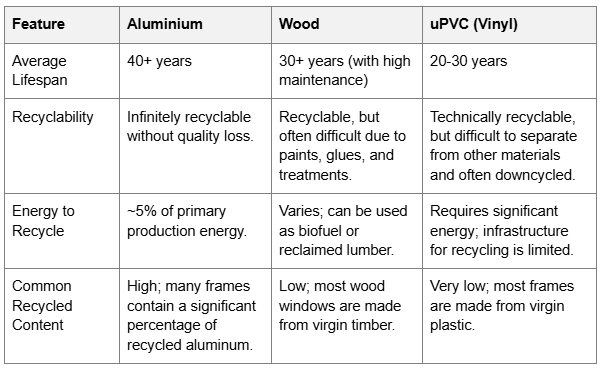
Comparing Window Frame Materials
When considering environmental impact, it's helpful to see how different materials stack up. Each has its own profile regarding lifespan, recyclability, and production energy. The table below offers a simplified comparison.
Reducing Landfill Waste
Landfills are a growing problem worldwide, and choosing materials that do not end up there is a powerful way to make a difference. Every time an aluminium product is recycled, it is one less item taking up space in a dump. This directly addresses the issue of finite landfill capacity.
The construction industry generates a huge amount of waste. By choosing long-lasting, recyclable materials like aluminium for your home, you are directly helping to reduce that burden. It is a choice that has an impact far beyond just your own property.
This is a major reason why aluminium is a preferred material in green building certifications like LEED (Leadership in Energy and Environmental Design). Architects and builders who use a building lifecycle approach know that its properties make it a responsible choice. They look at the big picture, from creation to demolition, and aluminium scores very high.
.jpg)
Built to Last: The Long-Term Environmental Wins of Durability
What is one of the best ways to be sustainable? It is simple: use things for a very long time. The longer a product lasts, the less often you need to replace it, which means fewer resources used and less waste created over time.
Aluminium windows are champions of longevity. They are naturally strong and incredibly resistant to the elements. They do not warp, crack, or swell when exposed to moisture like wood can, nor will they become brittle or discolor from sun exposure like vinyl might.
This durability is why aluminium is so common in commercial buildings, and the same resilience is seen in applications like aluminum cladding on skyscrapers. Architects need materials they can rely on for decades. That same level of performance is available for your home, giving you peace of mind.
Fighting Off Corrosion and Decay
Aluminium has a neat natural trick. When exposed to air, it forms a tough, invisible layer of aluminum oxide on its surface. This layer acts as a natural shield, protecting the metal underneath from rust and corrosion.
This makes it a perfect choice for homes in any climate, especially coastal areas where salty air can quickly degrade other materials. You do not have to worry about your window frames degrading over time. A study often cited in the industry suggests that aluminum windows can have a useful life of 40 years or more, easily outlasting some alternatives.
This incredible lifespan means you will not be thinking about a window replacement anytime soon. That is good for your wallet and fantastic for the environment. Fewer replacements mean less manufacturing, less transportation, and less installation waste over the decades.
Low Maintenance, Lower Impact
Let's be honest, nobody enjoys spending their weekends on home maintenance. Aluminium windows need very little upkeep to stay in top condition. A simple cleaning with soap and water is usually all it takes to keep them looking great.
You will not need to repaint, restain, or reseal them every few years. This saves you considerable time and money over the life of the windows. It also has a hidden environmental benefit related to air quality.
Paints, stains, and sealants often contain volatile organic compounds (VOCs). These chemicals can be released into the atmosphere, contributing to air pollution and affecting indoor air quality. By choosing pre-finished aluminum with durable powder coating finishes, you avoid introducing these harmful chemicals into your home and the environment.
Examining the Full Picture: The Total Aluminium Windows Environmental Benefits
When you are making a big decision like choosing new windows, it is smart to look at the whole story. It is true that producing brand new, or primary, aluminium is an energy-intensive process. But that is only the very beginning of its lifecycle.
The total environmental benefit comes from a combination of all its strengths. You have to consider its incredible lifespan, its high recycled content, and its efficiency once it is installed in your home. When you put all these pieces together, the argument for aluminium becomes very strong.
Reputable suppliers are also taking steps to be more transparent. Some product lines now come with certifications like a Declare label from the International Living Future Institute. This label is like a nutrition label for building products, showing you exactly what materials are inside so you can make an informed choice.
More Light, Less Electricity
Here is another benefit you might not have considered. Aluminium is incredibly strong for its weight. This strength means window frames can be made much slimmer than frames made from other materials.
Slimmer frames mean a larger glass area in your windows. This lets more natural daylight into your home. A brighter home is a happier home, but it also means you will use less artificial lighting during the day, another way aluminum helps reduce daily energy use.
This feature allows architects to design beautiful, open spaces that feel connected to the outdoors. It is a design advantage that also happens to be an environmental one. Maximizing natural light is a key strategy in green building materials and design.
A Choice Backed by Transparency
In today's world, it is important to know where your products come from. Many manufacturers are getting certified to show their commitment to sustainability. These certifications are not just marketing buzzwords; they represent real accountability.
For example, some suppliers now offer products with Toitū carbonreduce certification. This means they have measured the carbon footprint of their products and are actively working to reduce it. It is a commitment to making things in a more responsible way.
Choosing products from companies that value this transparency sends a powerful message to the industry. It indicates that consumers care about more than just the price tag. We care about the health of our planet and the impact of the things we build. You can also look for options that allow for natural ventilation to improve home health.
Making eco-friendly choices for your home can sometimes feel complicated. But selecting aluminium windows is a straightforward decision that pays off in many ways. It is a material that works hard for you and for the planet at the same time.
From lowering your energy bills to standing strong for decades and being endlessly recyclable, the facts speak for themselves. You get a durable, low-maintenance, and stylish product that makes your home more comfortable. All these factors contribute to the impressive list of aluminium windows environmental benefits.
When you choose aluminium, you are investing in a solution that is truly sustainable for the long haul. It is a smart decision for your home, your budget, and the environment. This makes it one of the top green building materials available today.


.svg)
.png)
.jpg)