
Ergonomic Efficiency in Compact Living: Designing a Productive Tiny Home Workspace

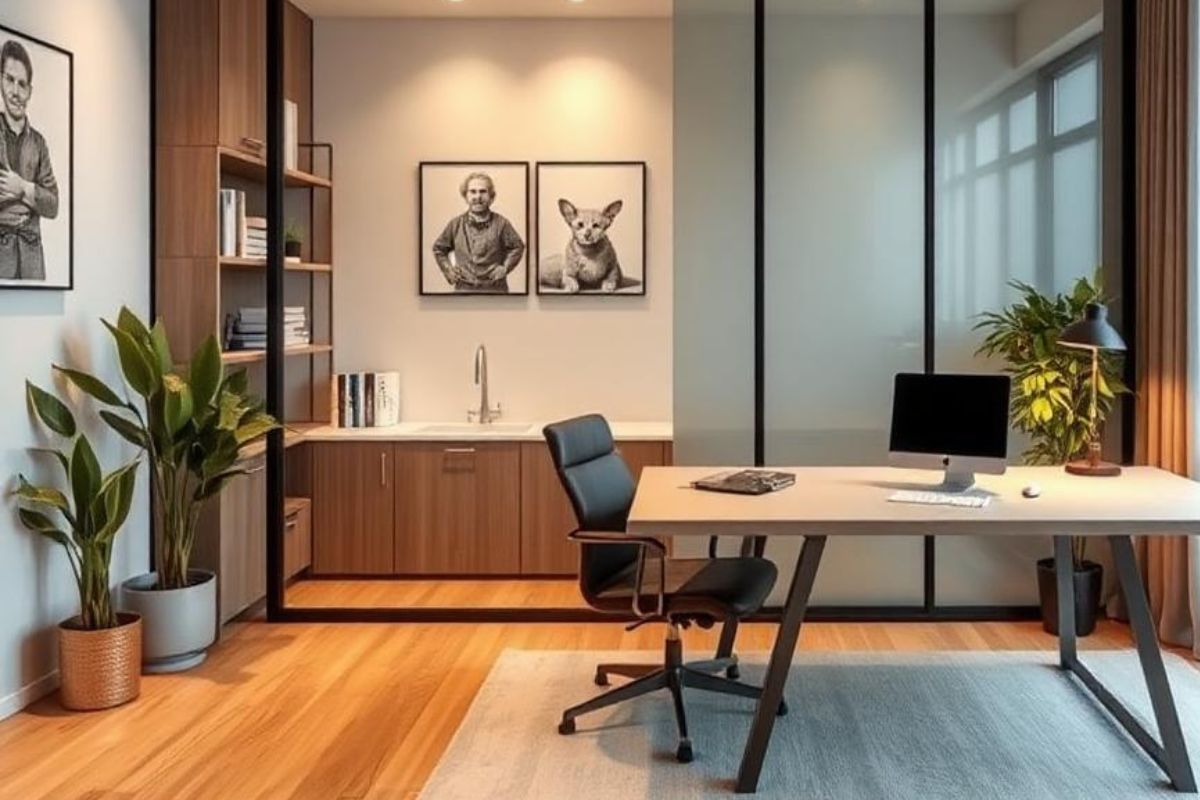
Living and working in a tiny home presents unique challenges, especially when it comes to creating a functional and ergonomic workspace. With limited square footage, every piece of furniture and every inch of space must be carefully chosen and arranged. The goal is to maximize comfort and productivity without overcrowding your living environment.
Below is a closer look at how to tackle the challenges of limited space while creating a workspace that’s both ergonomic and efficient.
Understand the Importance of Ergonomics in Small Spaces
Before you select furniture or start arranging your workspace, it’s essential to grasp why ergonomics matter, even more so in tiny homes. Poor posture and inadequate support can lead to discomfort, reduced focus, and health issues like back pain or repetitive strain injuries. In a compact setting, the margin for error is small, so planning for ergonomic efficiency from the outset is crucial to ensure long-term comfort and productivity.
Choose Multi-Functional, Space-Saving Furniture
In tiny homes, choosing the right ergonomic office furniture that is both multi-functional and space-saving is essential to maintain comfort and productivity. Look for desks that can adjust height-wise to switch between sitting and standing or fold away when not in use. Convertible desks that fold into walls or compact units with built-in storage help reduce clutter while maintaining a usable surface. For seating, opt for ergonomic chairs designed with smaller footprints that offer lumbar support and adjustable features to prevent strain without occupying excessive space.
.jpg)
Prioritize Vertical Space for Organization and Efficiency
Floor space is precious, so think vertically. Wall-mounted shelves, pegboards, or floating desks make excellent use of vertical space and keep your essentials within easy reach without crowding your immediate work area. Vertical storage also helps keep your desk clear, which can improve focus and reduce stress caused by clutter.
Optimize Your Monitor and Screen Setup
Proper monitor placement is a cornerstone of an ergonomic workspace. The screen should be at eye level and about an arm’s length away to prevent neck and eye strain. In tiny homes, using adjustable monitor arms or compact stands can help you position your screen perfectly without taking up extra desk space. This small adjustment makes a big difference in comfort during long work sessions.
Manage Cables and Keep Your Space Tidy
In a tight space, messy cables quickly become a nuisance and can even pose safety hazards. Invest in cable organizers or clips to keep cords neat and secure, preventing tangles and accidental trips. A tidy workspace is not just about looks—it helps maintain a clear, focused mind and avoids distractions during work.
Incorporate Efficient Lighting Solutions
Lighting plays a vital role in comfort and productivity, but can be tricky in a small area. Whenever possible, position your desk near a window to take advantage of natural light. Use sheer curtains to diffuse glare while keeping the room bright. When natural light isn’t sufficient, compact task lamps with adjustable arms provide focused illumination exactly where you need it without taking up valuable desk space. Opt for energy-efficient LED bulbs to reduce heat and electricity use.
Make Space for Movement and Personal Comfort
Even with the best ergonomic setup, sitting or standing in one position for too long isn’t ideal. Tiny homes limit your range of movement, so plan for micro-breaks to stretch or shift positions throughout your day. Having a small yoga mat or a stability ball nearby encourages movement and helps relieve tension. Additionally, maintaining good air circulation and a comfortable temperature by using fans or air purifiers improves your overall comfort and alertness.
Select Materials and Designs That Enhance Space and Comfort
Lightweight yet sturdy materials like metal frames or breathable mesh can make your workspace furniture easier to move and more comfortable during long hours. Choose designs that are sleek and neutral in color to keep your tiny home feeling open and uncluttered. The right materials and design elements contribute not only to ergonomic support but also to the visual spaciousness of your environment.
Customize and Adapt Your Workspace to Your Needs
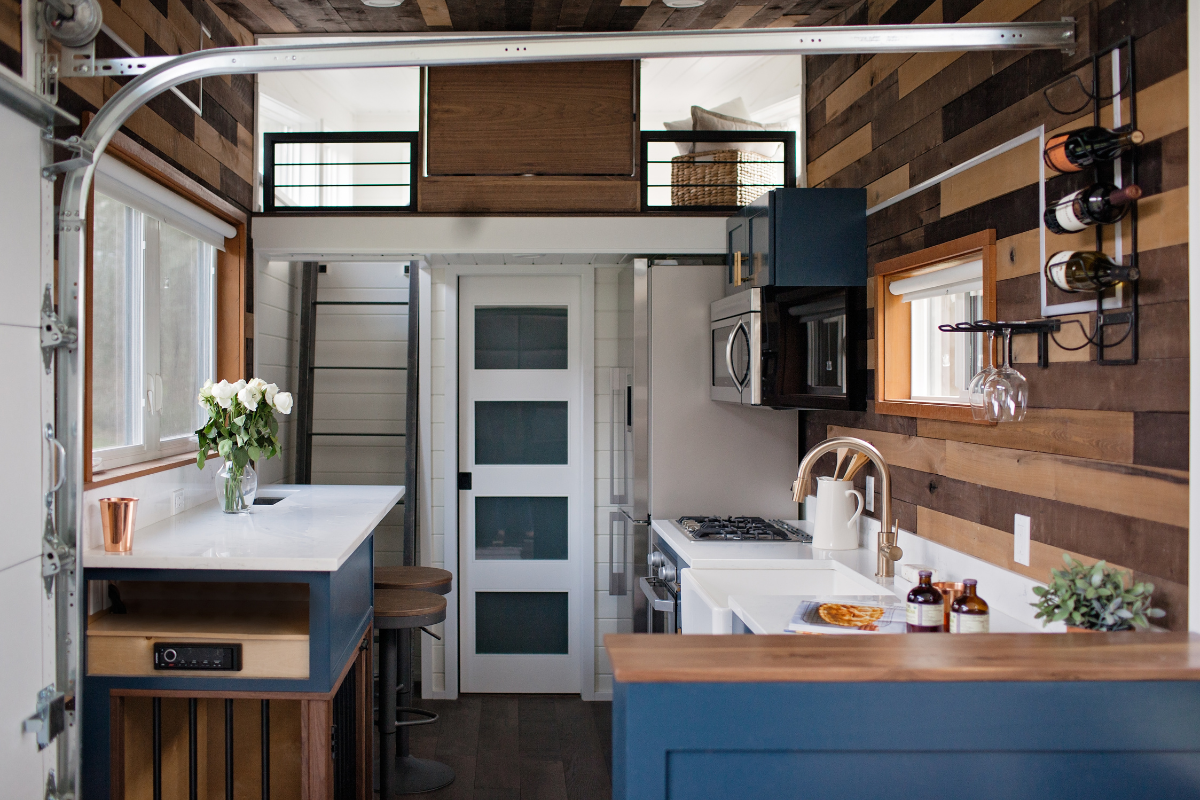
No two tiny homes are exactly alike, and your workspace should reflect your unique layout and working style. Consider custom-built desks or modular furniture systems that allow you to maximize every inch of available space while maintaining ergonomic principles. Flexibility is key; as your work habits or needs evolve, your workspace should adapt with you without requiring a complete overhaul.
Balance Functionality, Comfort, and Space
Ultimately, creating an ergonomic workspace in a tiny home is about balance. You want to blend functionality and comfort without overwhelming your limited space. Thoughtful furniture selection, smart organization, proper lighting, and attention to your physical needs can come together to make your tiny home workspace a place where productivity and well-being thrive side by side.
Conclusion
Designing an ergonomic workspace in a tiny home might seem daunting at first, but with thoughtful planning and the right approach, it is entirely achievable. By prioritizing multi-functional furniture, smart use of vertical space, proper lighting, and personalized comfort, you can create a workspace that fits your compact living environment while supporting your health and productivity. Remember that the key is to strike a balance between efficiency and comfort because when your workspace works for you, even the smallest space can become a powerful hub for creativity and focus.


.svg)

.jpg)