Tiny Home Fit-Out Ideas That Will Save You Money

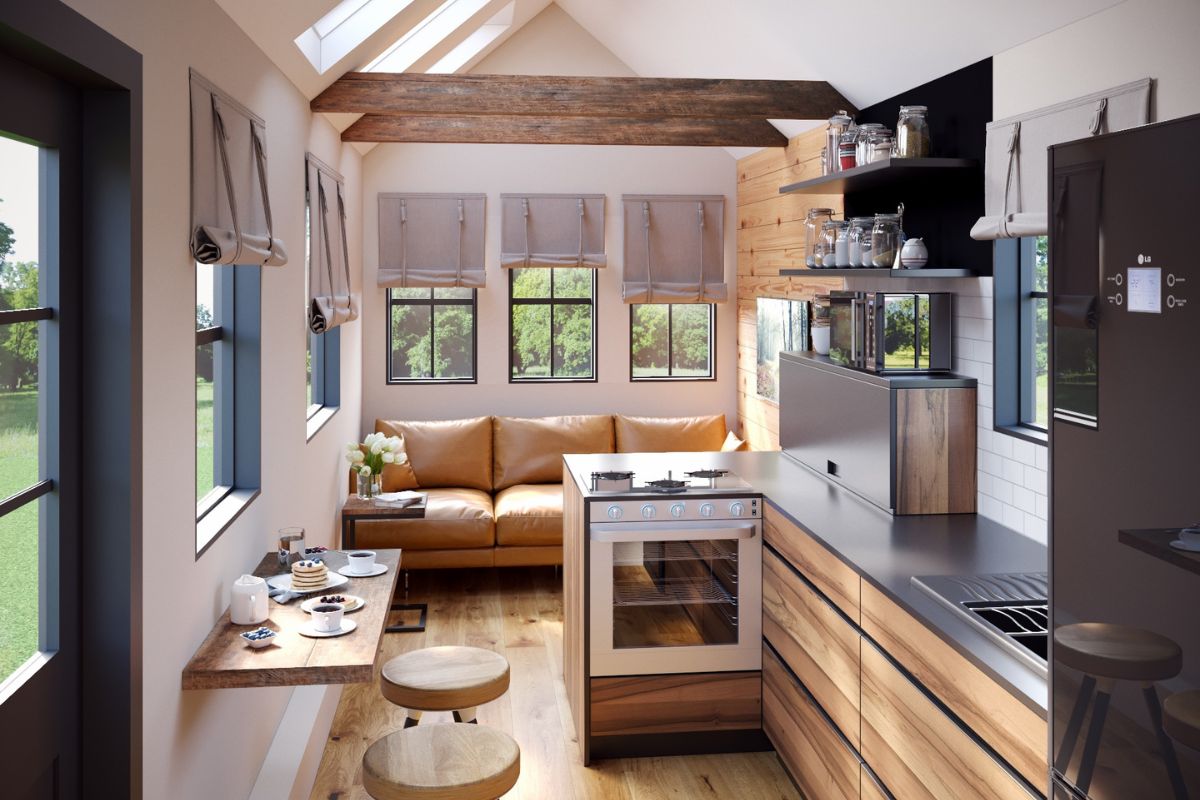
Building a tiny home is about freedom. It is about waking up and knowing you chose less space but more life. But here is the honest part. If you are not careful, the costs sneak up on you. Materials here, labor there, electrical work, storage, fittings… it adds up fast.
And suddenly your “simple” tiny home is not so tiny in price.
The good news? You do not need a huge budget. You need smart decisions. These tiny home fit-out ideas that will save you money are about thinking ahead, choosing wisely, and sometimes doing less instead of more.
Let’s get creative.
1. Plan Every Square Meter Before You Build
Before you buy anything, sit down. Seriously. Sit with a coffee and think.
How do you actually live?
Do you cook big meals?
Do you work from home?
Do you need space to stretch or just space to sleep?
In a tiny home, every corner matters. One wrong cabinet placement and suddenly you cannot open your fridge properly. One bad layout choice and your bed blocks the window.
Planning costs nothing. Fixing mistakes costs a lot.
So measure twice. Draw it out. Walk through it in your head. Imagine opening drawers, walking at night, making coffee in the morning. The more real you make it in your mind, the less money you waste in reality.
2. Use Architectural Wall Films Instead of Heavy Materials
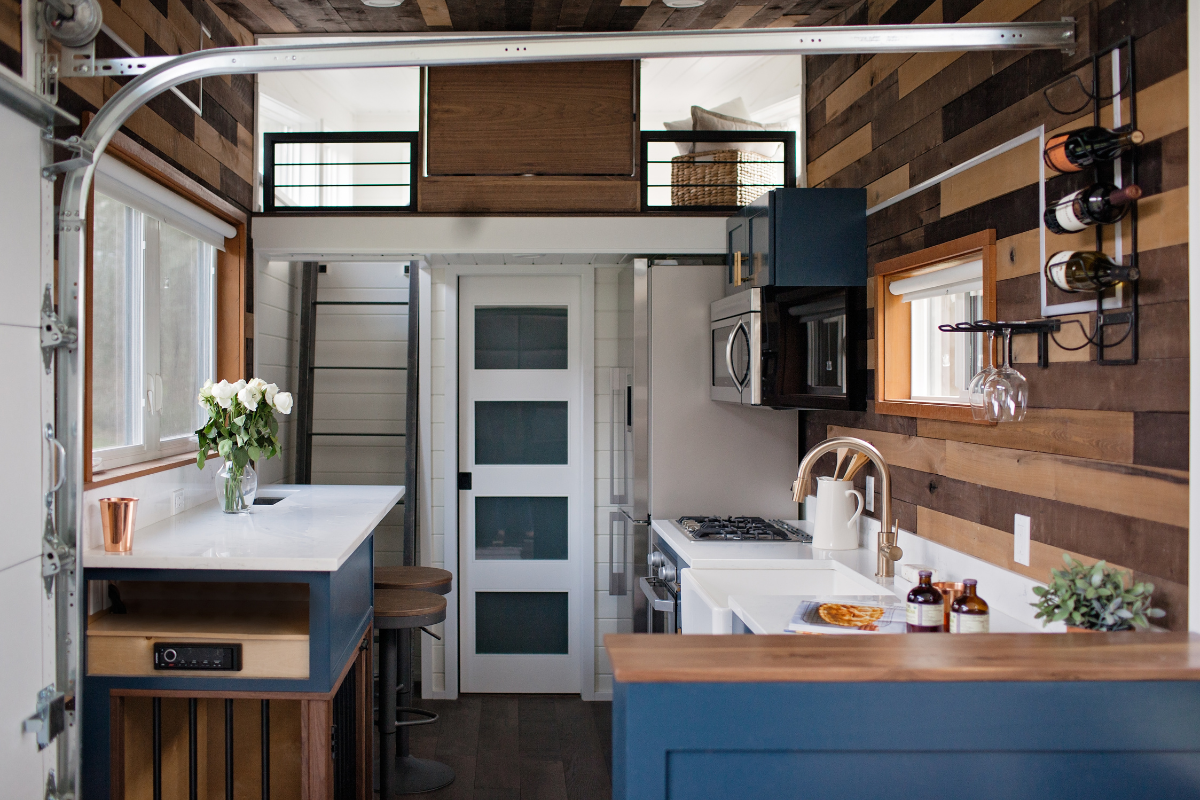
You want that warm wood wall. That concrete finish. That industrial vibe. But real timber and real concrete? Expensive. Heavy. Sometimes overkill.
Here is where you get smart.
Companies like 3M and Avery Dennison make surface films that look like wood, marble, brushed steel and honestly, most people cannot tell the difference.
And here is why this is genius for tiny homes:
- They are lighter (important if your home moves).
- They cost less than solid materials.
- They install faster, so less labor.
- You can change them later without ripping out walls.
Tiny homes are about smart illusion. You do not need real oak beams. You need the feeling of warmth. Big difference.
3. Finding a Quality Commercial Electrician
Now this one — please do not try to “save” money here.
Tiny homes may be small, but they often run:
- Solar panels
- Batteries
- Compact breaker panels
- Efficient appliances
That setup needs proper wiring. No shortcuts.
Find someone who knows small builds and understands systems from brands like Schneider Electric.
Check their license. Check their insurance. Ask questions.
Bad electrical work does not just cost money later — it can cost safety. And fixing hidden wiring inside tiny walls? Painful. Expensive.
This is one area where spending a little more actually saves a lot.
4. Install Energy-Efficient Lighting
.jpg)
Tiny homes need good lighting. But not stadium lighting.
LED lights are your best friend. They use less power, last longer, and produce less heat — which matters when your whole house is basically one room.
Brands like Philips Lighting make slim LED options perfect for low ceilings.
Think layers, not one big ceiling light.
- Under-cabinet lighting in the kitchen
- Warm bedside lights
- Dimmers for evening
Soft lighting makes the space feel bigger. And lower energy bills make your wallet happier.
5. Choose Modular and Multi-Use Furniture
In a tiny home, furniture cannot be lazy.
If it only does one job, ask yourself why.
Look at modular options from places like IKEA and think creative:
- A bed that folds into the wall
- Stairs that hide storage
- A bench that stores blankets
- A table that expands when friends visit
Every time one piece replaces two, you save money and space.
And honestly? A clean, open tiny home feels bigger. Clutter is expensive — not just in dollars, but in comfort.
6. Invest in Proper Insulation
Nobody gets excited about insulation. It is not pretty. It does not show in photos.
But it matters.
Good insulation keeps you warm in winter and cool in summer. That means lower energy bills. That means less strain on your heating or cooling systems.
Spend smart here. Not necessarily luxury-level, but quality. Combine it with proper ventilation so moisture does not build up.
Because mold repair? Definitely not budget-friendly.
Common Mistakes That Increase Tiny Home Fit-Out Costs
Avoid these common errors:
Using heavy materials
They increase structural requirements and cost more to install.
Skipping professional electrical work
Unsafe wiring can lead to expensive repairs.
Overfilling the space
Too much furniture makes the home feel smaller and less functional.
Ignoring ventilation
Poor airflow leads to moisture damage.
Buying low-quality fixtures
Cheap products wear out quickly and require replacement.
Simple, durable design choices keep costs under control.
Long-Term Maintenance Saves Money
A smart tiny home fit-out focuses on durability and upkeep.
Schedule regular checks for:
- Electrical systems
- Lighting fixtures
- Wall surfaces
- Insulation performance
Small maintenance tasks prevent major repair bills.
Final Thoughts
Tiny living is about efficiency. Every material, fixture, and design decision matters.
These tiny home fit-out ideas that will save you money help you create a comfortable, stylish space without overspending. Focus on lightweight finishes, energy efficiency, modular furniture, and professional electrical installation.
When you plan carefully and invest wisely, your tiny home can deliver long-term comfort with lower costs.


.svg)
.jpg)