Sliding vs French Patio Doors, Which Fits Your Space

Choosing the right patio door does more than connect your home to the outdoors—it shapes how natural light flows through your space, influences your interior design, and affects your daily living experience. Two options dominate the market: sliding patio doors and French patio doors. Each brings distinct advantages to the table, from space-saving functionality to timeless elegance. This guide walks you through the key differences in space requirements, natural light, aesthetics, energy efficiency, and cost to help you determine which door style best fits your home and lifestyle.
What Are Sliding Patio Doors?
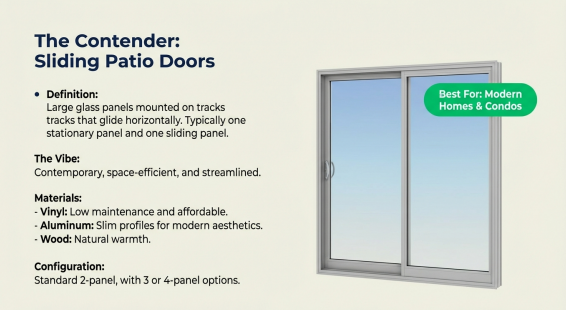
Patio sliding doors feature large glass panels mounted on tracks that glide horizontally to open and close. One panel typically remains stationary while the other slides past it, creating a smooth, space-efficient operation. These doors commonly come in 2-panel configurations, though 3-panel and 4-panel options exist for wider openings.
Materials range from vinyl frames that offer low maintenance and affordability, to aluminum frames prized for their slim profiles and durability, to wood frames that provide natural warmth. Sliding patio doors appear most frequently in contemporary homes, condominiums, and properties where interior or exterior space is limited. Their straightforward mechanics and clean lines make them a practical choice for modern living.
What Are French Patio Doors?
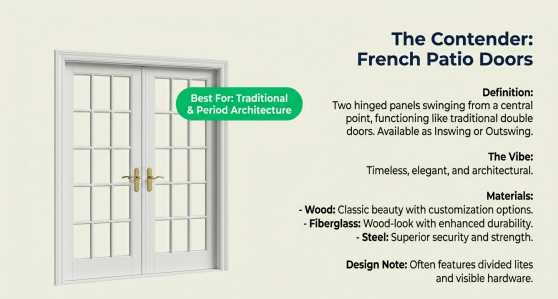
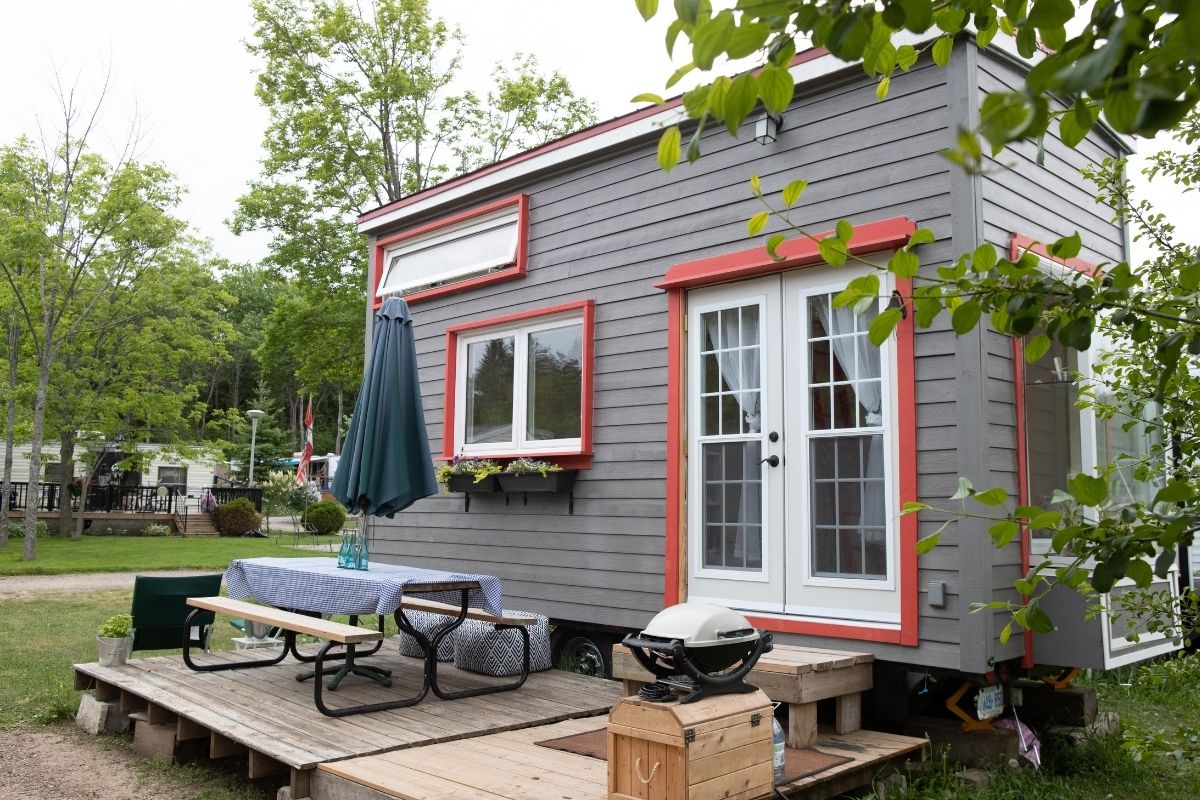
French patio doors consist of two hinged door panels that swing open from a central point, much like traditional double doors. These doors can be configured to swing inward (inswing) or outward (outswing), and you'll find both double-door and single-door-with-sidelight variations. The most common materials include wood, which offers classic beauty and customization; fiberglass, which mimics wood's appearance with enhanced durability; and steel, valued for security and strength.
While French doors originated centuries ago as interior room dividers, modern versions adapted for exterior use maintain their traditional appeal while incorporating contemporary energy-efficient glazing and weather-resistant finishes. They've evolved to complement both period architecture and transitional home styles.
Space Requirements
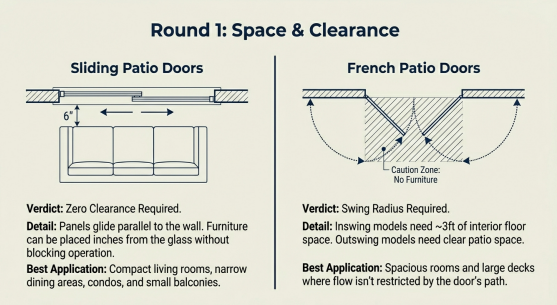
This is where the two door types diverge most significantly. Sliding patio doors require virtually no clearance beyond the door frame itself. Since the panels glide parallel to the wall, you don't need to account for any swing radius. Furniture can sit mere inches from the doorway without interfering with operation, making these doors ideal for compact living rooms, narrow dining areas, or small patios and decks where every square foot matters.
French doors, conversely, demand clearance for their swing path. Inswing models require several feet of unobstructed interior floor space—typically three feet or more depending on door width—which means you'll need to arrange furniture accordingly.
Outswing French doors shift this requirement to your patio or deck area, where the doors need room to open fully without hitting outdoor furniture, grills, or planters. This makes French doors better suited to larger rooms and more spacious outdoor areas. If your space is tight in both directions, French doors may feel impractical, while sliding doors will feel effortless.
Natural Light & Views
Both door styles excel at flooding interiors with natural light, but they achieve this differently. Sliding patio doors typically offer larger unobstructed glass panels, creating expansive sightlines and an almost seamless visual connection to the outdoors. The absence of a vertical center frame means nothing interrupts your view—particularly appealing if you're looking out at a garden, pool, or scenic landscape.
French doors feature a center stile where the two panels meet, which creates a vertical division in your view. However, this design often allows for a higher glass-to-frame ratio overall, and many homeowners appreciate the symmetry and architectural definition the center stile provides. Both styles can incorporate decorative grilles or muntins—the bars that divide glass panes—which affect both aesthetics and light diffusion. Ultimately, both options deliver abundant natural light; your choice comes down to whether you prefer an unbroken vista or a more traditionally framed outlook.
.jpg)
Aesthetics & Style
Your door choice makes a strong design statement. Sliding patio doors project a contemporary, minimalist appeal. Their clean horizontal lines, expansive glass, and slim frames suit modern and mid-century modern homes beautifully. With less architectural detail and ornamentation, they let the view take center stage and maintain a streamlined, uncluttered appearance. This simplicity complements open-concept floor plans and contemporary interior design schemes.
French doors bring classic, elegant appeal rooted in centuries of architectural tradition. Their symmetrical design, visible hardware, and divided-light options create visual interest and formality. They naturally complement Colonial, Victorian, Craftsman, and French Country homes, but they've also found their place in transitional designs that blend traditional and contemporary elements.
French doors can significantly enhance curb appeal and perceived home value, particularly in neighborhoods where traditional architecture prevails. Sliding doors, while less ornate, appeal to buyers seeking modern convenience and low-maintenance living. Your choice should harmonize with your home's existing architectural language.
Ventilation & Access
When it comes to airflow and access, French doors have a clear advantage. When both panels swing open, French doors provide 100% of the doorway opening—perfect for moving large furniture, carrying party platters to the deck, or simply maximizing cross-ventilation on pleasant days. This full-width access creates an genuine indoor-outdoor connection that's particularly valuable when entertaining.
Sliding patio doors typically offer only 50% opening capacity, since one panel must remain stationary while the other slides past. While this provides adequate ventilation for most situations, it does create a narrower passage point. Moving oversized items through the opening can be more challenging, and the airflow, while substantial, doesn't match the wide-open feeling of fully opened French doors. For homeowners who prioritize maximum ventilation and seamless indoor-outdoor entertaining, French doors deliver a more open experience.
.jpg)
Energy Efficiency
Both door types can achieve excellent energy efficiency with proper glazing, but their construction creates different performance characteristics. Sliding patio doors have fewer sealing points, which can lead to air leakage over time as tracks accumulate debris or rollers wear down. The horizontal sliding mechanism makes achieving a perfectly airtight seal more challenging, though high-quality models with compression seals perform well.
French doors feature weather stripping around the entire perimeter of each panel, creating multiple seal points that typically produce a tighter closure when locked. The compression created when you close and latch French doors often results in superior air sealing.
However, this advantage depends heavily on proper installation and maintenance. Both door types benefit from double or triple-pane glass, low-E coatings, and quality frame materials. Ultimately, the energy efficiency of either option comes down to the specific product quality and professional installation rather than door type alone.
Maintenance & Durability
Sliding patio doors require specific maintenance attention. Tracks need regular cleaning to prevent dirt buildup that impedes smooth operation. Rollers may need adjustment or replacement every 10-15 years depending on use. Screens, which typically slide on their own track, can be more prone to damage and derailment. However, the simplicity of the sliding mechanism means fewer moving parts overall.
French doors demand different maintenance. Hinges may need periodic adjustment to prevent sagging, and weather stripping requires inspection and replacement as it compresses and wears. Because French doors have more hardware components—handles, locks, hinges on both panels—there are more potential points requiring attention.
Both door types typically last 20-30 years with proper care, though this varies significantly based on material quality and exposure to weather. Common issues with sliding doors involve track obstructions and seal degradation, while French doors more often experience hinge wear and weather stripping failure.
Cost Comparison
Budget plays a significant role in your decision. Generally, sliding patio doors start at lower price points, with basic vinyl models beginning around $500-$1,000 for the door itself. Mid-range options typically run $1,200-$2,500, while premium wood or aluminum models can exceed $4,000. French doors tend to start higher, with entry-level options around $1,000-$1,500 and quality wood or fiberglass models ranging from $2,500-$5,000 or more.
Several factors influence cost for both types: physical size, frame materials, glass options (standard, low-E, impact-resistant), hardware quality, and decorative elements. Installation complexity also varies—sliding doors are often simpler to install, potentially reducing labor costs, while French doors require precise hanging and alignment.
Consider long-term value as well: French doors may add more to resale value in traditional neighborhoods, while sliding doors' low maintenance can reduce lifetime ownership costs. Your budget should account for both upfront investment and ongoing maintenance when making your decision.
Which Door Is Right for You?
The best choice depends on your specific situation. Consider your available space first. If you're working with a compact living room, a narrow dining area, or a small balcony, sliding patio doors offer functionality without sacrificing precious square footage. They're particularly smart for condominiums and urban homes where space commands a premium.
Your home's architectural style should guide you too. Contemporary, modern, or minimalist homes naturally pair with sliding doors, while Colonial, Craftsman, Victorian, or French Country homes call for the traditional elegance of French doors. Budget constraints matter—if you're working with limited funds, sliding doors typically offer a lower entry point.
Ventilation needs also play a role: if you frequently entertain outdoors or want maximum airflow, French doors' full-width opening delivers unmatched access. Finally, consider your personal aesthetic preferences. Some homeowners love the unobstructed views of sliding glass, while others prefer the symmetry and architectural presence of French doors. There's no wrong answer—only the right fit for your home and lifestyle.
Conclusion
Neither sliding nor French patio doors claim universal superiority—each excels in different contexts. Sliding doors triumph in space-constrained environments with their compact operation and contemporary aesthetics, while French doors offer timeless elegance, superior ventilation, and a stronger architectural statement.
Your ideal choice emerges from carefully assessing your space limitations, architectural style, budget, and how you live in your home. Take time to measure your available clearance, consider your daily routines, and envision how each door type would function in your specific setting.
Consulting with a professional installer can provide precise measurements and help you navigate the many material and configuration options available, ensuring your patio door decision enhances your home for years to come.


.svg)
.jpg)