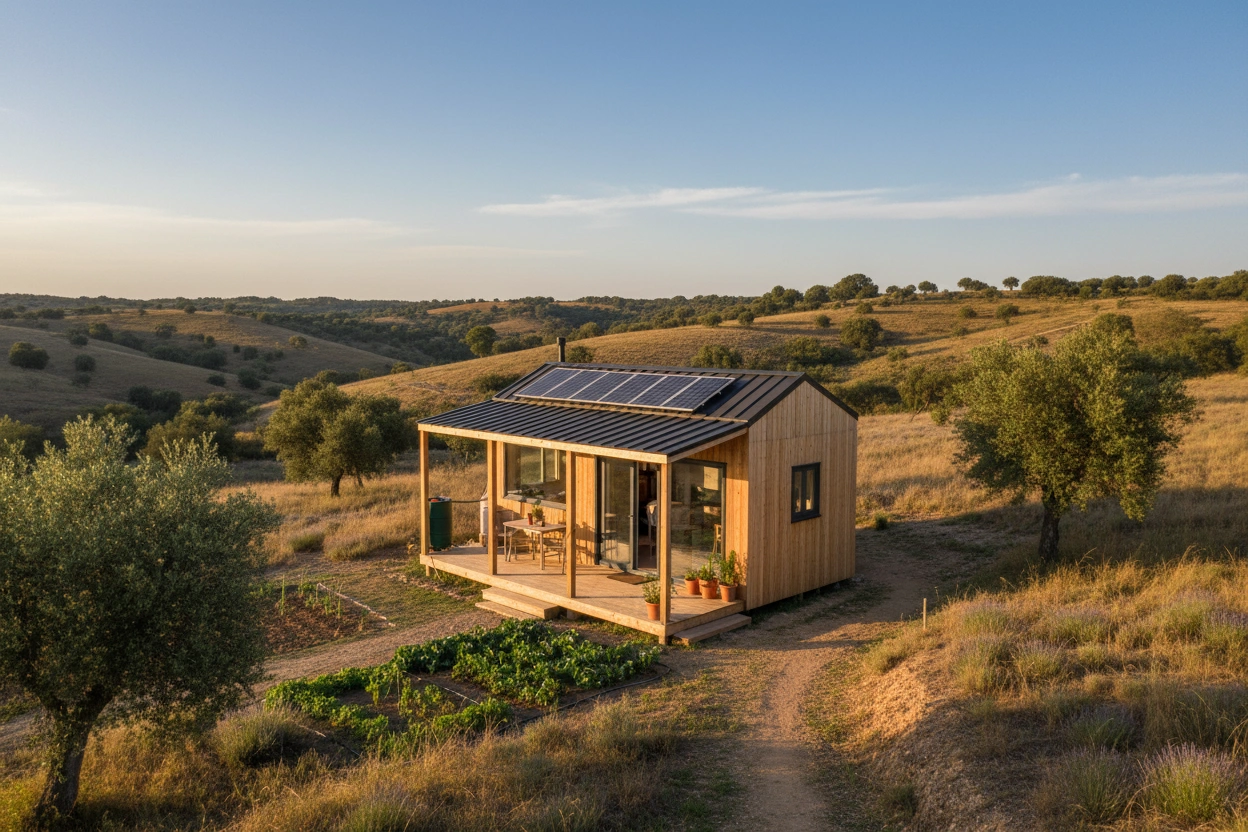
Essential Features for an Efficient Tiny House Design

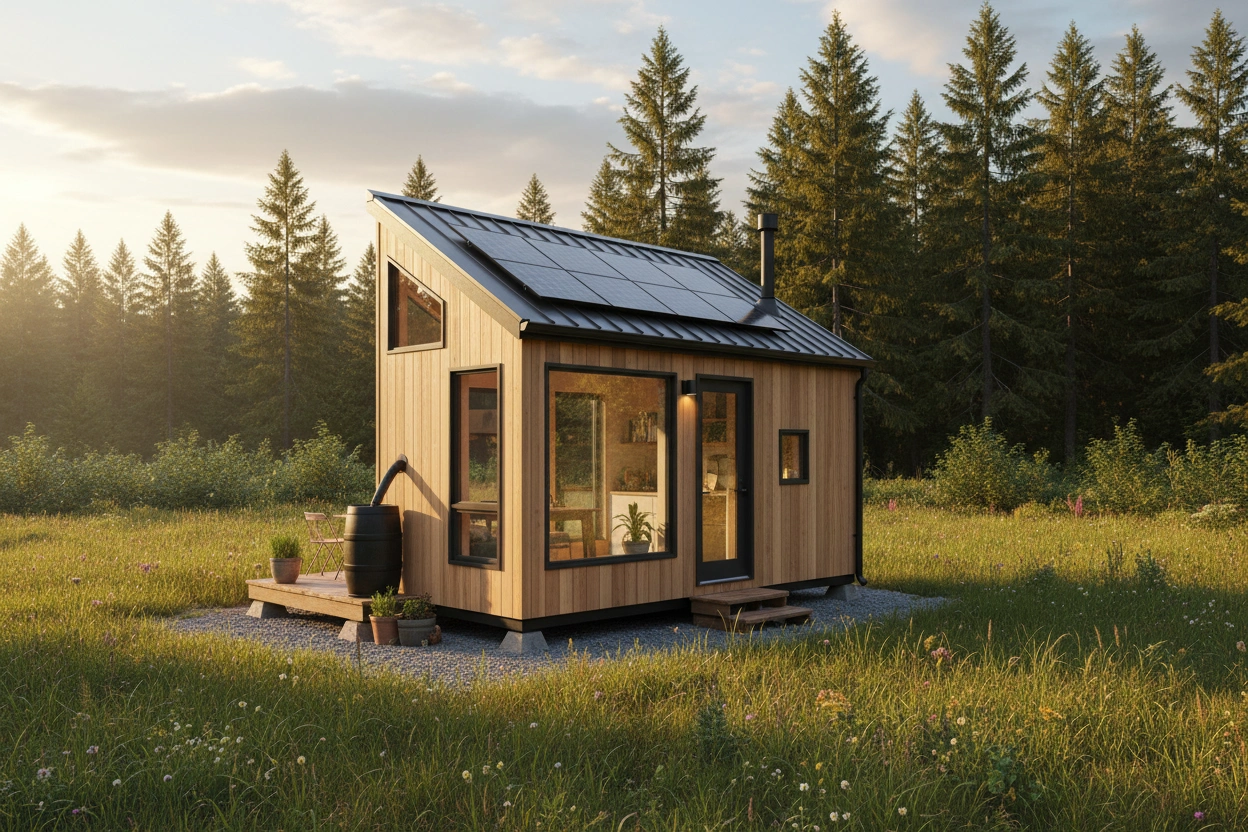
The concept of tiny house design has gained significant traction in recent years, appealing to those who prioritize minimalist living, sustainability, and affordability. In 2026, the tiny house movement continues to resonate with many, as people seek to simplify their lives and reduce their environmental footprint. As more individuals and families consider this lifestyle, understanding the essential features of an efficient tiny house becomes paramount. This article will outline these features and provide inspiration through top tiny house plans that can serve as a springboard for your next project.
Key Features of Efficient Tiny House Design
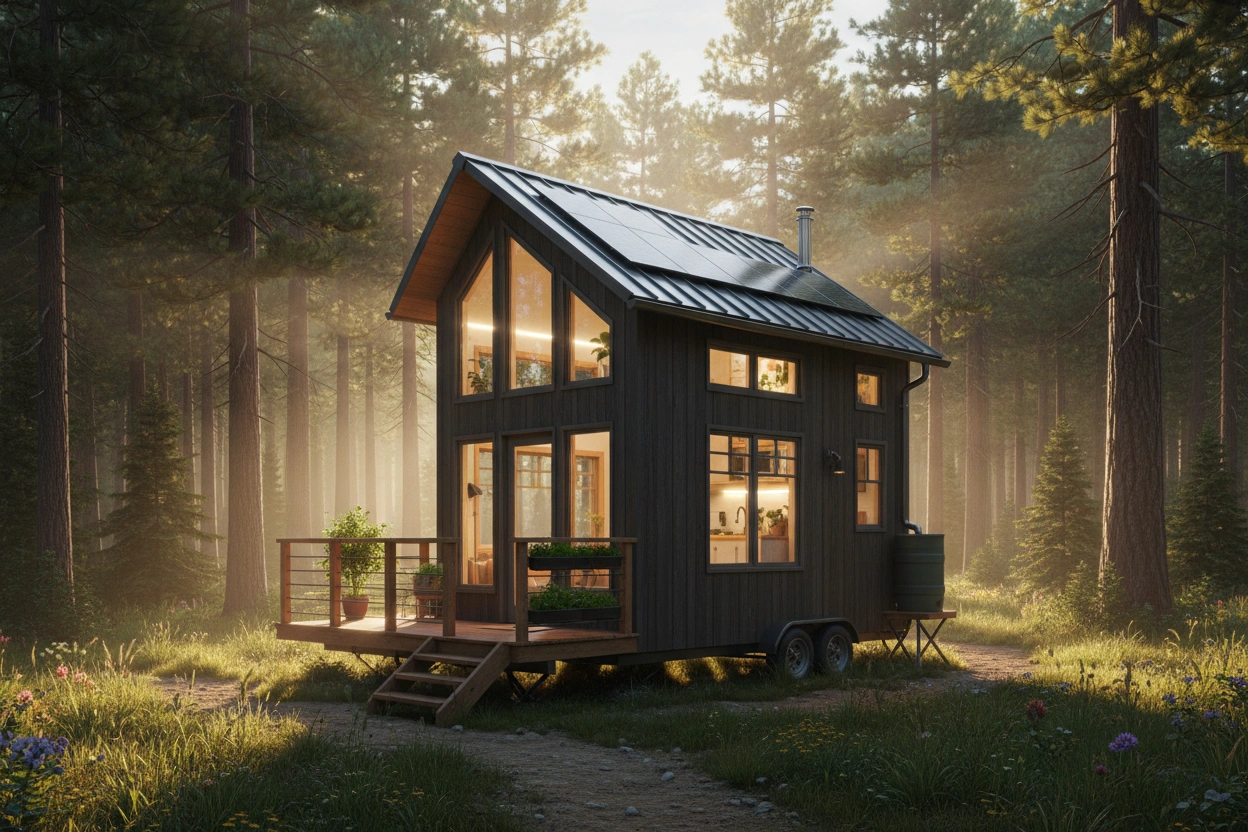
When it comes to tiny house design, the objective is to maximize space while maintaining functionality and comfort. Below are the core features that contribute to an efficient and practical tiny house.
1. Multi-functional Spaces
In a tiny house, every square foot matters. Designing multi-functional spaces can significantly enhance usability. For example, a living room that converts into a sleeping area or a dining table that folds away when not in use can make a small space feel more versatile.
- Consider using built-in furniture that serves multiple purposes, such as a bench with storage underneath or a Murphy bed that folds up when not in use.
- Open floor plans can create a sense of spaciousness, helping to prevent the space from feeling cramped.
2. Ample Storage Solutions
Effective storage solutions are crucial in tiny house design. Without sufficient storage, clutter can quickly accumulate, undermining the minimalist aesthetic.
- Utilize vertical space by installing shelves and cabinets that extend up to the ceiling.
- Under-bed storage and built-in drawers in stairs can also help keep belongings organized without consuming additional floor space.
3. Efficient Use of Natural Light
Natural light can dramatically enhance the feeling of space within a tiny home. Incorporating windows and skylights allows for better illumination and can create a more inviting atmosphere.
- Large windows can not only provide light but also connect the interior with the outdoors, making the space feel larger.
- Consider strategically placing mirrors to reflect light and create an illusion of depth.
4. Sustainable Materials and Energy Efficiency
Sustainability is often a core principle of tiny house design. Using eco-friendly materials and energy-efficient systems can minimize environmental impact and reduce living costs. Sustainable materials and energy efficiency are crucial in tiny house design.
- Opt for reclaimed wood or bamboo flooring, which are both sustainable and stylish options.
- Incorporating energy-efficient appliances and solar panels can reduce utility bills and reliance on traditional energy sources.
5. Outdoor Living Spaces
A tiny house often benefits from well-designed outdoor areas that extend the living space beyond the walls of the home.
- Decks, porches, or patios can serve as additional relaxation areas, perfect for enjoying nature or entertaining guests.
- Using outdoor furniture that is easy to store can help maintain the minimalist ethos while providing functionality.
Top 10 Tiny House Plans to Inspire Your Next Project
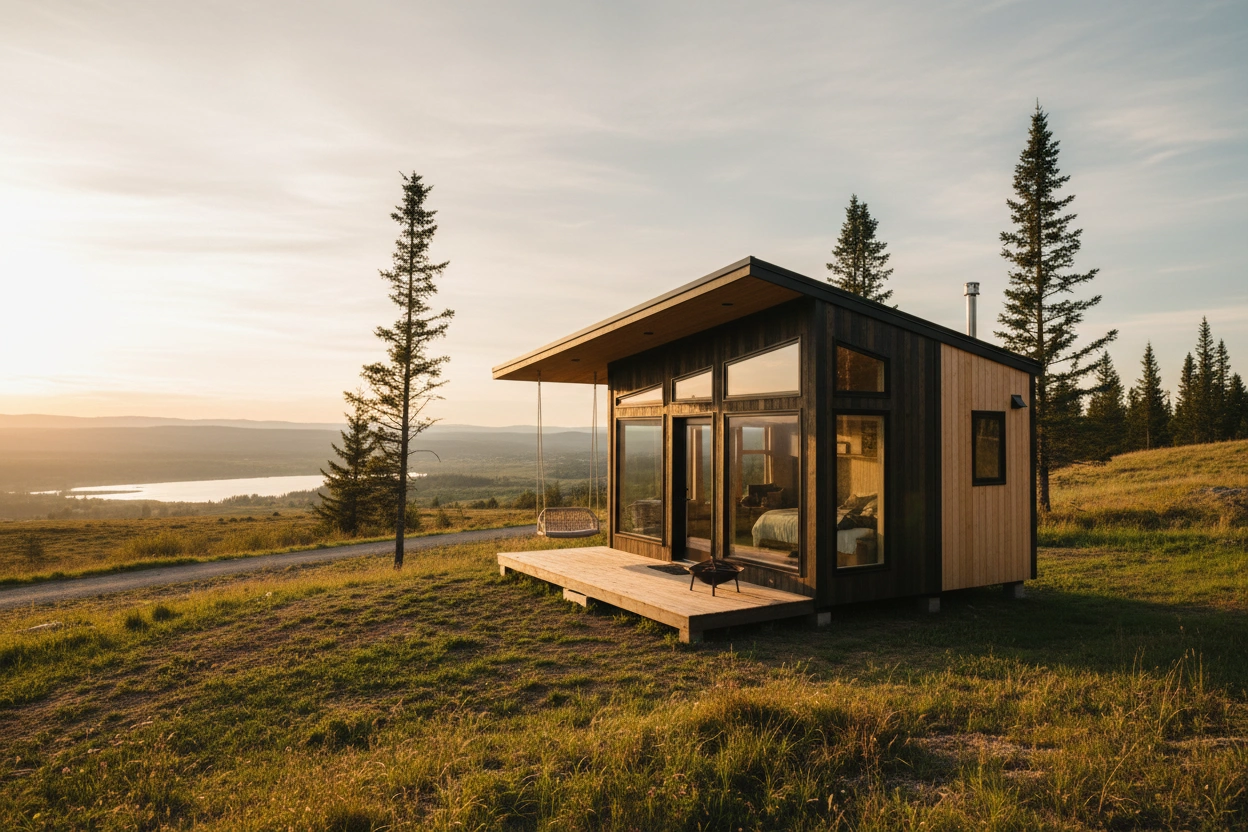
If you're ready to embark on your tiny house design journey, consider these ten inspiring plans that exemplify the principles of efficient tiny living. Each plan showcases unique features that maximize space and functionality.
1. The Tumbleweed Tiny House
This plan is known for its compact yet functional layout. It features a lofted bedroom, a full kitchen, and clever storage solutions that make the most of the limited space.
2. The Tiny Heirloom's Park Model
With a focus on luxury within a tiny footprint, this design incorporates high-end finishes and spacious living areas. Its outdoor deck seamlessly extends the living space.
3. The Escape Traveler
This tiny house plan emphasizes mobility, featuring a lightweight design that is easy to tow. The open floor plan and large windows create a bright, airy atmosphere.
4. The Minim House
Designed for minimalist living, the Minim House features a simple layout with essential amenities. Its innovative storage solutions make it a practical choice for small living.
5. The Tiny Mountain House
This design is perfect for those who love the outdoors. It incorporates large windows and a spacious deck to blend indoor and outdoor living harmoniously.
6. The Eco Tiny House
Sustainability is at the forefront of this design. Built with eco-friendly materials and equipped with solar panels, this tiny house is both stylish and environmentally conscious. Eco-friendly materials and energy-efficient systems can minimize environmental impact and reduce living costs.
7. The Modern Tiny House
This plan features sleek lines and contemporary finishes. Its open concept allows for flexibility in furniture arrangement, making it ideal for social gatherings.
8. The Rustic Tiny Cabin
For those who appreciate a more traditional aesthetic, this tiny cabin features wood finishes and cozy touches, creating a warm and inviting atmosphere.
9. The Container House
Repurposed shipping containers serve as the foundation for this innovative design. The unique structure offers a modern twist on tiny living, with ample space for customization.
10. The Tiny Cottage
This charming design includes a small porch and a lofted bedroom, making it perfect for weekend getaways or as a primary residence for those seeking simplicity.
Common Mistakes to Avoid in Tiny House Design
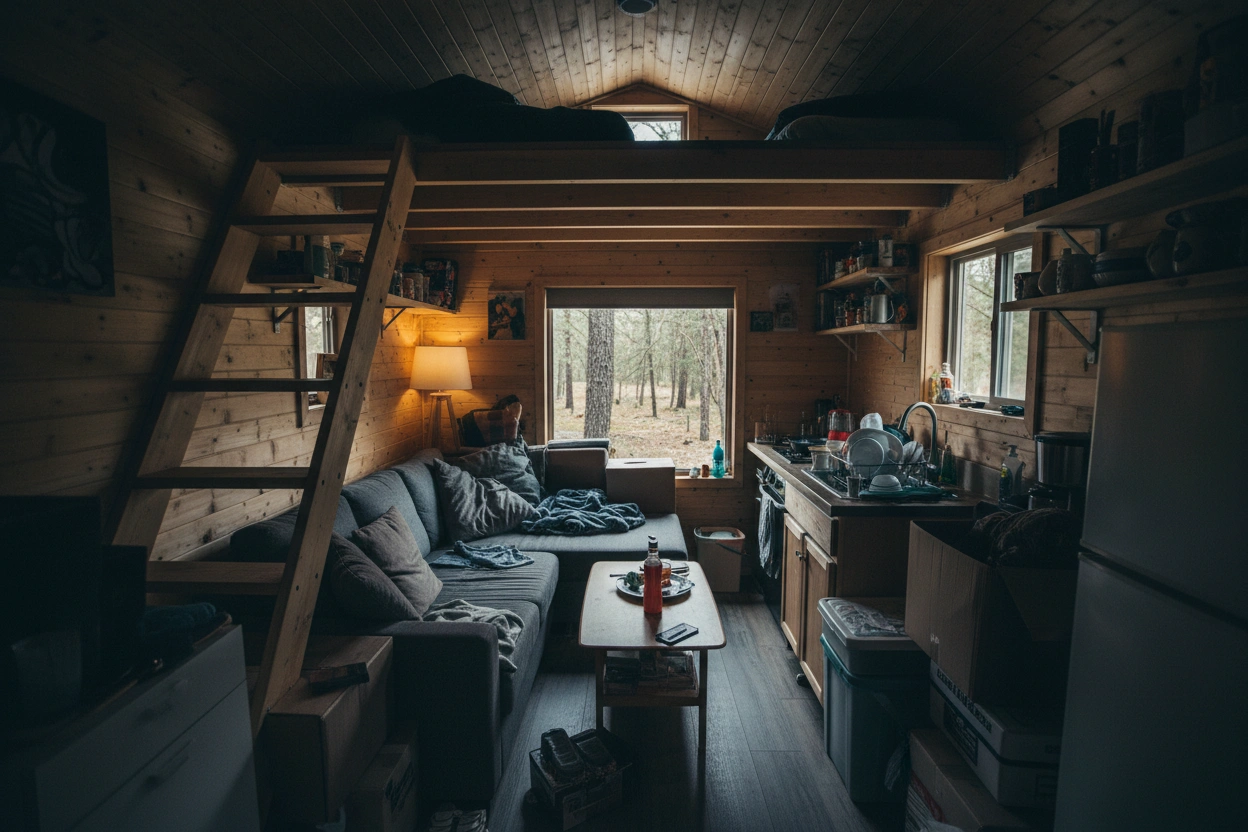
While the allure of tiny house living is strong, there are pitfalls to avoid when designing your space. Understanding these common mistakes can help ensure a smoother building process.
1. Underestimating Space Needs
Many new tiny house builders underestimate the space they will actually need. It's essential to consider not just current needs but future ones as well.
- Take time to assess your lifestyle and how it may change over time.
- Creating a detailed list of must-have items can help clarify the space requirements.
2. Skipping the Planning Phase
Jumping straight into construction without a solid plan can lead to costly mistakes. A well-thought-out design process is essential for success.
- Invest time in drafting floor plans and considering the layout before starting construction.
- Use design software or consult professionals for assistance in visualizing your space.
3. Neglecting Local Regulations
Tiny houses are subject to local building codes and zoning laws, which can vary significantly from one area to another. Ignoring these regulations can result in fines or the inability to occupy the house.
- Research local building codes and zoning regulations thoroughly before beginning construction.
- Consider consulting with local officials or professionals who understand the legal landscape.
Maximizing Functionality in Tiny House Design
To ensure that your tiny house design is as efficient as possible, focus on maximizing functionality throughout the space. Here are some strategies to consider:
1. Prioritize Essential Amenities
Determine which amenities are absolutely necessary for your lifestyle. This may include a full kitchen, a bathroom, or a workspace. By prioritizing these elements, you can design a layout that accommodates your needs without excess.
2. Utilize Modular Furniture
Modular furniture can be a game changer in tiny house design. This type of furniture can be rearranged or reconfigured to suit different needs, allowing for flexibility in how the space is used.
3. Create Zones
Designating specific zones within your tiny house can help maintain organization and functionality. For instance, create a dedicated work area, a relaxation nook, and a dining space to keep activities separate and manageable.
The Role of Technology in Tiny House Design
Incorporating technology into tiny house design can enhance efficiency and comfort. Here are a few ways technology can play a role:
1. Smart Home Devices
Smart home technology can help manage energy usage and streamline daily tasks. For example, smart thermostats can optimize heating and cooling, while smart lighting can create ambiance and save energy.
2. Home Automation Systems
Home automation systems can integrate various functions, such as security, lighting, and climate control, into one manageable interface. This can be particularly beneficial in a small space where every system needs to work in harmony.
3. Compact Appliances
Investing in compact, energy-efficient appliances can save space and reduce energy costs. Look for models specifically designed for tiny homes, as these often provide the functionality you need without taking up excessive room.
The Future of Tiny House Design
As the tiny house movement continues to grow, trends in design are evolving. Here are some anticipated developments in tiny house design for the coming years:
1. Increased Customization Options
As more manufacturers enter the tiny house market, customization options will likely expand. Homeowners will have greater flexibility in choosing materials, layouts, and finishes that suit their personal style.
2. Eco-friendly Innovations
Sustainability will remain a key focus, with innovations in green building materials and energy-efficient systems becoming more prevalent. Expect to see more tiny homes equipped with advanced solar technology and sustainable materials.
3. Community Living
Tiny house communities are gaining popularity, offering shared resources and a sense of community among residents. This trend may foster new designs that accommodate communal living while maintaining individual privacy.
Designing Your Tiny House with TinyHouse.com
When embarking on your tiny house design journey, TinyHouse.com can provide valuable resources and insights. The platform offers a wealth of information on building, buying, and living in tiny homes, helping you navigate your path to minimalist living.
Embracing Efficient Tiny House Design
Understanding the essential features of efficient tiny house design can significantly enhance your living experience. By focusing on multi-functional spaces, sustainable materials, and clever design strategies, you can create a space that is not only practical but also aligns with your lifestyle.
For more information and inspiration on tiny house design, visit TinyHouse.com. The website offers a plethora of resources to guide you through the process of creating your ideal tiny home. Whether you are looking for plans, advice, or community support, TinyHouse.com is your go-to destination for all things tiny living.
Take the first step toward your tiny house dream today by visiting TinyHouse.com.


.svg)

.jpg)