
Going Green at Home: Eco-Friendly Water Solutions That Work

.jpg)
Every day, countless gallons of water are wasted in homes across Canada. From leaky faucets to inefficient water systems, it's easy to overlook the impact on the environment.
Yet, water is one of our most precious resources and the way we use it at home can contribute significantly to reducing waste and energy consumption. Going green starts with your water habits, and one of the first steps is water filtration installation.
In this post, we’ll explore simple eco-friendly water solutions you can implement at home. You’ll learn about everything from fixing leaks and choosing low-flow fixtures to the power of reverse osmosis in reducing waste.
By making informed choices today, you can significantly improve your water usage, save on energy costs, and contribute to a greener future.
7 Simple Ways to Make Your Home Water-Smart
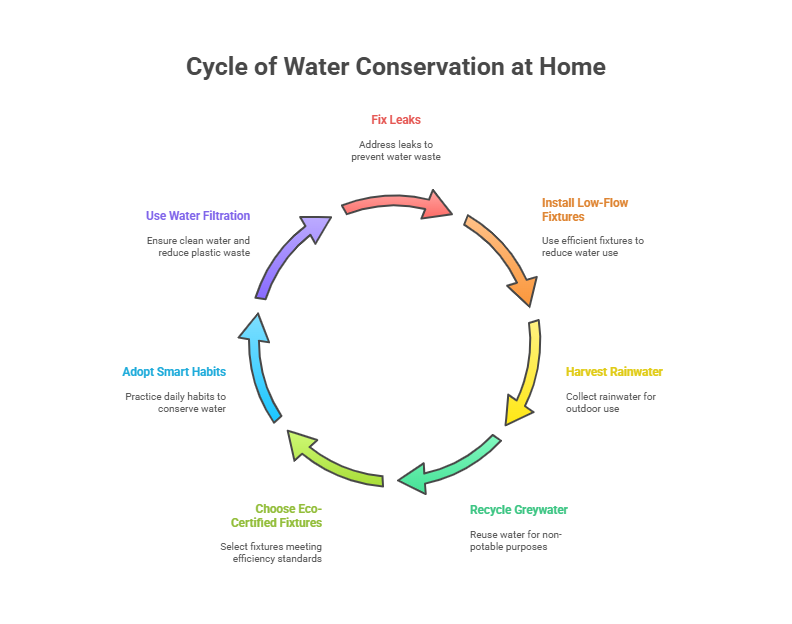
Making small changes to your water usage can have a big impact on both the environment and your utility bills. Here are seven simple ways to become more water-smart at home.
Fix Leaks Before They Drain Your Wallet
Even the smallest leak can waste a surprising amount of water. Sometimes up to 10,000 gallons annually! Leaky faucets, toilets, and pipes might seem insignificant, but over time, they drain both your wallet and the environment.
The eco impact is real and fixing these leaks not only conserves water but can also save you a lot of money on your water bill.
By addressing leaks promptly, you can reduce water waste and avoid unnecessary costs. This will be an easy and highly effective step toward sustainability.
Choose Low-Flow Fixtures That Actually Work
Low-flow fixtures, including faucets, showerheads, and toilets, are designed to reduce water usage without compromising performance.
While some early models didn’t work well, modern low-flow fixtures are efficient and effective. They can cut water consumption by 30-50%, and significantly lower both your water bill and environmental impact.
When shopping for these fixtures, look for those that are WaterSense certified. It ensures that they meet high standards for performance and water efficiency.
Rainwater Harvesting at Home
Rainwater harvesting is a fantastic eco-friendly option that many homeowners overlook. By collecting rainwater from your roof, you can use it for outdoor tasks such as watering your garden or cleaning your driveway.
This method reduces the need for fresh tap water by conserving more water for essential household use. Simple rain barrels or more elaborate systems can be installed to catch and store rainwater efficiently.
Greywater Recycling for Gardens
Greywater recycling involves reusing water from sources like sinks, showers, and washing machines for non-potable purposes like irrigation. Using this water for your garden reduces the demand for fresh water, which is especially important during dry spells.
Using eco-friendly filtration methods, you can ensure the water is safe and suitable for plants. This will help your garden thrive while reducing water waste.
Choosing Eco-Certified Plumbing Fixtures
If you're serious about reducing your water footprint, choosing eco-certified plumbing fixtures is a smart move.
Look for WaterSense labels or similar certifications, which ensure the product meets specific standards for water efficiency without sacrificing performance. These fixtures help lower water consumption and contribute to the overall goal of sustainable living.
Smart Habits That Reduce Waste Instantly
In addition to installing water-efficient fixtures, small daily habits can have a huge impact. Turning off the tap while brushing your teeth, taking shorter showers, and ensuring your dishwasher or washing machine is full before running are all easy, effective ways to conserve water.
Encourage your family to adopt these habits as it can lead to noticeable savings in water and energy usage, all while contributing to a healthier planet.
Use an Effective Water Filtration System
Water filtration is an important component of an eco-friendly home. Installing a filtration system can reduce the reliance on bottled water, which contributes to plastic waste.
Additionally, a good filtration system ensures that your water is free from harmful chemicals, chlorine, and heavy metals. It’s an easy step that benefits both your health and the environment.
How Reverse Osmosis Helps Go Green
Reverse osmosis (RO) is an effective water filtration process that goes beyond traditional filters. It uses a semipermeable membrane to remove impurities such as minerals, salts, and harmful contaminants from water.
Unlike basic filters, RO systems offer a high level of purification and ensure that the water you drink is clean and safe.
Cleaner Water, Less Waste
One of the greatest benefits of reverse osmosis systems is the reduction in bottled water consumption. By using RO filtration, you eliminate the need for store-bought water, which means less plastic waste in landfills. This is a major environmental win.
Moreover, RO systems typically waste less water compared to older filtration methods. This feature makes them an efficient and eco-friendly solution.
Is RO Right for Your Home?
Before installing an RO system, it’s important to consider your home’s water quality and needs. If you live in an area with hard water or high levels of contaminants, reverse osmosis is an excellent choice.
It’s ideal for families who want to ensure the safety and purity of their drinking water. Additionally, an RO system can help save money in the long run by reducing the need for bottled water and decreasing water-related health issues.
Easy Steps to Install a Reverse Osmosis System at Home
To install a reverse osmosis system, you will need a few essential tools and equipment, including the RO filter, tubing, and possibly a storage tank.
It’s important to choose the right spot for installation, typically under the sink, where the system can be connected to your water supply and drainage system. Make sure you have access to the appropriate plumbing connections.
Step-by-Step Installation Process
- Connect the RO system to your home’s water supply and drainage system.
- Drill a small hole for the faucet installation.
- Run tubing from the faucet to the filter system.
- Connect the drain line to ensure proper water disposal.
- Consult a professional plumber if you're unfamiliar with the installation process to ensure everything is set up correctly.
- Follow the manufacturer’s instructions closely for optimal results.

Maintaining Your System for Long-Term Savings
Regular maintenance is essential to keep your RO system running efficiently. This includes changing filters every six to twelve months and cleaning the system periodically.
Over time, the membranes may lose their effectiveness, so it’s important to replace them as recommended by the manufacturer.
Regular maintenance will help keep your system functioning optimally, ensuring you continue to enjoy purified water and the long-term savings associated with reducing bottled water use.
Conclusion
Switching to eco-friendly water solutions at home doesn’t have to be difficult. Simple changes like fixing leaks, choosing low-flow fixtures, and installing a reverse osmosis system can have a significant positive impact on both your wallet and the environment.
By making these small, practical changes, you contribute to the greater goal of reducing water waste and creating a more sustainable future.
Now that you are familiar with various eco-friendly water solutions, we hope you will be well on your way to a greener, more water-efficient home.


.svg)



.jpg)