A Homeowner’s Guide to Choosing the Right Deck Material

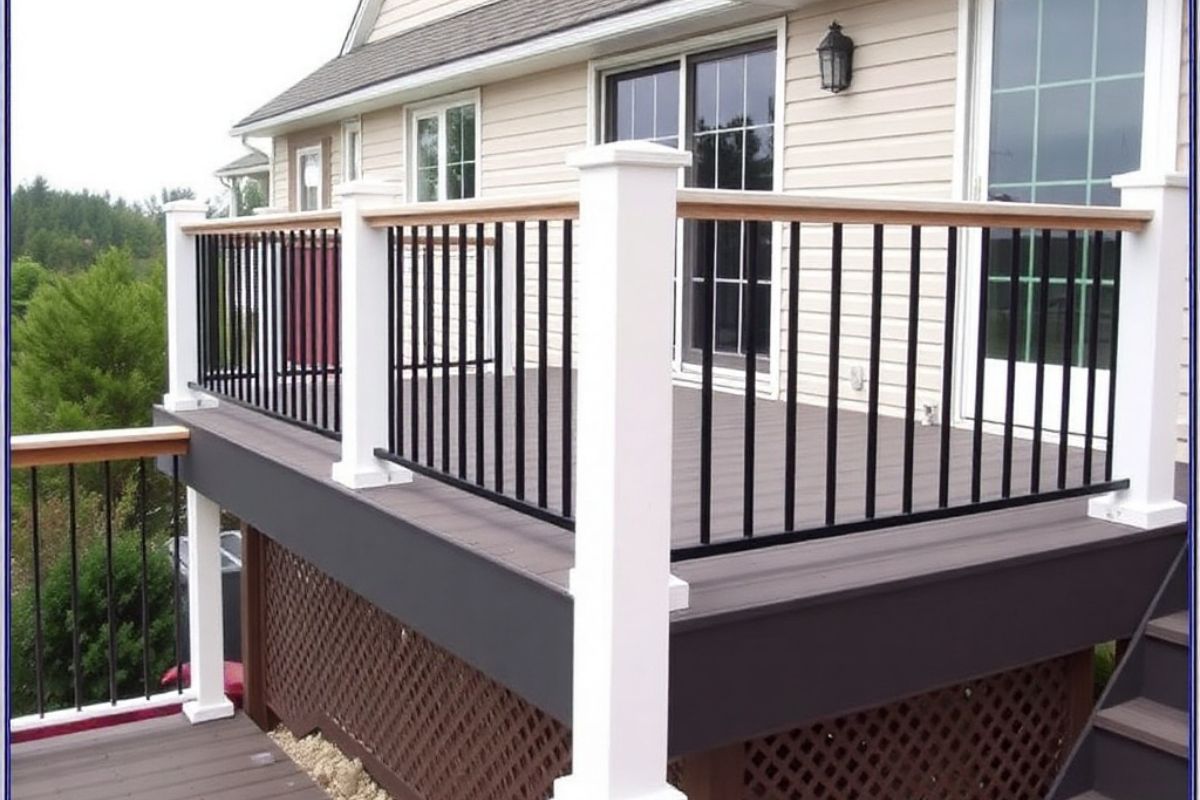
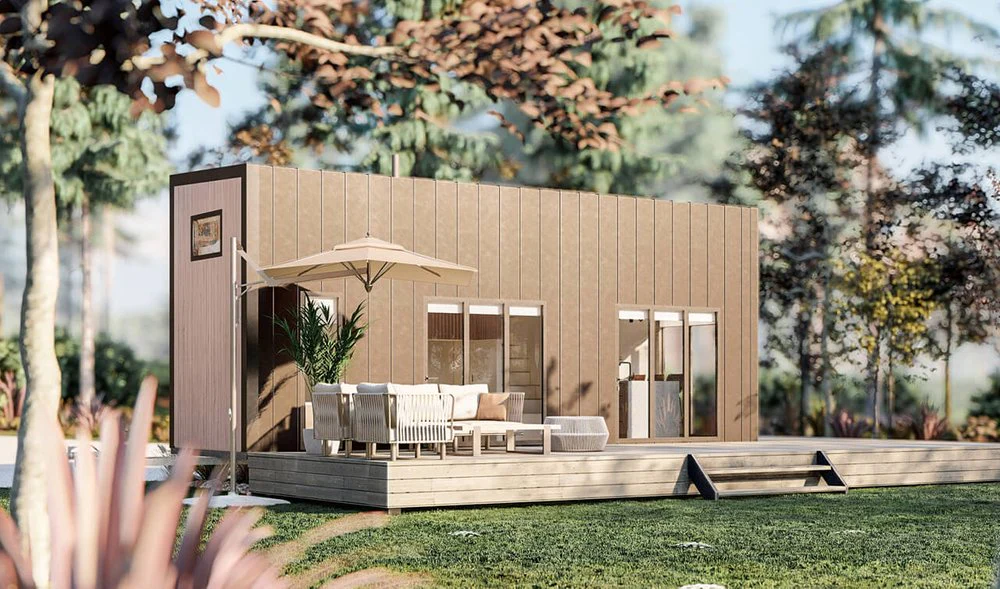
The construction of a deck may increase usable outdoor space, provide a place to relax, and establish a natural link between the house and the yard. The selection of material greatly influences how it will look, be maintained, feel, last, and cost. It will be easier for homeowners to reduce their choices when both practical aspects are given the same consideration.
The best deck materials for constructing a deck depend on the site, climate, preferred maintenance, budget, and intended use of the outdoor space. The different materials available each have unique combinations of aesthetic and functional characteristics. In this article, the basic criteria that can help you make a decision will be presented.
Start With the Way the Deck Will Be Used
Daily use provides a useful starting point because different households place different demands on an outdoor surface. A quiet space for morning coffee may have different priorities from a large area designed for family meals, frequent guests, or outdoor furniture. Foot traffic, pets, children, grills, planters, and movable furniture can all affect the type of surface that makes sense.
Homeowners should also consider how much direct sun, rain, snow, and moisture the area receives during the year. Properties can face temperature shifts and seasonal weather that place added stress on exterior surfaces. A suitable material should support the intended use while remaining practical under local conditions.
Compare Natural Wood Options Carefully
Wood remains popular among property owners seeking natural grain, texture, and an old-school outdoor look. Depending on the kind of wood, there can either be a beautiful texture and great durability, or just a classic look in terms of appearance. Pressure-treated wood will have resistance against moisture, insects, and decay issues.
The following things should be considered when choosing the type of wood:
- Maintenance: Stain, sealing, and regular maintenance may protect wood from moisture and sun.
- Appearance: Natural grain, knots, color, and other variations make each piece unique.
- Cost: Depending on species, grade, width of boards, and other factors, material cost can vary.
- Exposure: Sun, rain, snow, and shade are some things that may affect the surface of the wood in the future.
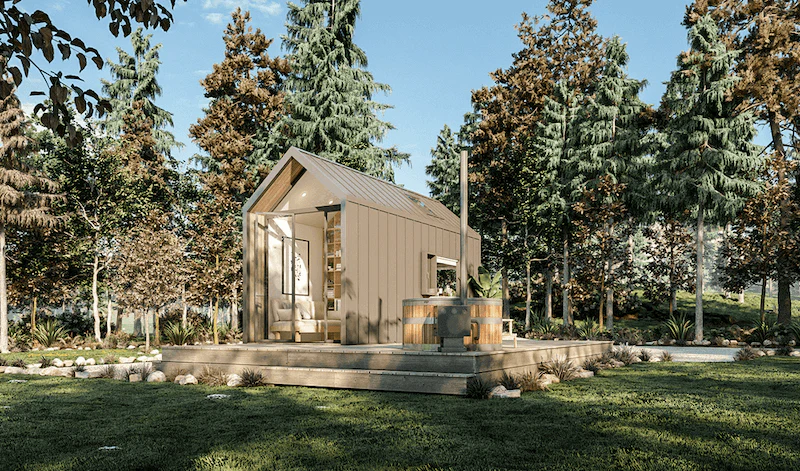
Look at Composite and PVC Options
Composite products can suit homeowners who prefer a manufactured surface with less routine care than traditional lumber. Capped composite includes a protective outer shell that can improve resistance to stains and color loss, while mineral-based composite can offer strong dimensional stability and scratch resistance. Uncapped composite can provide a natural appearance, although its exposed surface may require greater attention to stains and fading.
PVC provides another low-maintenance option for areas where moisture resistance carries particular importance. The material does not rot, and its lightweight construction can suit a range of exterior applications. Available colors, textures, and board profiles also allow the surface to coordinate with siding, trim, rail systems, and other exterior details.
Consider Other Durable Surface Choices
Wood and composite materials are quite popular options, yet there are several other types of materials to use for special purposes. The value of aluminum, engineered boards, and concrete lies in their qualities and ability to be applied in some structures and styles, and to provide certain maintenance.
Aluminum
This material provides great durability, fire safety, lightness, and high stability under severe weather conditions. In addition, it may fit some projects due to its weight and the need for attention to it. The design of aluminum looks good in contemporary styles of exterior design.
Engineered and Concrete Varieties
Engineered boards have consistent sizes and strengths that help avoid certain issues, such as warping. Concrete gives permanent surfaces that require low maintenance and allow for various finishes.
Match Maintenance Needs to Available Time
Every outdoor surface needs some level of care, although the amount varies considerably across material types. Homeowners who enjoy periodic wood care may appreciate the character of natural lumber, while those who prefer fewer surface treatments may favor composite or PVC. The realistic amount of time available for upkeep should influence the decision from the start.
A simple maintenance comparison can clarify priorities:
- Natural wood: May require periodic stain, sealant, cleaning, and surface inspection.
- Composite: Usually needs routine cleaning and basic checks for surface condition.
- PVC: Resists moisture and rot, with cleaning as a primary care task.
- Aluminum: Requires limited routine upkeep and remains stable through varied weather.
.webp)
Set Priorities Before the Final Choice
Price matters, but initial cost should sit alongside maintenance, durability, appearance, moisture exposure, and expected use. Homeowners can create a short priority list before comparing samples, since the best deck materials differ according to the needs of each property. This approach keeps the decision focused on long-term practicality instead of a single feature.
The right deck surface should suit the house, outdoor habits, maintenance preferences, and local climate. Careful comparison can help prevent a choice based solely on appearance or initial price. Samples can also reveal differences in texture, tone, surface feel, and compatibility with nearby exterior finishes. A well-planned selection supports a deck that feels connected to the home and practical for regular use. Strong material choices, thoughtful design, and proper construction can create an outdoor space that remains useful for years.


.svg)