3 Home Improvements to Consider When Renovating a Vintage Property

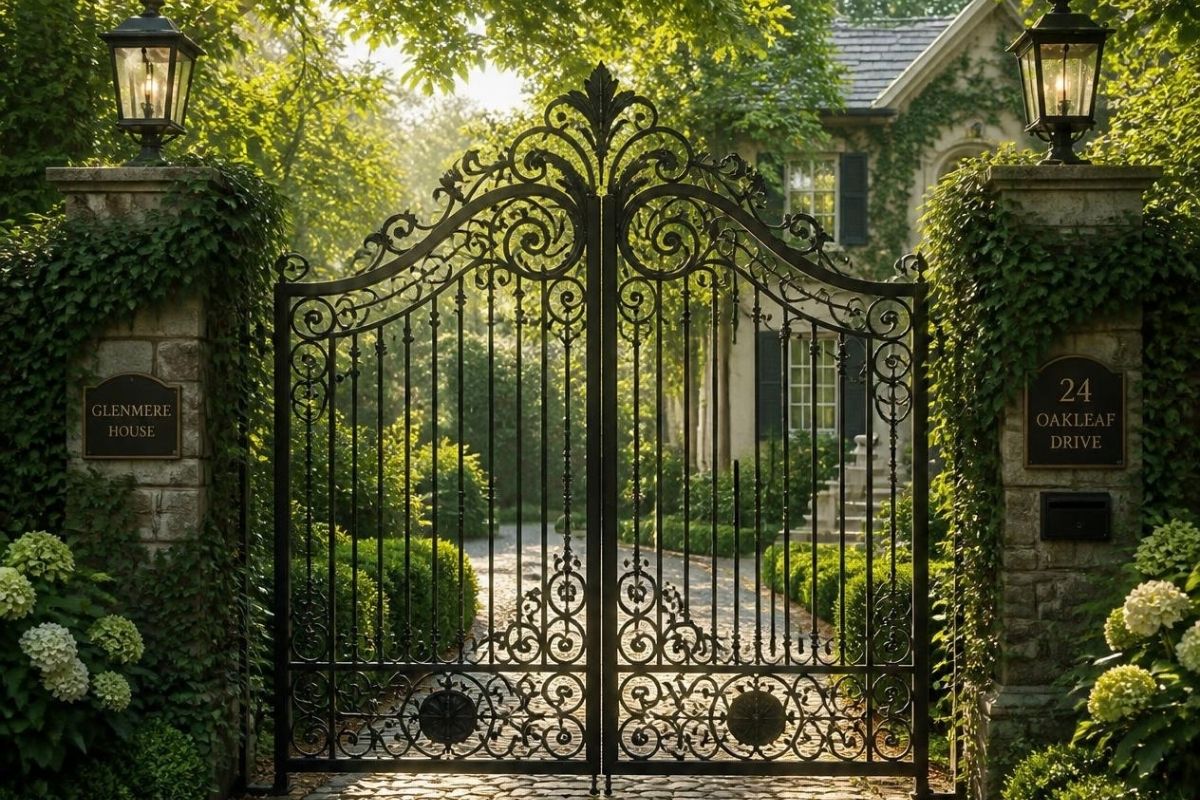
Old homes have a timeless charm. You get vintage character, mature landscaping, and sturdy craftsmanship that is difficult to replicate today. But they often demand extensive renovations.
When it comes to renovating a vintage property, it is easy to focus on exciting aesthetic upgrades like fresh paint, shiny kitchen fixtures, or trendy hardwood floors. Yet, real peace of mind comes from invisible fixes.
As veteran contractor and television host Mike Holmes emphasized in August 2026 regarding hidden prep work, "This is the stuff you don't see—but it's everything"
Tackling the hidden infrastructure first saves thousands of dollars later. In fact, a 2026 study published on ResearchGate notes that over 90% of existing buildings require major upgrades, with mechanical systems often driving the largest share of retrofit costs.
In this article, we will walk you through the home improvements you must consider when renovating an older property.
Modernize the Outdated Electrical Infrastructure
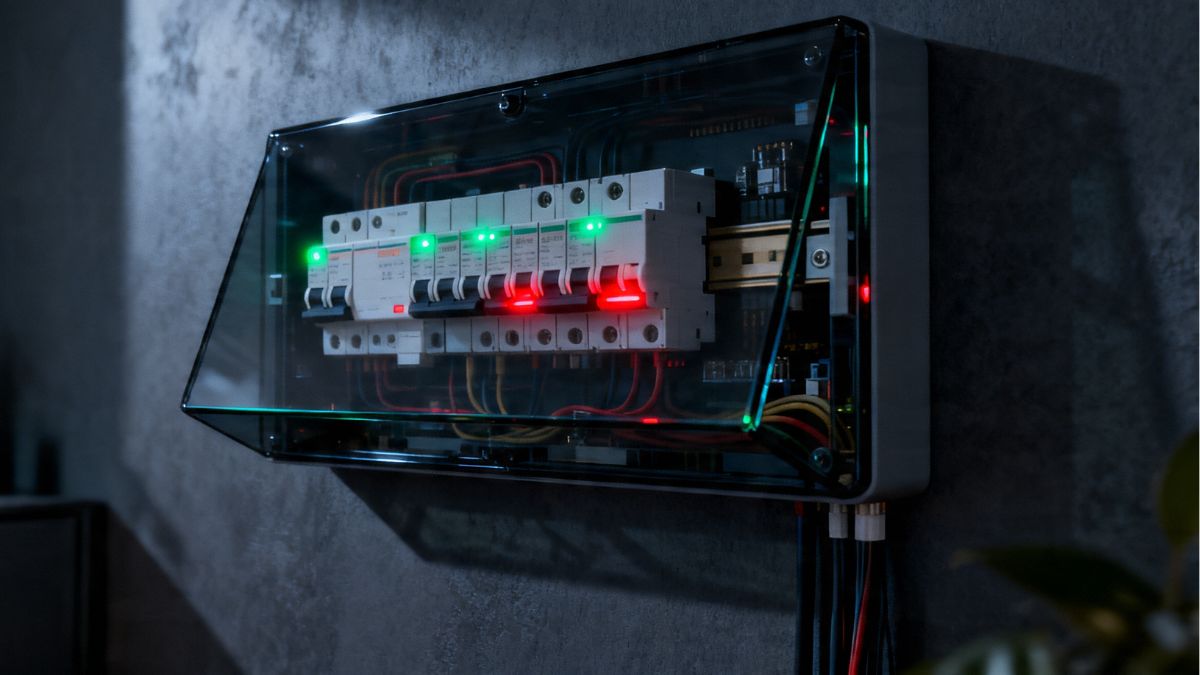
Vintage properties carry a lot of character, but their electrical systems were built for another era. Decades ago, a household ran a few lamps, a radio, and a refrigerator. But now, a household runs multiple computers, giant television screens, air conditioners, and microwave ovens.
Many houses built before the 1960s still have 60-amp or 100-amp electrical service. That is nowhere near enough power for a busy household. If you run a toaster and a hair dryer at the same time, your breakers will trip.
Upgrading the main service panel gives your home ample power headroom. It allows you to run your dryer, air conditioner, and home office without tripping breakers.
Old houses rarely have enough wall plugs. People end up daisy-chaining power strips across living room rugs. This bad habit can overload circuits and start fires.
During a renovation, you can run copper lines to every corner. Add 3-prong grounded plugs in every room to keep expensive electronics safe.
Place ground-fault circuit interrupter (GFCI) outlets near all sinks and kitchen counters. These smart outlets cut off power in a fraction of a second if water splashes nearby.
Upgrade Plumbing Before Closing Up Walls
Few things ruin a newly finished space faster than a burst pipe. Water can soak through beautiful hardwood floors, seep into ceilings, and cause dangerous mold blooms within 48 hours.
Older homes often have aging plumbing that creates serious problems. Over time, galvanized steel pipes corrode internally, choking water pressure and leaving rusty, discolored water that stains fixtures.
Drain lines made of cast iron can also crack or fill with tree roots. A small sewer leak can rot your floor joists quietly for years.
Replace old supply lines with modern materials. 24hr.supply notes that cross-linked polyethylene (PEX) plumbing is popular because it is flexible, lightweight, and easy to install. PEX also resists scale buildup, withstands freezing better, and snakes easily through tight spaces.
Not surprisingly, the global PEX pipe market is booming. It’s projected to grow from $1.94 billion in 2026 to $3.33 billion by 2035.
For drain lines, PVC (polyvinyl chloride) plastic replaces brittle cast iron. Water moves quickly down PVC without catching lint, hair, or grease. Also, install accessible shutoff valves under every sink and toilet, plus a quarter-turn ball valve at your home’s main water entry point.
Improve Home Insulation and Seal Hidden Drafts
Older buildings are famous for being drafty and cold in the winter. Many houses built before 1950 have completely empty wall cavities. Outside air blows right through wood siding and plaster.
Without proper insulation, your heating system runs continuously to fight the chill, spiking energy bills.
Many people assume that replacing old wooden windows is the first step toward lower utility bills. In reality, drafty attics and basements cause far more heat loss than old window panes.
A 2025 study published in Taylor & Francis found that adding proper interior insulation reduced residential cooling energy demand by 18% to 43%.
Start insulating at the top of your house. The attic is the most cost-effective place to add insulation. Seal every crack with expanding foam and caulk, especially wiring holes, light boxes, and exhaust ducts.
After sealing the gaps, add at least 14 to 18 inches of cellulose or fiberglass insulation. This thick thermal blanket keeps your spacy warm and winter heating bills down. It also stops blazing summer heat from radiating into your bedrooms.
Inspect the rim joists, the wooden edges where your house meets the foundation in the basement or crawlspace. These areas leak significant outdoor air, so seal and insulate them using rigid foam board or spray foam.
FAQs
How do I test my vintage home for hazardous materials like lead and asbestos?
Hire a certified environmental inspector before disturbing walls, flooring, or pipe wraps. They collect samples safely and send them to an accredited lab. Professional testing prevents dangerous airborne fibers and toxic dust from contaminating your living spaces during demolition.
How much contingency budget should I set aside for unexpected repairs?
Set aside a 20% to 25% cash buffer beyond your estimated renovation budget. Older homes routinely hide surprises behind finished surfaces, such as cracked framing, pest damage, or unpermitted work, requiring quick funds without stalling your entire project timeline.
Do I need building permits for interior changes in a vintage home?
Yes, most cities require permits for major structural changes, moving walls, or replacing heating, ventilation, and air conditioning systems. Unpermitted renovations risk stop-work orders, steep fines, and major title transfer headaches if you decide to sell later.
Renovating a vintage home is a labor of love. Historic homes offer timeless craftsmanship that modern builds rarely match.
There will be days when you wonder why you started this project. Taking care of the hidden infrastructure honors the story of the building. You are giving an older property a fresh start for another century of life.


.svg)