The Hidden Home Maintenance Problems That Appear After Heavy Rain


For homeowners in Forest City, Florida, heavy rainfall can reveal maintenance problems that remain hidden during dry weather. Water collecting near foundations, overflowing gutters, and soggy lawns may seem like temporary inconveniences, but repeated exposure to moisture can gradually affect your property.
Florida's frequent storms and humid conditions make water management an important part of home maintenance. Unfortunately, many homeowners concentrate on visible repairs while overlooking the conditions that allow moisture problems to develop.
Understanding where rainwater travels, how it affects different building materials, and which warning signs deserve attention can help you protect your home throughout the year.
Stop Rainwater From Collecting Around Your Foundation
Water pooling near your foundation is one of the most important warning signs to investigate after heavy rainfall.
When water repeatedly collects against exterior walls, it can contribute to soil erosion, persistent dampness, and moisture entering vulnerable areas of the building.
The problem may result from poor grading, blocked drainage outlets, or downspouts that release water too close to the house.
Start by observing where rainwater travels during a storm. Look for puddles that remain long after rainfall stops and areas where soil appears to be washing away.
If the problem continues, consulting a drainage company in Forest City can help you identify whether your property needs improved grading, underground drainage, or another suitable water management solution.
Professional assessments can also determine whether existing drainage components are functioning correctly.
Addressing these conditions early helps reduce unnecessary moisture exposure around your home's foundation.
Inspect Gutters Before Small Blockages Cause Bigger Problems
Gutters are designed to collect rainwater from your roof and direct it toward downspouts. However, leaves, twigs, and roof debris can gradually restrict water flow.
When gutters become clogged, rainwater may spill over the edges and run down exterior walls.
Repeated overflow can contribute to staining, damaged landscaping, and moisture collecting near the foundation.
Inspect gutters regularly, particularly after storms or periods of heavy leaf fall.
Remove visible debris and check whether downspouts release water freely.
Look for loose brackets, sagging sections, and damaged joints that may allow leaks.
If water repeatedly overflows despite cleaning, the gutter system may require further assessment.
Avoid climbing onto wet roofs or using unstable ladders during inspections.
Keeping gutters functional is a relatively simple maintenance task that helps protect several other parts of your property.

Recognize When Your Lawn Has a Drainage Problem
A soggy lawn is not always the result of excessive watering.
Low spots, compacted soil, and poor surface grading can prevent rainwater from draining efficiently.
When moisture remains trapped, grass roots may struggle to obtain sufficient oxygen, resulting in weak growth and thinning patches.
Standing water can also make outdoor spaces difficult to use and create favorable conditions for mosquito breeding.
Observe how quickly different sections of your lawn dry after rainfall.
If certain areas remain wet while the surrounding ground becomes firm, investigate the cause rather than immediately adding more soil.
Sometimes the problem involves runoff from neighboring surfaces or an improperly directed downspout.
Depending on site conditions, solutions may include regrading, suitable underground drainage, or changes to landscaping.
Identifying the source of excess water is essential before selecting a permanent solution.
Check Exterior Walls for Signs of Moisture Damage
Your home's exterior walls experience repeated exposure to rainfall, humidity, and changing temperatures.
Over time, deteriorating sealants, damaged siding, and small cracks can create opportunities for moisture to enter.
You may notice peeling paint, dark stains, bubbling finishes, or damp patches near windows and doors.
These symptoms should be investigated rather than simply covered with fresh paint.
Inspect exterior joints, window frames, and areas where different building materials meet.
Look for damaged caulking and openings that may allow rainwater behind exterior finishes.
However, avoid sealing intentional drainage openings, particularly those designed to release moisture from wall assemblies.
If stains repeatedly return or interior surfaces become damp, professional evaluation may be necessary.
Repairing the source of water intrusion is more effective than repeatedly replacing damaged finishes.
Prevent Driveway and Patio Water From Reaching Your Home
Driveways, patios, and paved walkways can affect how rainwater moves around your property.
Unlike landscaped soil, these hard surfaces absorb very little water.
If they slope toward the house, runoff may collect near garage entrances, exterior doors, or foundation walls.
After heavy rainfall, inspect paved areas for persistent puddles and water flowing toward the building.
Look for settlement, uneven surfaces, and cracks that may indicate changes in the underlying ground.
Some properties benefit from channel drains that intercept runoff before it reaches vulnerable entrances.
Other situations may require surface adjustments or improvements to nearby drainage outlets.
Avoid directing collected water toward neighboring properties or public areas without checking applicable requirements.
Properly managed runoff helps protect hardscaping while reducing unnecessary moisture around your home.
Pay Attention to Moisture Inside Closets and Storage Areas
Not every moisture problem begins with an obvious roof leak or flooded floor.
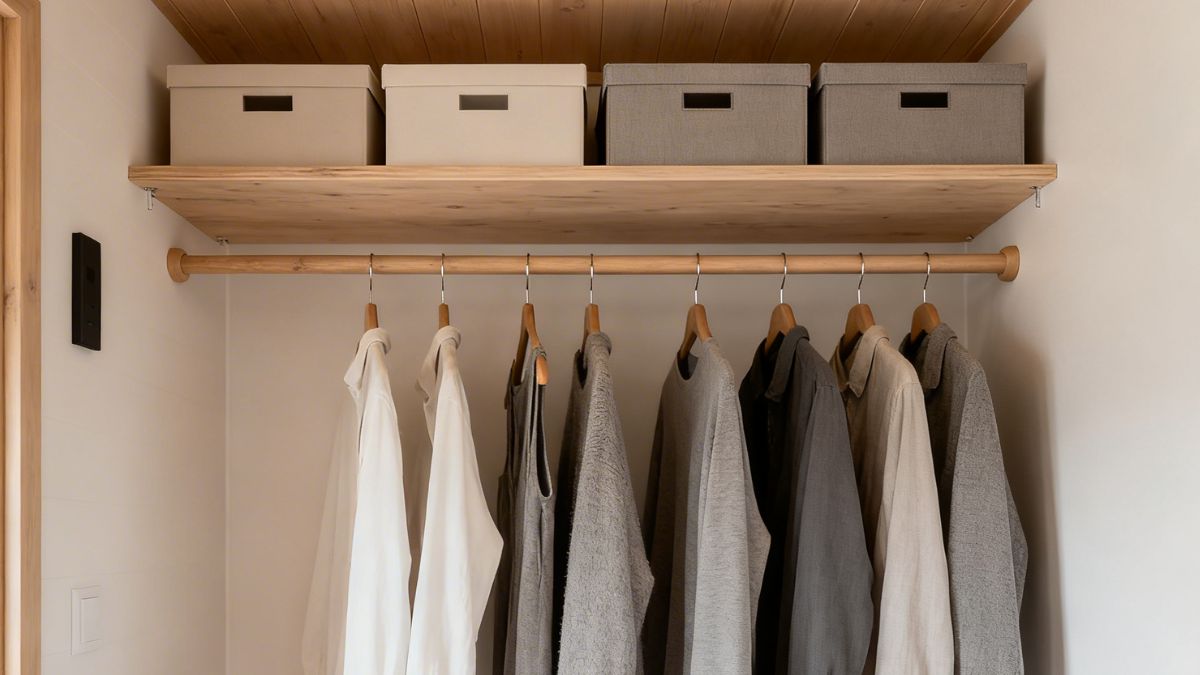
In humid climates, poorly ventilated closets, storage rooms, and enclosed spaces can develop condensation.
You may notice musty odors, damp clothing, or discoloration on stored belongings.
These conditions can encourage mold growth when moisture remains uncontrolled.
Check whether air can circulate around stored items and avoid packing belongings tightly against damp exterior walls.
Use appropriate indoor humidity control and investigate any recurring moisture.
If a particular area becomes wet after rainfall, look for possible leaks rather than assuming humidity is the only cause.
Water-damaged materials may require cleaning, drying, or replacement depending on their condition.
Keeping storage areas dry helps protect personal belongings and makes developing moisture problems easier to identify.
Maintain Your Roof Before Storm Season Intensifies
Your roof is the first major barrier against rainfall entering your home.
However, damaged shingles, deteriorating flashing, and blocked drainage areas can compromise that protection.
Small defects may remain unnoticed until a prolonged storm allows water to reach the attic or ceiling.
Inspect your roof from the ground for missing materials, damaged edges, and visible debris.
Inside, check accessible attic areas for damp insulation, water stains, or unusual discoloration.
Pay particular attention to signs of leaks around vents and roof penetrations.
Avoid walking on wet or steep roofing surfaces.
A qualified roofing professional can inspect areas that cannot be assessed safely from the ground.
Regular inspections are especially useful after severe storms because wind and debris can damage otherwise functional roofing materials.
Create a Rainy-Season Maintenance Routine That Works
Preventing water damage becomes easier when inspections are part of a regular household routine.
Before periods of frequent rainfall, check gutters, downspouts, exterior seals, and visible drainage outlets.
After major storms, walk around your property and look for new puddles, soil erosion, and signs of water intrusion.
Pay attention to recurring patterns rather than treating every incident as an isolated problem.
Photographing problem areas can help you compare conditions over time and explain concerns to contractors.
Keep records of previous repairs and any drainage improvements made around your property.
Prioritize active leaks, electrical hazards involving water, and moisture entering occupied spaces.
You do not need to renovate your entire property to improve its protection against rainfall.
Consistent inspections, timely repairs, and sensible water management can prevent small maintenance concerns from becoming more disruptive.
Understanding how a property responds to heavy rain is an important step toward keeping it safe, comfortable, and well maintained throughout the year.