Tiny House Cooling That Actually Works in Hot & Humid Climates

If you live in a tiny house, summer heat feels different. A small footprint heats up fast, cools down unevenly, and exposes every weak point in your design choices. In places like Dunedin, Florida, where Gulf humidity hangs in the air for months, cooling is less about comfort upgrades and more about keeping your home livable. You need a setup that matches tight square footage, moisture loads, insulation limits, and the way tiny homes are actually used day to day.
How to choose the right AC setup for a tiny footprint
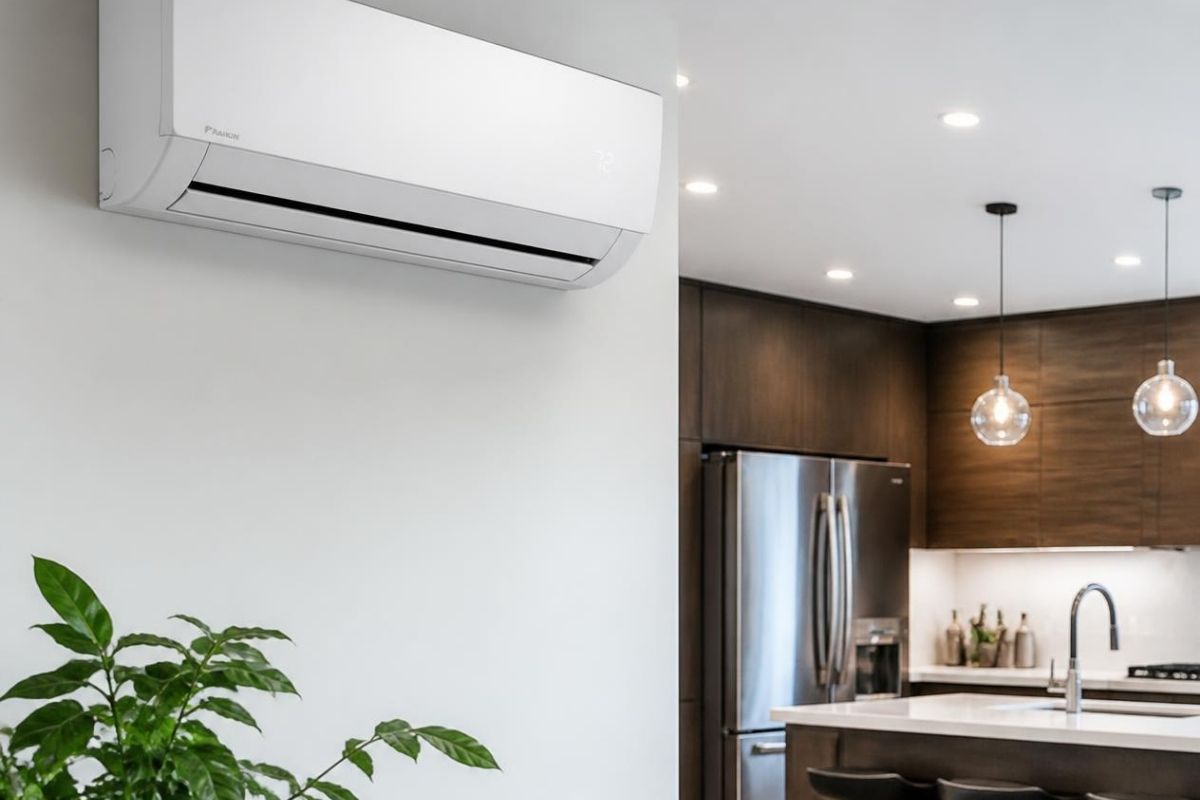
For many tiny homes, a mini-split heat pump is the most efficient option. It’s quiet, compact, and usually better at zoning and moisture management than a window unit or portable AC.
The key is proper load calculation. You can’t choose capacity based on guesswork or a rough square-foot formula. Ceiling height, window area, insulation values, orientation, occupancy, and local climate all affect the sensible and latent load.
If you’re parked full time in coastal Florida, those humidity demands are serious. In that setting, your system selection should account for runtime and moisture removal, not just peak cooling output. Homeowners dealing with repeated breakdowns or weak performance often end up needing an AC repair service in Dunedin because the unit was mismatched to the space from the start.
Portable ACs can work in a pinch, though they’re usually less efficient and take up valuable floor area. Window units are affordable but can be noisy and visually intrusive.
Why tiny houses overheat faster than standard homes
Your tiny house has less interior volume, which sounds like it should make cooling easier. In practice, it often creates temperature swings that feel extreme.
A compact structure gains heat quickly through the roof, windows, and exterior walls. If you have a sleeping loft, hot air rises and pools where you’re trying to rest. Add dark roofing, minimal attic separation, or poor window orientation, and your indoor temperature can spike before noon.
Appliances also matter more in a small space. Cooking on a two-burner stove, running a dryer combo, or even charging electronics adds noticeable heat. In a standard house, that load gets diluted across more square footage. In a tiny house, you feel every BTU.
Humidity makes the problem worse. When moisture stays trapped indoors, 78 degrees can feel far less tolerable than the thermostat suggests.
The cooling mistakes that hurt tiny house comfort most
The biggest mistake is oversizing your air conditioner. Many people assume more cooling power means better comfort. It usually means short cycling, poor dehumidification, and clammy indoor air.
An oversized unit cools the space too fast and shuts off before removing enough moisture. That leaves surfaces damp, bedding sticky, and indoor air stale. In a tiny house, humidity control often matters as much as temperature control.
Another common issue is treating insulation as the whole answer. Insulation helps, but air sealing matters just as much. Small gaps around doors, utility penetrations, trailer framing, and windows can pull in outdoor air nonstop.
Window placement gets overlooked too. Large west-facing glass looks great in listing photos, but it can turn your living area into a solar heat trap. Without shading, low-E glazing, or strategic curtains, your cooling equipment ends up fighting architecture.
Ventilation, shade, and airflow do more than people expect
Mechanical cooling works better when your tiny house stops fighting it. Start with exterior shade. A simple awning, shade sail, or well-placed tree can cut solar gain more than many people realize.
Cross ventilation helps during shoulder seasons and cooler evenings. Operable windows on opposite sides of the structure let trapped heat escape quickly, especially if one opening sits higher than the other. A roof vent fan can improve stack-effect airflow and pull heat out of loft areas.
Ceiling fans and directional circulation fans also matter in small homes. They even out hot and cool zones so your AC doesn’t overwork one side of the house. In a loft, a small wall-mounted fan often solves the “upstairs sauna” problem better than lowering the thermostat two more degrees.
Reflective roofing, insulated curtains, and window films can all reduce heat gain without taking up precious square footage.
Moisture control is just as important as cold air
Tiny house owners often talk about heat, but moisture causes some of the worst long-term issues. Condensation can build behind furniture, inside wall cavities, around windows, and under mattresses.
That becomes a building science problem fast. Mold growth, warped finishes, musty odors, and indoor air quality complaints are more likely when humidity stays high in a compact envelope. Because tiny homes have less breathing room, even a small moisture imbalance becomes noticeable.
Use your range hood when cooking and run your bath fan long enough after showers. If your fan is weak or noisy, people tend not to use it, which creates a predictable humidity spike. A standalone dehumidifier can help in muggy climates, though you’ll need to account for drainage and energy use.
If your AC leaves the space cool but damp, don’t assume that’s normal. It often points to equipment sizing, airflow problems, refrigerant issues, or poor system design.
Real-world cooling habits that lower strain on your system
Your daily routine can either support your cooling system or quietly sabotage it. In a tiny house, timing matters. Cook earlier in the day when possible, and limit heat-producing tasks during late afternoon.
Keep filters clean. A clogged filter restricts airflow and reduces evaporator performance, which can push humidity higher. In dusty areas or homes with pets, that maintenance may need to happen more often than you expect.
Close blinds before direct sun hits the windows, not after the room has already heated up. If you’re away during peak heat, consider a smart thermostat schedule that maintains a stable range instead of letting the interior bake and then forcing a hard recovery.
Also pay attention to where your condenser sits. Outdoor units need clearance and airflow. If yours is boxed in by skirting, storage bins, or landscaping, efficiency drops and service life can shorten.