How a Solar Fence Charger Reduces Fence Maintenance

.jpg)
Fence upkeep gets easier when the power source stays reliable through heat, rain, and long stretches of daily use. Many service calls start with the same issue: a weak battery that lets voltage slip before anyone spots the change. Solar charging helps prevent that pattern. With steady daytime input, the energizer can keep working with less manual attention, reducing routine labor and making fence performance easier to manage across remote ground.
Fewer Battery Swaps
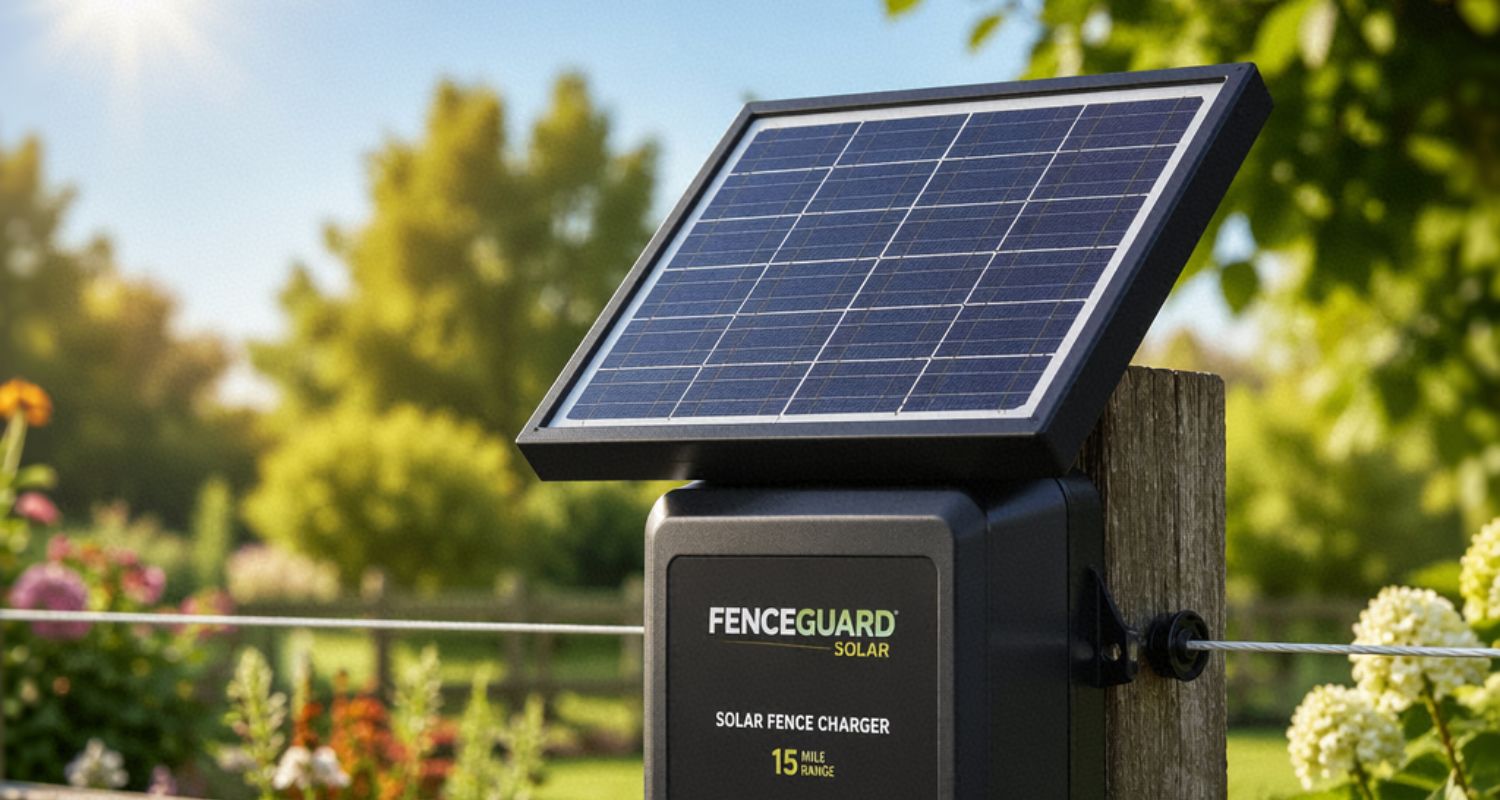
Battery care often drives more fence work than the wire itself. On distant pasture runs, hauling units back for charging takes time, fuel, and planning that could be spent elsewhere. A solar fence charger continuously charges during daylight, helping maintain reserve power between checks and cutting the number of battery changes that interrupt normal property work.
More Consistent Voltage
Animals test a fence when the pulse weakens, even for a short period. Daily solar input helps the energizer recover what night use removed, so the output stays steadier over time. That matters during wet weather, when leakage can rise along posts, clips, and heavy grass. With a dependable charge source, the voltage drop points more clearly to a fence fault instead of drained storage.
Less Dependence on Grid Access
Remote fence lines rarely sit near a practical outlet. Running utility power across fields creates extra hardware, more inspection points, and greater exposure to weather damage. A solar unit avoids much of that added infrastructure. Fewer cords and fewer connections mean fewer places for failures to start. For many properties, that simpler setup reduces maintenance pressure and keeps power available where livestock actually graze.
.jpg)
Faster Problem Detection
Good troubleshooting depends on removing guesswork from the power supply. If sunlight has charged the unit through the day, poor fence performance is more likely due to grounding, wire contact, or vegetation. That narrows the search quickly. Staff can inspect insulators, joints, and gate handles with a clearer starting point. Less uncertainty shortens repair time, which matters during busy periods when grass growth accelerates.
Reduced Wear on Components
Batteries age faster when they are allowed to drain deeply, then pushed through repeated recovery cycles. Solar charging helps smooth out that pattern by replacing energy more regularly through normal use. Gentler charge conditions can reduce strain on storage units and connected electrical parts. Over a season, that steadier rhythm may mean fewer replacements, fewer weak starts, and fewer hours spent chasing intermittent power loss.
Better Fit for Rotational Grazing
Rotational grazing requires a lot from temporary fencing. Lines move often, paddocks shift, and power must follow without adding extra chores. Solar chargers suit that routine because they travel easily and work without a nearby mains supply. Each move becomes simpler when operators do not need separate charging plans for every fence section. That flexibility supports cleaner pasture management and more dependable animal control during frequent layout changes.
Fewer Emergency Repairs
Most urgent fence failures build slowly before they become obvious. Voltage slips, animals notice, and a small power issue turns into a handling problem at the worst time. Regular solar charging helps prevent that gradual decline from going unnoticed. While every system still needs inspection, reliable daily input removes one common trigger for surprise breakdowns. Fewer emergencies mean calmer stock movement and better use of labor.
Lower Seasonal Labor
Fence maintenance often progresses through small repeated tasks rather than one major repair. Charging batteries, moving power packs, and checking drained units can consume hours across a long grazing season. Solar power removes many of those recurring chores from the weekly list. Crews can spend more time clearing growth, testing lines, and correcting true faults. Those jobs protect the fence function far better than repeated battery handling.
Conclusion
A solar fence charger reduces maintenance by keeping energy available, limiting battery handling, and making electrical faults easier to identify. Those advantages matter most on large acreage, where every extra trip carries a real labor cost. More stable power also supports better animal respect for the fence line. With fewer routine charging tasks and fewer surprise outages, operators can keep boundaries dependable with less effort over time.


.svg)

.jpg)