
How Crawl Space Cleanup Improves Home Safety

.jpg)
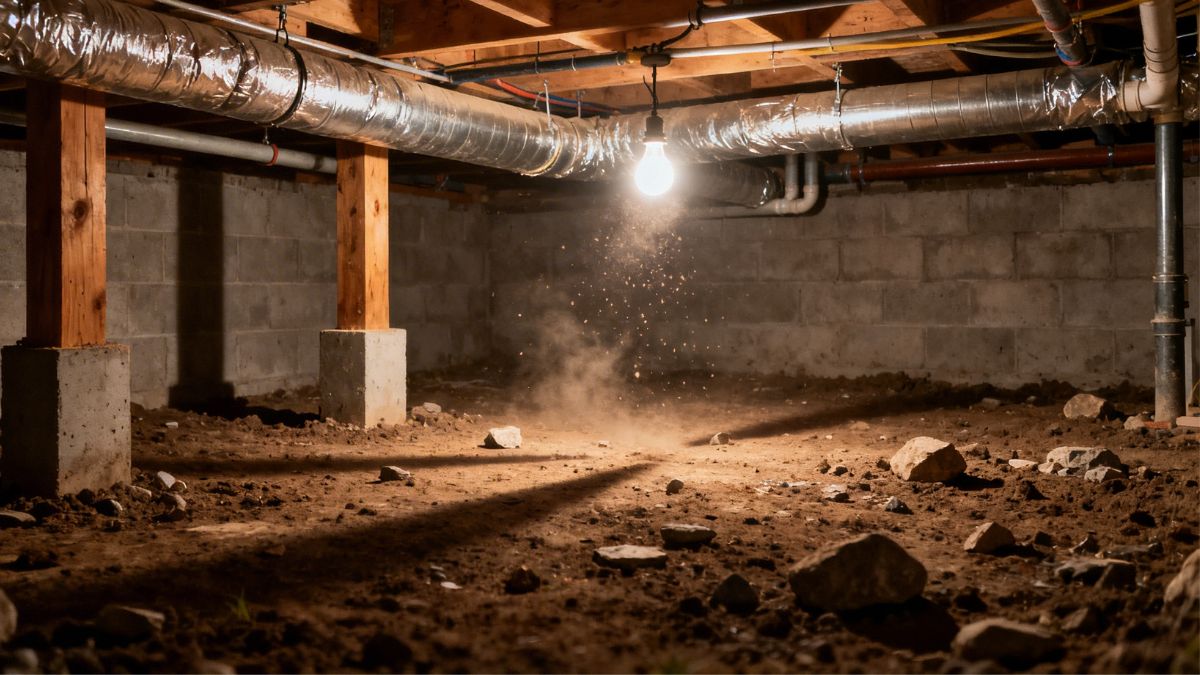
Tidiness in a crawl space is something very few of us see; however, its tranquility cannot be overemphasized. Maintaining this zone helps safeguard property as well as public health. Most homeowners think about the crawl space when they never see it, but routine maintenance protects everyone's living environment.
Reduces Mold and Mildew Growth
A crawl space with damp air is a perfect environment for mold and mildew. It spreads fast, and in quick time it affects the air quality in the home. Mold spores can trigger allergies and respiratory distress and aggravate health conditions. Regular cleaning helps avoid their onset and maintains a safe indoor environment. Choosing Seattle crawl space cleanup services highlights how professional cleanup not only boosts energy efficiency but also reduces long-term structural risks.
Prevents Pest Infestations
Crawl spaces protect rodents, insects, and other pests. These insects are more likely to come when debris and moisture build up. Frequent cleaning clears away nesting materials and the places where dirt can hide, making it less appealing to enter. The fewer pests in your crawl space, the fewer chances your family will be bitten, infected with toxins, and your home damaged.
Improves Structural Integrity
Wooden beams and supports underneath the home can grow damp and rot. Unchecked rot leads to sagging floors or costly repairs over time. Cleaning crawl spaces can uncover early warning signs like wet insulation and stained wood. Rapid responses to these matters help maintain a home that is necessarily consistent and stable.
.jpg)
Enhances Indoor Air Quality
The air from the crawl space flows up into the living areas above. Vents can spread particles of dust, mold, or even droppings from pests beneath the floor, leading to respiratory problems. Households get cleaner, fresher air inside by regularly cleaning this area. This practice can be particularly important for those families with small children or elderly residents.
Reduces Fire Hazards
Unattended crawl spaces can form fire hazards in the form of old insulation, paper, and wood scraps. This area may also suffer damage to the wiring. Removing flammable debris occasionally and checking wiring keeps hazards at bay. These precautions reduce the risk of an accidental fire igniting below the house.
Prevents Water Damage
If standing water exists in a crawl space, the water can leak through the walls and into the floors, causing expensive and costly damage. It can lead to wood rot and weakened foundations when there is consistency with the moisture. By cleaning, you can spot leaks or drainage issues at an early stage. To protect it even more from damage and maintain the property value, any issues related to water need to be addressed quickly to prevent further damage.
Promotes Energy Efficiency
Keeping the indoor temperature steady is another benefit of a clean and dry crawl space. Replacing or adding insulation with gaps helps seal in the home better, insulating against loss. Preventing drafts by sealing gaps and removing debris. This approach means heating and cooling systems will run less but accomplish more, which keeps the bills down and the comfort up.
Supports Long-Term Property Value
When buying a house, potential buyers would never fail to check crawl spaces before making a decision. If the area is clean and well-maintained, it shows them that the property is in excellent condition overall. Neglecting or dirtying a crawl space could raise red flags and even reduce a home's market value. Cleaning it regularly makes this part of the house an asset, not a liability.
Encourages Routine Maintenance
It allows you to inspect for plumbing leaks, electrical problems, or even insulation issues. Identifying the issue as soon as possible can save you a lot of time and money when it is time to fix it! Regular inspections allow for timely repairs, which help property owners prevent bigger problems later on.
Conclusion
A clean crawl space benefits both the homeowner and those living and working in a home. This practice encourages a home that is comfortable and safe, ranging from reducing health risks to protecting structural components. Keeping an eye on this neglected zone can save you thousands in ultimately required repairs, livability improvements, and even home value preservation decades into the future.


.svg)

.jpg)
.jpg)
.jpg)