
How Small Home Designs Use Space-Saving Furniture Effectively


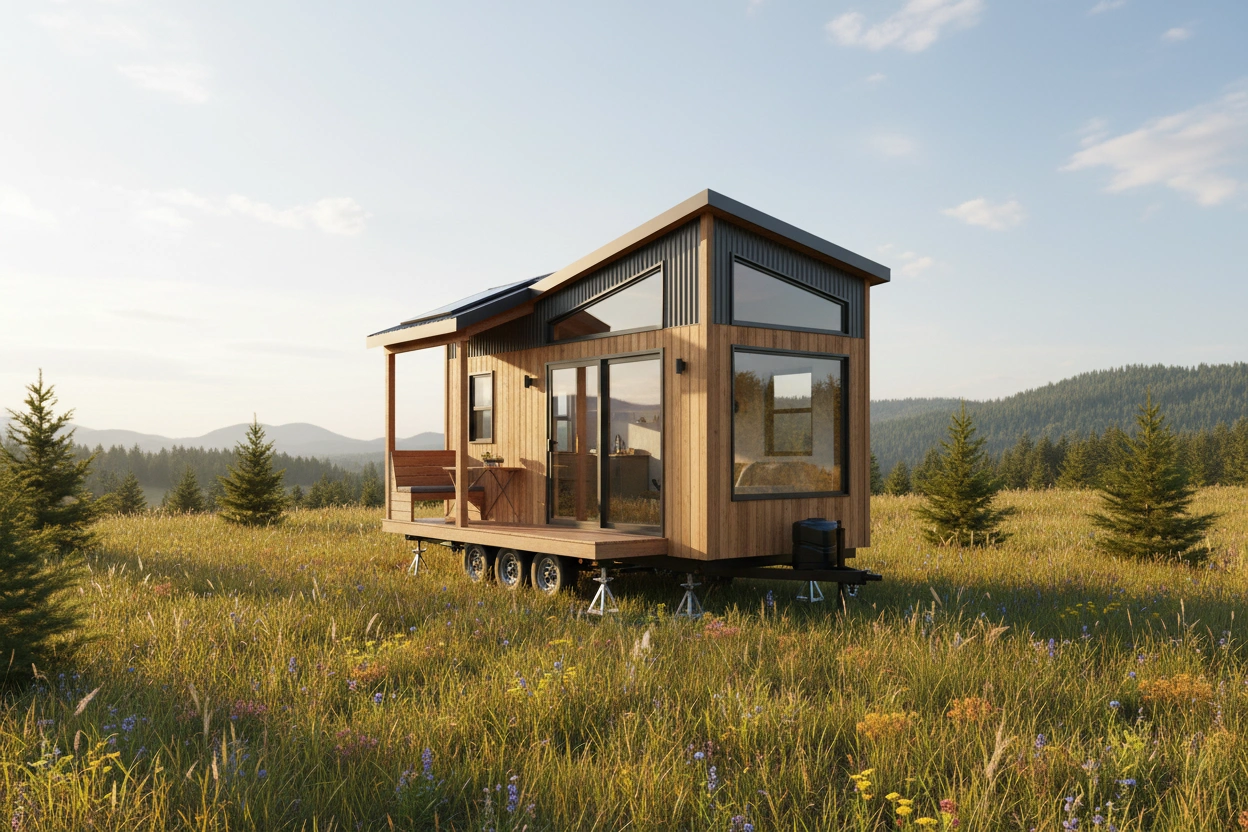
Creating a comfortable and functional living space in small home designs can be a challenge, but with the right approach to space-saving furniture, it is entirely achievable. As more people gravitate towards minimalist lifestyles, understanding how to maximize limited space has become increasingly important. This article delves into the effective use of space-saving furniture within modern small home designs, exploring various strategies, benefits, and considerations for those looking to optimize their compact living spaces.
In 2026, the trend toward affordable small homes and eco-friendly small homes continues to flourish, driven by an emphasis on sustainability and efficient living. This article will explore innovative furniture solutions, layout strategies, and sustainable materials that make small home interior design both practical and aesthetically pleasing.
Understanding Small Home Designs and Their Unique Challenges
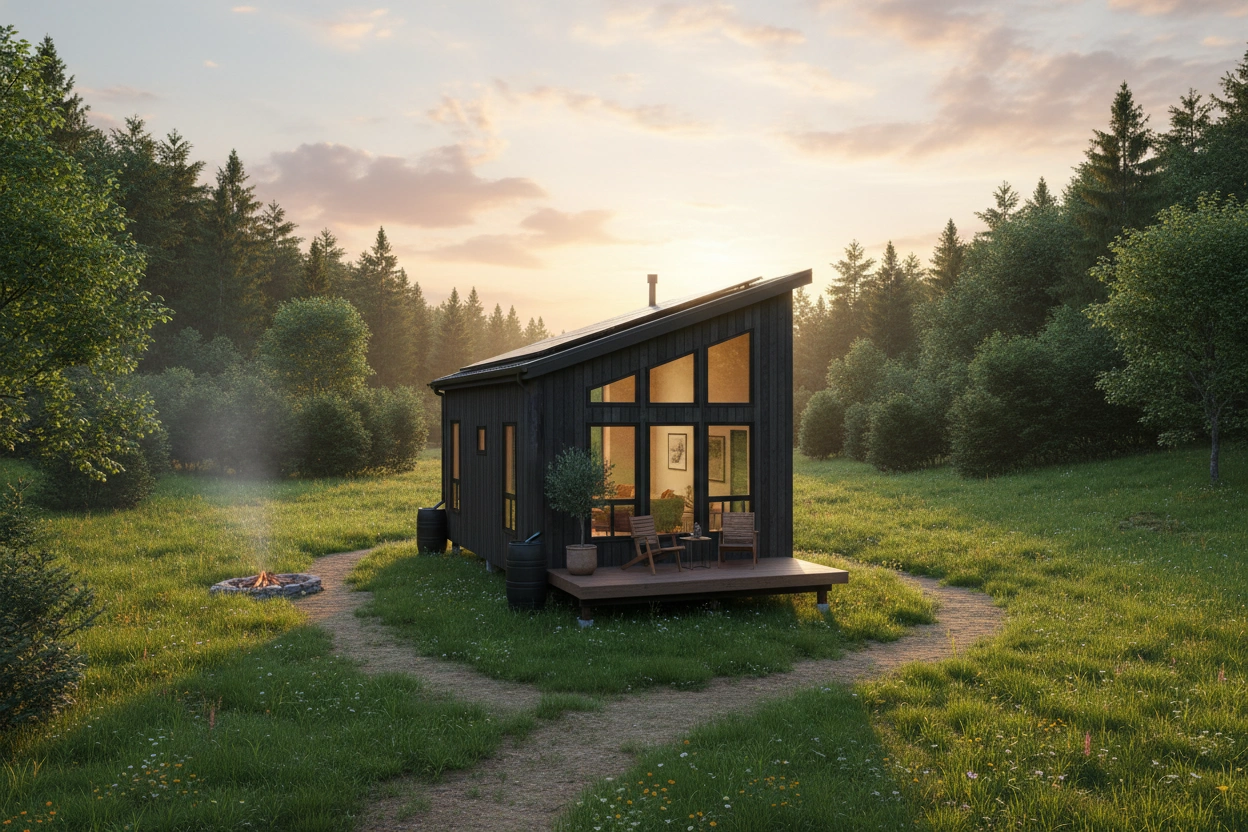
Small home designs present unique challenges that necessitate innovative solutions. The primary goal is to create a functional space that feels open and inviting, rather than cramped and cluttered.
The Impact of Layout on Space Utilization
A well-thought-out layout is fundamental to maximizing space in small homes. Open floor plans are particularly beneficial, as they eliminate unnecessary walls and allow for a seamless flow between living areas. Consider the following layout strategies:
- Zoning: Define different areas within an open space using furniture arrangements or area rugs. This helps create a sense of purpose for each area while maintaining an open feel.
- Multi-Functional Spaces: Design rooms that serve multiple purposes, such as a guest room that doubles as a home office. This approach minimizes the need for additional rooms.
- Vertical Space: Utilize vertical storage solutions, such as shelving and wall-mounted cabinets, to keep floors clear and maintain an open atmosphere.
Key Principles of Space-Saving Furniture Design
When selecting furniture for small home designs, it's essential to choose pieces that offer versatility and functionality. Here are some key principles to keep in mind:
- Scale: Opt for furniture that is appropriately scaled for the room. Oversized furniture can overwhelm a small space, while appropriately sized pieces can create a sense of balance.
- Modularity: Consider modular furniture that can be rearranged or reconfigured as needed. This flexibility allows homeowners to adapt their space for different occasions or needs.
- Hidden Storage: Look for furniture that incorporates hidden storage solutions, such as ottomans with compartments or coffee tables that open up to reveal storage space.
Innovative Space-Saving Furniture Solutions
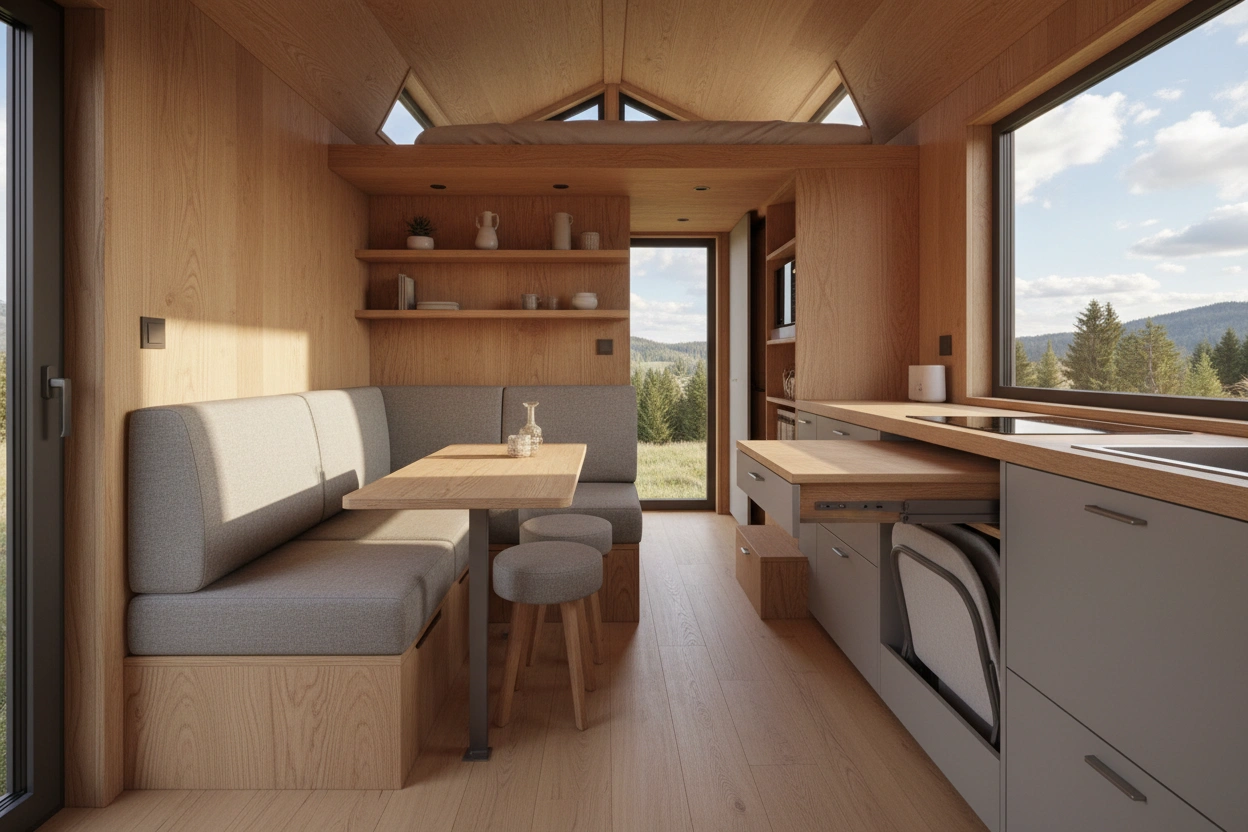
Incorporating innovative space-saving furniture can dramatically enhance the functionality of small home designs. Below are some effective solutions to consider:
1. Murphy Beds
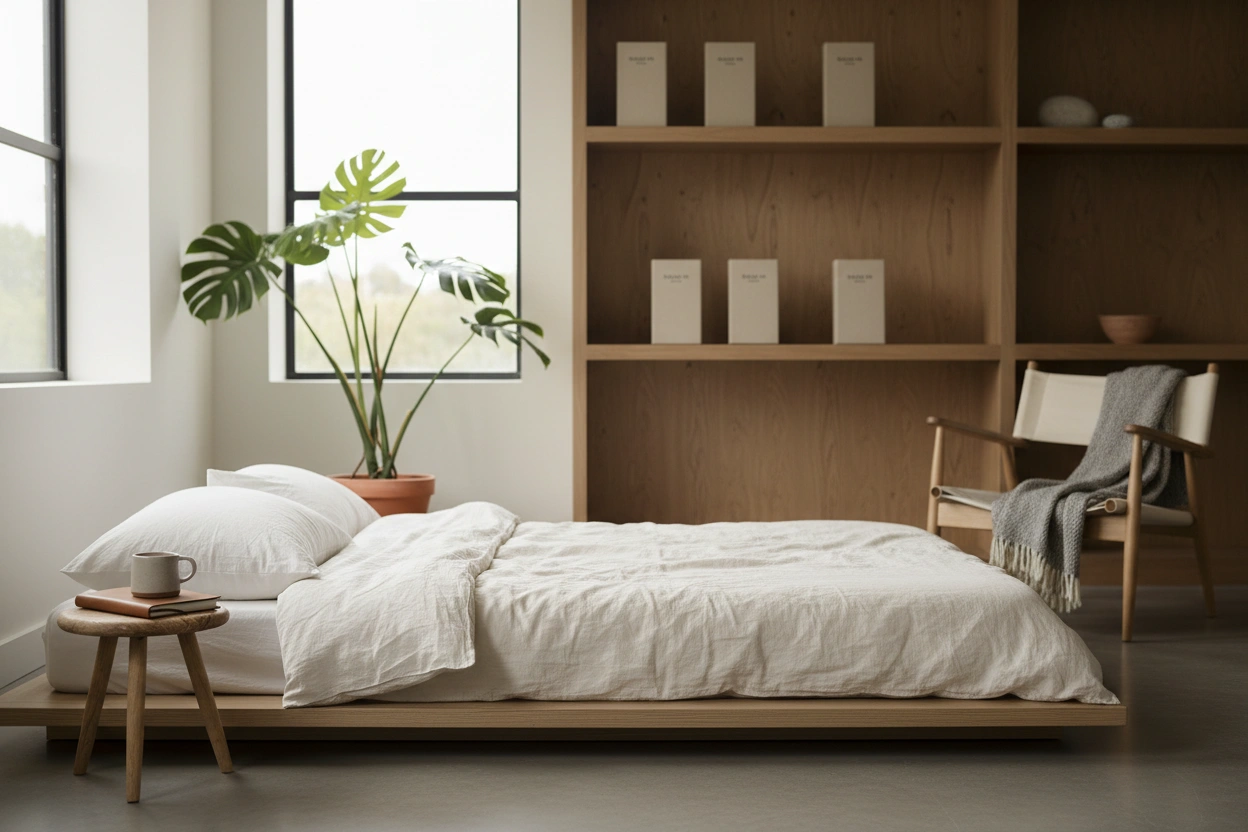
Murphy beds, also known as wall beds, are a classic solution for maximizing space in small bedrooms or multifunctional rooms. When not in use, the bed can be folded up against the wall, freeing up valuable floor space for other activities.
2. Extendable Dining Tables
Extendable dining tables provide flexibility for dining needs. They can be compact for everyday use and expanded when entertaining guests, ensuring that homeowners can accommodate varying numbers of diners without requiring a permanent large table.
3. Nesting Tables
Nesting tables are a smart choice for small living rooms. These tables can be stacked together when not in use, taking up minimal space, and easily separated when additional surface area is needed.
4. Sofa Beds
Sofa beds combine comfort with functionality, providing seating during the day and a sleeping area at night. This dual-purpose furniture is ideal for small homes, particularly for those hosting overnight guests.
5. Folding Furniture
Folding furniture, such as chairs and tables, can be easily stored away when not in use. This is especially useful in small dining areas or balconies, allowing for a more versatile space.
Sustainable Materials for Small Home Construction
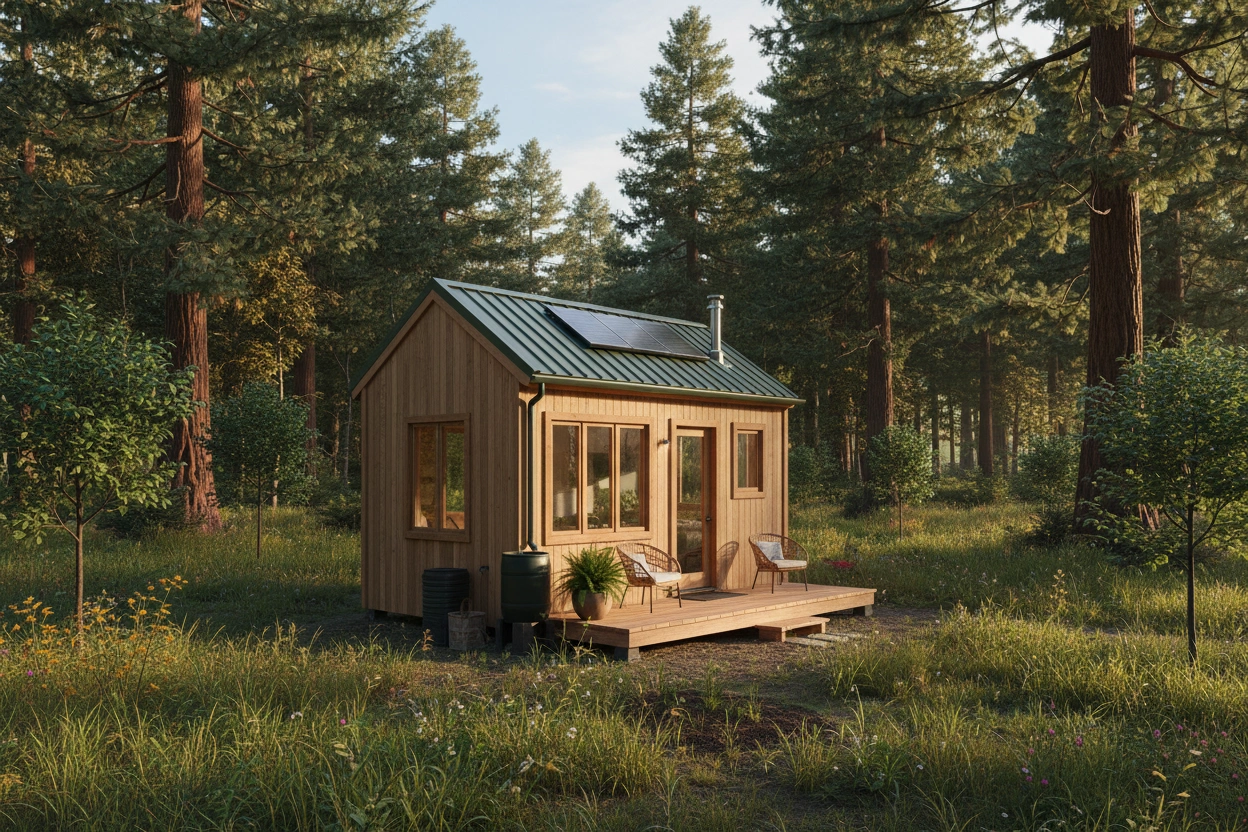
As the focus on eco-friendly small homes grows, selecting sustainable materials for construction becomes increasingly important. Homeowners can incorporate these materials into their small home designs to promote environmental stewardship while enhancing the aesthetic appeal of their interiors.
Eco-Friendly Building Materials
- Reclaimed Wood: Using reclaimed wood for furniture or flooring reduces the demand for new materials and adds character to small spaces.
- Bamboo: Bamboo is a fast-growing, renewable resource that can be used for flooring, furniture, and cabinetry. It is not only durable but also offers a unique aesthetic.
- Recycled Metal: Incorporating recycled metal in furniture and fixtures can create a modern industrial look while reducing waste.
- Low-VOC Paints: Using low-VOC (volatile organic compounds) paints and finishes improves indoor air quality, making them a healthier choice for small home interiors.
Benefits of Sustainable Materials
Choosing sustainable materials for small home designs offers several advantages:
- Environmental Impact: Sustainable materials help reduce the carbon footprint of a home and promote ecological balance.
- Longevity: Many sustainable materials are durable and require less maintenance, ultimately saving homeowners time and money.
- Aesthetic Appeal: Eco-friendly materials often have unique textures and colors, enhancing the visual interest of small home interiors.
Tips for Small Home Landscaping
While interior space is critical in small home designs, exterior landscaping also plays a significant role in creating an inviting atmosphere. Here are some tips for effective small home landscaping:
1. Vertical Gardens
Utilizing vertical space with wall-mounted planters or trellises can bring greenery into small yards or patios without taking up valuable ground space. This approach adds visual interest and can improve air quality.
2. Container Gardening
Container gardening allows homeowners to grow plants in pots, which can be placed on balconies, patios, or even indoors. This method is particularly suited for small spaces, as it provides flexibility in plant arrangement.
3. Native Plants
Incorporating native plants into landscaping minimizes water usage and maintenance while supporting local ecosystems. These plants are often well-suited to the climate and soil conditions, making them a smart choice for small home landscaping.
Common Misconceptions about Small Home Designs
There are several misconceptions about small home designs that can hinder homeowners from fully utilizing their spaces. Addressing these misconceptions can empower individuals to make informed decisions about their living environments.
Misconception 1: Small Homes Are Cramped
One common misconception is that small homes are inherently cramped. With thoughtful design and the use of modern small home designs, small homes can feel open and inviting. The key lies in optimizing layouts and selecting the right furniture.
Misconception 2: Minimalist Designs Lack Character
Another misconception is that minimalist designs lack personality. In reality, minimalist small home designs can be rich in character through the thoughtful selection of colors, materials, and decor. Personal touches can be incorporated without cluttering the space.
Misconception 3: Space-Saving Furniture Sacrifices Comfort
Some believe that space-saving furniture sacrifices comfort for the sake of functionality. However, many modern designs prioritize both comfort and practicality, offering stylish solutions that enhance the living experience.
The Future of Small Home Designs
As we move further into 2026, the trends in small home designs are expected to evolve, reflecting changing lifestyles and values. More individuals are embracing compact living as a means to reduce their environmental footprint and simplify their lives. The integration of technology, sustainable materials, and innovative furniture solutions will continue to shape the landscape of small home designs.
Trends to Watch
- Smart Home Technology: The rise of smart home technology will influence how small homes are designed and utilized, with features like automated lighting and climate control enhancing convenience and efficiency.
- Adaptable Spaces: Future designs will increasingly focus on adaptability, allowing homeowners to easily reconfigure their spaces to meet changing needs.
- Sustainable Practices: The emphasis on sustainability will drive the adoption of eco-friendly materials and energy-efficient solutions, ensuring that small homes are not only functional but also responsible.
Embracing the Potential of Small Home Designs
The effective use of space-saving furniture is crucial in maximizing the potential of small home designs. By understanding the unique challenges and opportunities presented by compact living, homeowners can create functional, stylish, and sustainable spaces.
Discover More About Small Home Designs with TinyHouse.com
As you explore the world of small home designs and their effective use of space-saving furniture, consider how TinyHouse.com can assist you in your journey. Whether you're looking for innovative design ideas, sustainable materials, or practical furniture solutions, TinyHouse.com offers valuable resources to help you create the perfect small home.
For more insights and assistance, visit TinyHouse.com and discover how to transform your small living space into a beautifully designed and functional home.


.svg)
.jpg)